<— Previous in Photography 101
This is the fifth installment of Photography 101.

<— Previous in Photography 101
This is the fifth installment of Photography 101.
By Vladimir Brezina
This week’s Photo Challenge is The Golden Hour.
Most obviously, the golden hour brings with it the golden light of the rising or setting sun itself, as in my first two posts, here and here. But the real glory of the golden hour is the soft glow with which it lights up every object it still reaches, briefly between the lengthening shadows…

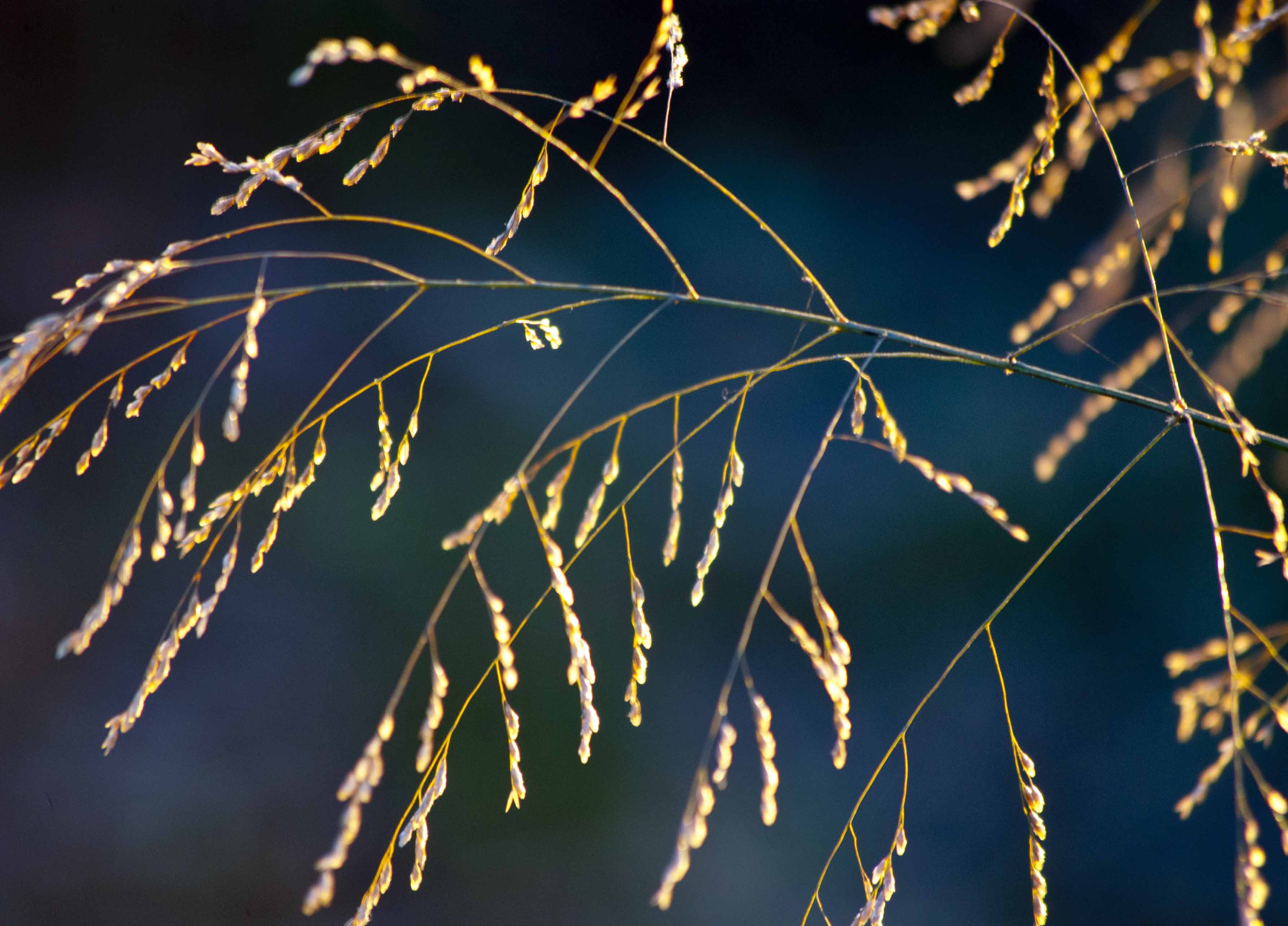









All in Central Park, New York City.
Posted in Nature, Photography
Tagged Fall Colors, Photography, postaweek, postaweek2013, Spring Blossoms, The Golden Hour, Weekly Photo Challenge
By Vladimir Brezina
This week’s Photo Challenge is The Golden Hour.
One golden hour was here. But I can’t resist posting another one, which was so perfectly golden—
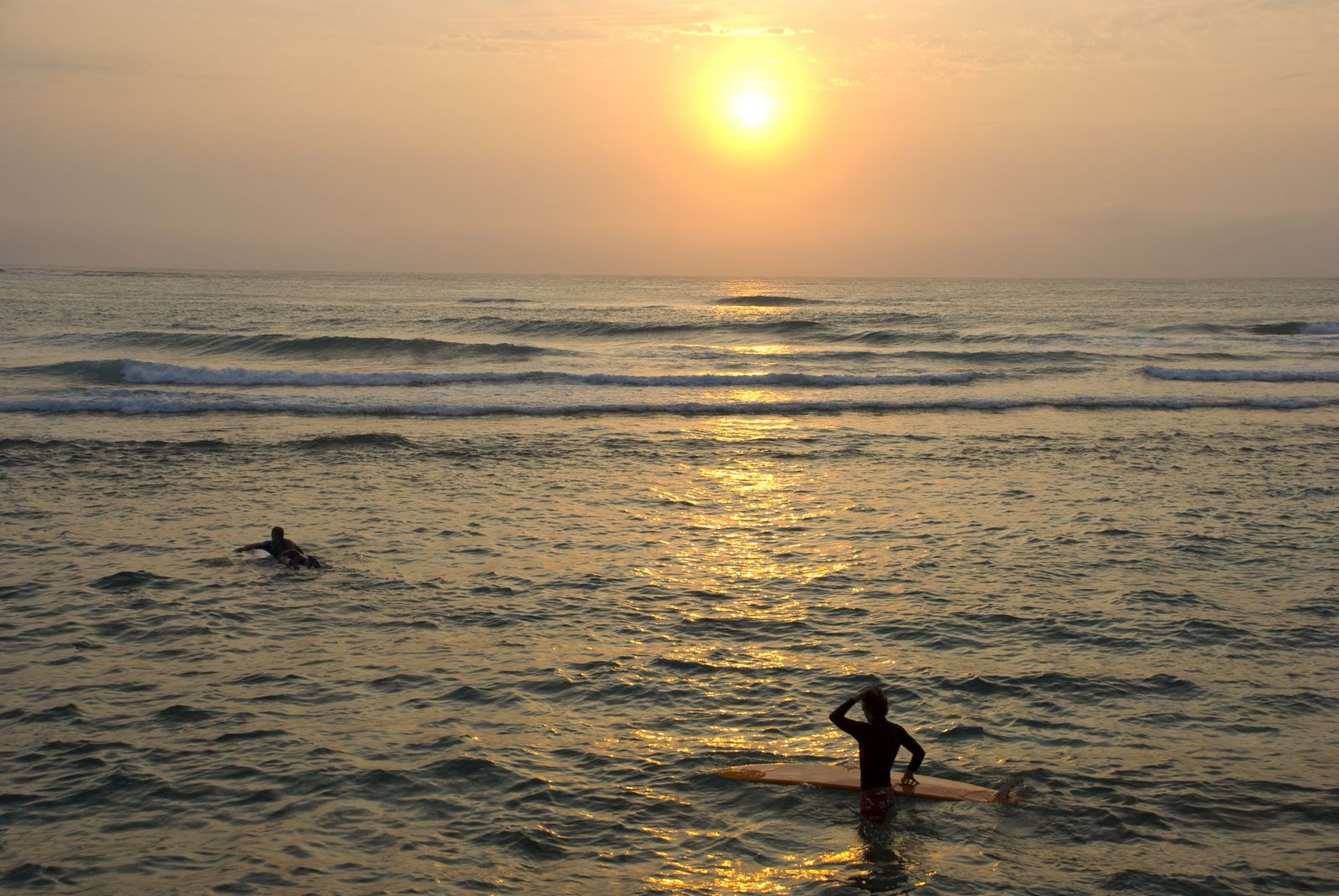
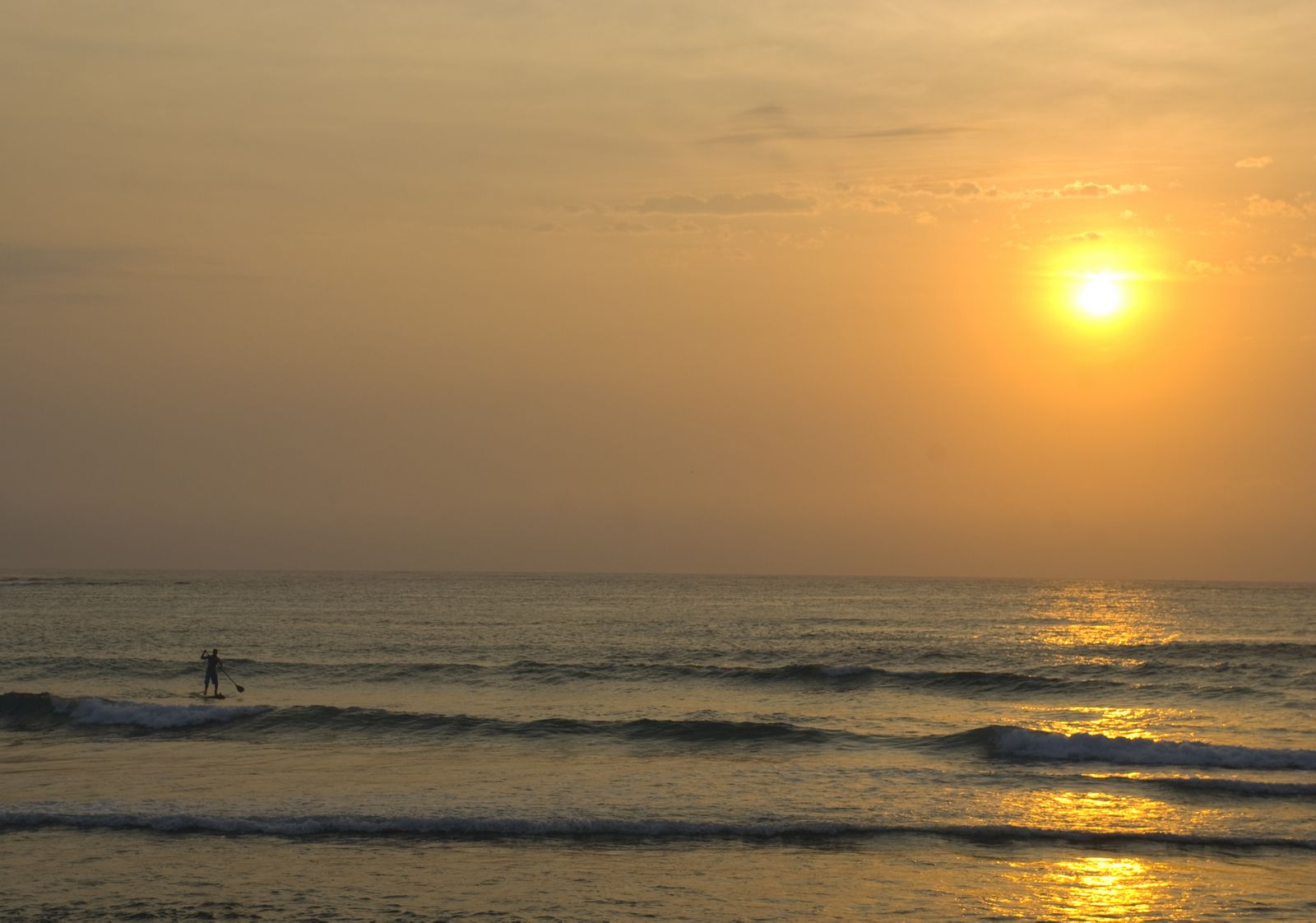
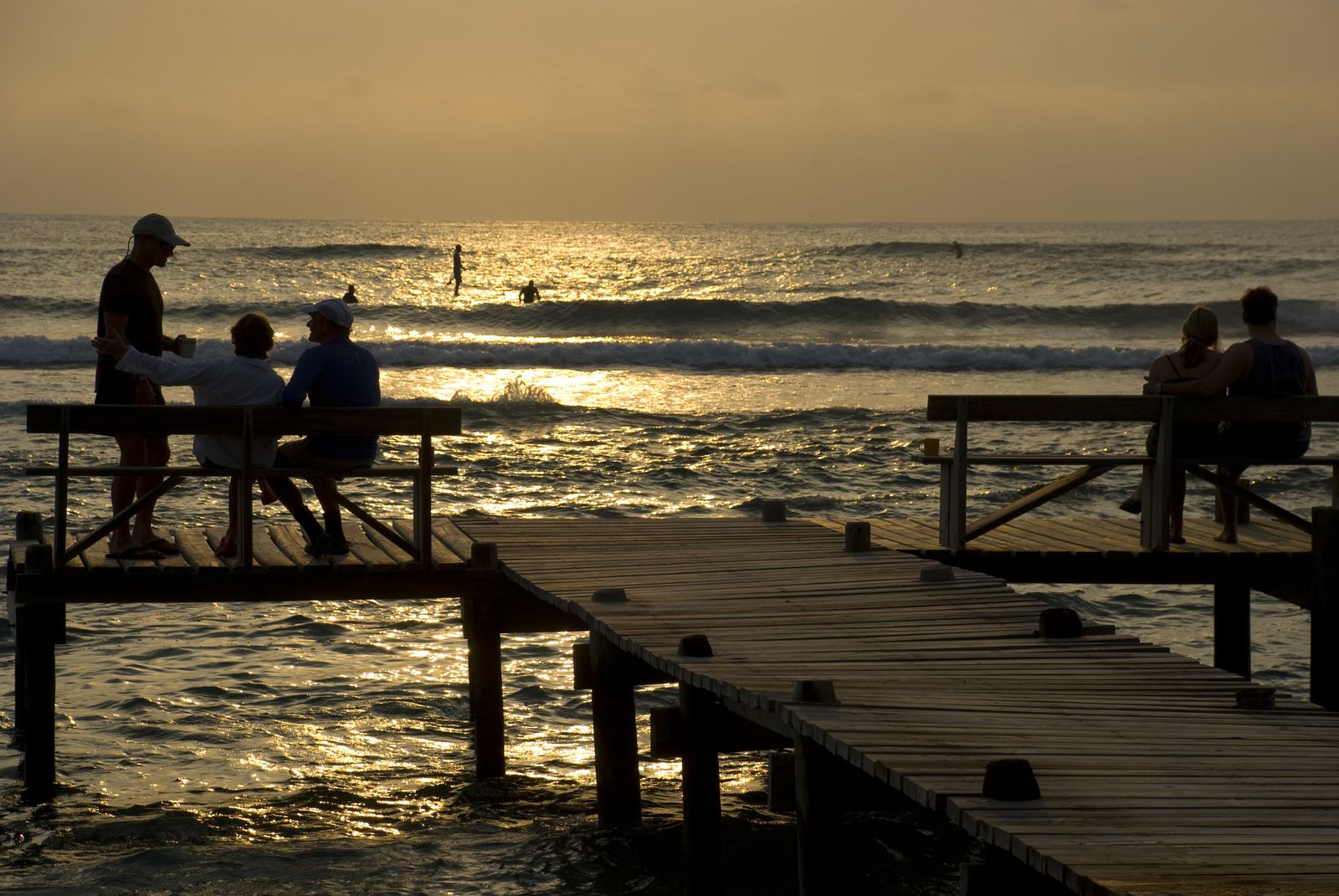
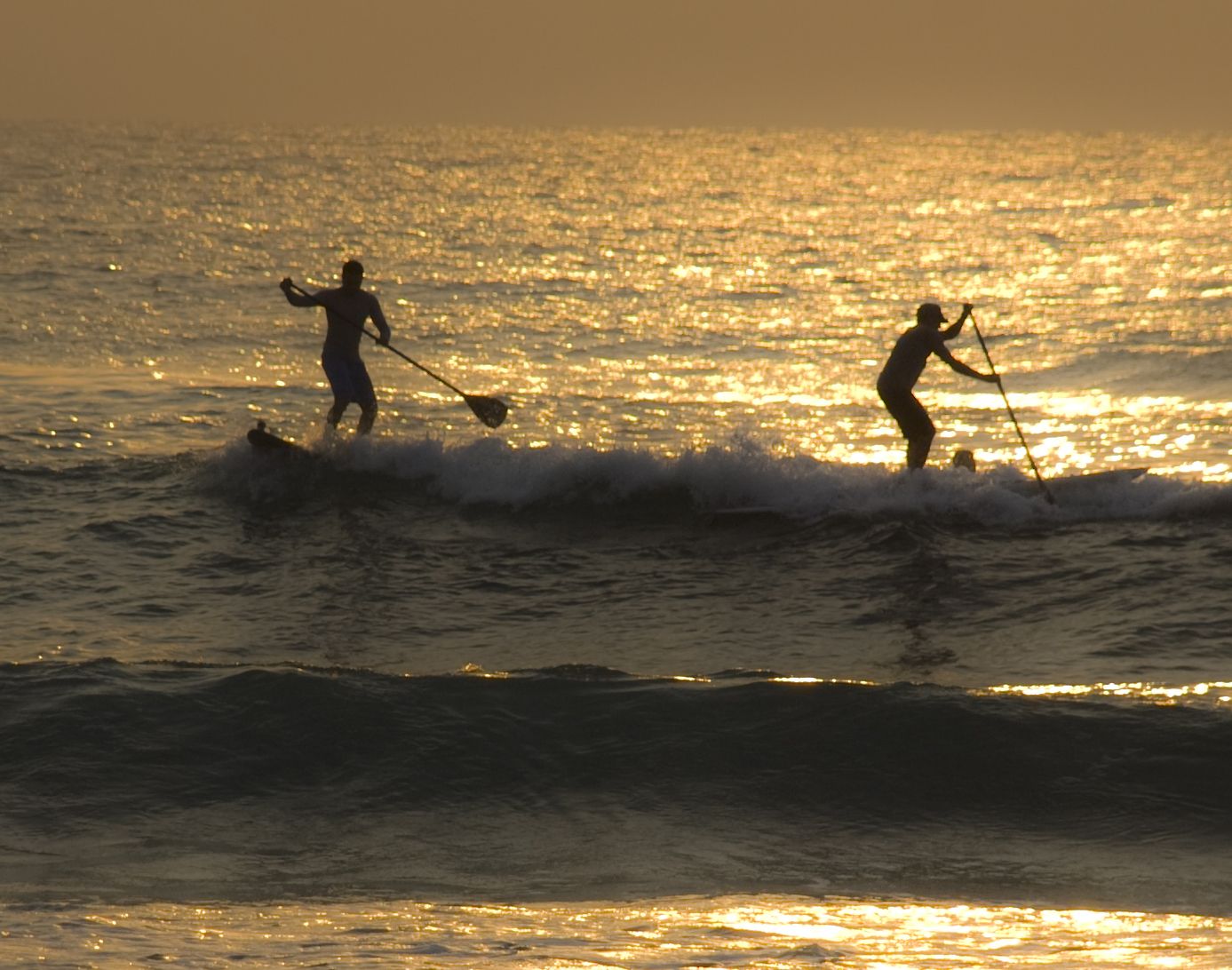
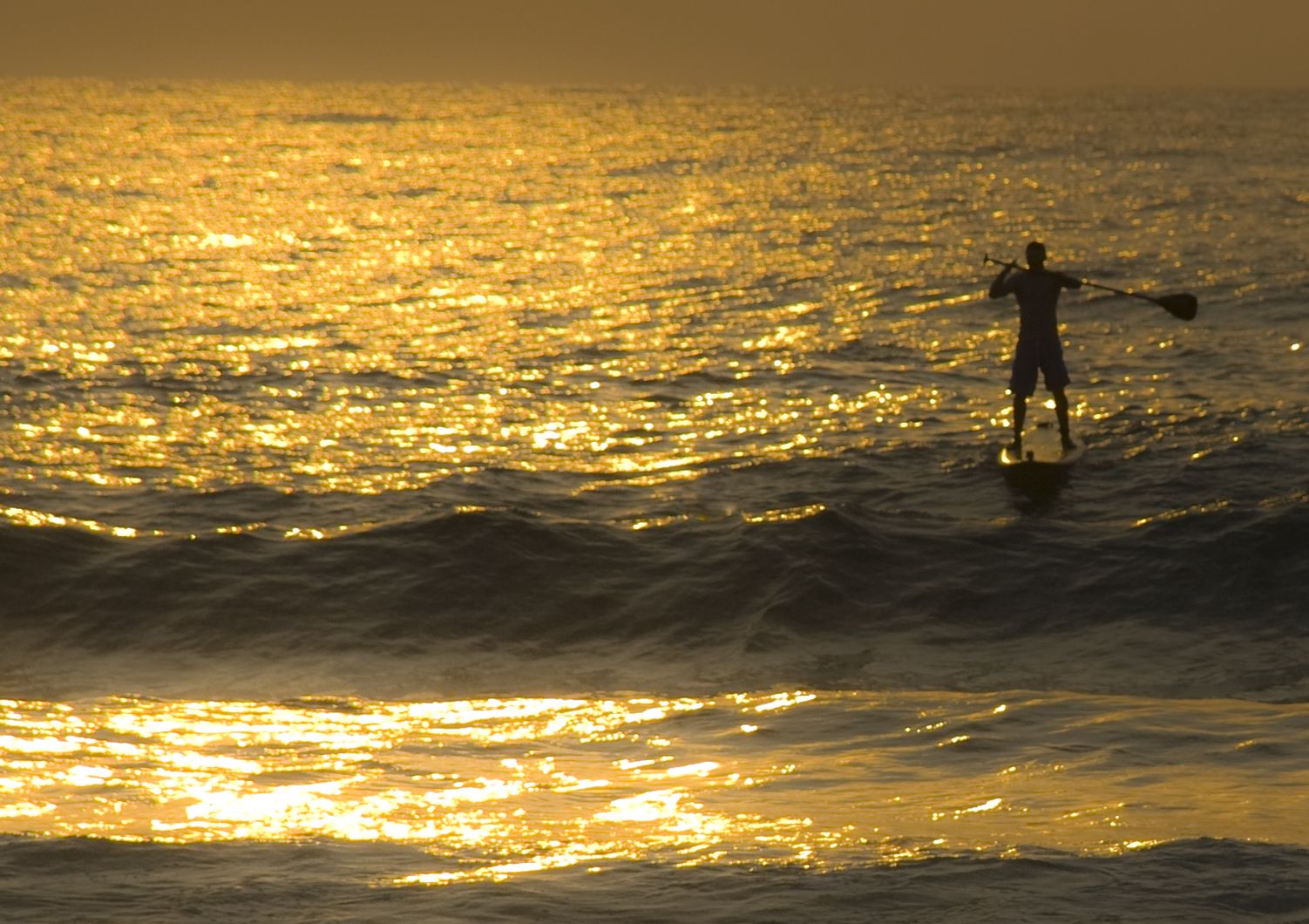
(Belize, 2010. More photos are here. And yet a third “Golden Hour” post is here.)
Posted in Nature, Photography, Sports
Tagged Photography, postaweek, postaweek2013, Stand Up Paddle Board, Surfing, The Golden Hour, Weekly Photo Challenge
By Vladimir Brezina
Ailsa’s travel-themed photo challenge this week is Simplicity.
A block of wood is very simple—


Posted in Nature, Photography
Tagged Abstract, Photography, postaweek, postaweek2013, Simplicity, Travel, Weekly Photo Challenge, Wood
By Vladimir Brezina
This week’s Photo Challenge is The Golden Hour.
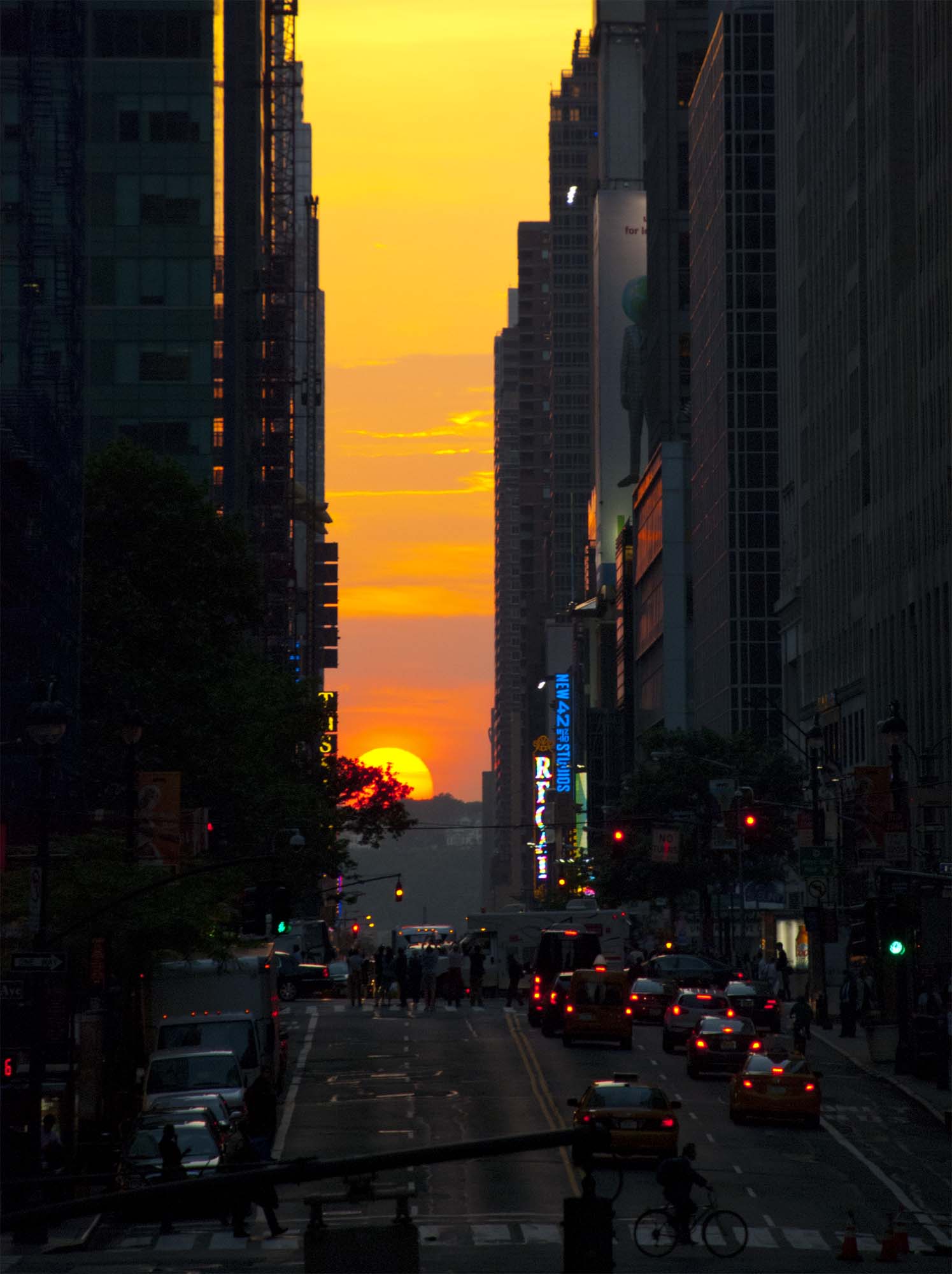 When I saw this week’s theme, I thought, how timely! For today (and tomorrow) is the second round of this year’s Manhattanhenge, the culmination of a very special golden hour in Manhattan. (Here are the photos from the first round of Manhattanhenge in May, and from 2011.) And I was going to urge all New Yorkers reading this post to go and see it. And even-out-of towners—you’ve still got a few hours to get on that plane so as to be in Manhattan by 8: 23 PM EDT ;-)
Unfortunately, a solid overcast, with occasional showers and thunderstorms, is forecast for both today and tomorrow. Indeed, as I write this, the rain is already beginning.
It will be a wash.
So, instead, here is another golden hour that I remember fondly.
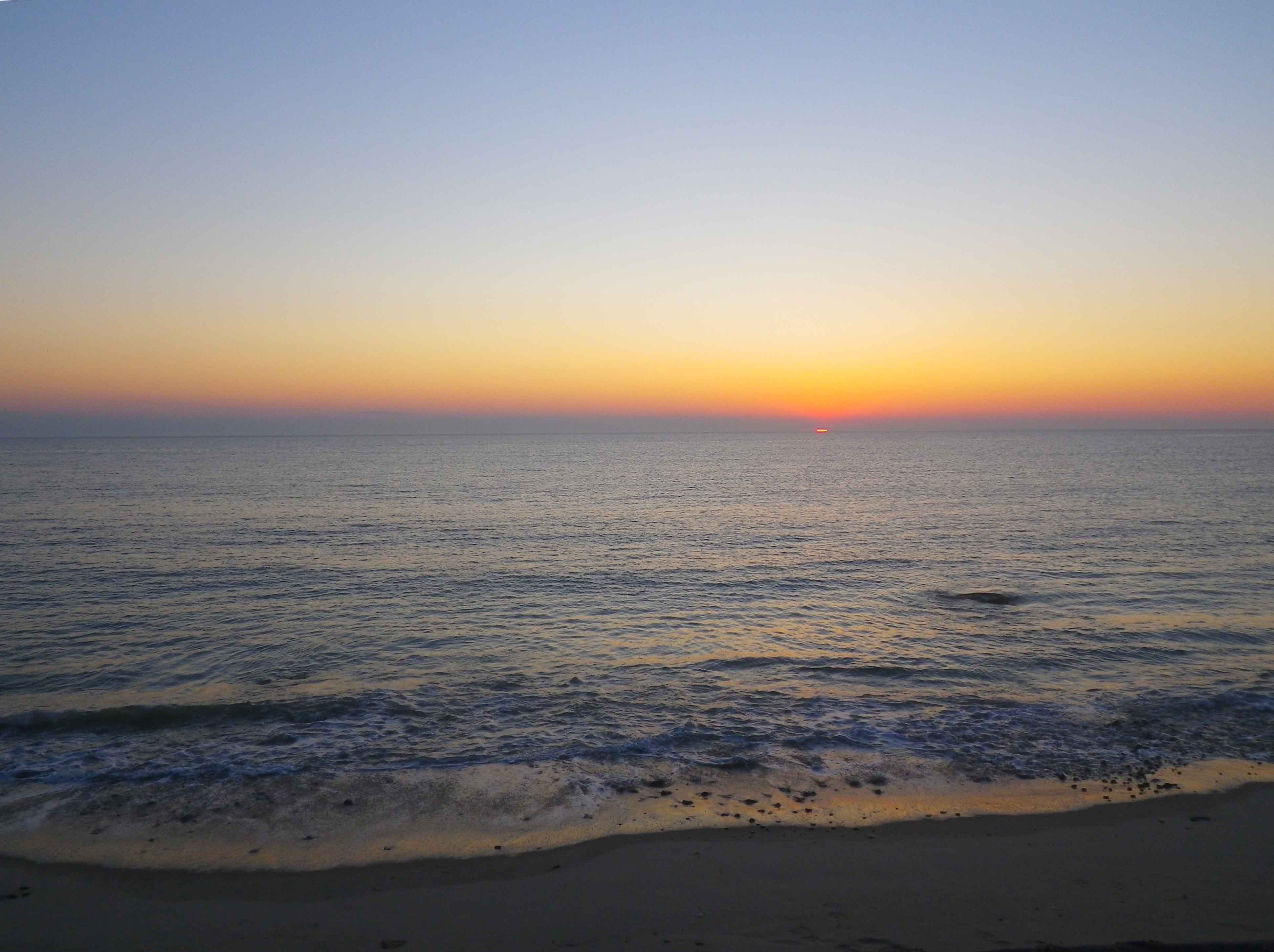
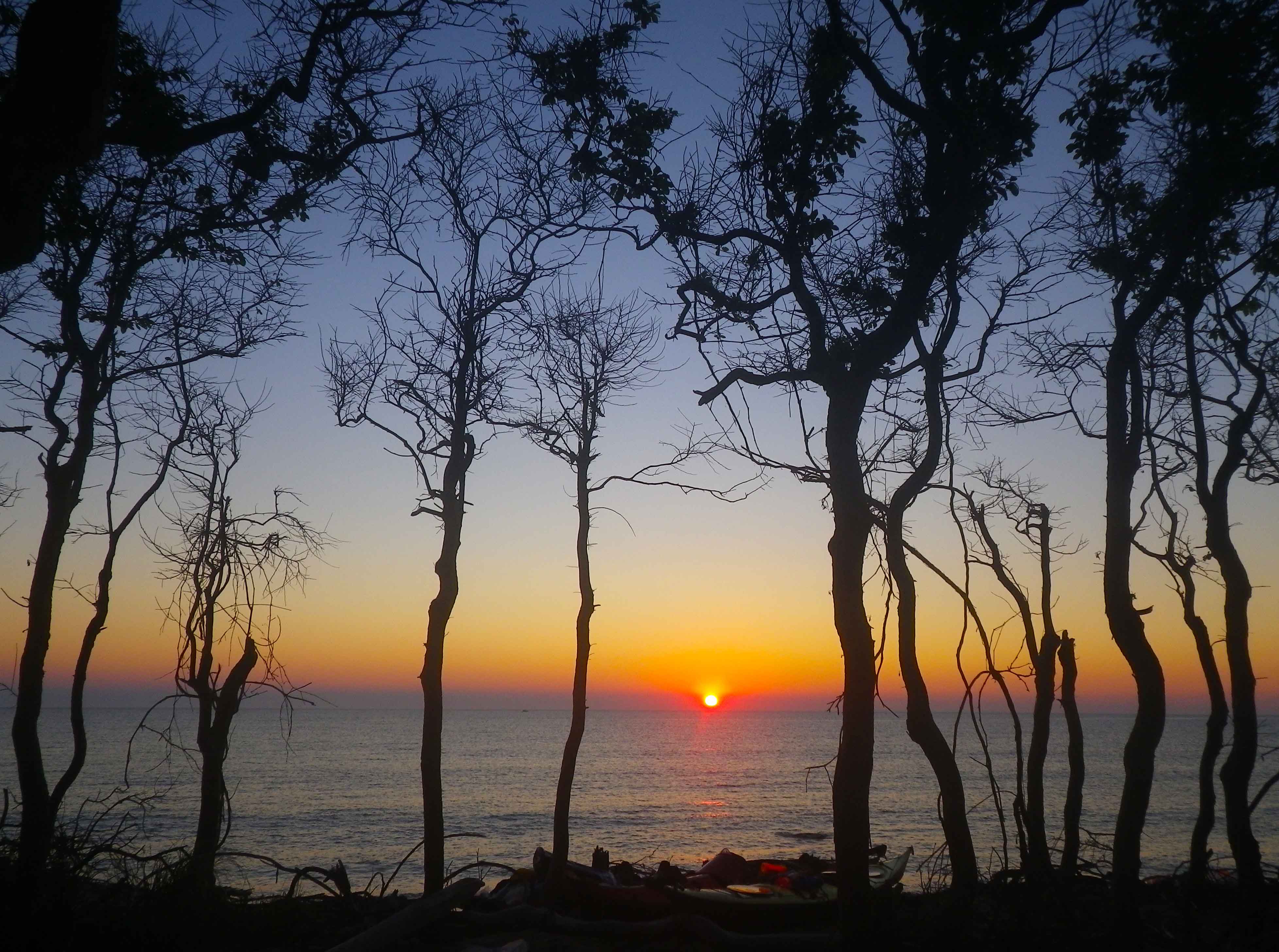


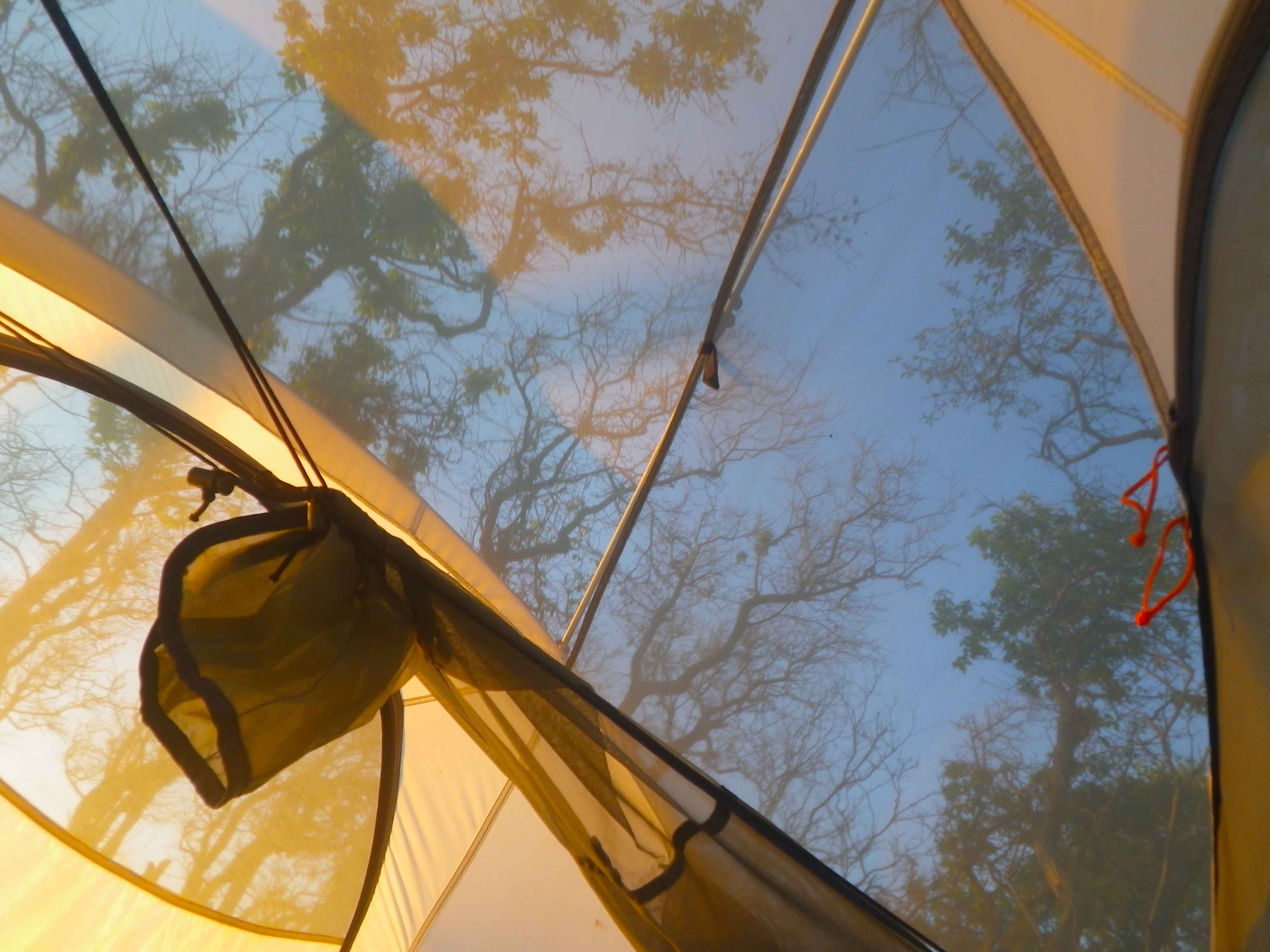
It was last summer, during our kayak circumnavigation of Long Island. We were camped at the easternmost point of Long Island, at Montauk, in a grove of trees that faced the rising sun. The light that flooded our camp that morning was truly golden. And equally golden was the extra hour of sleep that we allowed ourselves that morning after our exertions of the day before…
<— Previous in Photography 101
This the fourth installment of Photography 101.
By Johna Till Johnson
Photos by Vladimir Brezina
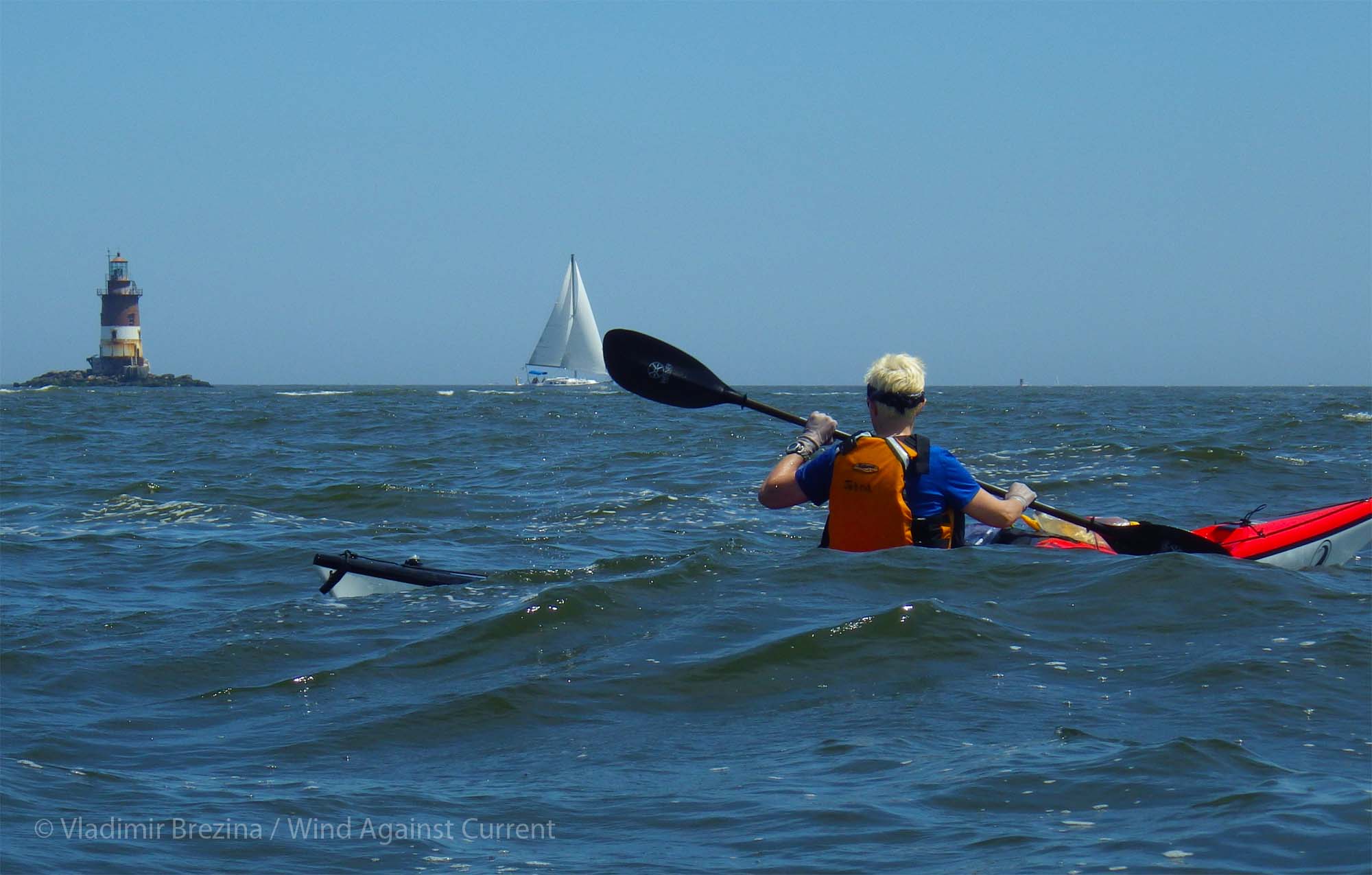
Yesterday was a perfect summer’s day.
Well, if your definition of “perfect” includes placid weather, blue skies, and hot sunshine. Mine does—if I’m on the water and can cool off with a roll or two. Vlad is not so happy in the heat—and prefers more exciting “conditions”. As you’ll see, we both got our preferences…
We decided to go for a long trip—“long” being anything more than 30 nautical miles—not something we’ve done much of lately. The currents dictated it would be to Sandy Hook and back, returning after dark—again, a pleasant change of pace.
And the conditions were calm—a light breeze from the south, which would be in our faces on the way down, cooling us down, then helping us along on the return.
Well, not “helping”, exactly. As you’ll hear…
By Johna Till Johnson
Photos by Vladimir Brezina
Even though I’ve now passed the BCU three-star exam, I’ve decided to spend this summer working on boat-maneuvering skills. Truth is, while I’m pretty strong at some aspects—like group management, comfort in wind and waves, and basic navigation—I could use some improvement in boat-handling.
So a few days ago, I was practicing sculling for support in the Pier40 embayment.
Sculling for support entails putting the boat on edge, leaning out over the water, and staying upright by slowly sweeping the paddle blade back and forth parallel to the side of the boat.
My friend Adam is fantastic at it—he can lean out almost horizontal to the water. Me, not so much. But I’m learning.

Sculling for support: lean and sweep
Part of the challenge is that to do it correctly, you really need to send the boat off-balance. As one of my coaches put it succinctly, “If you want to know whether you’re doing it right, stop sculling. If you capsize, you were doing it right.”

To do it right, you want to be out over the water…
It’s kind of an interesting maneuver, because it’s strictly intentional. Unlike bracing, turning, or rolling, you don’t do it as a reaction to a particular incentive, like being about to capsize, needing to change direction, or having actually capsized.
You have to make the choice to scull for support.
And when do you choose to scull for support?
On our recent Manhattan circumnavigation, I found myself wondering exactly that. We had just passed the Battery and were in the lower East River, where the shift in currents, combined with the wakes of ferry boats and other commercial vessels was making the water exceptionally choppy, as usual.
“Hmm…” I thought to myself. “When would I actually use sculling for support?”
Obviously, the purpose of the stroke is to stay upright while stationary in treacherous water. But when might that particular scenario arise? As a sea kayaker, I’m usually focused on moving forward.
And that goes double in treacherous water. Momentum equals maneuverability—my natural response to instability is to paddle the boat faster so I can get maximum maneuverability.
When would I possibly want to simply remain upright in place?
Just then, Vlad called called out, “Hold up! Let’s wait until the ferry docks!”
And there I was, attempting to remain stationary in three-foot waves.
The lightbulb went off. When, indeed?
I immediately started in with my newly-practiced skill, and stayed comfortably upright while the ferry did its thing.
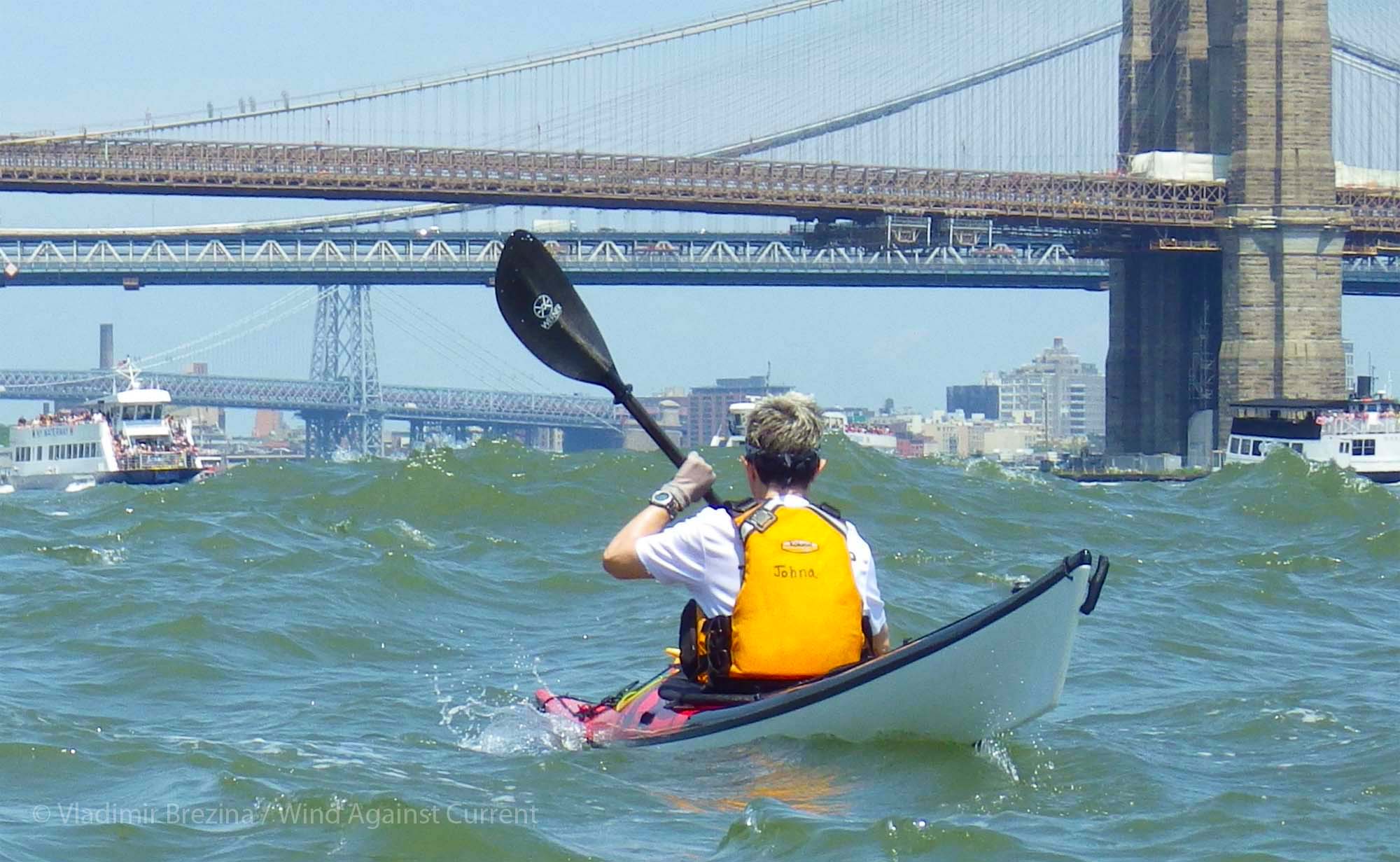
Holding for ferries…

… in three-foot chop
Funny: All these years I knew in the abstract what sculling for support was for. But it took until that day to recognize when to use it!
Posted in Kayaking, New York City
Tagged Kayak Technique, New York Harbor, Photography, Sculling, Sea Kayaking
By Vladimir Brezina
Ailsa’s travel-themed photo challenge this week is Motion.
In expectation of what will likely be a hot summer here in NYC, here’s some cool, refreshing beach motion from last year—


On the Jersey Shore, August 2012.
Posted in Photography, Sports
Tagged Beach, Motion, Photography, postaweek, postaweek2013, Surf, Travel, Weekly Photo Challenge
By Vladimir Brezina
This week’s Photo Challenge is Nostalgic.
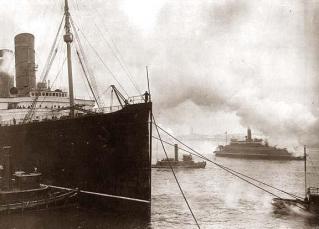 Kayaking through New York City’s waterways and becoming aware of the maritime traditions of the harbor, it’s hard not to become nostalgic about its bygone days, reflected in the numerous wrecks of ships, some of them over a hundred years old, that lie here and there in the harbor.
A case in point is the Binghamton, a 1905 steam ferryboat—the last of many—that has reached her last resting place, as it now clearly is, on the New Jersey side of the Hudson at Edgewater.
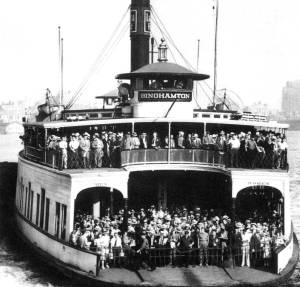 The Binghamton operated as a cross-Hudson ferry, making a mile-long trip back and forth between Hoboken and Manhattan, continuously from 1905 to 1967, when the last ferries were forced out of business (until their recent renaissance) by competition from the Hudson tunnels and the George Washington Bridge.
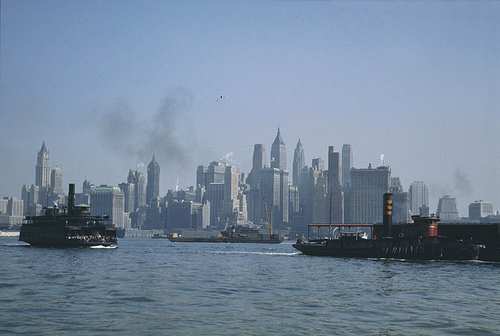
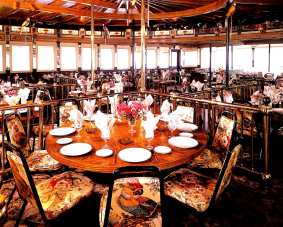 Binghamton was then converted into a floating restaurant. The restaurant closed in 2007, and since then Binghamton has awaited a new use.
From Wikipedia:
The Binghamton is significant as possibly the last surviving steam ferry still afloat built to serve New York Harbor, the birthplace of commercial steam navigation, the birthplace of the double-ended steam ferry, and an area whose development was profoundly shaped by the introduction of vessels of this kind.
Indeed, The US Department of the Interior added Binghamton to the National Register of Historic Places in 1982.
Bill Lee has written a loving, detailed essay on her history, and Tugster has posted a series of photos (here, here, and here) that give a good idea of her interior as it was until quite recently.
Bill Lee’s essay ends when Binghamton‘s future still looked promising. Unfortunately, in 2011 Hurricane Irene greatly accelerated her progressive deterioration, and last year Hurricane Sandy finished the job. Binghamton no longer floats, but is resting on the bottom.

Every time we paddle past, we see greater decay. Now an entire side of the boat is down, giving us dramatic views into the inlaid wood and stained glass of the interior—all ruined now. Water sloshes back and forth through the interior spaces with each passing wave.
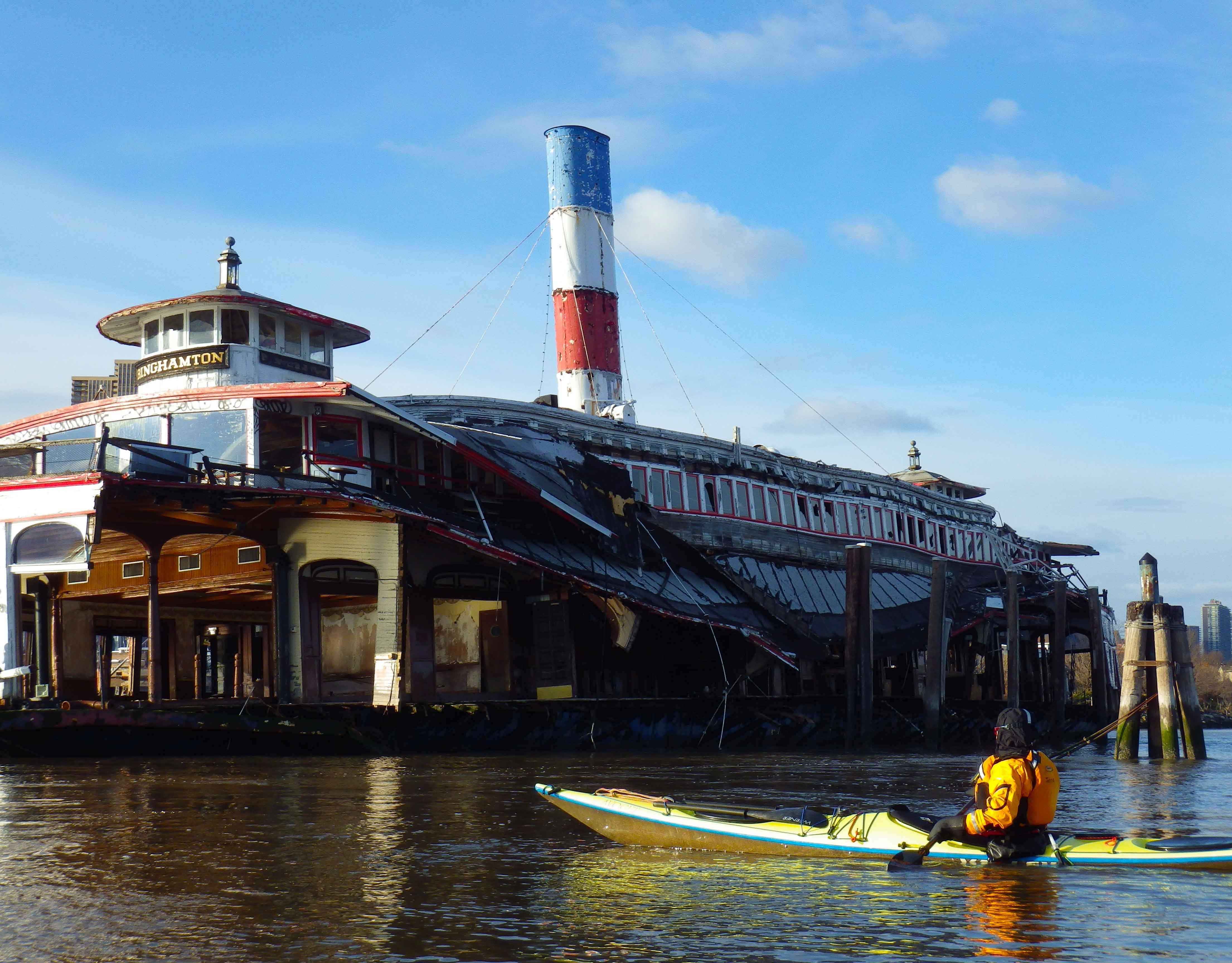
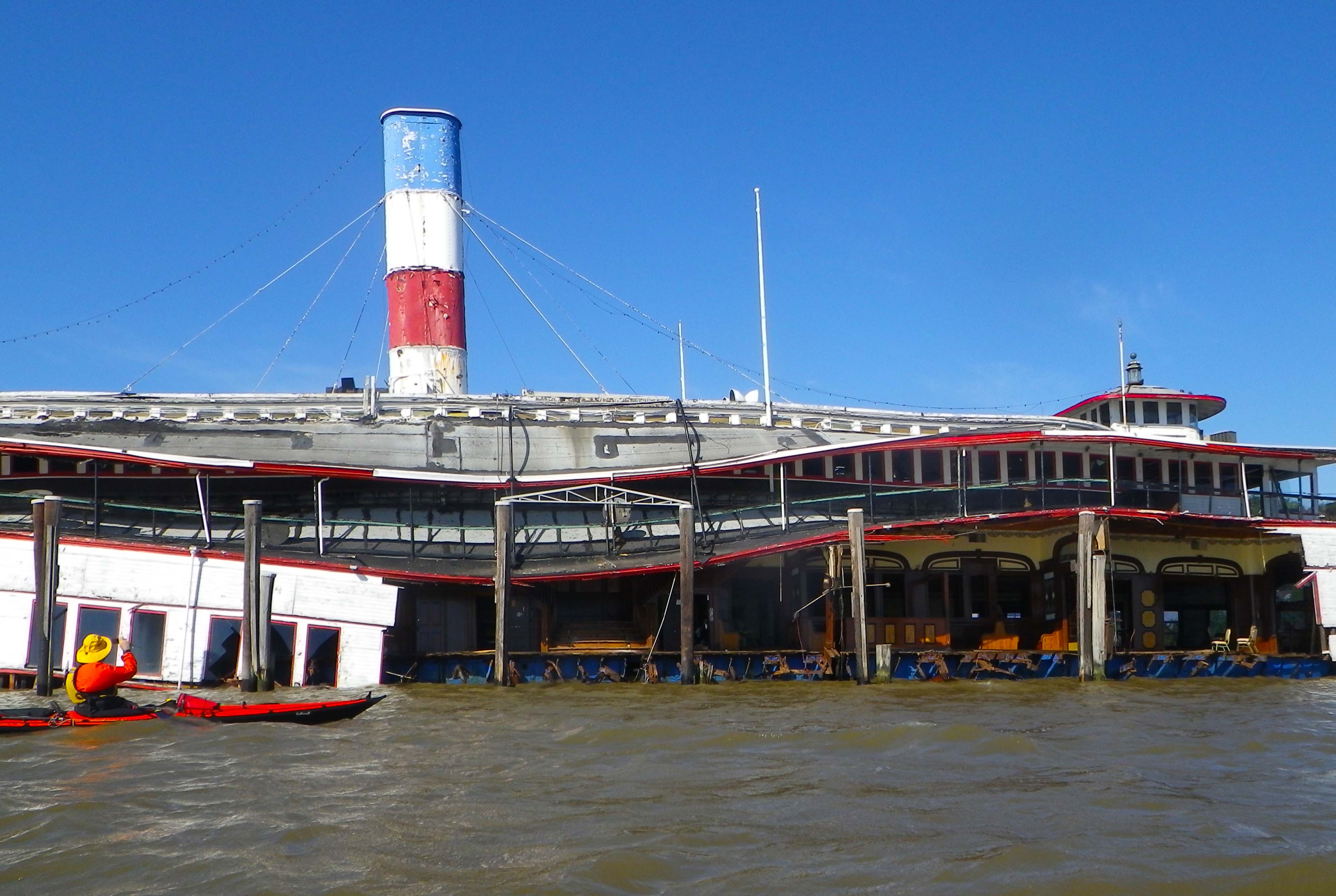
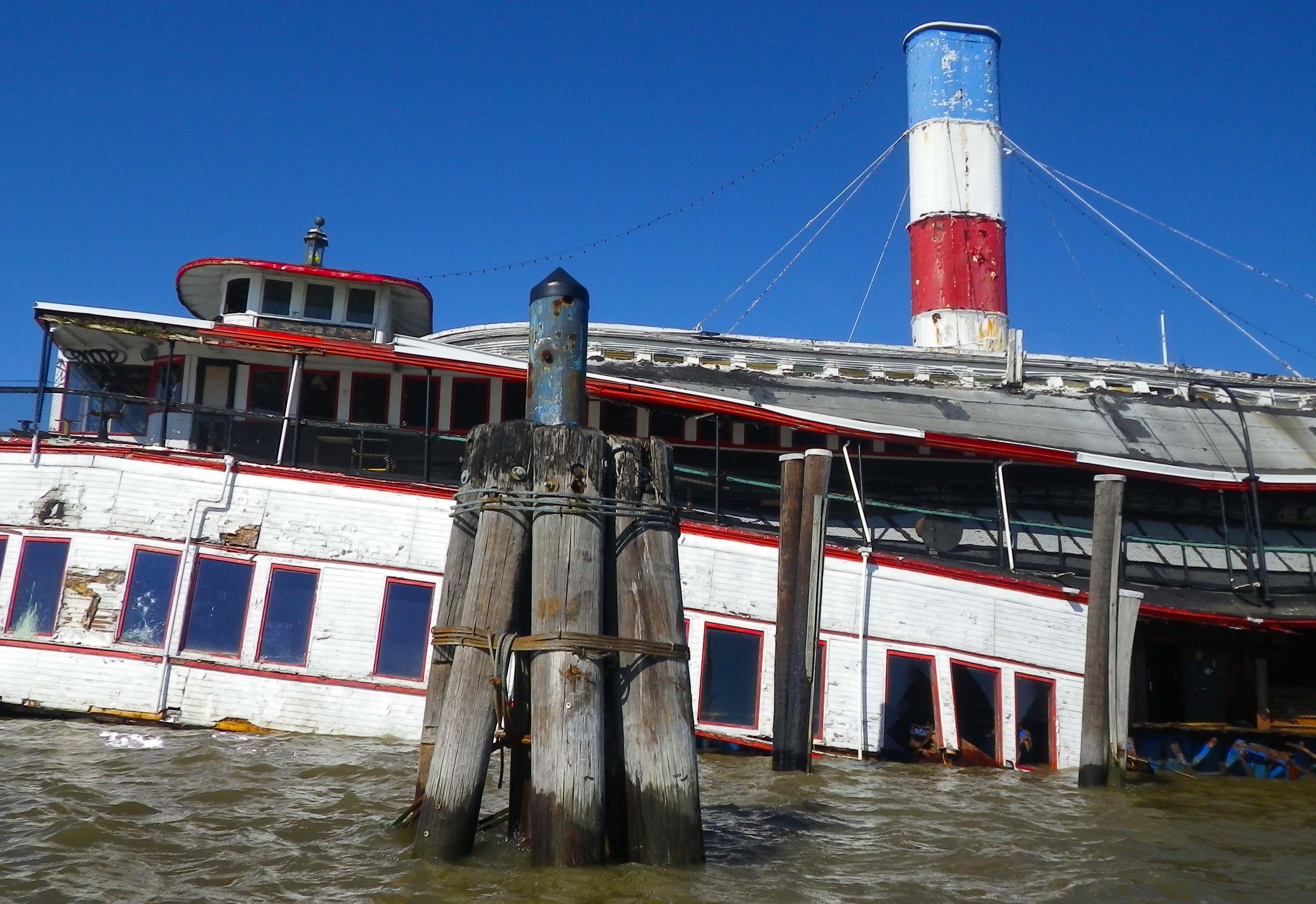
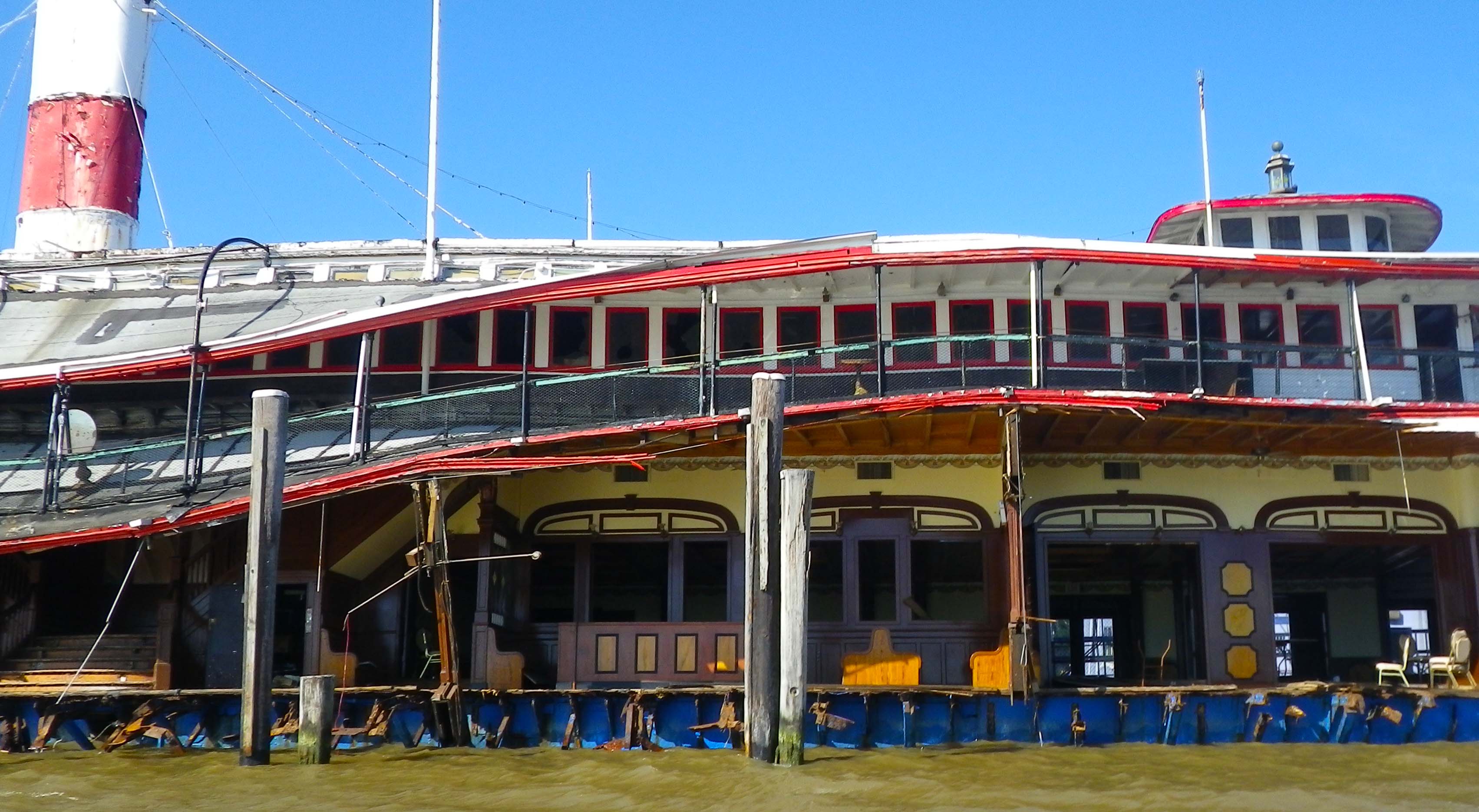
A reminder of the transience of beauty…


... kayaked the waters around New York for more than 15 years in his red Feathercraft folding kayak. He was originally from (the former) Czechoslovakia and lived in the U.K. and California before settling down in New York. He was a neuroscientist at the Mount Sinai School of Medicine in New York City. He died in 2016.

... is a kayaker and technology researcher at Nemertes Research. She's an erstwhile engineer, particle physicist, and science fiction writer. She was born in California and has lived in Italy, Norway, Hawaii, and a few other places. She currently resides in New York City.
 | Johna Till Johnson on Where We Like to Land on Sandy… |
| Canada to Key West P… on “A Bizarre Boating … | |
 | Eunice Miller on A Meditation on Gratitude |
 | Harry on A Meditation on Gratitude |
| Johna Till Johnson on A Meditation on Gratitude |
| Harry Itagaki on A Meditation on Gratitude |
 | Love is still the an… on Travel Theme: Signs |
 | David McLean on Where We Like to Land on Sandy… |
 | davidloh24 on Endless Reflection |
| Paddle Log: North Mo… on Circumnavigating Monomoy | |
 | Brian on Long Island Kayak Circumnaviga… |
 | Andi the Slime on Yellow |
 | Mark S on The Dry Salvages |
 | Dudi on Everglades Challenge, the Days… |
 | Francie Chew on The First Leg! |

 Wind Against Current