Tag Archives: New York City

A Meditation on Gratitude

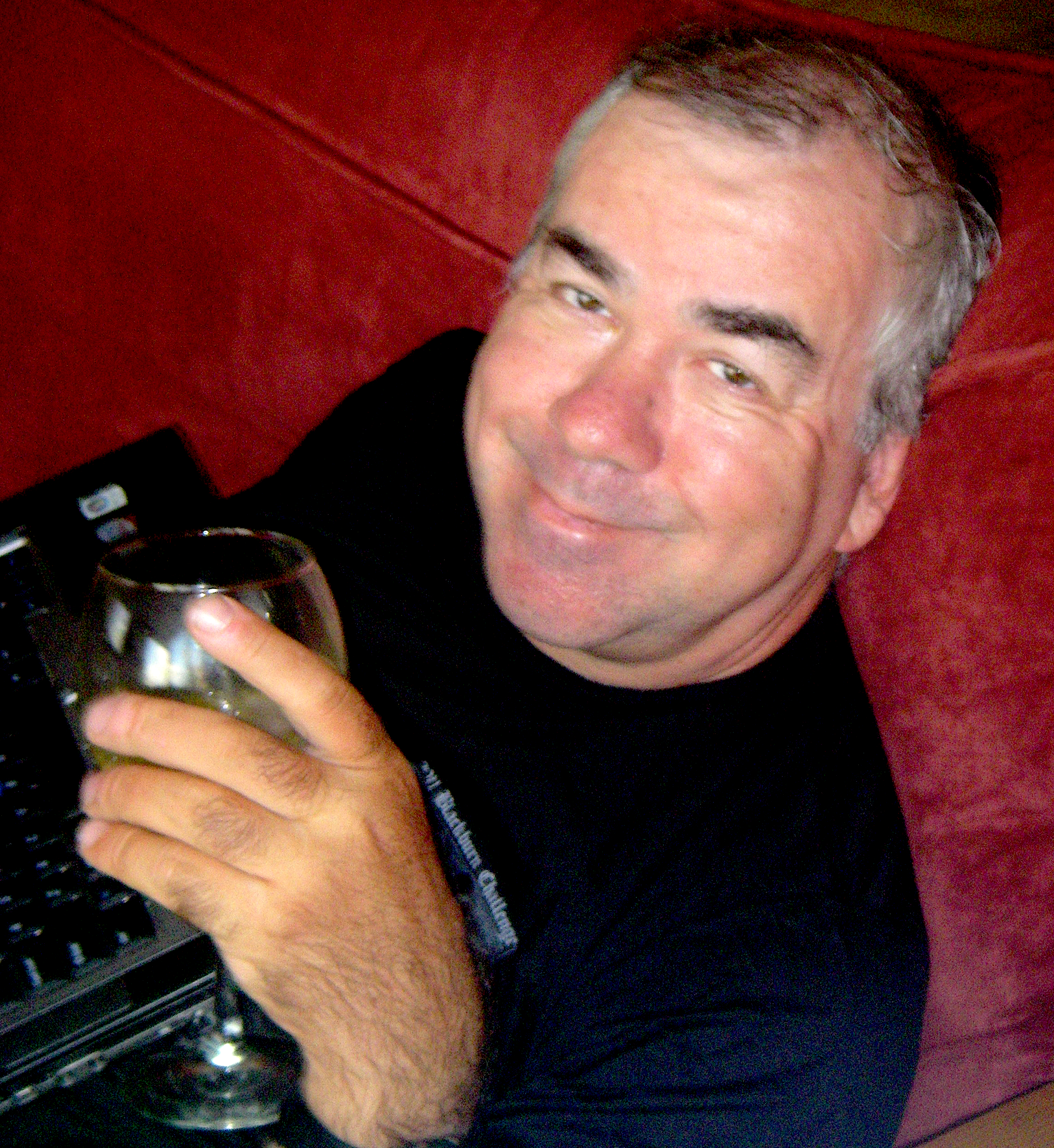
Vlad in his happy place (ca. 2011)

By Johna Till Johnson

“Vlad, what language are they speaking?” I asked. The young couple in the sick bay next to us were murmuring softly to each other in a language I couldn’t quite grasp. Germanic, I guessed, from the “ya’s” and “nein”’s.

“Yiddish,” he replied, and it suddenly all made sense: Orthodox. From what I could glimpse through the fluttering curtain separating her bed from Vlad’s, the woman was young—no more than early 20s–and conservatively dressed in a long dark skirt and blouse.  I hadn’t been able to see him, just a glimpse of dark clothing and a warm, low-pitched voice.

She’d arrived around five AM. We were awakened by her screams—desperate wails of pain that didn’t sound like they came from an adult, sentient, human.  At first I thought it was a child, or someone suffering from dementia. But in between the screams, she begged coherently for pain medication.

It must have arrived eventually, because she quieted. Then I heard her say, in a normal voice, evidently to a nurse, “I’m sorry. I’m not usually such a bad patient. But the pain was so bad…”

I wondered briefly what was wrong with her. And in a more mercenary vein, I wondered if there was a way to get a chair such as the one her husband was sitting on, on their side of the curtain.

It was early in the morning on Thursday, November 6th. We’d arrived in the emergency room the night before, at the urgent request of one of Vlad’s oncology nurses.

I had been sitting in the living room, digging through a pint of ice cream in lieu of dinner.  It had been a long day, and I was exhausted. I was just waiting for Vlad to finish his dinner so I could give him his shot and get some sleep.

I heard the phone ring, and Vlad pick up. He started talking to the person at the other end, and my ears pricked up—we didn’t get many phone calls at 9 PM; usually they were automated reminders of appointments.

“High levels of potassium,” I heard. Immediately I put the container of ice cream down and ran into the bedroom, where I listened in.

The urgency in the nurse’s voice was palpable. Vlad had had his blood test that morning, to confirm he was ready to re-initiate chemo on the upcoming Monday. We already knew some of the results, because we’d visited his GP immediately afterwards, and she’d delivered the happy news that his blood hemoglobin was on the rise.

But now something was wrong, very wrong. High potassium levels, we gathered from the nurse, was a sign of potential kidney failure. Worse, they could trigger an immediate and fatal heart attack.

“You have to go to the emergency room immediately,” Paola said. “We’ll figure out what’s causing it, but we have to bring those levels down right away.  You don’t have to go to our emergency room (Mt. Sinai’s). You can go to the local one.”

“Mt. Sinai is local to us,” Vlad said with a chuckle. “We live just 10 blocks away.”

“OK,” she said, stressing again that we had to go immediately. She said the doctor would “blue-slip” Vlad’s admission, to cut through the red tape at triage and make sure he was treated right away.

I quickly packed a small bag, annoyed at myself for not having a checklist for trips to the emergency room. After all, it was our third visit in two months—we should have the drill down by now.

What to bring? Food? Pillows? I settled on extra sweaters (it was a warm night, but it’s always cold in emergency rooms), laptop, phones, and some books. (Later I built out that checklist—other things to include are blankets, snacks, water, eyeshades and noise-cancelling headphones).  Then I quickly brushed my teeth to remove the ice-cream scum.  It might be a while before I could brush them again. The nurse had said we’d be in the ER for a few hours at least.

It turned out to be a lot longer.

We arrived around 9:15, and true to Paola’s promise, made it through triage in record time. Soon we were sitting in a row of chairs inside the ER proper, waiting to be seen.

Or rather, Vlad was sitting. I was standing, because there was no room to sit. In fact, there was no room anywhere. Every bay was full, and gurneys packed the aisles.  Even the chairs were full—Vlad snagged the last one.

A nurse came to redo the blood test (since there was a possibility the first one had been mistaken—blood-potassium tests can be somewhat unreliable). She took the blood away and we waited for 45 minutes, maybe an hour.

I spent the time searching online for high potassium causes and treatments, and discovered some intriguing information that I wanted to ask the doctor about. But …where was the doctor? Vlad had been there almost an hour, and nobody had come by to see him, other than the nurse who drew blood. The oncology nurse had stressed that he needed to be seen urgently, yet nothing was happening!

I went off in search of a white lab coat. Fortunately, the doctor came over immediately and apologized for the oversight, explaining that the ER was particularly chaotic that night.

We discussed the situation. The doctor confirmed the potassium was still high, and then said,  “The thing is, we don’t know what’s causing the high potassium.”

“Could it be the lisinopril?” I asked, based on my web research. I was referring to Vlad’s blood pressure medication. One of the rarer side effects was an impact on kidney function. The doctor’s eyes lit up, “Good call,” he said.  “It very well could be.” Fortunately, Vlad had stopped taking that medication already—with the approval of his GP—so if it were the cause, he should be getting better soon.

But that was a discussion for later. For now, the plan was to get IV saline infusions to bring the potassium levels down to a non-life-threatening level. One of the nurses brought over a pole with an IV drip, and the infusions began.

The problem was, the ER was so crowded that there was still a wait for a gurney.

As we waited, one man in particular caught our eye. He was tall and burly, with graying hair and blue eyes. He wore blue scrubs indicating he was one of the support and operations staff, but carried himself confidently and had a calm and steadying manner with the patients as he delivered oxygen tanks and answered their questions.

After a while we noticed that the other staff—even, occasionally, doctors and nurses—seemed to rely on him to know what was going on, and even defer to him occasionally.

“He seems like he’s running the place,” Vlad commented. And indeed he did, possibly because he was older than the mostly-30ish staff.

“Where do you think his accent’s from?” Vlad asked me rhetorically, because it was obvious: “Russia,” I said promptly.

Sure enough, when the man stopped by to let us know a gurney was on the way, he inquired about Vlad’s name and background. Vlad reciprocated, and it turned out that the man–whose name was Sergei—had been born in Ukraine when it was still part of Russia.  

“He was probably a doctor back in Russia,” I said, half-jokingly. “Could very well be,” Vlad replied in all seriousness, noting that he’d had a laboratory tech with advanced degrees back in Russia. Because the United States didn’t recognize the Russian medical system, people who came over in the 1980s and 1990s often ended up working in jobs adjacent to their original professions, but at a much lower level.

Former doctor or no, Sergei became our guardian angel for the next few hours. Once he located the gurney, he suggested I stand guard over it while Vlad went to the bathroom, because the gurneys were in high demand.  And he would wander over to check on us every now and then.

Initially, while we waited for a bay to come free, the gurney was in a row of four lined up on the open floor of the ER. There were very few chairs, and no room for one anyway, so I sat on a corner of Vlad’s bed. We both had books, but little desire to read, so we passed the time by watching the controlled chaos of the ER.

By around 2 AM, one of the bays came free, and we were happy to note that it was a “corner” bay, meaning that there was a wall on one side, instead of curtains on both. Definitely top ER real estate!  Sergei wheeled the gurney in, and moved the IV.

We were settled in our new home—though we had no idea how long we’d be there. The doctors had indicated that if the tests showed Vlad’s blood potassium was coming down, he’d be discharged to go home.  If it wasn’t, he’d be admitted to the hospital. And who knew what would happen after that? I tried not to think about the possibilities—kidney damage, dialysis, wait-listed for a transplant…

“Maybe the third time will be a charm,” I said. The last two times we’d gone to the ER, we’d gotten bad news: First, Vlad’s cancer diagnosis, and second, emergency surgery for a ruptured intestine. Maybe this would be the time we’d escape relatively unscathed.

At any rate, there wasn’t much else to do, and noplace to sit. So I crawled onto the gurney beside Vlad, and we both fell asleep.

We were awakened a few hours later by the frantic screams of the young Orthodox woman in the bay next to us.  Fortunately (for her far more than for us) the pain medication seemed to work, and the screams were replaced by her soft murmurs in Yiddish. Once we figured out the accent, we both drifted back off to sleep.

We woke again a few hours later, when Vlad’s doctors arrived. The news was good, but not great: Vlad’s blood levels had improved, but not enough for them to send him home.

“We’re admitting you,” the doctor said flatly, meaning to the hospital.

 Vlad’s face fell, and I realized how much we’d both been counting on being allowed to go home in the morning. But at least they didn’t seem to think the kidneys were permanently damaged.

There was yet another twist as I discovered after venturing out for breakfast. I wasn’t sure I’d have enough time to eat before he was moved to a hospital room, so I checked with the nurses. One rolled her eyes at the question. “You won’t be going anywhere soon, honey,” she said. “The wait for a hospital bed is 24 to 48 hours.”

One to two days?! Well, that certainly left me enough time for breakfast!

So I went down to the cafeteria and savored some quiche and sausages, and best of all, strong hot coffee. (The Mt. Sinai cafeteria is actually surprisingly good, with a wide variety of fresh food.)

Back at Vlad’s bedside, I noticed the young couple next to us was gone—temporarily, it appeared, as their belongings were still on the bed. The chair I’d noticed earlier now stood empty against the wall.

I sat down right away, and plugged in my laptop to the power strip along the wall. As the morning progressed, I read and Vlad alternately read and dozed, as the saline solution continued to course into his arm.

The young couple reappeared, and I stood up. “Here’s your chair back,” I said to the man. Like many Orthodox men, he appeared both younger and older than he probably was, his fresh, unlined face and gentle eyes a contrast to his severe clothing and erect posture.  He could have been as old as 30, or as young as 20.


“No, no,” he demurred. “You keep it.”

“No, it’s yours,” I insisted.

“We will share,” he said firmly, and gestured to me to sit down again.

So I sat back down and read for a while. Then Vlad announced he was hungry.

This was a positive sign! Vlad’s appetite had been returning slowly since the surgery, but the rate of increase appeared to be accelerating.

He’d eaten breakfast—both our breakfasts, actually—a few hours before, when an orderly delivered two sealed boxes each containing a dry sandwich, water, and an apple. (I was amused to note that the seal indicated the contents were kosher.)

No lunch appeared to be forthcoming (I found out later why). So I suggested that I pick up some lunch for us both from the cafeteria.

We shared a picnic of fried chicken and salad (for me) and sandwich, pudding, and juice (for him) on the hospital bed.  Then we had a long afternoon of reading and dozing, with the curtains closed. “It’s like being in a tent,” Vlad commented.  And in a way, it was—urban camping. But instead of the dramatic forces of nature, we were surrounded by human drama.

The young couple next door once again left for tests, and returned. The young man repossessed the chair while I napped, chatting with his wife in Yiddish. The sound was strangely peaceful and lulling.  

Then the doctors came by for a discussion, which of course was in English.  I couldn’t help but overhear, since they were inches away, separated only by a cloth curtain.

They asked her if she’d ever had surgery. “I had two ceasarians,” she said in her gently accented English, with an unmistakable note of pride.

So young! I thought, and wondered who was caring for the children. They couldn’t possibly be very old.

Then they explained her condition: kidney stones. Just the thought made me wince.  The pain was terrible, but they had medication for it. Hopefully she wouldn’t end up in such horrible pain again.

And then they said the magic words: “We’ll be sending you home later today!” My heart leapt with happiness for them.

“Oh good,” the man said.  “Do you know when?”

“It usually takes a little time to process the discharge papers,” the doctor said.  (That, we would find out, would turn out to be the understatement of the year.)

“I see,” the man replied. “I am hoping… we are hoping… we have a wedding to go to tonight.”

Everyone chuckled. “We’ll do our best,” the doctor said. I thought of the joy of a Jewish wedding (I’ve been to a few, though never Orthodox) and hoped the young couple would be able to make it.

They stayed for a surprisingly long time. At one point, when the young man was gone, I was returning to Vlad’s gurney and saw her sitting up in bed. “I hear you’re going home,” I said.

“Yes,” she replied, with a radiant smile.

I smiled back. “I’m so happy for you.”

“Thank you!”

It felt good to have a connection with her, and with her husband who so decently shared the chair (and who despite my many urgings, never once asked to use it when I was in it).

Dinner was another “hospital picnic” from the cafeteria. The young couple departed, and the bay was left empty for a while, to be replaced by a large Hispanic family. The rules dictated one visitor per bed, but the staff tended to look the other way, and this patient had at least two or three visitors, chattering away animatedly in Spanish.

 I dozed for a bit. The curtains were closed, and the background noise from the ER floor was loud: Machines beeping, people talking, patients moaning. But over all of it, I could hear someone speaking rhythmically. A man’s voice, deep and gravelly. Reciting something, it seemed. The accent was pure New York, but the cadence was strangely familiar.

“As it was in the beginning… is now and ever shall be… world without end, Amen.”

It was the Glory Be, I realized. One of the canonical Catholic prayers, often recited as part of the Rosary. And sure enough, the man moved on to the Our Father and the Hail Mary.  I’d heard those prayers thousands of times in my childhood.

I found myself reciting silently along with him, the words and phrases appearing as if by themselves on my lips. And then I drifted off to sleep again…

I was awakened by the arrival of Vlad’s night nurse, Leilani, a slight, ebullient young Filipina with a kind demeanor. She introduced herself, changed his saline solution, and said she’d return in a bit to check on him.

Sergei reappeared, too, on his second twelve-hour shift. “You guys still here?” he asked incredulously. We nodded. “You are the most patient man in the world,” he said to Vlad.

He was right—patience is one of Vlad’s strong suits—but there didn’t seem to be anything else to do.  Complaining wouldn’t get him a hospital room that didn’t exist, and he was getting the treatment he needed. Plus, he wasn’t in pain—in fact, he was feeling better than at anytime since the surgery.

The evening wore on, and even Sergei acknowledged he was tired. On a rare break in his duties, he leaned on a stool and chatted with us. He’d only gotten an hour or two of sleep himself, thanks to a busy schedule and the gridlocked traffic outside.

Then Leilani appeared. “You should go home and get some sleep,” she said to me. My friends had been urging the same thing, via email.

But I worried that if Vlad were moved to a hospital bed during the night, I wouldn’t be able to find him. So Leilani kindly gave me the ER main desk phone number to call if I needed to know where Vlad was.

Of course, Vlad had his phone with him and could easily send me email if he was moved—in my sleepy state, I’d forgotten that. At any rate, I took everyeone’s advice and went back to the apartment for a few hours of restful sleep.

I set the alarm for 6 AM but surprised myself by waking up a few minutes early. There was an email from Vlad, sent moments ago: “Surreal night… going to draw blood soon… latest I heard, if potassium and creatinine are lower, I can go home… but we’ll see…”

“Surreal?” That sounded interesting. 

I showered, made coffee, and packed up, optimistically packing Vlad’s new boots (which had arrived the day before) in the hopes that he’d be released soon.   One of his feet had been a bit floppy after the surgery, and the physical therapist had suggested wearing ankle boots to stabilize it.

Vlad also said he was hungry, so I brought cheese, crackers, yogurt and juice (remembering the dry breakfast of the day before). And, come to think of it, that had been the last food they offered us in the ER….

After Vlad had finished breakfast, he told me the story. Apparently it was a good idea that I’d gone home, because the ER had gotten even more chaotic overnight, and Vlad had gotten very little sleep.

At one point, he woke up to the rolling cadences of a southern-accented sermon. One of the patients, a black man who said he was a preacher, had launched into a sermon about Aaaron and Moses, in traditional call-and-response style.

 It was surprisingly good, Vlad said, and the ER “congregation” had listened approvingly, even the doctors and nurses.  

There were a few other stories, but that was the best one. I thought about the ever-changing range of cultures and religions packed into that room: Eastern European, Hispanic, Filipino, Orthodox, Catholic, Evangelical…

Overnight, the Hispanic family had left, and the bay next to ours had been occupied by an elderly black woman. She occasionally moaned in pain, and seemed a bit disoriented. Poignantly, there was no one beside her.  

She was neatly dressed, with strikingly well-cared-for nails in a becoming coral color. And she returned my smiles as I came and went, though we didn’t speak.

I was sitting beside Vlad reading when I heard a doctor come by. He was young, male, and obviously trying to be kind. But he clearly didn’t understand human dynamics.

“Do you have any family?” he asked the woman. I couldn’t hear her reply.

“Daughters, sons, brothers, sisters… Is there anyone with you?” he asked again.

Ask her who does her nails, I thought. They had clearly been done with love and attention. She seemed both too ill to have done them herself, and too frugal to pay for a professional manicure.  Find out who did her nails, I thought, and you’d find out who was standing in as “next of kin”.

But that detail evidently escaped the doctor, who was growing frustrated. Finally he just broke the news he’d come to deliver: “That leg is looking very bad. It’s going to have to come off. Do you hear me? We are going to have to amputate.”

My heart stopped, and Vlad and I looked at each other with shock. Vlad’s eyes crinkled with empathy.  “Probably cancer,” he whispered. “Or diabetes,” I said.  He nodded. We both winced. What a horrible way to find out: alone and in the ER. The only saving grace was that it wasn’t clear whether or not the woman understood him.

That wasn’t the only down note of the day. We’d been in the ER nearly 36 hours by this point, and the mood seemed to have grown bleaker somehow. More patients were moaning or screaming in pain—or at least it seemed that way to me. The staff was as attentive as possible, but the constant onslaught of human misery was draining.  One woman asked me for pain medication. I explained I was just a visitor, but she begged me to call a nurse, so I did—thinking all the while how difficult it must be to be bedridden, in pain, and alone.

I was happy to note that a visitor had finally arrived for the woman in the bay next to us: A young black woman, very poised, with an ethereal sense of calm. I couldn’t figure out her relationship to the older woman, but I was gratified by her first question: “Who did your nails?”

“See?!” I said triumphantly to Vlad. “She gets it!”

Her presence evidently soothed the older woman, who started speaking more coherently and animatedly than she had in hours. I wondered again if she understood about the amputation.

I was just about to get some breakfast when Vlad’s medical team appeared, with joyful news: He was to be released. Although his potassium was still a bit high, the kidneys were functioning normally. He would need to keep drinking water and get another blood test before the chemo, but otherwise he was fine. All they had to do was submit the paperwork.

This was great news. It was almost 10, and I figured we’d be out of there in 30 minutes. An hour at the outside.

“It might be longer than that,” Vlad warned, reminding me of the conversation with the Orthodox couple. “I can’t see why,” I retorted.

I soon learned, and began to understand something about the medical system that was, well, surreal.

After a half hour of waiting, I went to check with the discharge team to see what was going on. They told me they couldn’t discharge him without discharge paperwork. And nobody in the ER could issue that paperwork!

Apparently, once Vlad had been “admitted” to the hospital the day before, he was no longer the responsibility of the ER medical team. Although he was physically present in the ER, his care was the responsibility of his regular doctors. That’s why we hadn’t been offered meals—we weren’t the ER’s responsibility (though a few kind nurses checked in to make sure we were eating).

And the ER doctors couldn’t submit the paperwork to release him. That had to come from his own medical team—which had gone back to their rounds, believing that he was already released.

We were in limbo. And for the first time, I began to get frustrated. Mt. Sinai had a highly sophisticated online medical records system—yet they couldn’t discharge him unless a physical doctor physically showed up?

His doctors were off caring for patients—why should they have to come back just to issue some paperwork?

One of the ER doctors stopped by, just to check in.

I now knew that he could do nothing, but told him the situation anyway. He asked Vlad’s daytime nurse—a young blonde woman named Laura—to page his medical team. She’d already done so, it turned out, repeatedly. With no answer.

Another hour drew by.  I checked with the nurse. Still no response. By now it was 11:30.

“That’s it, we’re leaving.”  I said. “I have work to do, and this is ridiculous. We’ll leave now, and they can sort out their paperwork later.”

“No,” Vlad retorted angrily. “You leave. I’ll stay.”

“I don’t have time for this, and neither do you. We will do whatever they tell us if it’s a matter of medical treatment.  But I’m not going to sit around here while you’re not getting treatment, and should have been home, just for a bureaucratic snafu.”

We finally agreed that I’d walk over to his doctor’s offices, just a half-block away, and see if there was anything they could do.

Vlad’s doctors were as surprised as I was.  They thought we’d have been long gone from the ER, and said they hadn’t gotten any pages. Apparently there had been a communications gap between the ER and the physician’s assistant who was supposed to handle the paperwork. They volunteered to page her for me, and I headed back to the ER.

Whether coincidentally or not, she arrived a moment or two after I did—bearing the precious discharge papers. She apologized, and reiterated that she’d had no idea that he wasn’t going to be discharged immediately after she left.  She said she’d gotten no pages until the last one from the doctor’s office.

No matter. We were finally on our way.

And at 12:15 PM on Friday—39 hours after we’d entered, and nearly three hours after we’d been told we could go—we stepped out into the bright fall sunshine.

On the short cab ride home, I thought of all the people whose lives had crossed ours, and whose stories we’d been part of.

We hadn’t had a chance to say goodbye to Sergei, whose second shift had ended at 7 AM. I hoped he’d gotten some rest. The young Orthodox couple—had they made it to their wedding? The older black lady… I hoped someone was there to hold her hand when she woke up from anesthesia to discover she no longer had a leg. And the people whose faces we never saw, the man who recited the Catholic prayers and the preacher…

“I really hope we never have to go back there,” I said to Vlad. Three times in two months was more than enough for a while, and 40 hours in the ER had to be approaching some kind of record.

On further reflection, though, I realized the third time was a charm. We hadn’t gotten any life-changing diagnoses. And we couldn’t honestly say it was a bad experience. It wasn’t one we’d have chosen to have, or anything we’d like to repeat.

But for almost 40 hours, we’d been plugged into the lives of people—ourselves included—who were grappling with the fundamentals of human experience: pain, fear, faith, empathy, kindness. It left us feeling tired—exhausted—but also strangely alive.

Back at home, we were grateful to the point of tears for the little things: a comfortable bed, quiet environment, enthusiastic colleagues, and the generosity of friends who went above and beyond to deliver dinner (after we’d abruptly cancelled a planned visit).  Ordinary life suddenly seemed bigger, brighter, and more satisfying than we’d realized.
Sheltering at Sea, Part 3: Staten Island to Atlantic City

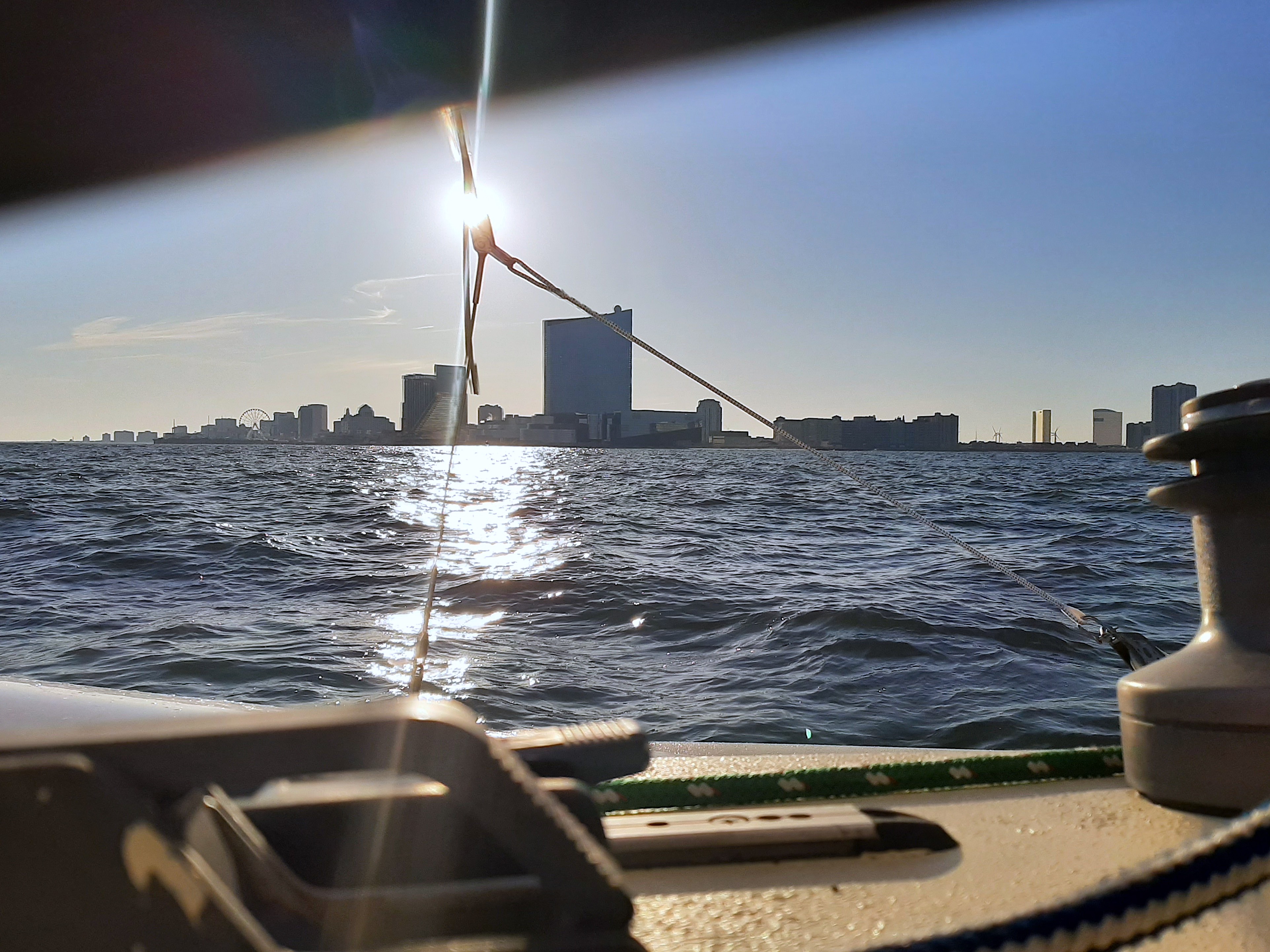
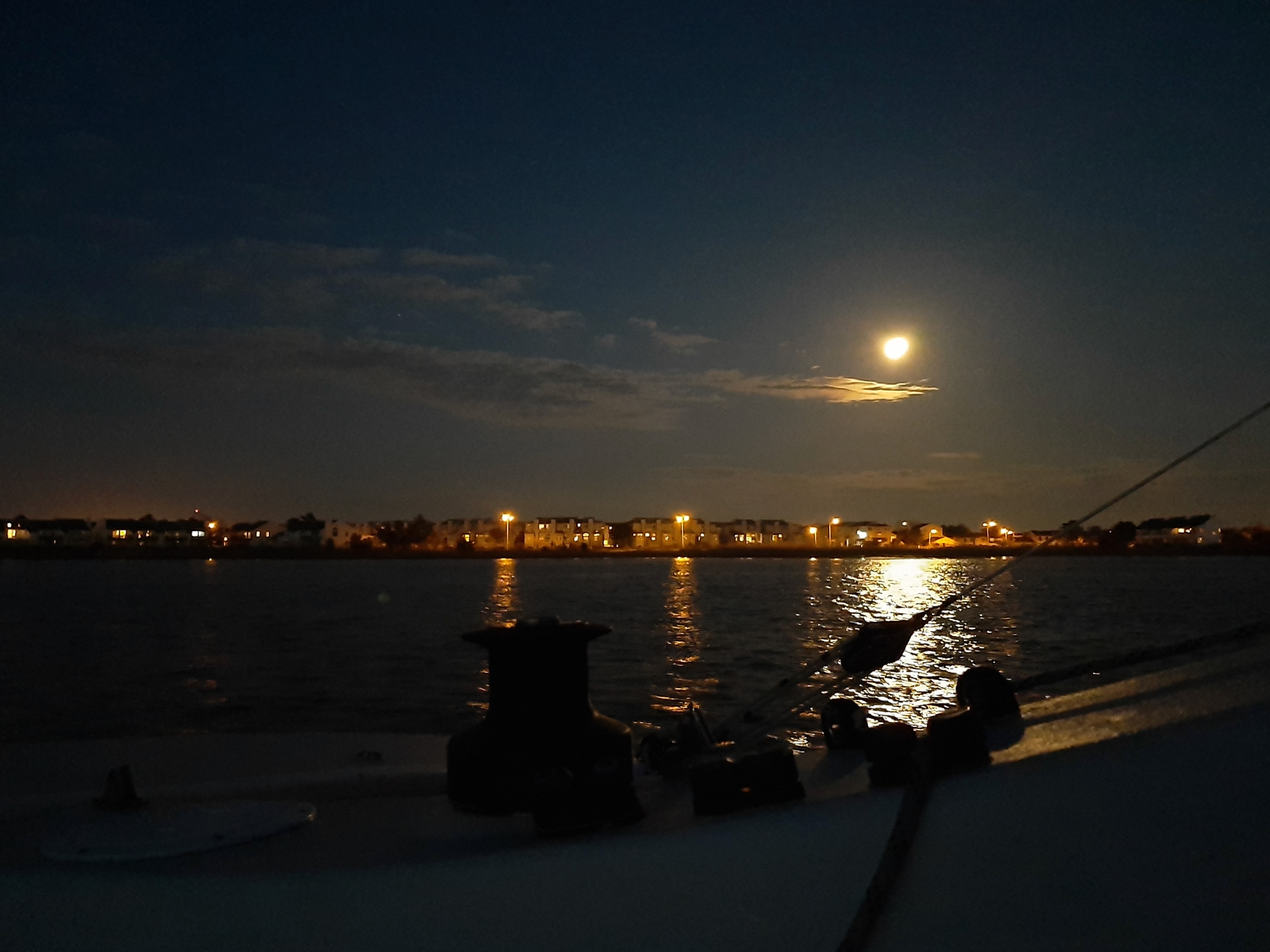
Moon over Atlantic City

Sunday, April 5, 2000 HR (8 PM)

It’s not too cold. I’m not wearing my wool cap, and my nose and hands are warm. I’m in the stern cabin. Through the thick plexiglass port I can see a blurry moon.

We’re starting our second night in Great Kills Harbor in Staten Island. We arrived midafternoon yesterday. To Vov’s delight, we were able to anchor in the same spot he’d kept Nemo. The mooring field is empty-ish; there were a few boats moored, but most haven’t come out of their winter quarters yet. We could see a few people in the spit of land surrounding the mooring field, but they were distant and far off.

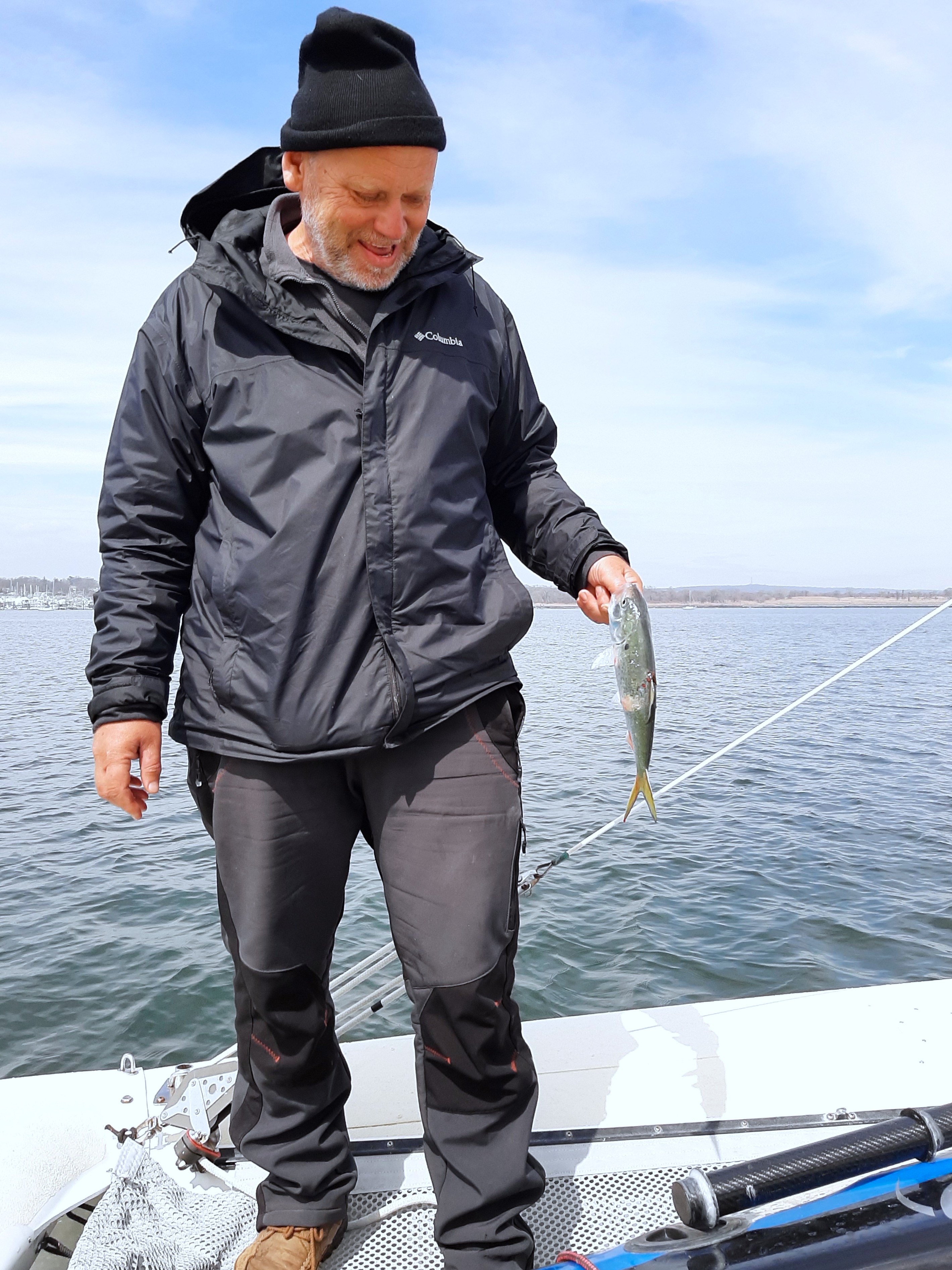
We used the time to catch our breath, and do some basic housekeeping. Vov fished, and caught five shad. We boiled them and ate them with mayonnaise. They were delicious, despite the mouthful of bones.

Fishing in Staten Island

It was surreal watching Vlad fish within the borders of New York City. Technically we didn’t need to, of course. We had plenty of food.

But it was a sort of test-drive for times to come… as was our laundry routine. Today was sunny, and we hadn’t had the opportunity to wash clothes for a week before we launched. So we washed laundry on the wings of the boat, and hung the clothes up to dry. To wash, we used buckets filled with seawater and biodegradeable soap, with our limited freshwater reserved for the final rinse.
Vov also repaired the rudder on my kayak; he’d brought his tools and fiberglass repair kit along with. Not something I would have thought of!

Meanwhile, I curled in my tiny cabin and worked. The aft cabin isn’t large enough to stand up in, although I can sit up straight (with crossed legs) in the middle, on the cushion that covers the entire floor. Most of the time I brace myself with my back against one wall and my feet against the far wall, balancing the laptop against my knees. It’s more comfortable than it sounds, and Mully often likes to crouch in the cave under my knees.
Today Mully explored the boat a bit more. He also ate (and by all appearances, greatly enjoyed) the shad. Now he’s with me in bed, alternately sitting on me, walking over me, and perched in very unlikely positions on the slanting walls.

Vov is asleep already in the main cabin.

We haven’t really talked about where we’re headed next, other than that the next sheltered anchorage is Atlantic City, a 90-to-100 mile straight shot down the coast. Vov thinks it shouldn’t be too difficult to do all in one go with the right wind, which should arrive very early tomorrow morning (between one AM and three AM). That sounds grueling, but he’s up for it; and not so long ago, during the Everglades Challenge, we were both sailing through the night as a matter of course. So he’s gone to be bed early to catch a few hours of sleep.

We both have a strong strong sense of urgency to get down south.

Staten Island to Atlantic City

Partly it’s the weather, which can be variable this time of year. Supposedly we’re getting snow again in the northeast, and high winds are on the way.

Partly is that we we won’t be into a really comfortable harbor until we’re in the Chesapeake Bay. And partly it’s the same uncanny premonition that’s driven both of us since before we met, the feeling that something bad was going to happen, and we needed to be prepared. What, exactly, that “preparedness” entailed we were still discovering. But heading south seems to be part of it.

Mully is restless. I need to let him out a bit more. But not just yet….

It’s quiet except for the sound of tires. Someone is driving on the spit of land close by. And the whir of the air vent that sounds like crickets.

The boat rocks in someone’s wake. It’s the last thing I feel before falling asleep.

Staten Island Sunset

Tuesday April 7. 2138 HR (9:38 PM)

Sound of tiller scraping across hull, lines slapping gently against mast. Beautiful full moon rising over the water. Wind blowing in background.

Yesterday was difficult. We sailed 95 miles from Staten Island to Atlantic City. It was sunny and clear (ish) but cold, with chop. Vov woke up and and launched at 0230 HR. I couldn’t sleep much after we launched, so I got up and tried to work. That didn’t go so well. I felt seasick staring at the screen, so I abandoned the attempt and clambered into the cockpit to keep Vov company.

We arrived in Atlantic City around 1730 and moored. It had been an… exciting ride. We’d averaged between 6 and 7 knots due south, but gone faster over the water when you factored in the jibing. (Jibing is like tacking, except you do it downwind, not into the wind). When the trimaran heels, only two of its hulls are in the water; the other one slices through the air above the waves. And (I would later learn), jibing is the most dangerous type of sailing. So all in all, it was.. exciting.

Today we rested. I worked (depleted all the batteries!) while V napped, showered, and strategized about the trip. For dinner tonight we had sardines and “rice salad” : Garlic, onion, corn, dill, rice, and mayo. I’m calm. Not yet sleepy. I work until midnight, until my laptop runs out of juice.

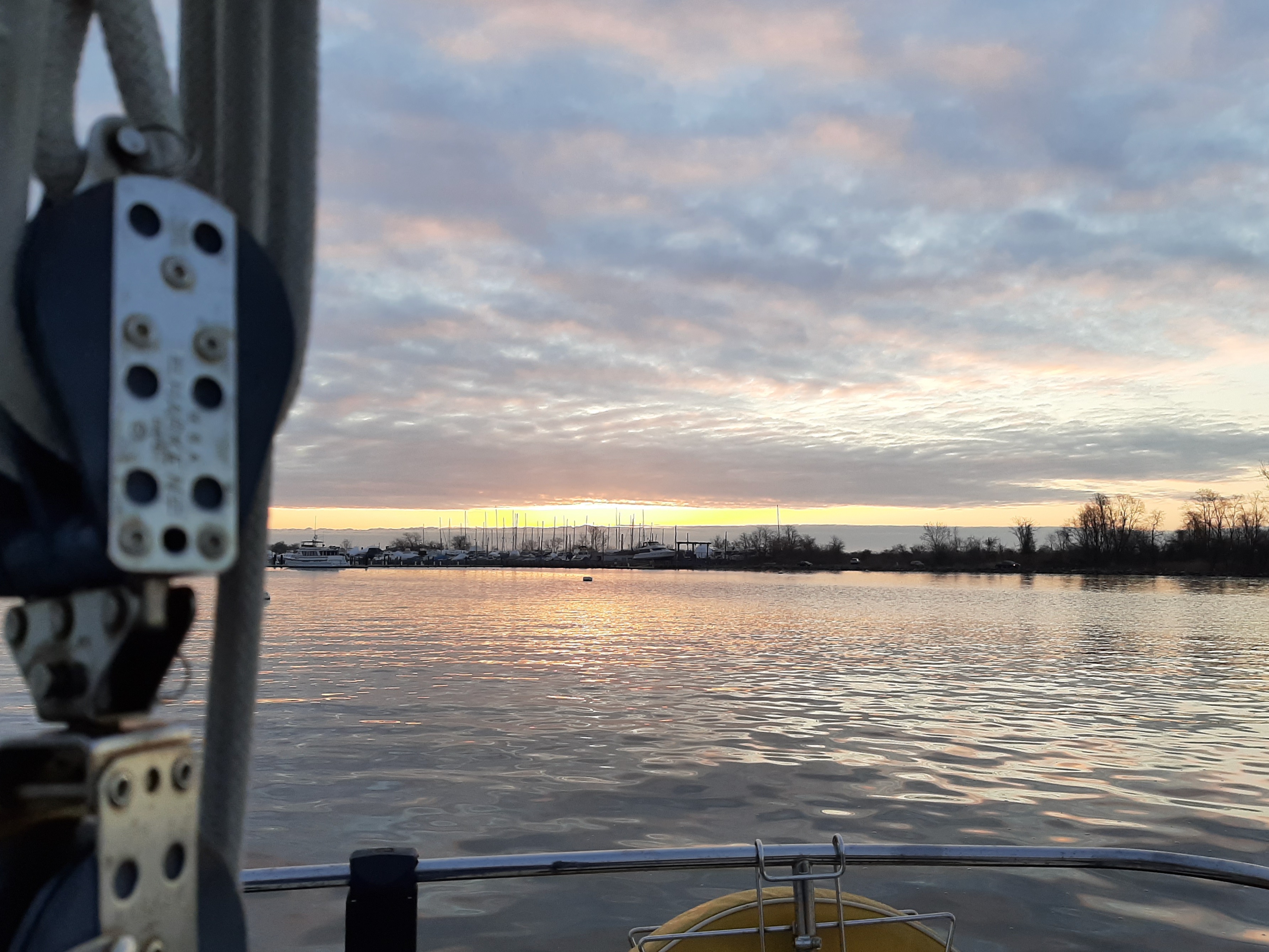
Atlantic City Sunrise

Weds April 8 0900 HR (9:00 AM)

Cool, overcast, light wind. Preparing to take shower, out on the wings. There’s enough privacy where we are anchored. To shower, we will heat water on the stove, and pump it through the 1-gallon manual pressure sprayer.

This morning when I woke up, there was a feeling of sunshine in the world beyond. Even though it was gray and cold outside, it felt like the sun was rising somewhere.

I felt Mully warm and solid against my stomach, a warm weight between my ribs and hipbone. He sleeps inside the sleeping bag in the mornings. We plan to sail to Cape May today, then anchor for a few days to wait out the winds.

A strong storm front is coming; 50-knot winds are predicted. It will be my first storm at sea (on a sailboat at least.)

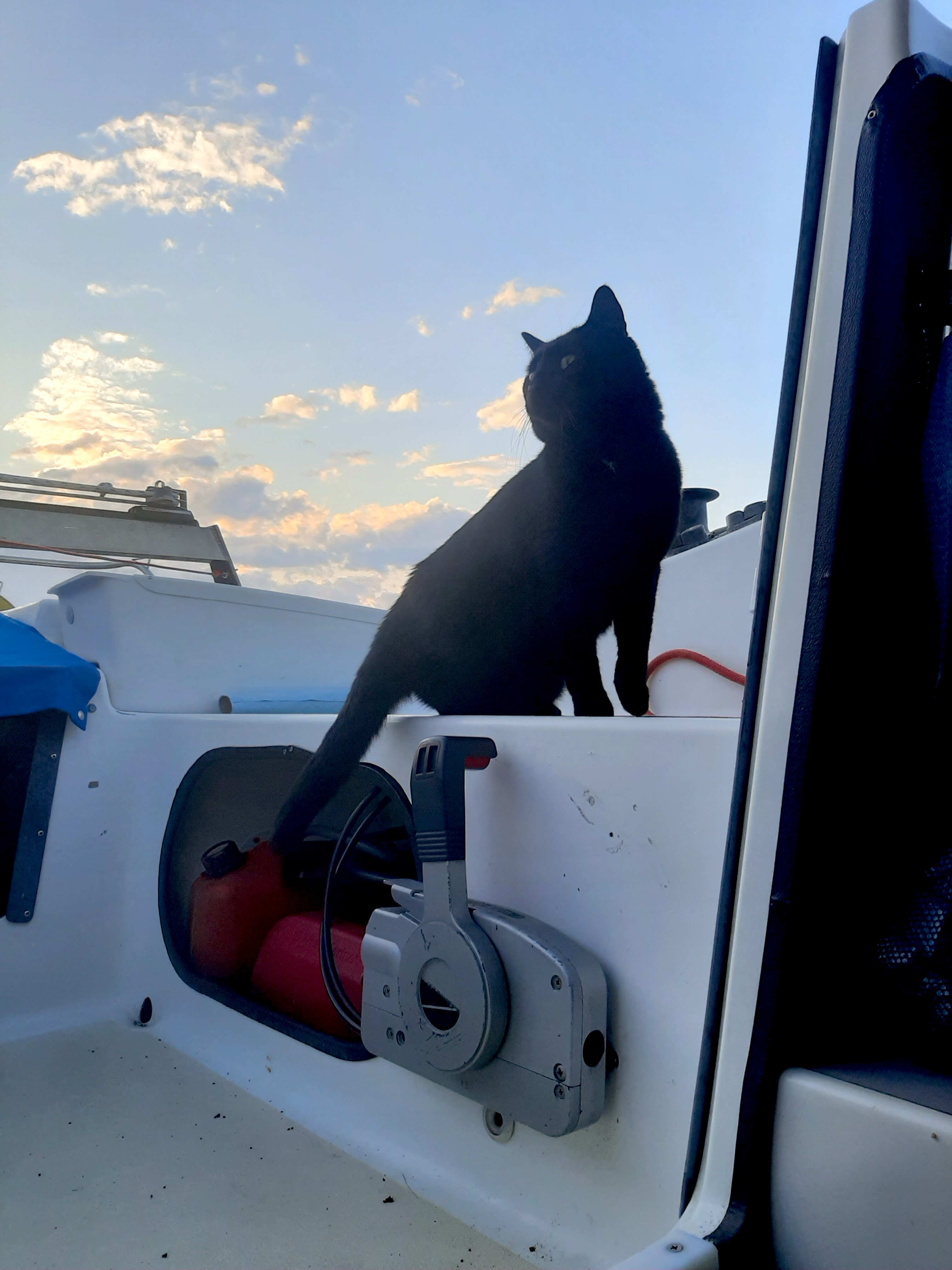
Mully and sky

Sheltering at Sea, Part 2: Escape from New York

Christina Rose (lower left, with sail) passing Manhattan. Photo by A.A.

We wake early.

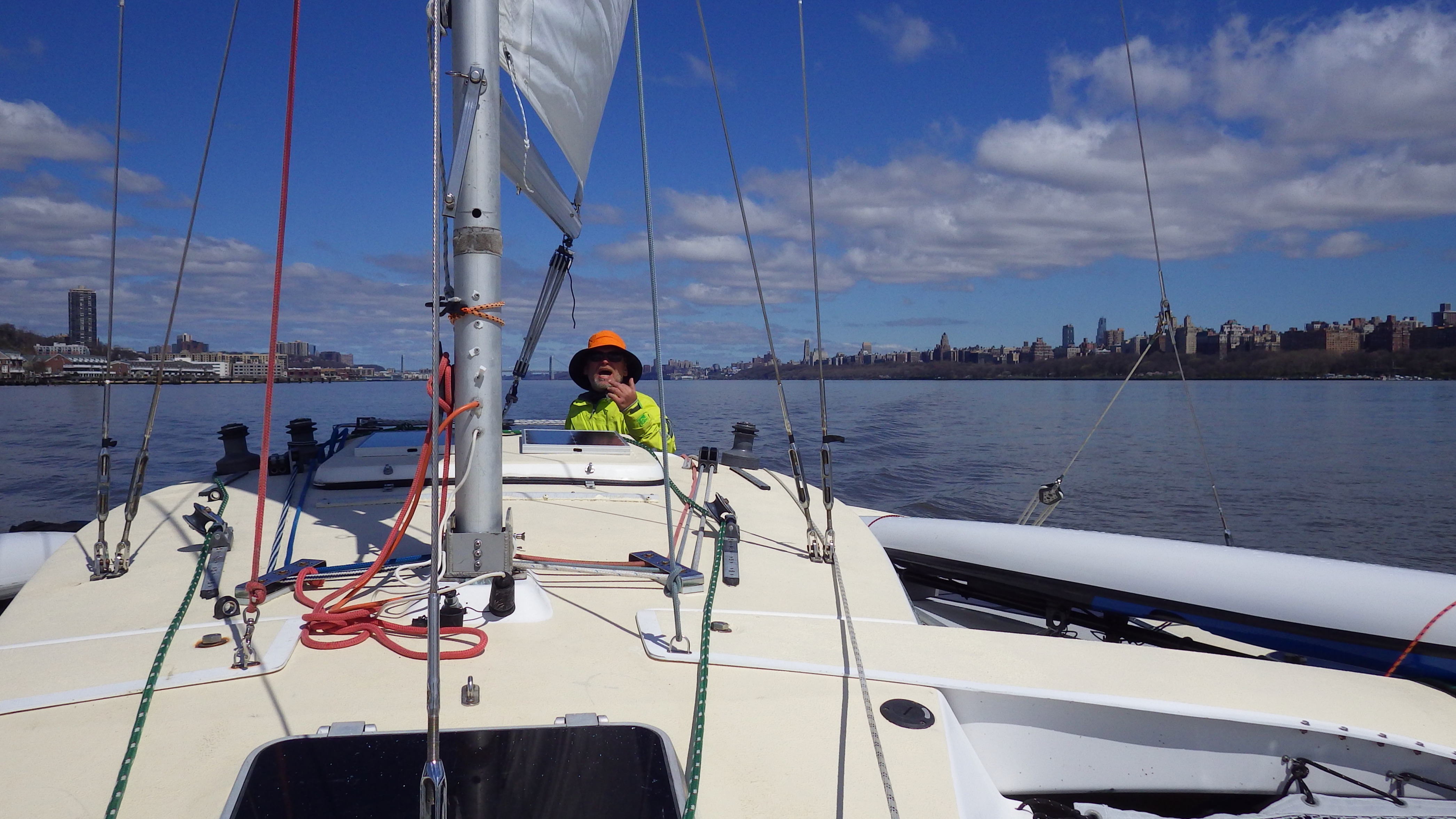
So far, so good. Christina Rose had handled fine during the 7-mile Hudson crossing to Croton Point. We’d travelled at a speed of 8-10 knots, with a gusty, 20-kt wind. It was bouncy, but manageable.

Mully hadn’t enjoyed the trip.

He spent the crossing in his hull tunnel, a tunnel that ran about 10 feet from the stern cabin under one of the shelves in the main cabin. We couldn’t reach him there, but we could hear him (he would occasionally emit a quiet “miaow” in response to our frantic calling). He must have been cold and terrified, but after we anchored he crawled out and snuggled in the sleeping bag with me.

Now he’s sound asleep, and complains a little in his sleep when I try to pet him. The boat is creaking, with water sloshing around me. And the wind is alternately howling and huffing. The sky is gray and lowering, the water has ominous gray and white ripples.

But the barometer on my watch says the weather will soon improve…

Vov is doing something in the main cabin, I can hear him.

Moving carefully so as not to disturb Mully, I open one of the door panels and peer out.

Ah.

Vov’s dicing onions at the tiny sink. Breakfast will be potatoes with onions, bacon, and eggs.

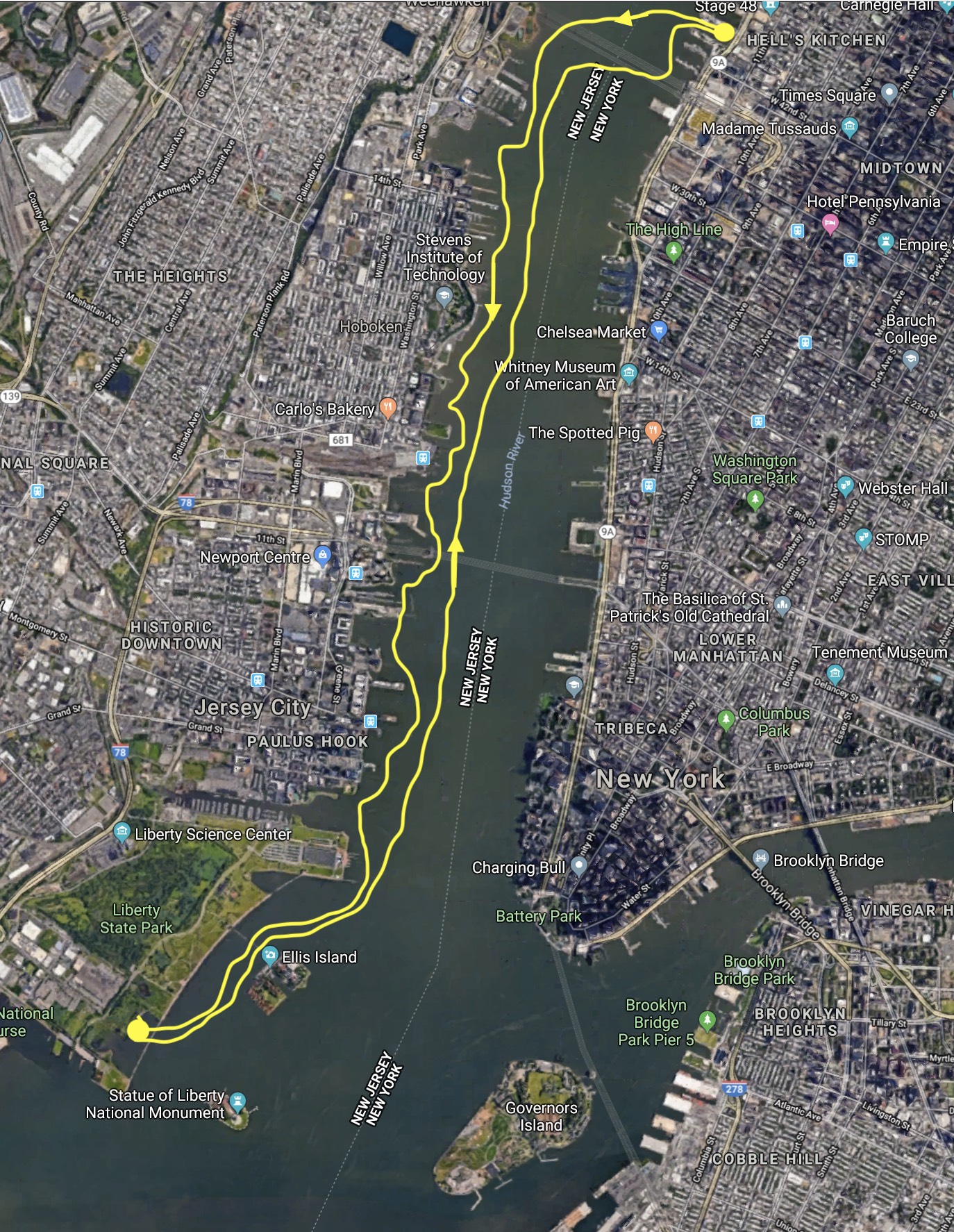
The plan for today is to sail down the Hudson to Staten Island. Vov had an anchorage there, in Great Kills Harbor. It was where he’d kept his sailboat, Nemo, for many years. It was about 50 miles, a straight shot down the Hudson and New York Harbor.

The route. Today’s in yellow.

Then again, there was no guarantee we’d make it that far.

Was Christina Rose even seaworthy? She’d survived several nights in the water and the 7-mile crossing, but this would be her first real test.

And was it even legal to sail in New York, given the shutdown? Would we get stopped by the police? A few days before, the Coast Guard had issued a notification saying, effectively, that it would not be imposing any controls on boating traffic due to the pandemic. But New York City was, as promised, shutting down everything–including marinas, and so far as we knew, waterways.

If we made it… then what? We hadn’t really decided. The plan was to get out of the Northeast, but we hadn’t had much time to put more thought into it. We had friends in Maryland, Virginia, and North Carolina. And there was always Florida.

But for now, the goal was to get past New York.

After breakfast, around 7:30, we set off. It was gray, raw, and overcast. We huddled in the cockpit, sipping the coffee V had made.

Manhattan ho!


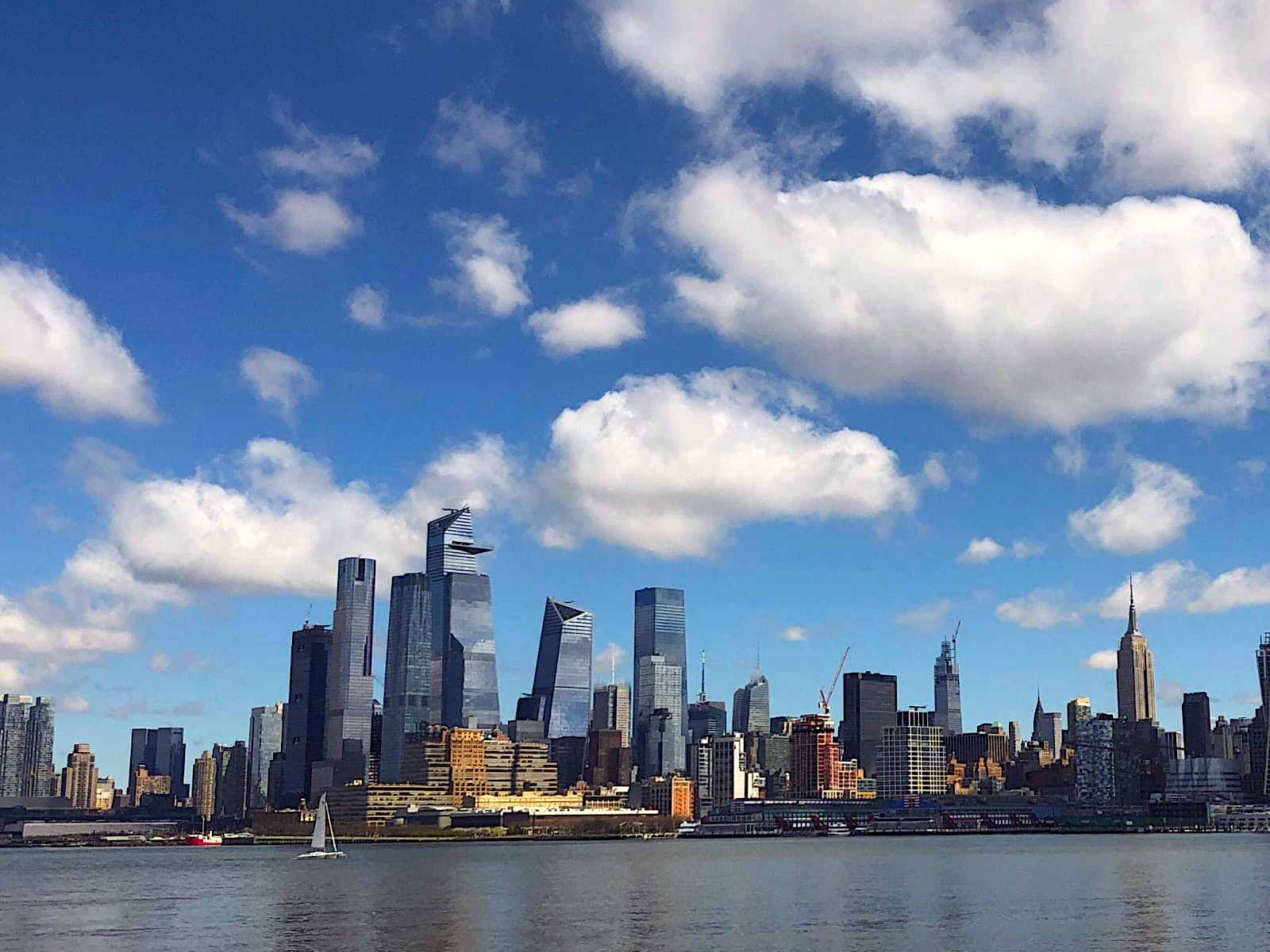
It was strange sailing down the route I’d paddled so often. Under the Tappan Zee, the George Washington in the distance. Even for a spring morning, the traffic was unnervingly absent. The radio was silent, only the occasional crackle of life.

When would I paddle this route again?

As we approached the George Washington bridge, a thought occurred to me. My friend A.A. lived in Hoboken, a few blocks from the river. On impulse, I called her.

She was repairing her air conditioner, but dropped everything when she heard we were headed downriver. We wouldn’t be able to stop and visit, but at least she would see us as we passed Manhattan.

And, as it so happened, document the event (see top photo). We were almost too far apart to recognize each other, but we waved frantically and shouted.

The goodbyes, we later agreed, felt strange and solemn and scary.

We’d sailed from Croton Point to the George Washington bridge, but after the bridge we put on the motor. The goal was to get out of New York waterways as quickly as possible, before the police stopped us.

Fortunately, that didn’t happen, although it was impossible to miss us. We were the only boat on the water, which was uncharacteristically calm, with a glassy ripple. I’d never seen the river so empty, even in the dead of winter.

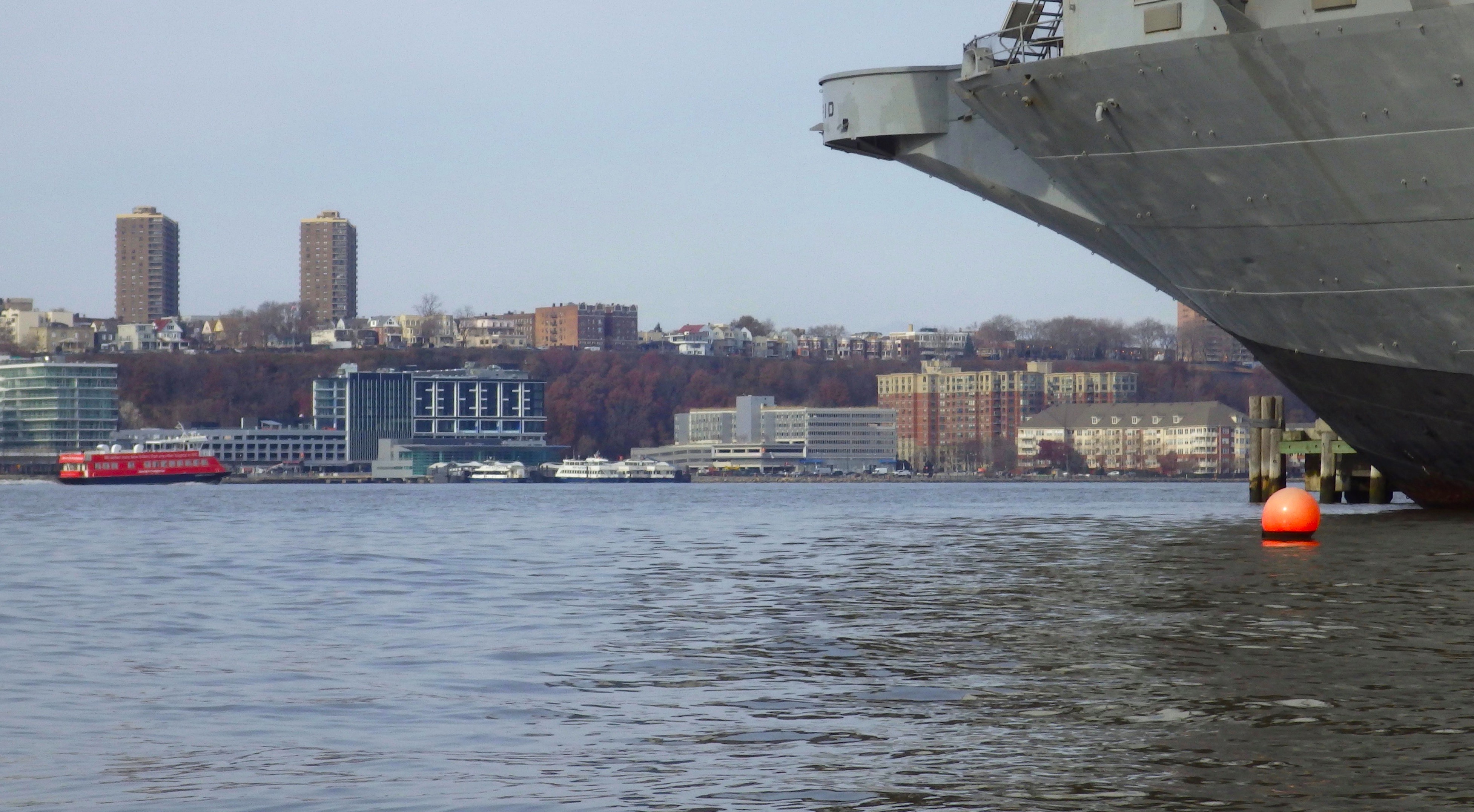
The familiar landmarks slipped by. Then an unfamiliar white box shape caught my eye. It was the hospital ship, the USNS “Comfort”, docked at Pier 90, just a few blocks from one of my paddling “home ports”.

Hospital ship on the Hudson

It was an eerie, science-fictional feeling to glide past a military hospital ship docked in Manhattan. We had no idea how bad the pandemic would turn out to be, but if the authorities believed we needed a hospital ship… that wasn’t good.

We continued down the Hudson, past the Battery, past Governor’s Island. True to my watch’s barometric predictions, the weather had cleared and it was a warm, slightly gusty spring day. Once we were fully in New York Harbor we cut the motor and returned to sailing. Although we hadn’t arrived in Staten Island yet, we were past the most sensitive area. If the police were going to stop us anywhere, it would have been in the Hudson near Manhattan. That they didn’t was a good omen.

One that we hoped would last for the rest of the trip!

We made it! Under sail once more.

Sheltering at Sea, Part 1: Taking the Leap

We’re off!

“We could shelter at sea.”

The idea sounded crazy. Launch a sailboat from New York City, head south, and live aboard it for an unknown amount of time?

But then, the world had gone crazy.

It was March 15, 2020. Vov and I had just completed the Everglades Challenge, his 7th (or 8th, we aren’t quite sure), my second. We were driving up from Key Largo, Florida to New York, catching up on the news.

We’d been out of contact with the outside world for over a week. Things seemed to have taken a dramatic turn for the worse: Apparently New York City was on the verge of being shut down due to the pandemic.

What did that even mean, “shut down”?

Would they close the bridges and tunnels? The downside to living on an island is that during a crisis, you can be trapped. I remembered what happened on 9/11, and fought back a rising sense of claustrophobia.

Over the 20-hour drive, we obsessively scanned the news and discussed our options.

We could shelter in my apartment, the larger of the two. We’d be reasonably comfortable.

But my apartment is just a few blocks from what was shaping up to be Ground Zero for the pandemic: Mt. Sinai hospital.

If this disease were as contagious as reported, we’d have an increased chance of catching it in the narrow aisles of the grocery store, in the apartment lobby, in the elevator…

There was always Vov’s apartment in Nyack. That felt safer, and it was just a block away from the Hudson River.

But it was a one-room efficiency; no way could I manage to work there if we were both staying there.

As we ticked off the miles on I-95, the idea of sheltering at sea made more sense. Particularly if, as Vov feared, the pandemic were merely a harbinger of total societal collapse.

I didn’t think that would happen, but I couldn’t say it wouldn’t. And even if it didn’t, things could get pretty grim. I’d read John Barry’s account of the 1918 flu. At least on board a sailboat, we could leave the country if things got really bad.

More realistically, we could head south, out of the early-spring gloom. Although we didn’t know much about this virus, it’s true that ultraviolet rays are generally anti-viral and anti-microbial. And even though the phrase “social distancing” was just emerging, it’s safer to be miles away from your neighbors than breathing the same air.

Still. Living on board a sailboat? For an extended, indefinite period of time? Vov had spent over a decade living on a sailboat, so the idea made sense to him. But me? Despite the fact that I’d spent the past five days as crew on an inflatable catamaran, I didn’t even begin to know how to sail. Could I work? What about Mully, the cat that found me?

We talked through the details. Mully could live on the boat with us. We could bring the kayaks, both for recreation and as dinghies to get from the anchored boat to land. We’d get solar panels, and batteries, so I could work. We’d stay near the coastline, so we’d be within range of cellular Internet services.

As the miles ticked away, the idea of sheltering at sea began to make more and more sense.

The only question was which sailboat.

Christina Rose

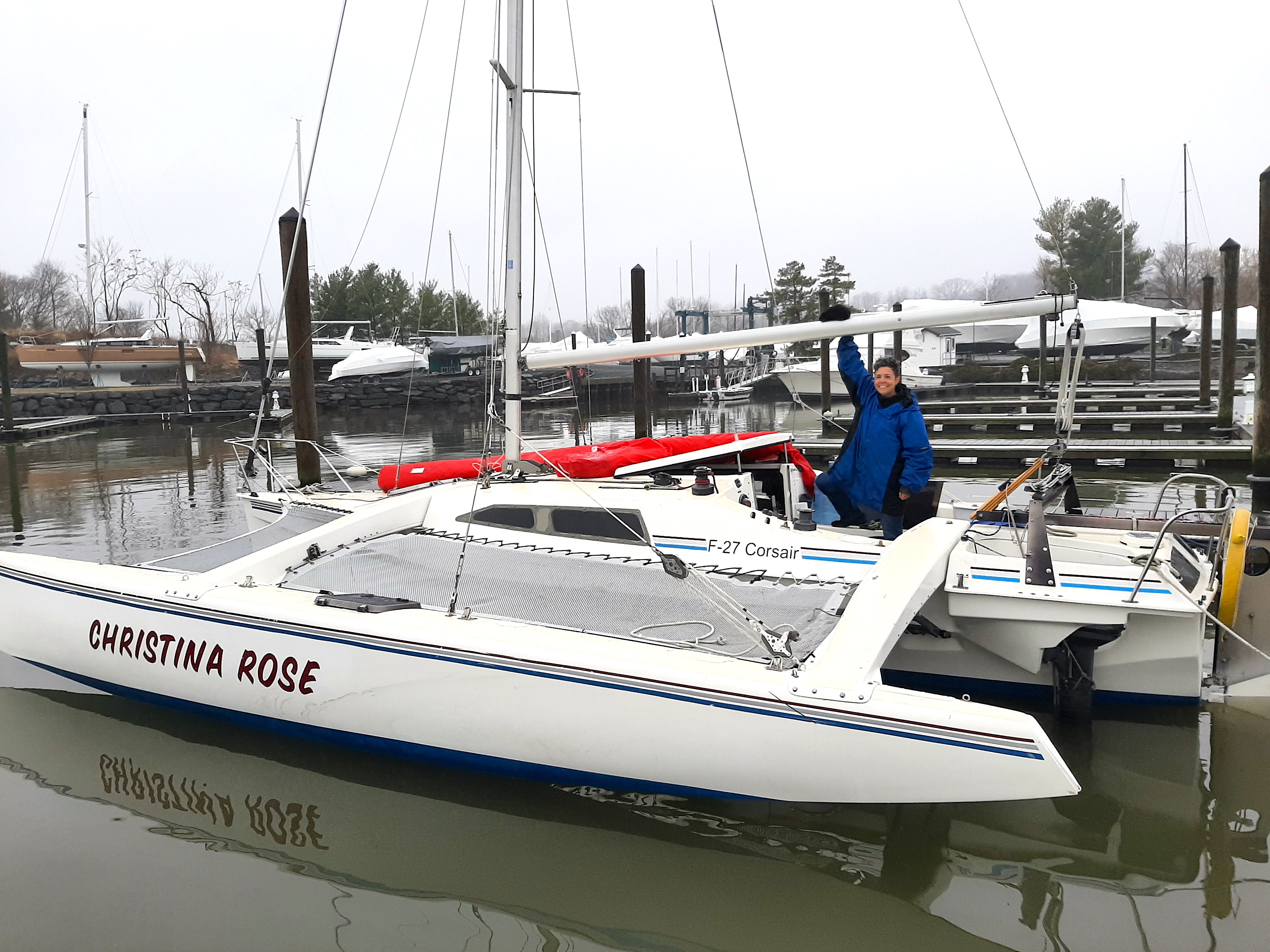
Vov had a sailboat, but it was in dry dock. It needed repairs to be fully seaworthy, and with a pandemic closing everything down, getting the equipment (not to mention launching the boat) seemed risky. We could afford a used sailboat, and Vov had the model in mind: an F-27 Corsair trimaran. The wings would provide stability for me to work (trimarans don’t heel the way monohulls do), plus extra living and storage space.

But could we buy and outfit a boat fast enough?

As I drove, Vov researched. We found five boats that might work: Two in Florida (now hundreds of miles behind us, and receding rapidly). One in Ohio. And two in Massachusetts. Ohio, like Florida, seemed too far away.

Vov made inquiries about the Massachusetts boats.

We arrived in NY late Sunday morning. By Monday afternoon we’d picked Mully up from the vet where I’d boarded him. We made a hurried sweep through the apartment and grabbed what I thought we might use.

Then we headed for Nyack: Mully, gear, and all.

Less than a week later, on Saturday March 21, we were in the yard of a friendly man named Dave, in Massachusets. We met his price for the Corsair, Christina Rose. He said we could pick it up as soon as the check cleared. We drove back to Nyack and began stocking up frantically.

Three days later, Vov drove to Massachusetts, put a fast coat of bottom paint on the boat, and drove back down to Nyack.

Meanwhile, I made a final visit to the NYC apartment and picked up anything I thought we could use. Before I locked the apartment up I took a long look around. When would I see it again?

No time to wonder. Curfew would start that evening, and the rumor was that the marinas would be shut down, too. We’d pulled the two kayaks out of John F. Kennedy Marina where we kept them, just hours before the authorities closed it.

But the private marina where we were keeping Christina Rose was beginning to push back. We needed to launch, and fast.

We got her into the water on March 27. We worked frantically finish stocking it, peripherally becoming aware of the illogical grocery store shortages: Water was rationed. Toilet paper was nowhere to be had (fortunately Vov had a supply of marine toilet paper.) Hand sanitizer was gone, but rubbing alcohol was plentiful (so we stocked up.) We also bought plenty of on canned vegetables and fish, along with rice and pasta. We’d bought a supply of freeze-dried food on the way north from Florida, so we had that.

By April 1 we were ready to launch. It was a cold, gloomy afternoon. With some trepidation, we motored out of the marina. Once out on the Hudson, Vov raised the sail. We were en route!

Who is “Vov”? How did I come to be completing another Everglades Challenge, this time on a sailboat? And how did we fare sheltering at sea?

Stay tuned…

Setting sail!

A Summer Evening In Central Park

By Johna Till Johnson

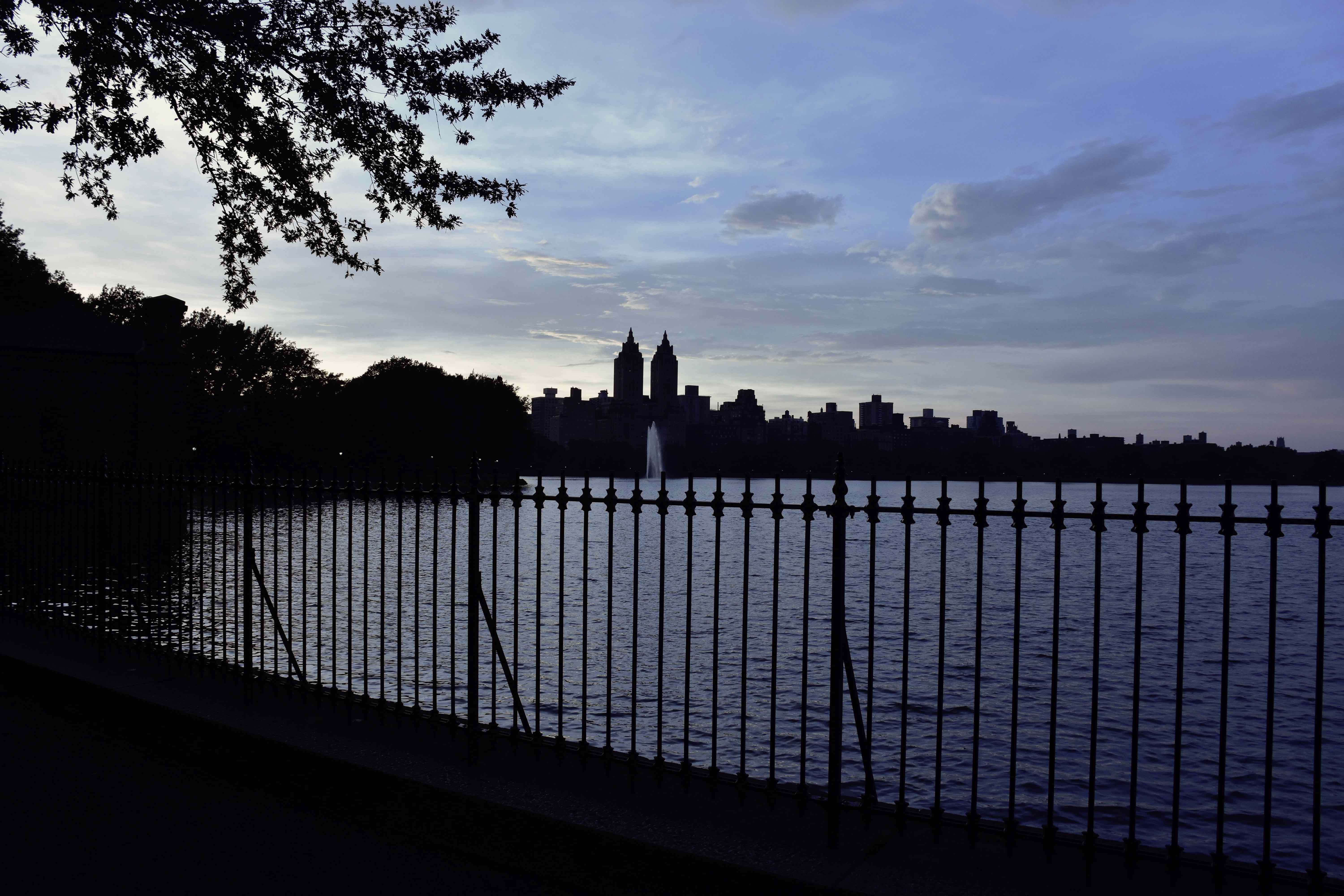
A sweltering Sunday evening calls for a walk in the park…

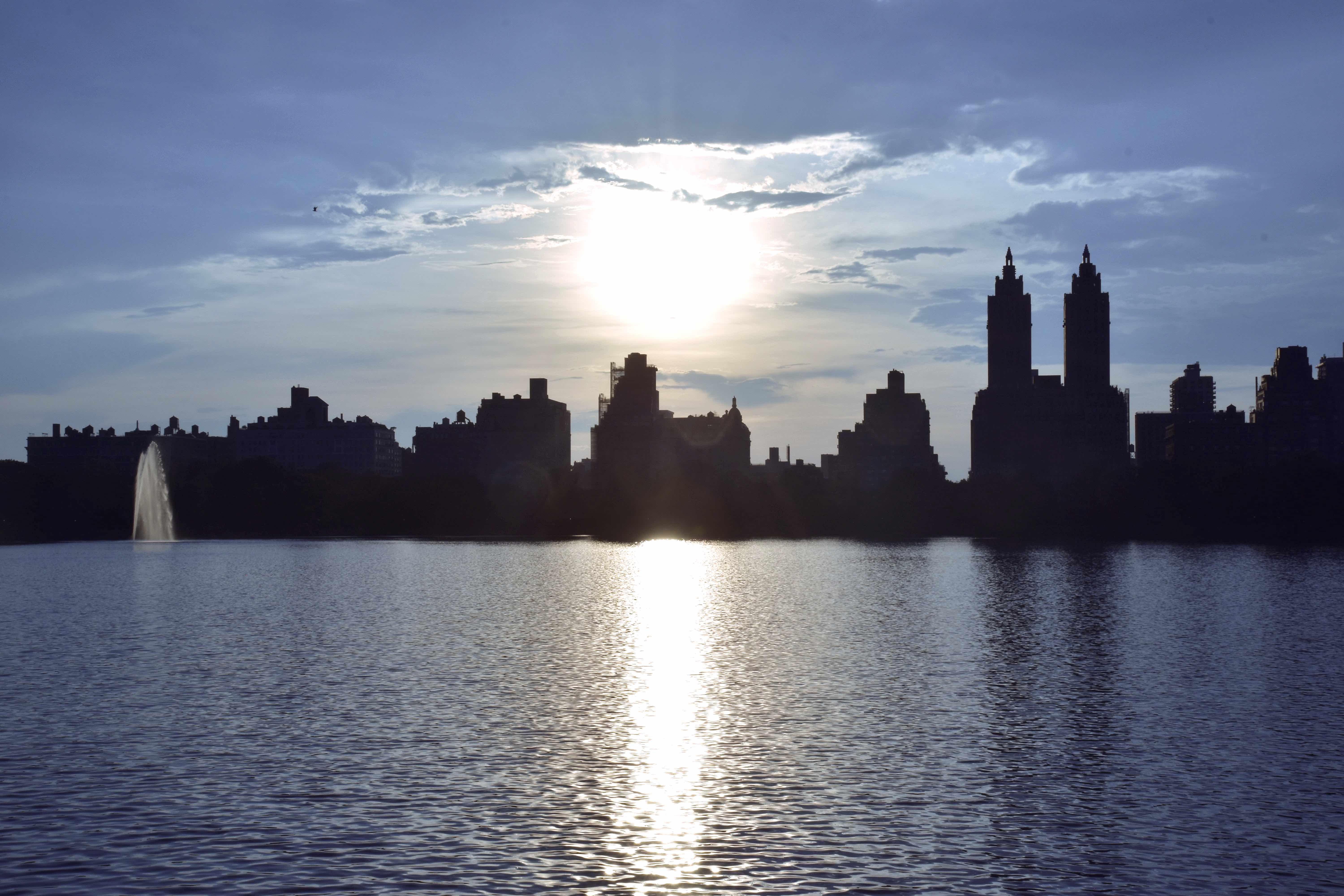
Central Park silhouette

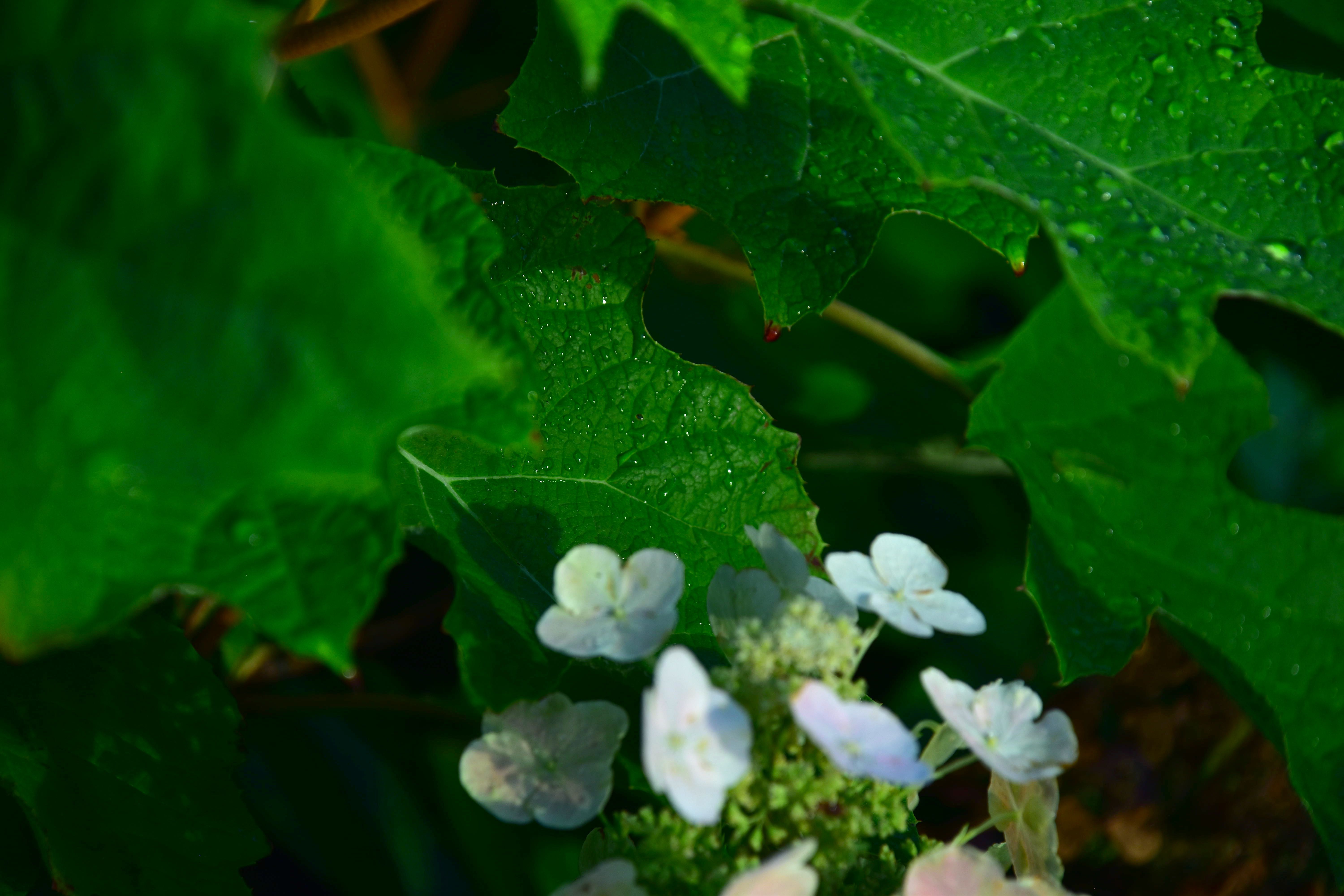
After a brief cloudburst, the sun emerges from the clouds, lighting up the flowers…

Flower

And setting the raindrops on the leaves to sparkling…

Raindrops and flowers

The skies darken..

Twilight

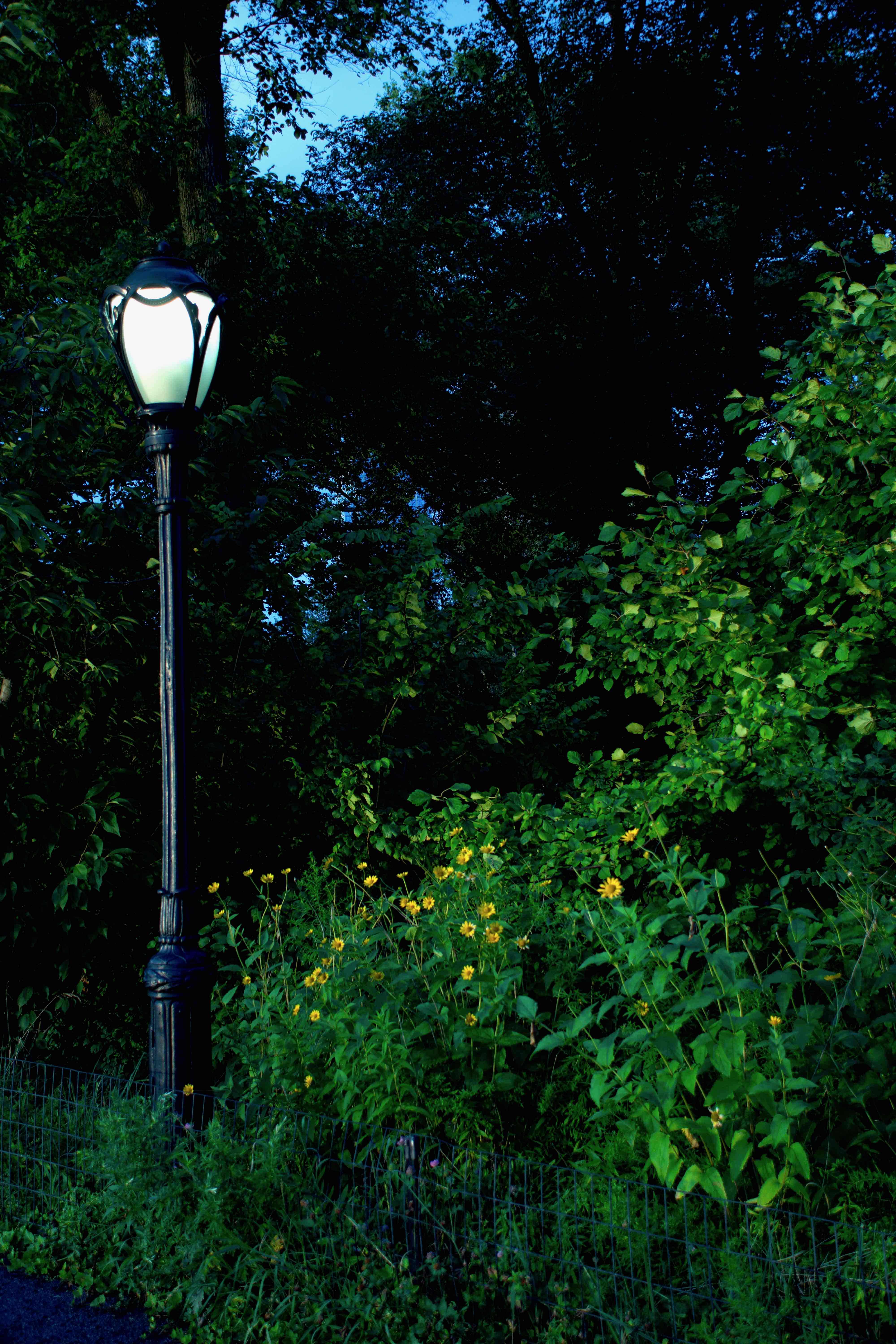
The lights come on, reminding me of an iconic children’s story…

Narnia in summertime…

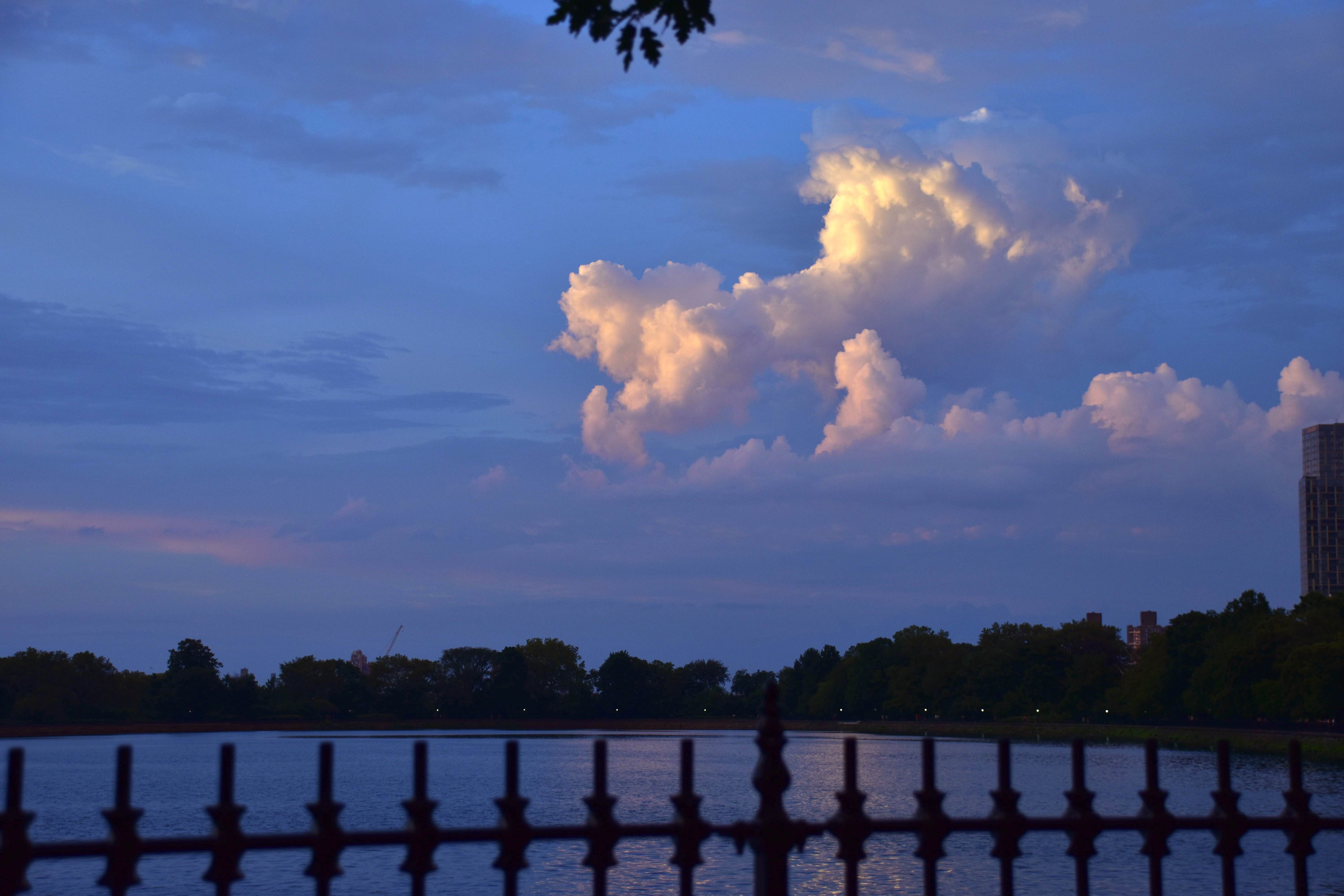
… And the last of the light catches the retreating thunderheads.

Clouds


Christmas, 2018

Candle and ornaments

By Johna Till Johnson

“I don’t celebrate Christmas anymore,” I explained to friends. As I mentioned in a previous post, it was too hard after Vlad died.

It wasn’t just that Vlad loved Christmas. He loved it in such a particular way, with carols (the old-fashioned ones), mulled wine or cider, tasty cookies and candy, and decorations that bordered on the excessive: White lights and colored lights and candles… and tinsel (gold and silver).. and ornaments of all shapes and sizes.

How could I ever recreate the experience? Why would I even try? It would only remind me of everything that was gone….

The universe works in mysterious ways.

“Can we have an American Christmas tree?” my German visitor asked.

I certainly wouldn’t have predicted the arrival of a German visitor, much less a 16-year-old girl who loved, loved, loved Christmas and was ecstatic when we put up the wreath. After we put up the wreath, a tree was the logical next step, so of course I agreed.

But what did she mean by “American” tree?

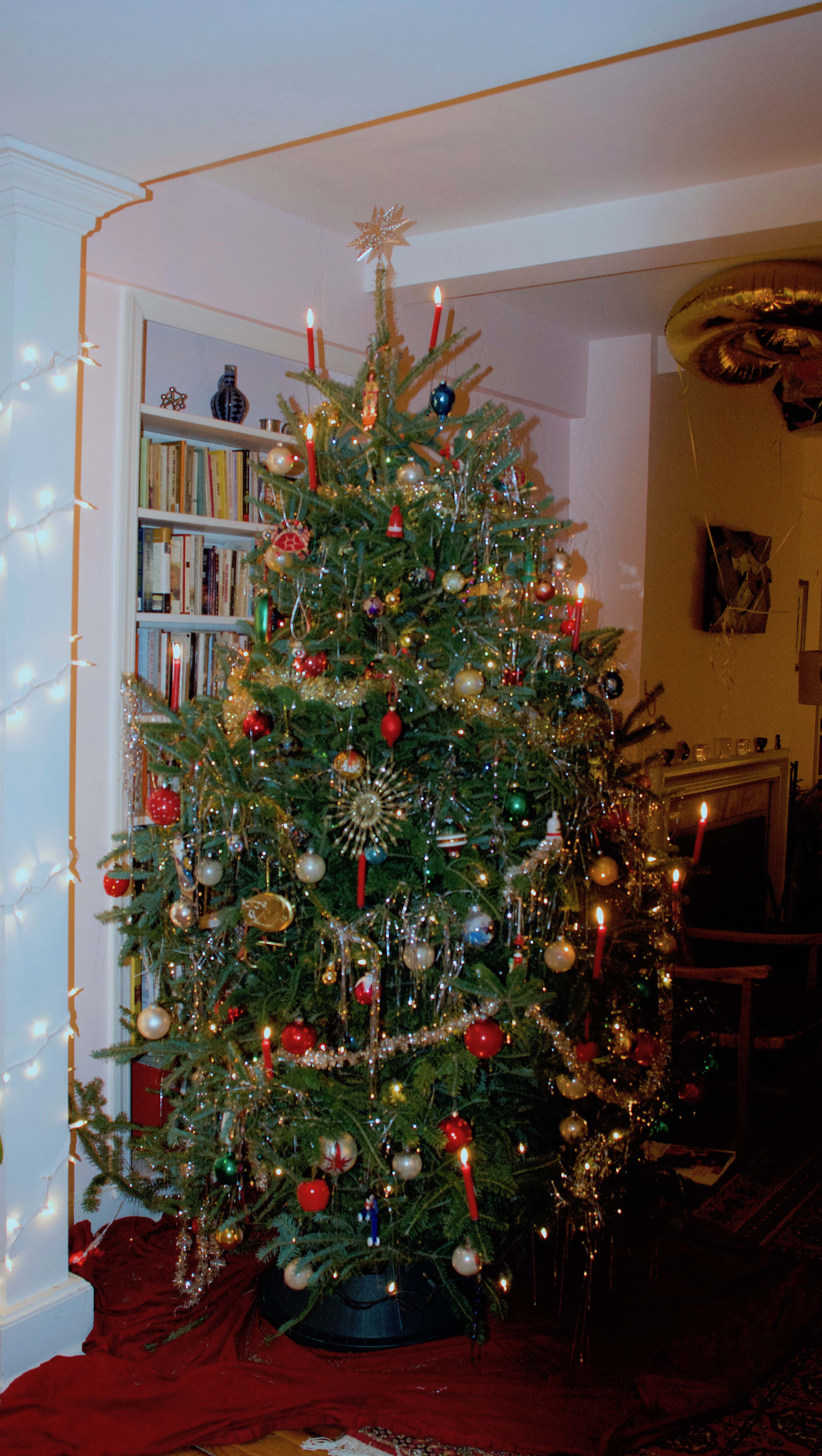
You guessed it: White lights and colored lights… and gold and silver tinsel… lots and lots of ornaments… and candles!

She was over the moon when we added the tinsel. Apparently they didn’t use it at home, despite the fact that tinsel is actually German: It was invented in Nuremberg in 1610. (Fun fact: What Americans call “tinsel” is, properly speaking, “lametta”.)

And if that weren’t enough, both the candles and the candleholders that Vlad and I used were imported from Germany.

But it was still a very American tree!

The American tree in all her glory

About those carols? And the mulled cider? And the tasty treats? Well, her sister, mother, and grandmother paid us a visit (from Germany!) So a few nights before Christmas, we gathered around the tree, sipped cider, ate Christmas cookies, and sang carols (in English and German). My visitor’s mother is a professional soprano and the whole family has excellent voices… so you can imagine the joyous sound!

The culmination of the evening was the candle lighting (with a brand-new fire extinguisher and a bucket of water handy).

This month, after I returned from abroad, I carefully washed the tree stand and packed it and the ornaments away…For next year.

This slideshow requires JavaScript.


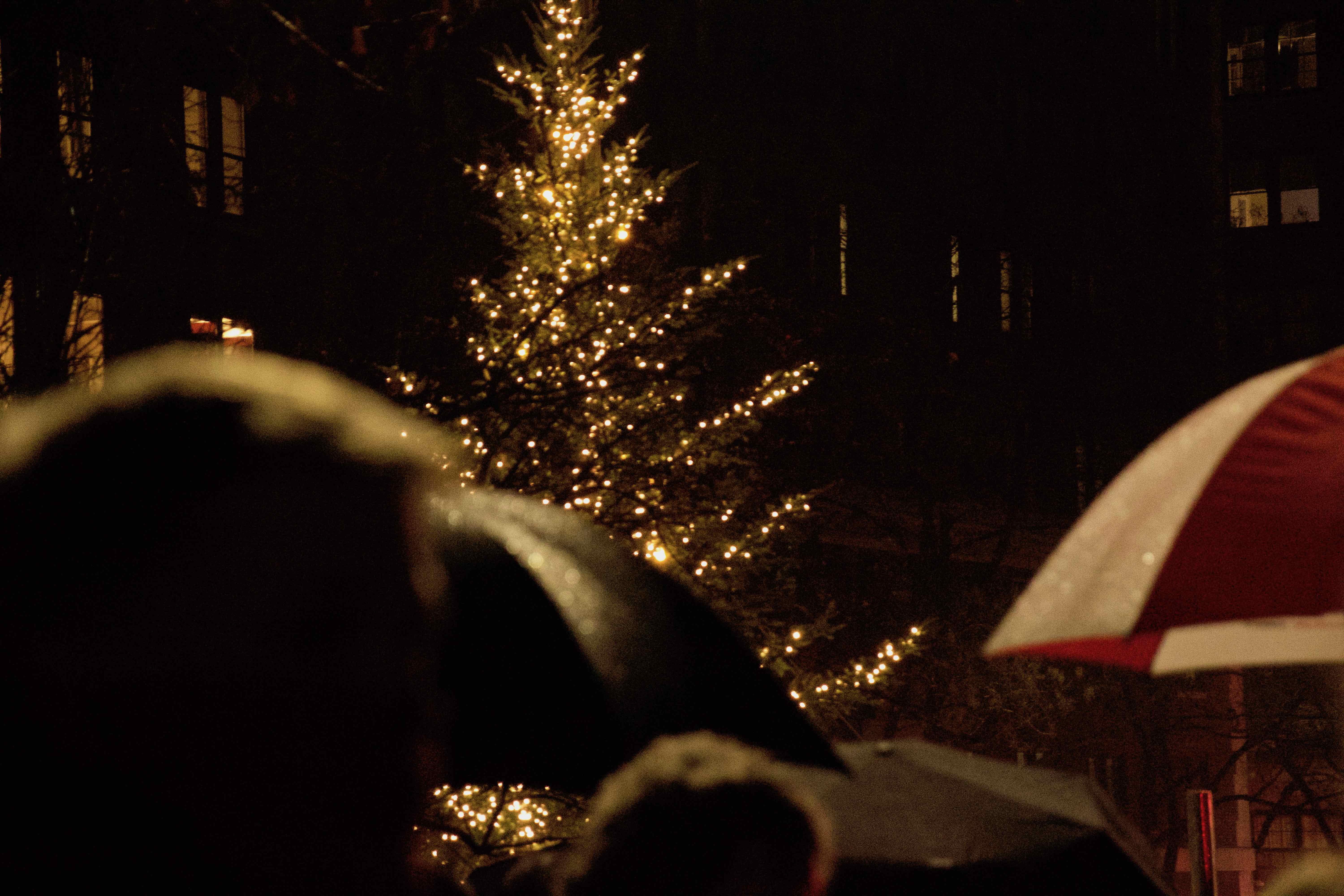
Park Avenue Christmas Tree Lighting

Light in darkness

By Johna Till Johnson

In December 2016,  Vlad’s best friend Dan came to visit.

Their friendship dated back to the beginning of graduate school. Now it was a lifetime ago. A lifetime that for one of them would soon be over.

I can’t remember why, but Dan and I went out one dark evening to get something. We had to cross Park Avenue. But as we came up to the street, we saw it was crowded with people. There was no traffic.

Voices filled the air, and we realized they were singing… Christmas carols.

People singing Christmas carols! On Park Avenue!

Dan and I turned to each other, delight and wonder in our eyes. Who knew that in cosmopolitan New York City, such a thing could happen?

We stayed with the crowd and sang for a while, savoring the moment’s sweetness. Despite everything that was happening, there was light in darkness.

For a couple of years, that memory remained isolated.

I wondered, but did not know, why one dark December night there would be people on Park Avenue singing Christmas carols. It remained a mystery. But it was enough that it happened.

Life resumed.

This December a small contingent of us from St. Francis de Sales Catholic church were invited to the Christmas party at Brick Church, the Presbyterian church a few blocks away…on Park Avenue.

After the Christmas party, there would be the annual lighting of the trees on Park Avenue. With caroling.

Oh!

Now it all became clear. And a new memory was created. Light in darkness, yes. And also laughter, and cookies, and lemonade, and homemade Christmas tree ornaments.

And caroling on Park Avenue.

(Click on any picture to enlarge it, and scroll through.)


The Return of Christmas

Ornaments

By Johna Till Johnson

I didn’t celebrate Christmas after Vlad died. It was too hard. He loved it so much.

But when you have a visitor, a 16-year-old girl from Germany whose favorite holiday is Christmas and whose face lights up with glee at the mere thought of it…the situation calls for re-evaluation.

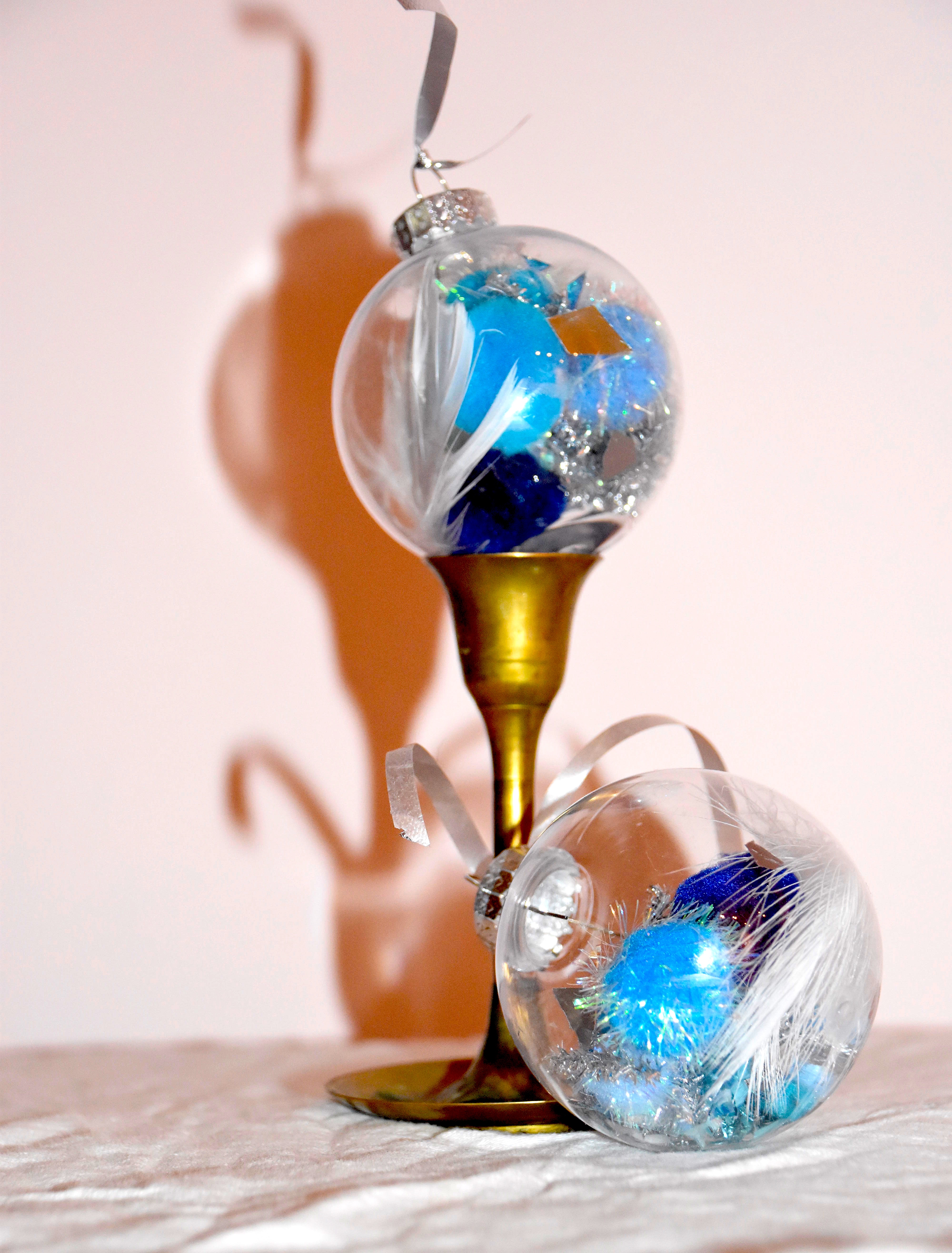
We attended the Christmas party at Brick Church, which included lemonade, cookies, and do-it-yourself Christmas ornament creation.

Clara made two ornaments.

But.. where to put them? We had no tree, and no plans to get one.

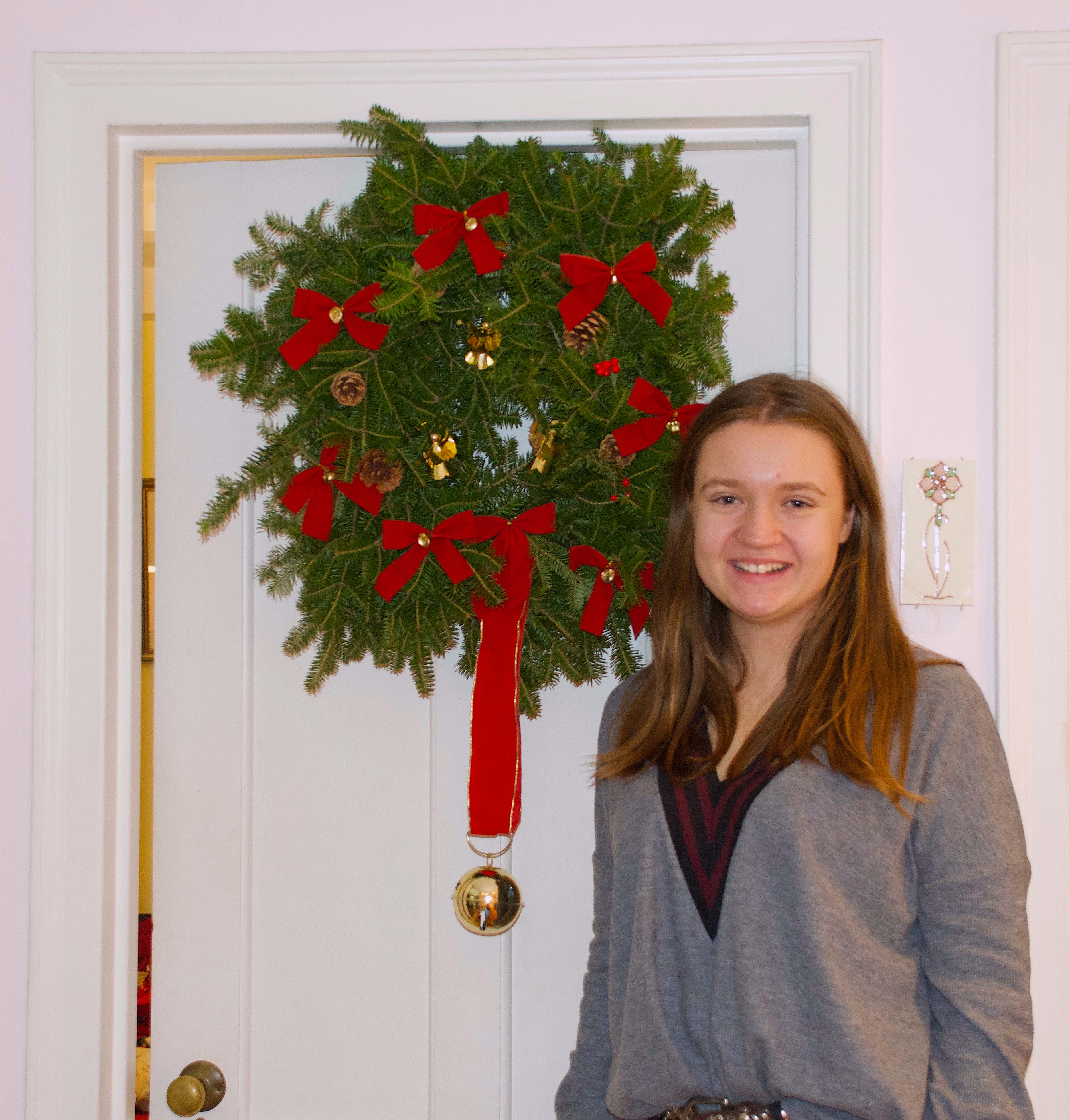
Now, it’s true that we’d agreed to get a wreath. So step one: Buy wreath, and decorate it. Clara affixed bells to bows, and added brass angels (repurposed napkin holders).

Step two: The tree.

Stay tuned!

Clara and Wreath


Thanksgiving Day Parade 2018

Eponymous

By Johna Till Johnson

It was pure serendipity, as many wonderful things in life are.

I had just decided, with some regret, that kayak-camping on the Hudson during the single-digit temperatures of a polar vortex was not wise. So at the last minute, I was without plans for the Thanksgiving holiday.

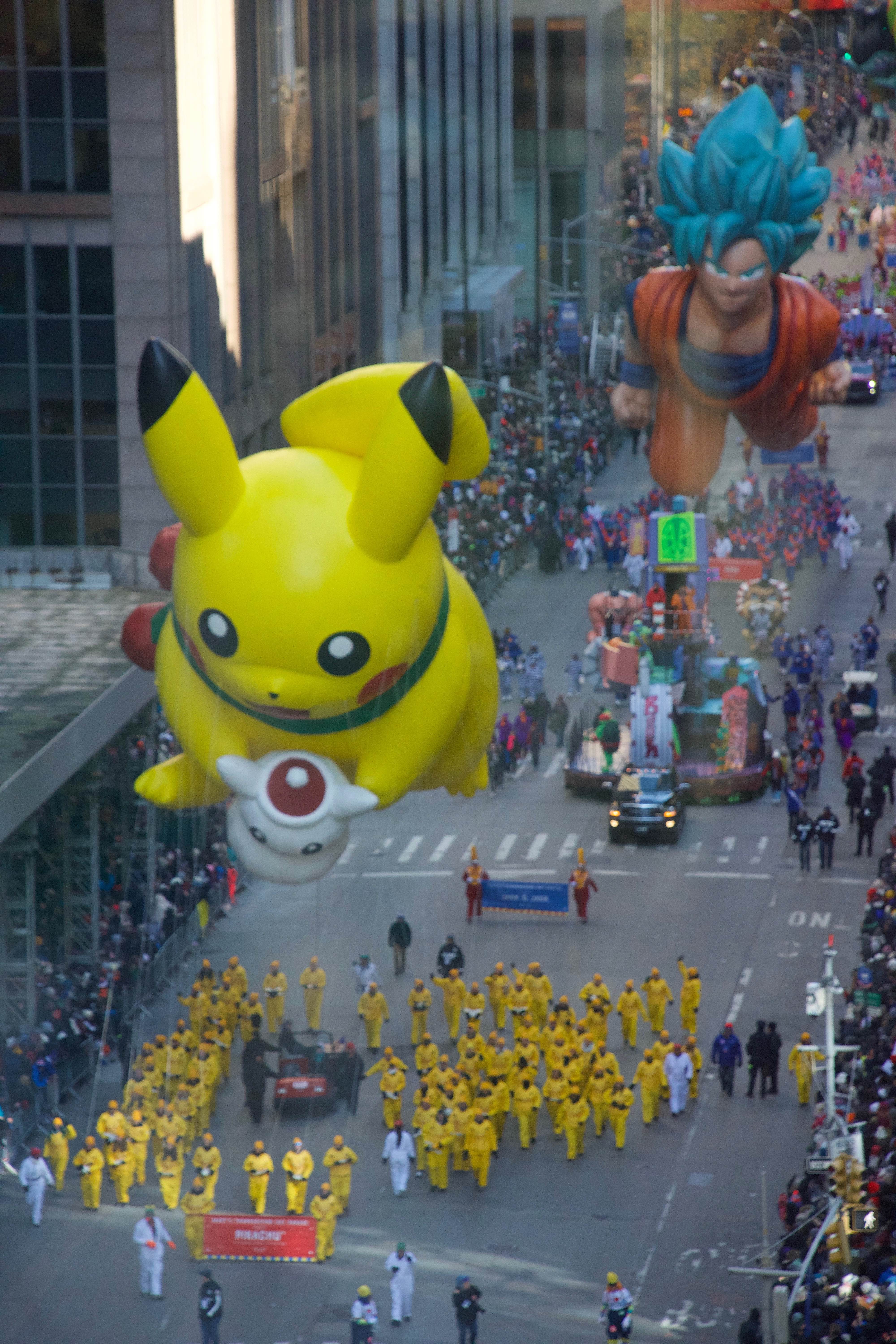
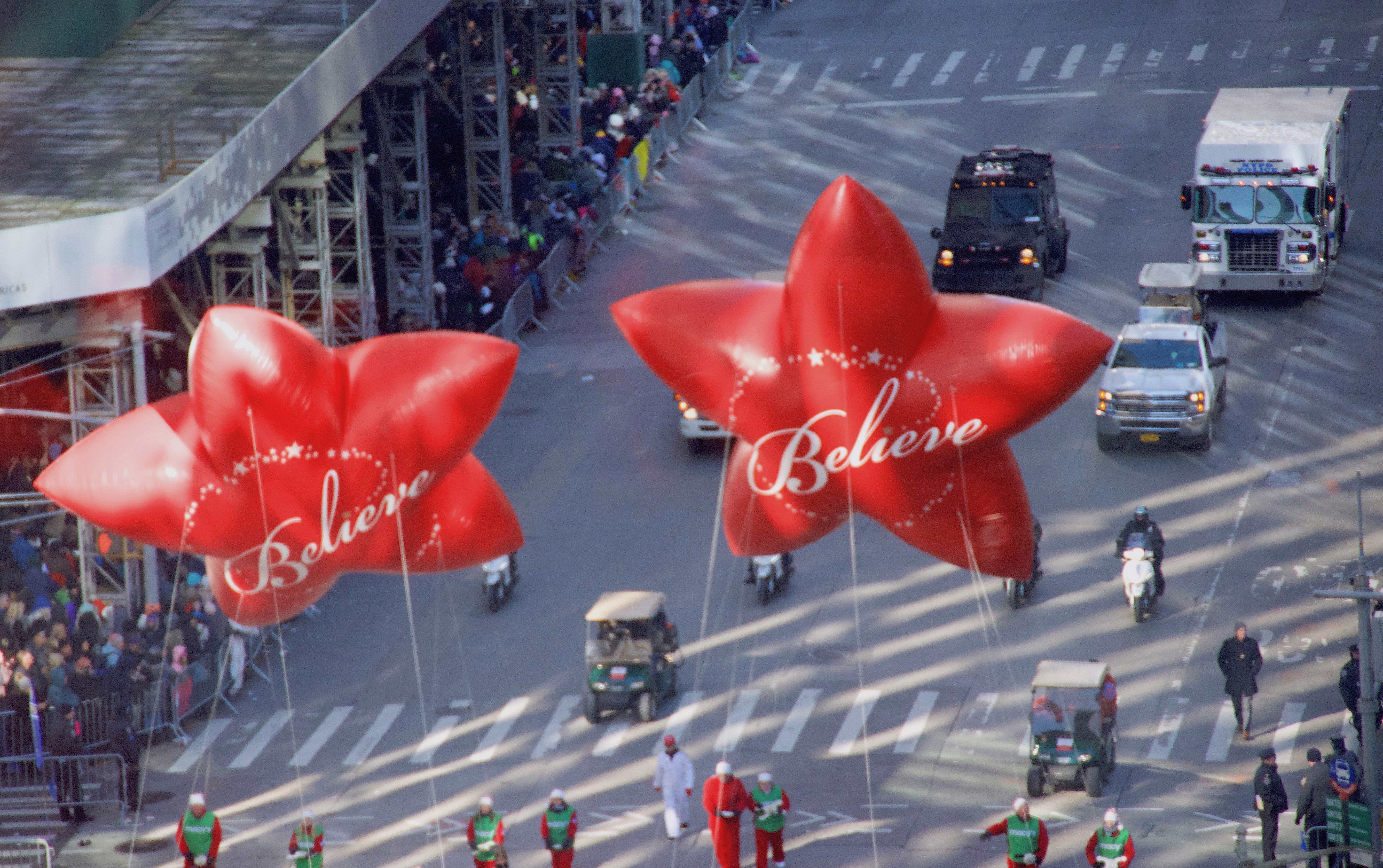
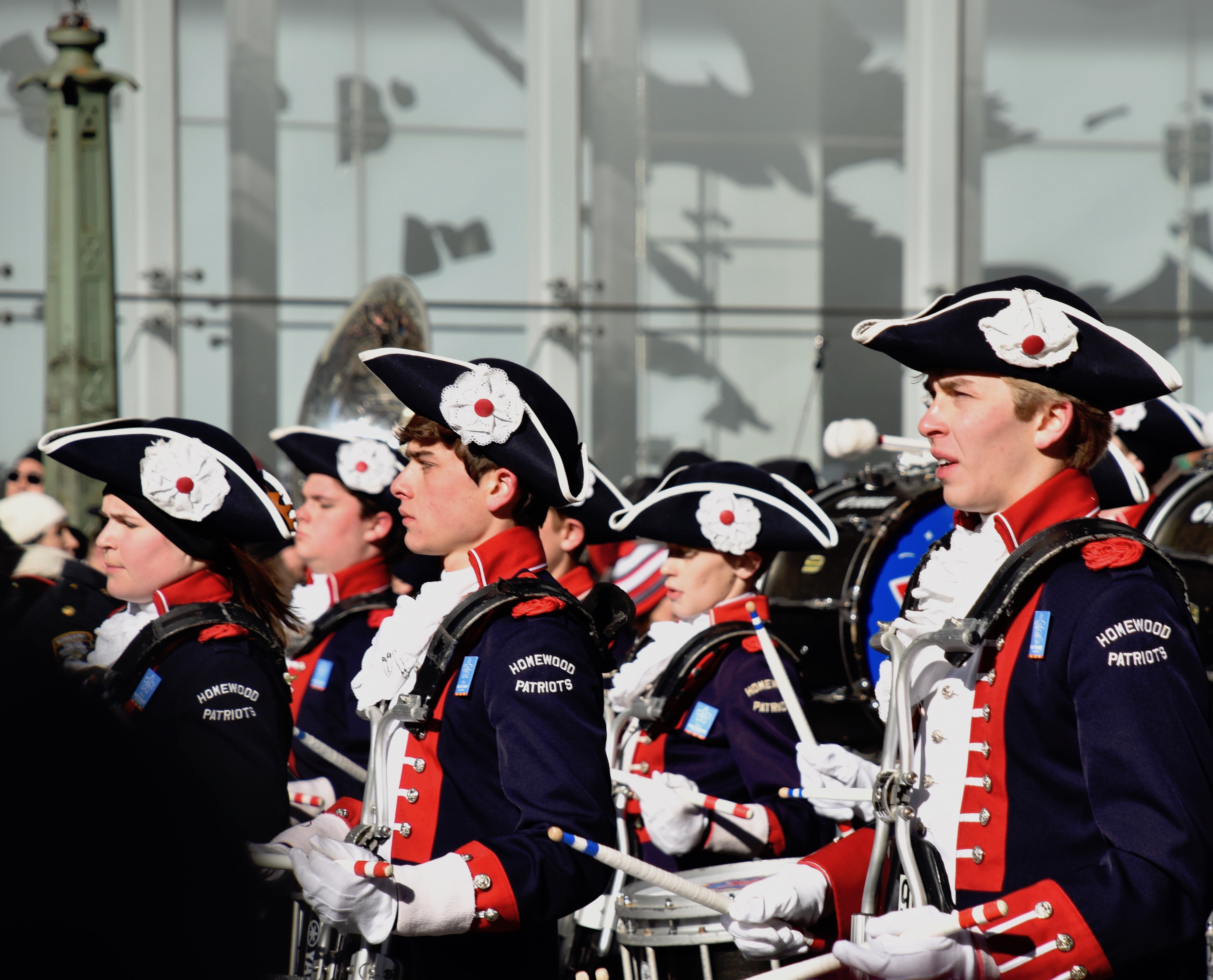
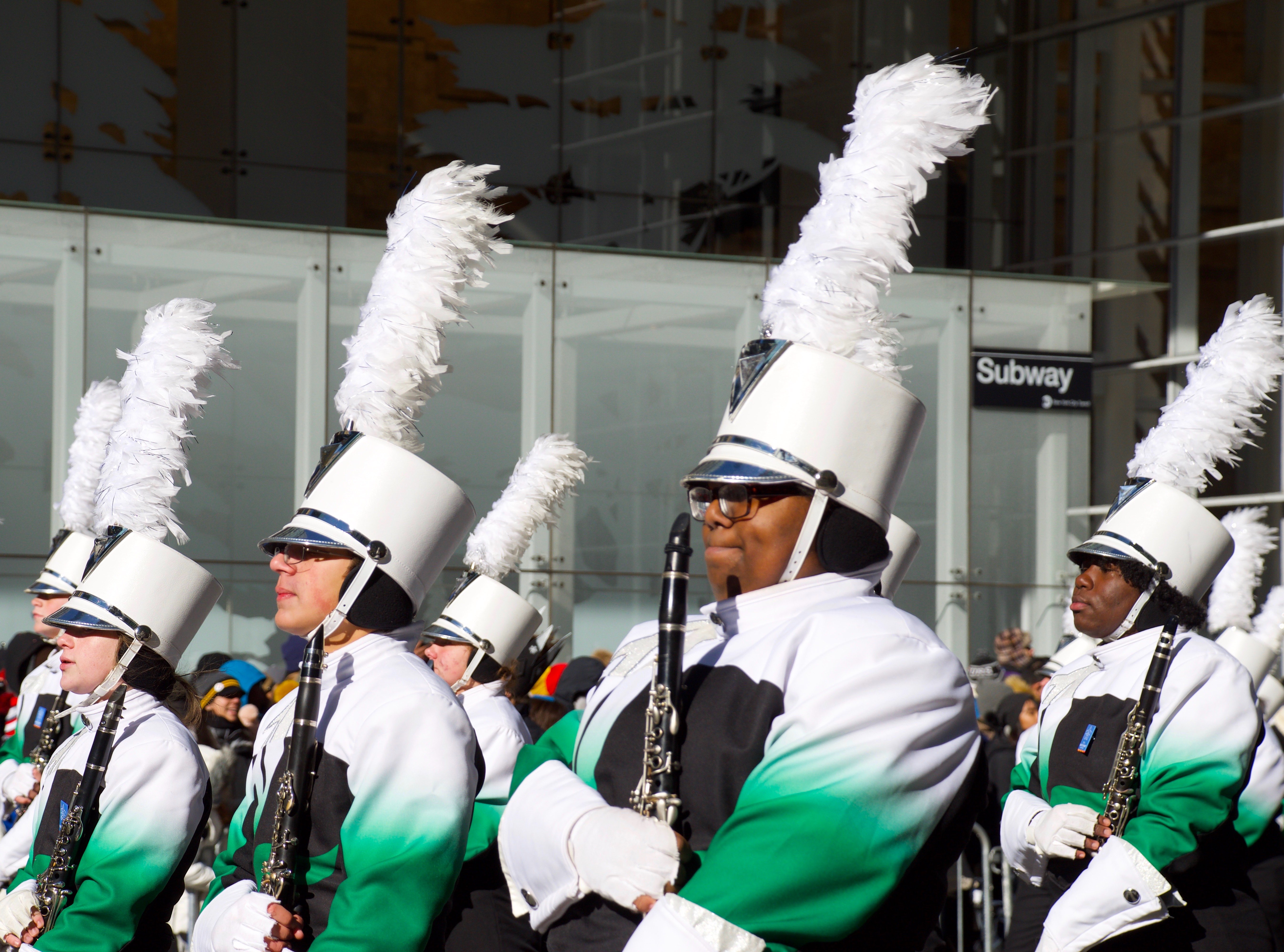
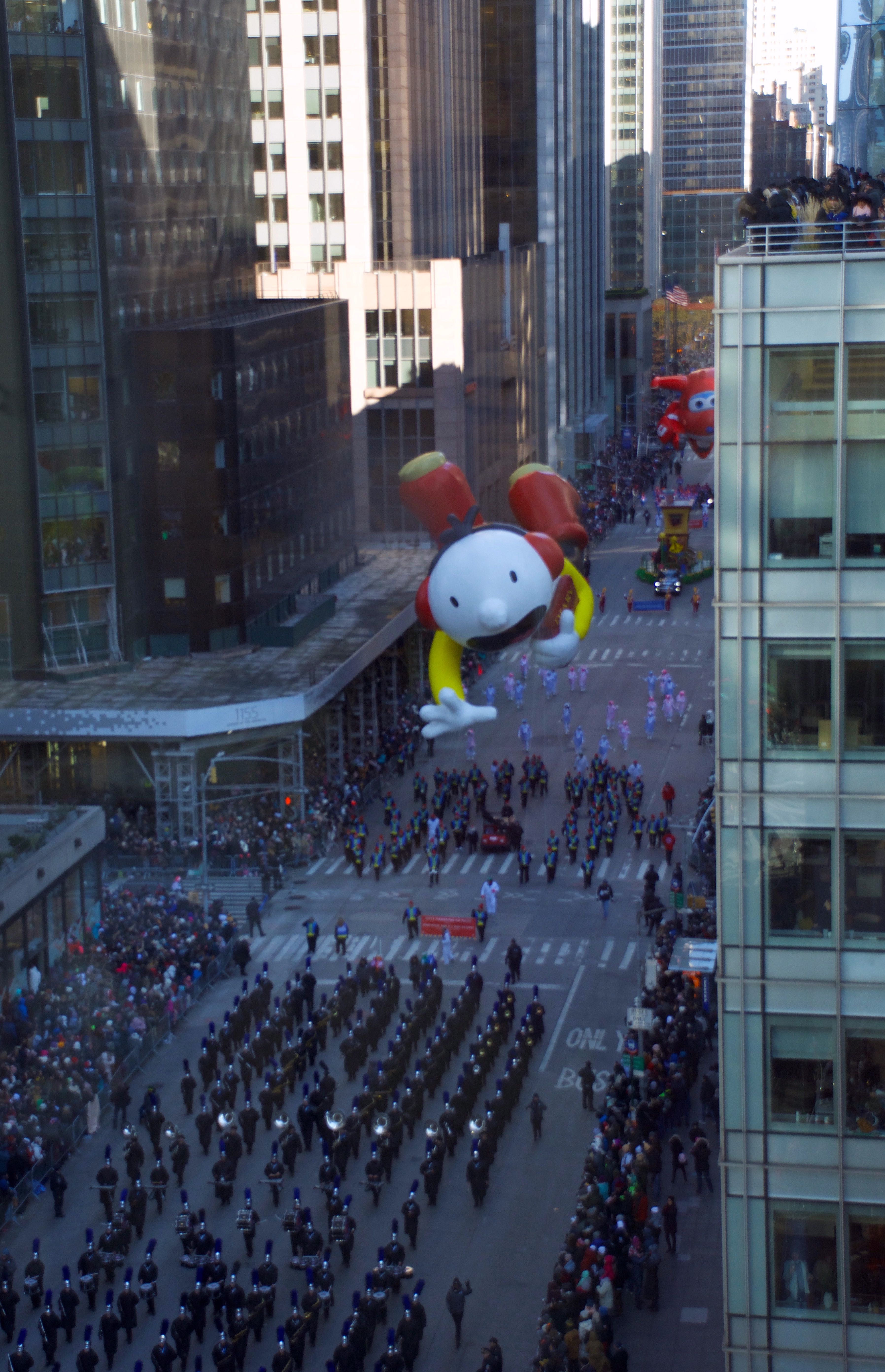
A Boston-based friend I hadn’t seen in decades, but with whom I had a lively Facebook correspondence, wanted to know: Would I like to attend the Macy’s Thanksgiving Day parade—from inside the HBO building? A friend had a spare ticket, and it would be great to reconnect…

It took approximately a nanosecond to decide. Truthfully, I would have jumped at the chance to see her, and meet her teenaged daughter. Meeting her Brooklyn-based friend (who, it turned out, is also a NYC kayaker) would be an added bonus.

But all that and the ability to watch the parade from a high floor in a climate-controlled building? As I said… pure serendipity!

It was wonderful to reconnect with my friend, who doesn’t seem to have changed much since college, except for the deepening of her acerbic wit. Her daughter turned out to be a lovely young woman, and I look forward to spending more time with my new Brooklyn friend.

For me, these were the best takeaways.

But there are also the photos.

Bearing the colors

Run, he’s after us!

Pikachu

Believe

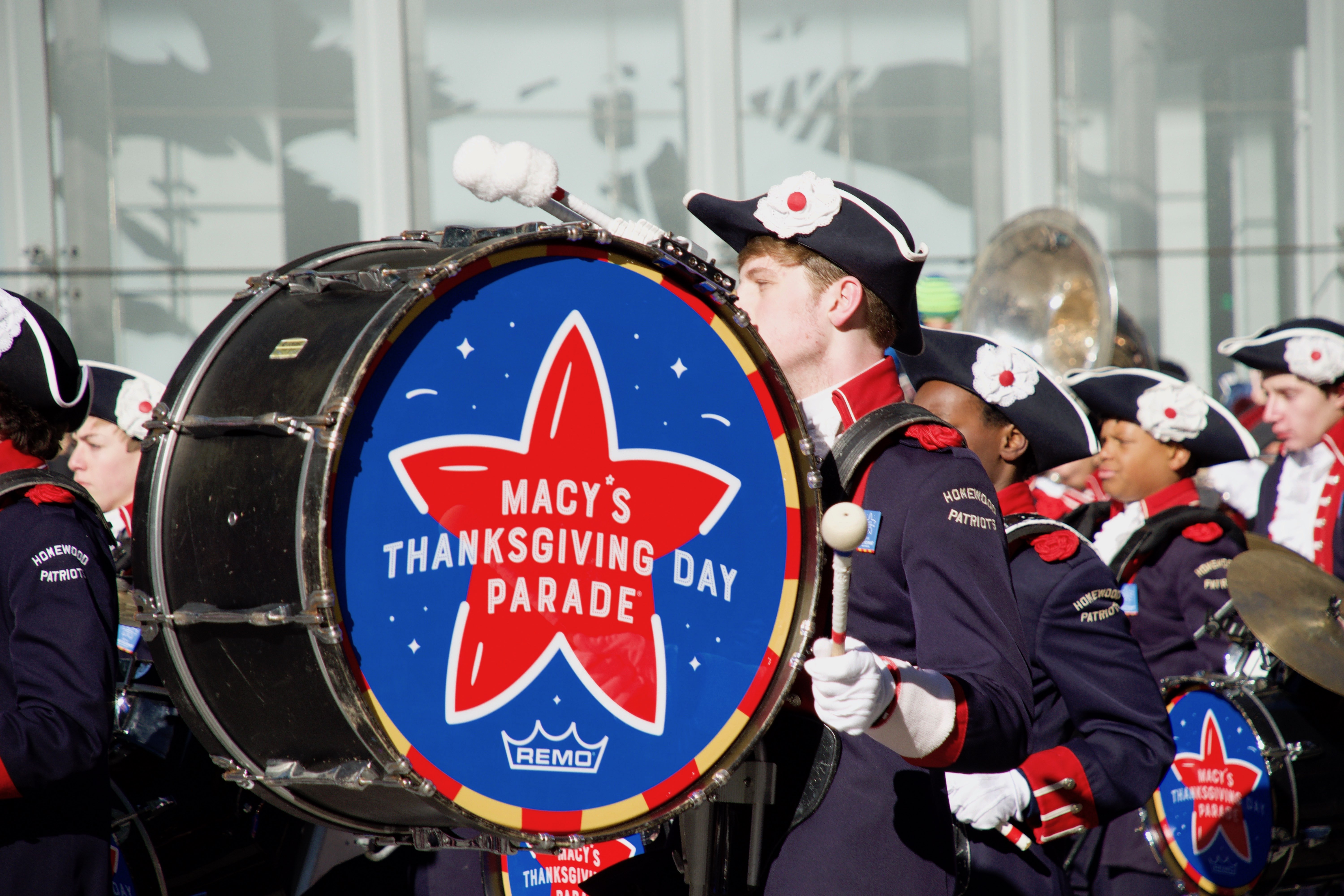
Homewood patriots

Rocking horse and float captain

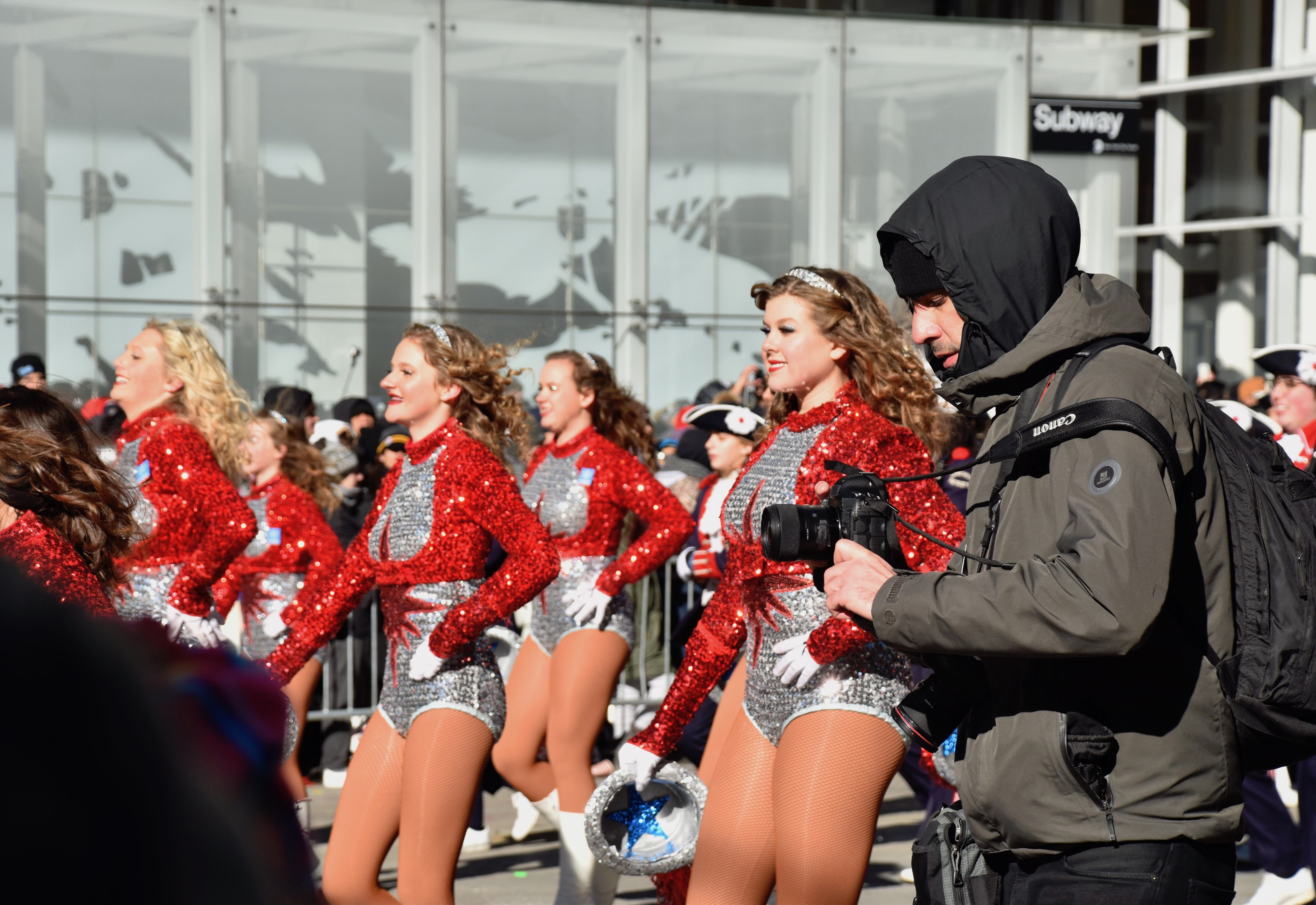
Marching band

Marching girls

HBO… from the inside!


Afternoon Jaunt to “Chromium Beach”

Chromium Beach Sunset

By Johna Till Johnson

They call it  “Chromium Beach”, not entirely in jest.  Back in the first half of the 1900s, a company called Mutual Chemical contaminated swathes of New Jersey with hexavalent chromium. One of those areas was in Liberty State Park, the green area to the west of the Statue of Liberty and Ellis Island, where there’s a lovely sandy beach on the Hudson shore.

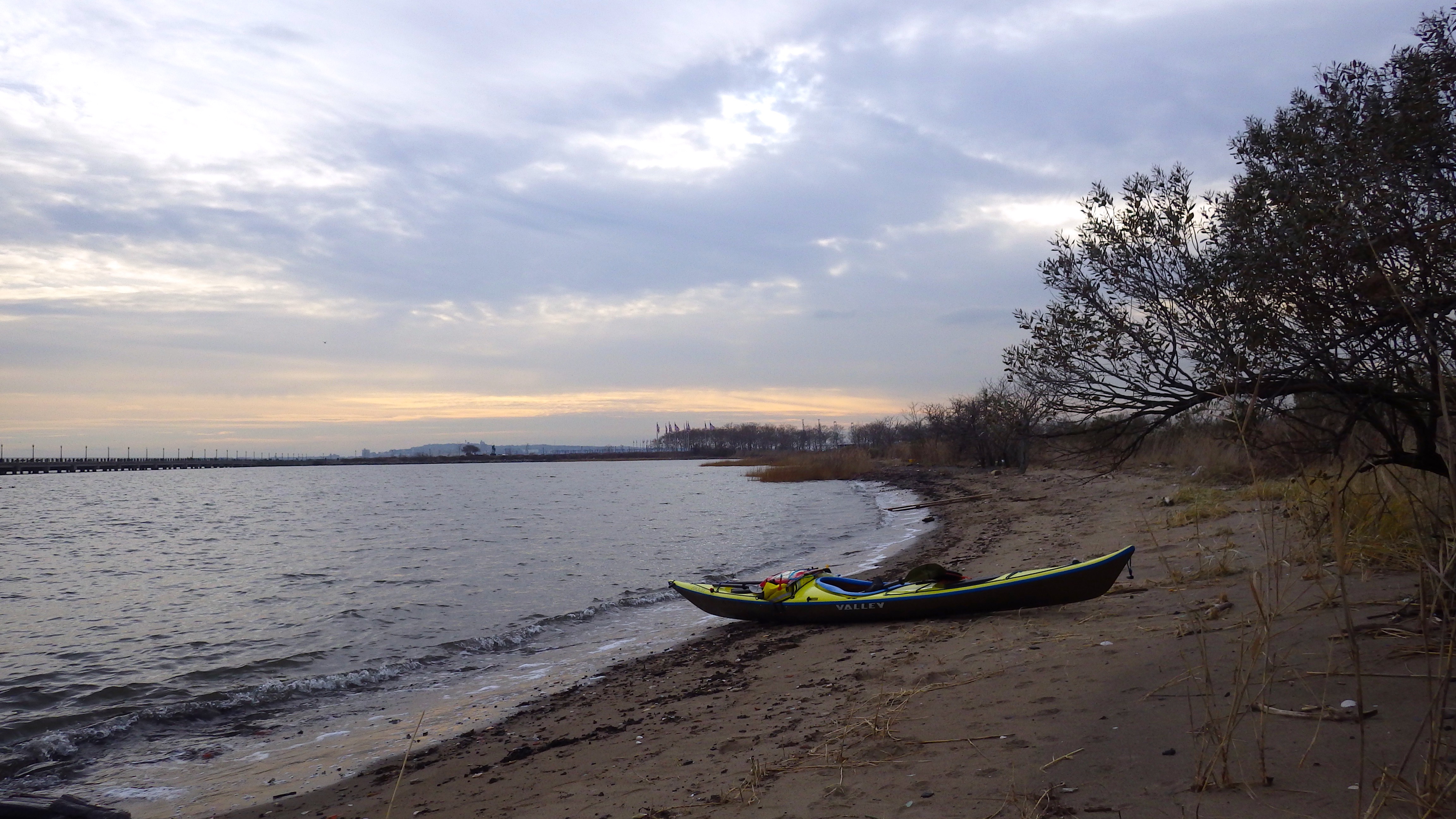
Chromium Beach is a popular destination for Manhattan kayakers, due to its proximity, its topology, and the scenic views it provides. It’s close enough to be an easy afternoon trip (assuming the currents are in your favor), and the beach landing is in calm, protected water.

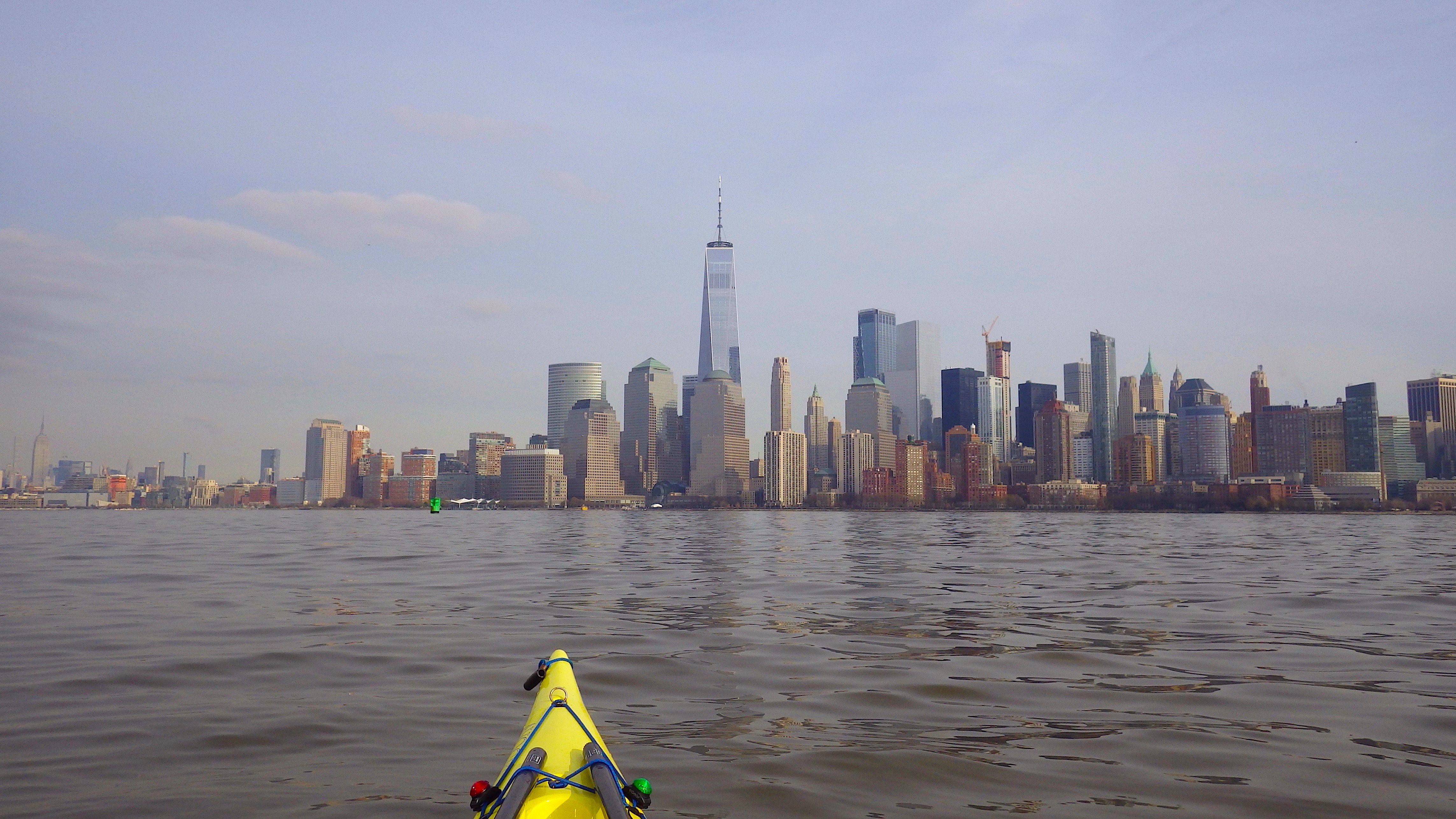
And the views! Oh, the views!

Manhattan

So it was a reasonable destination for the first day of December. I hadn’t paddled from Pier 84 in months, and was missing the bustle and churn of paddling in the New York waterways.

I set south around 12:15 with no clear destination in mind. By my calculations it was almost exactly slack, so I crossed over to New Jersey shore and wound my way down, hoping to use the back-eddy to combat the anticipated adverse current. My plan, such as it was, was to keep paddling until either the current or my inclination caused me to turn around.

There was still a reasonably strong ebb,  so I glided downriver at a fairly  rapid clip. The maritime radio was on, with the crackle and calls of a busy day on the water: “See you on two whistles, Cap’n?” “That’ll be fine! Two whistles.” “Okay, have a good day, Cap’n!”

I zipped under the bridge connecting Ellis Island to the New Jersey mainland. It was newly re-opened to kayak traffic after the 9/11 security closures, and I savored the opportunity to go around the calmer back waters to the west of Ellis and Liberty Islands.

A ghostly memory surfaced: Early one summer morning,  Vlad and I had stopped at a sandbar near the beach on the way to points south.  The sun was just rising, and baby hermit crabs had left tracks on the sand. I remember saying, “Look, Vlad, crabs!” (One of his research studies used crabs as subjects, and he was fascinated by the creatures.) For a moment, the air seemed touched with the shimmering golden promise of that morning.

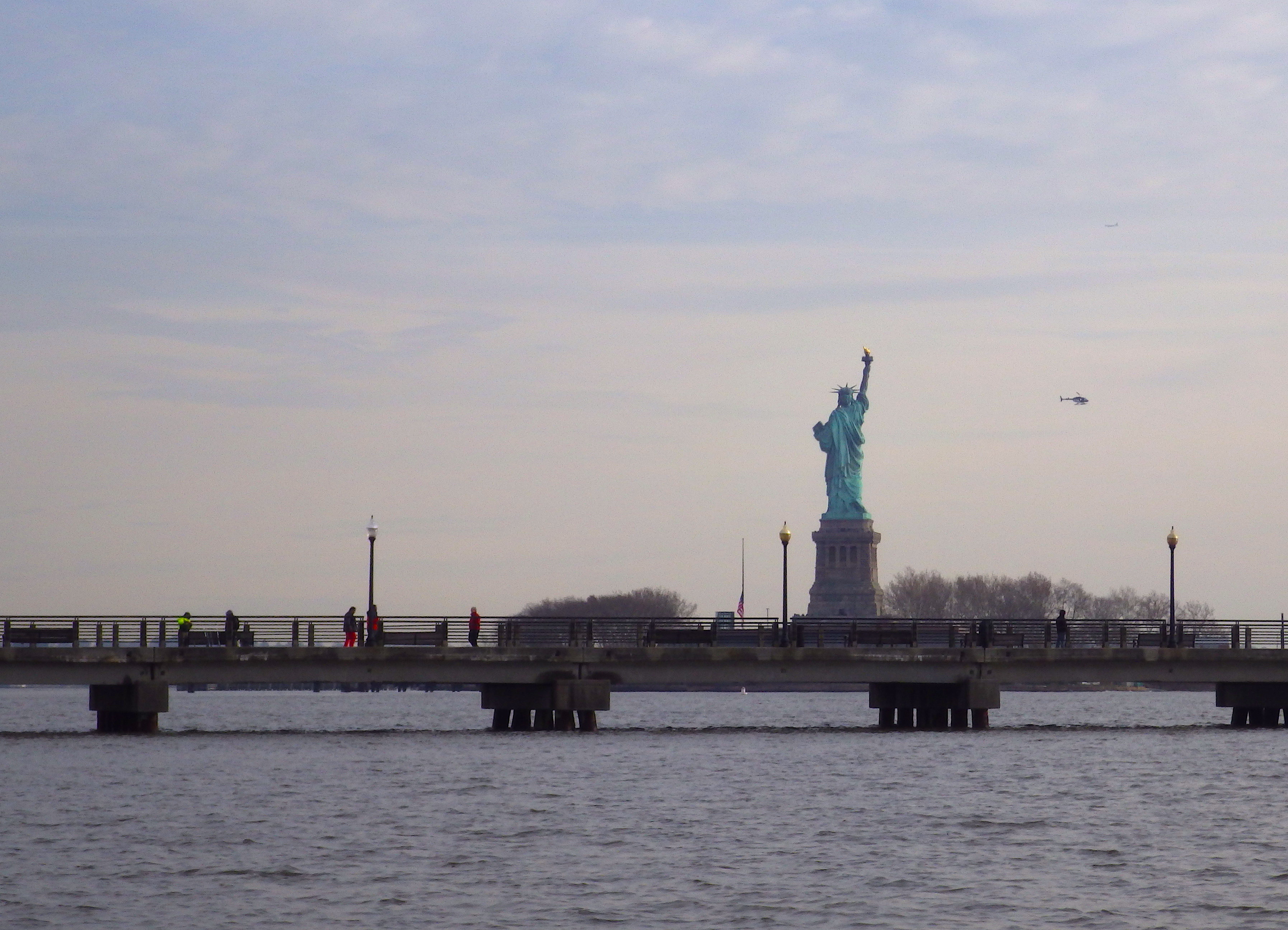
Statue of Liberty and Helicopter

Then the golden memory faded, and I was back in the reality of a gray, chilly winter day. There was no wind, and the water was calm, but brisk (temperature around 42 degrees). The air wasn’t much warmer. I was glad for the wool I was wearing under the drysuit.

My stomach growled, and the thought of hot cocoa took shape. I’d brought a thermos of it, and it seemed like a delightful idea to stop on Chromium Beach for a hot drink and a look at the view.

The late-afternoon light tinged the sky peach and gilded the skyline of Manhattan. Behind me: trees, grass, and parkland. In front of me: the lapping waves and some of the most iconic images in the country.

Soon after, I was back in the boat and heading North, keeping a sharp eye out for ferries. The flood was late and a bit sluggish, but the growing momentum gave a nice assist, and soon the skylines of New York and New Jersey were streaming by.

Pier 84 at Launch

I arrived back at Pier 84 at 3:45, happy and satisfied. It had been an ordinary trip. But no paddle is truly ordinary. Even the most prosaic is touched with magic!

Trip details:
Paddle Name: Chromium Beach 12-01-18
Craft: Photon (Valley Avocet)
Paddle Date: Dec 01, 2018
Paddle Launch Point: Pier 84, Manhattan Paddle
Launch Time: 12:15 PM 
End Point: Pier 84, Manhattan (went down to Chromium beach behind SOL and back)
Paddle End Time: 3:40 PM
Distance Traveled: 11 nautical miles
Time Paddling: 3.25 hours
Time Stopped: 10 minutes (cocoa on beach)
Average Pace: 3.38 knots