Category Archives: Science and Technology

Fun With Energy Transformation

By Johna Till Johnson

One of the pleasures of having a blog is the ability to quickly share really cool discoveries with like-minded people.  This morning, my friend Steve Crandall sent me the link to his most recent blog post entitled the delight of turning potential energy into kinetic energy.

As Steve writes in his most excellent post:

You’ve all seen videos of large domino chains.  By standing a domino on end you are increasing its potential energy.  Energy that can be released later when the domino tips, turning stored potential energy into the energy of motion – kinetic energy…..With a bit of cleverness you can weave a pile of wooden sticks into a structure storing the energy that you used to flex them for later release.  Fifty sticks will give you and idea – a thousand will give you something wonderful.

He’s not kidding. Wish I had the time and floor space to try it!

If you want to try it, Steve’s post also has a how-to-do-it video.

By the way, I first met Steve at an event hosted by Coburn Ventures. We bonded over shared interests in physics and energy—along with the fact that we both have synesthesia, in my case quite mild and in his, rather intense.

The Engineer Who Transformed Shipping

By Johna Till Johnson

I have a weird habit, one that I share with many other (equally weird) folks: I love to read obituaries.

“Isn’t that morbid?” you’re thinking. On the contrary: Obituaries usually make me happy.  A good obituary is a celebration of the life and times of a person I’ve probably never heard of, but end up wishing I’d met.

And though I’m sorry to have missed that person, it’s enlightening to know they once existed. It reconfirms my bedrock belief that the world is a far stranger and more interesting place than I’ll ever fully know.

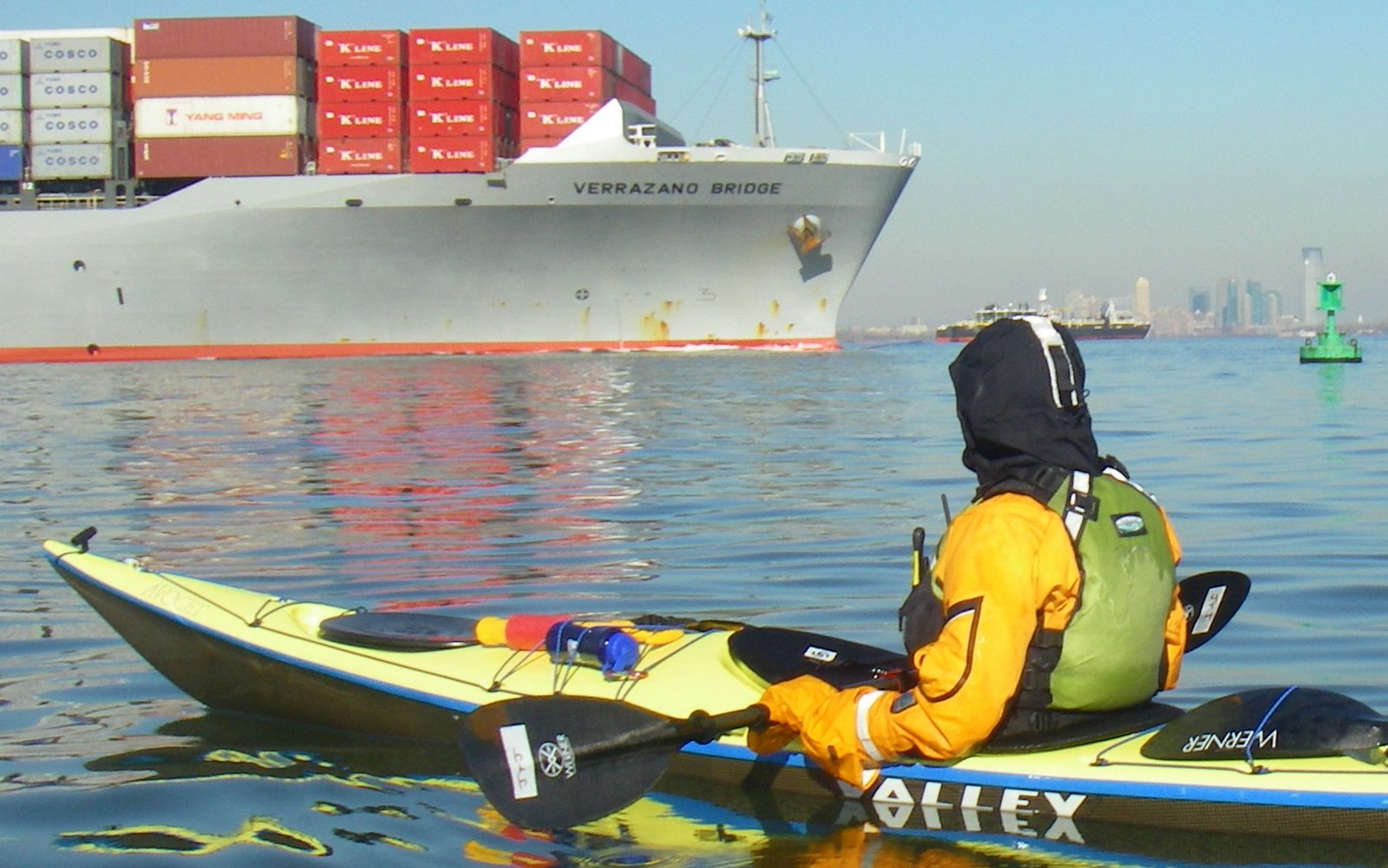
I also happen to be deeply intrigued by shipping containers. One of the great joys of paddling is the up-close-and-personal look you get at shipping containers. Stacked on barges. Loading and unloading from docks. And occasionally, strewn randomly across the landscape.

I marvel at their ingenuity of form, at the fact that they can be stacked so high without (apparently) ever falling over, and lifted and transported securely. I occasionally wonder what it’s like to live in one, given that they’re about as large as the typical Manhattan studio. (Don’t laugh. It’s apparently a growing trend—and it’s eco-friendly to boot.) And of course, I think about the individual who first invented them.

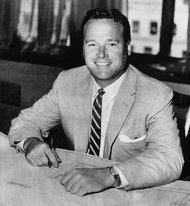
As you’ve probably guessed, the engineer who created the modern shipping container died recently. If you’re too busy to click on the link, here’s the short version: His name was Keith Tantlinger. He died at 92. He lived mostly on the West Coast (California and Washington State) where he worked on tools to build the B-17 “Flying Fortress” bomber during WWII.  And his crucial engineering insight that created the modern shipping container was the Twistlock “locking corner”, a simple and effective mechanism that made it possible to safely stack shipping containers many layers high.

And the smiling photo that accompanies his obituary (taken in 1958, right around the time when he was working on shipping containers) shows a young man enjoying the rush of creativity, and confidently aware that he’s changing the world.

A world that continues to be stranger and more interesting than we’ll ever fully know… which makes me very happy indeed.

Irene and Lee Have Left Quite a Mess in New York Harbor…

By Vladimir Brezina

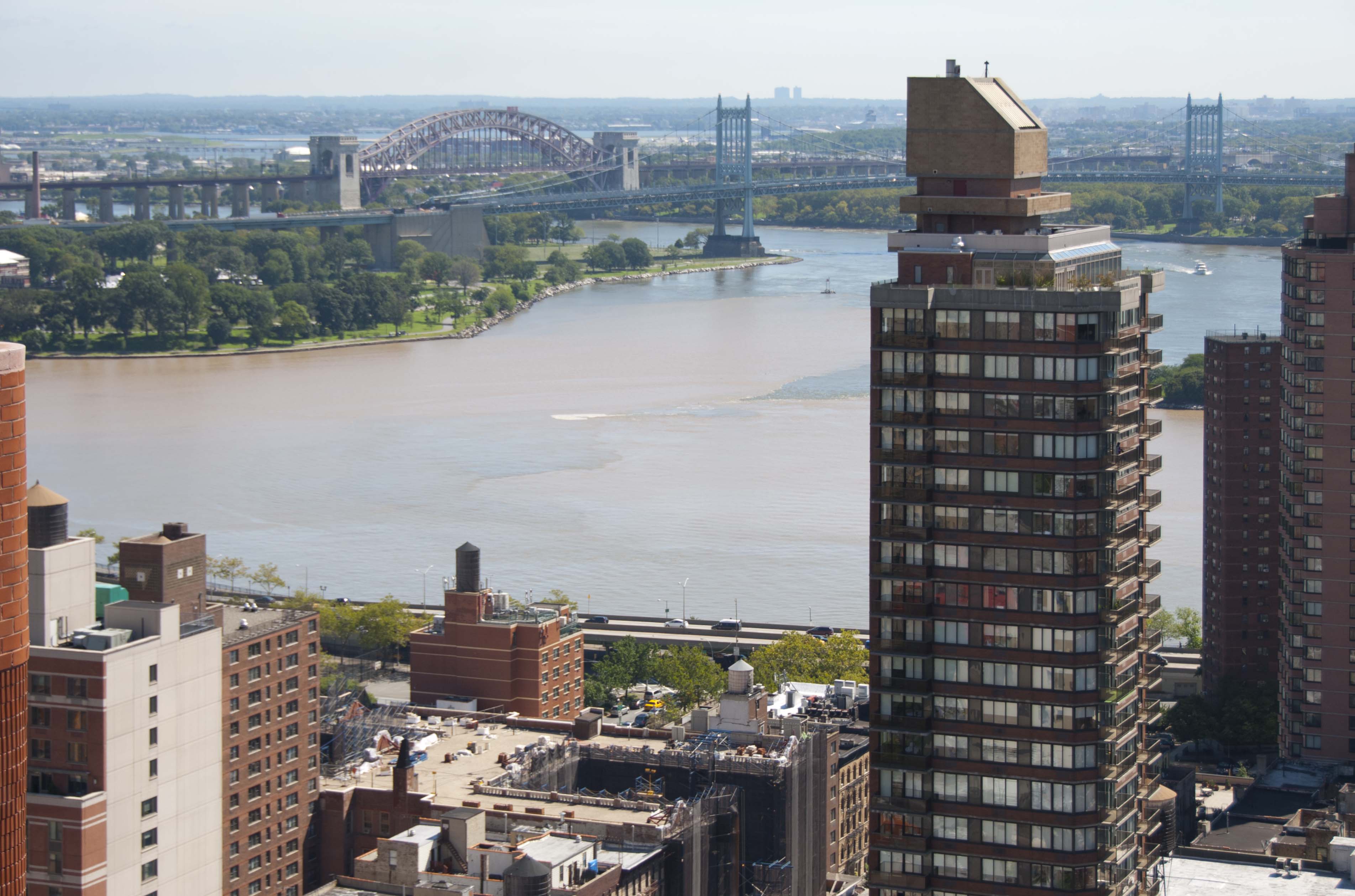
These tropical storms have certainly stirred things up! Hurricane Irene came through ten days ago and deluged the entire region, and a couple of days ago Tropical Storm Lee repeated the performance. This morning, looking out of the window on Manhattan’s Upper East Side, we saw a strange sight in Hell Gate…

Continue reading

Easy Test

By Vladimir Brezina

In their article Do We Really Need a National Weather Service?, Iain Murray and David Bier of the Competitive Enterprise Institute (“Free Markets and Limited Government”) advocate abolishing the National Weather Service. They have an unanswerable argument:

The NWS claims that it supports industries like aviation and shipping, but if they provide a valuable contribution to business, it stands to reason business would willingly support their services. If that is the case, the Service is just corporate welfare. If they would not, it is just a waste.

And yet…  When in 640 A.D. the Arabs conquered Alexandria, the question arose what to do with the Great Library, the repository of the learning of the ancient world. Caliph Omar (allegedly) decided:

The contents of those books are in conformity with the Koran, or they are not. If they are, they are superfluous; if they are not, they are pernicious. Let them, therefore, be destroyed.

And so they were.

It’s Not the Wind, It’s the Rain

By Vladimir Brezina

So, Hurricane Irene has come and gone.

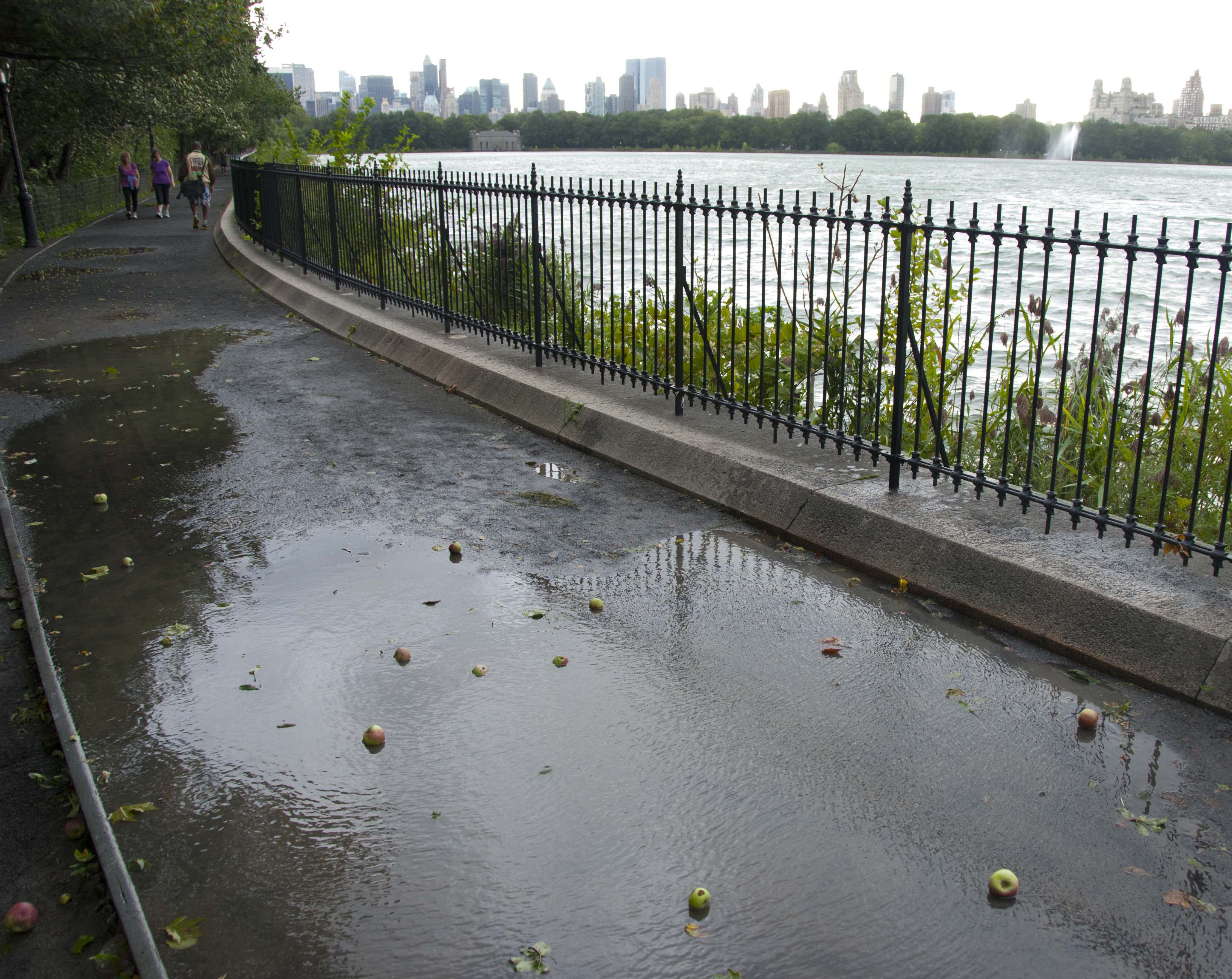
In Manhattan—certainly in our corner of the Upper East Side—she hardly happened. Yes, there was quite a lot of rain (in Central Park, almost 7 inches), but not all that much wind. Walking round the Central Park Reservoir yesterday afternoon, I didn’t see a single tree down. (As compared, for instance, to the hundreds brought down almost exactly two years ago by a single violent thunderstorm, the scars of which are still visible.) There were torn leaves scattered everywhere, and the Reservoir was much fuller than usual. But that’s it.

In the rest of Manhattan, too, reporters were hard pushed to show anything really dramatic. The water lapping over the seawall at the Battery was shown over and over.

As a result, New Yorkers feel let down, and worse. The readers’ comments in the New York Times are running heavily against Mayor Bloomberg for ordering major precautions—massive evacuations, a shut-down of the entire transportation system—that, according to the Monday morning quarterbacks, were an absurd overreaction that was obviously motivated by the Mayor’s desire to compensate for his underreaction to last winter’s snowstorm. And where do we get a refund for the two lost days on our Metrocard?

Be that as it may, that’s taking a very narrow view of how catastrophic Irene in fact was.

Continue reading