By Vladimir Brezina
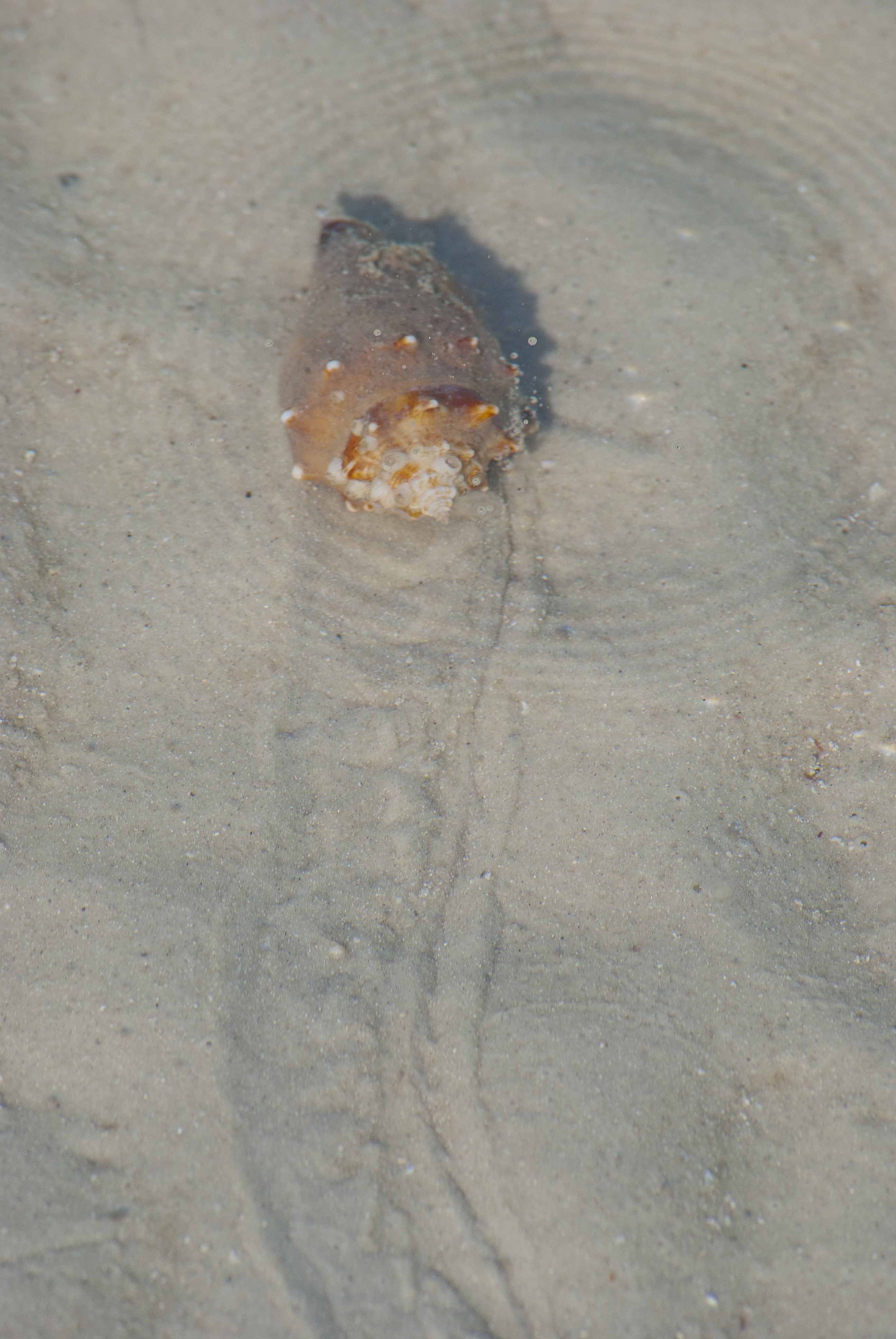
… like a sea-anemone
Or simple snail, there cautiously
Unfolds, emerges, what I am.
Philip Larkin, Best Society

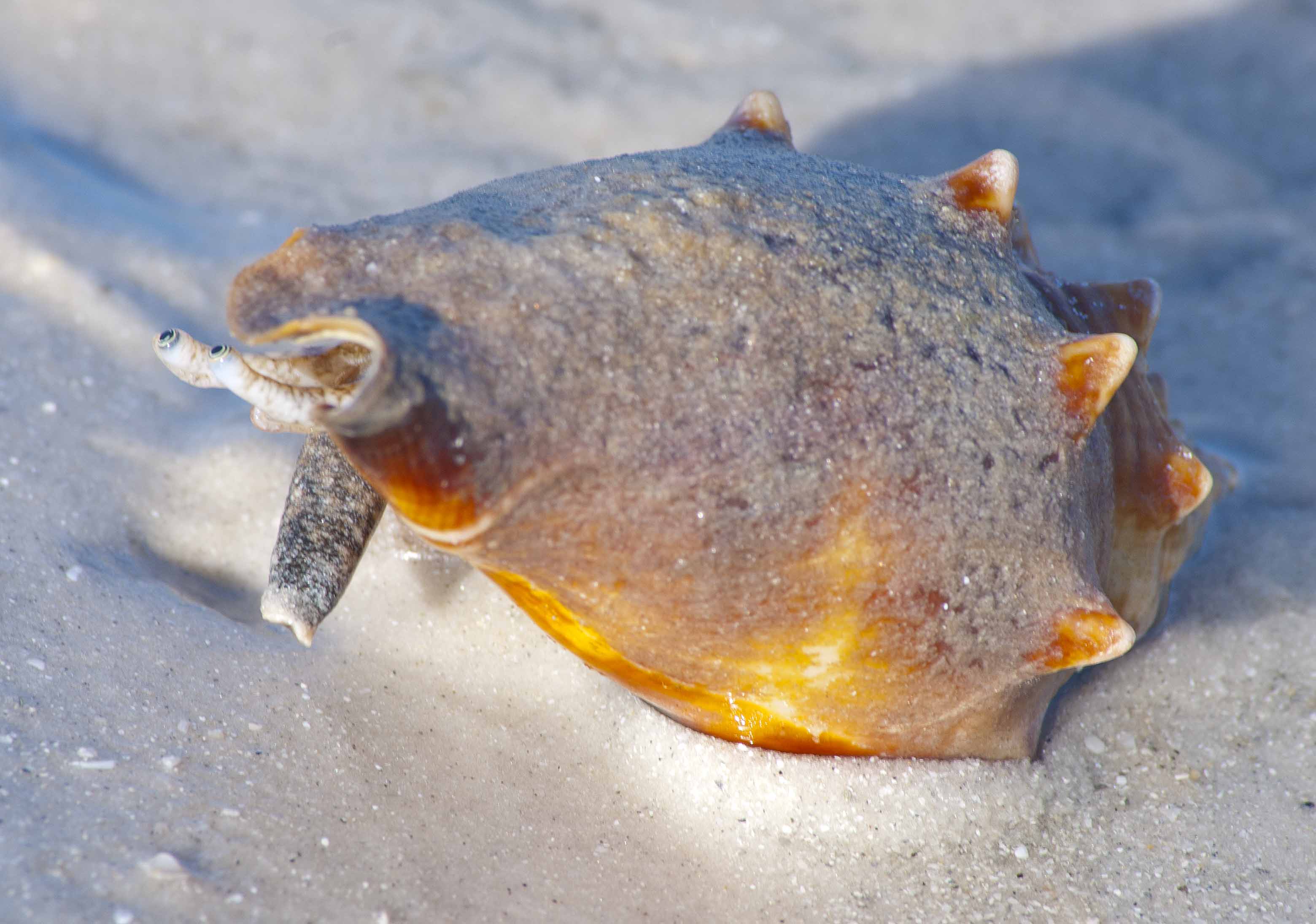

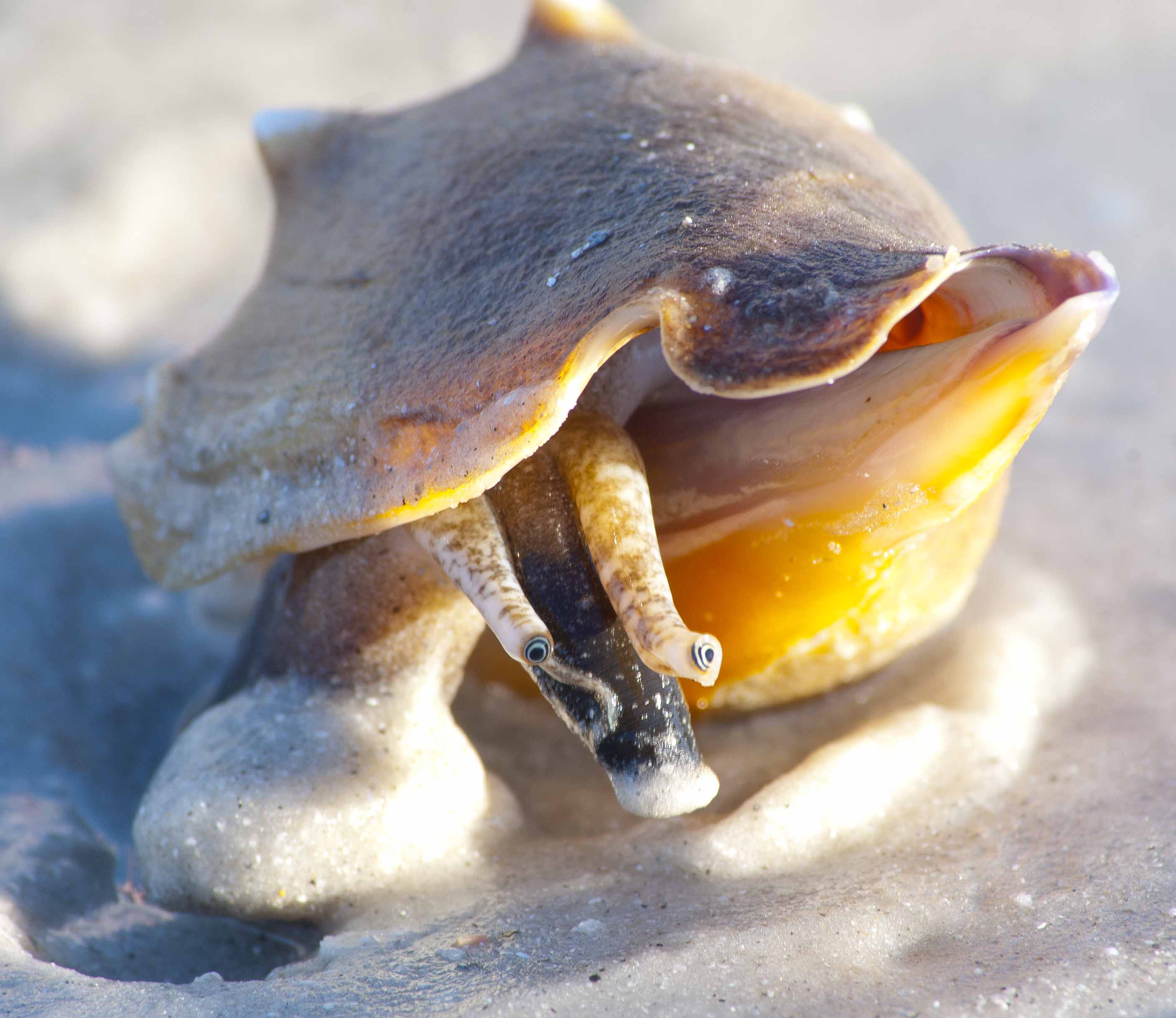
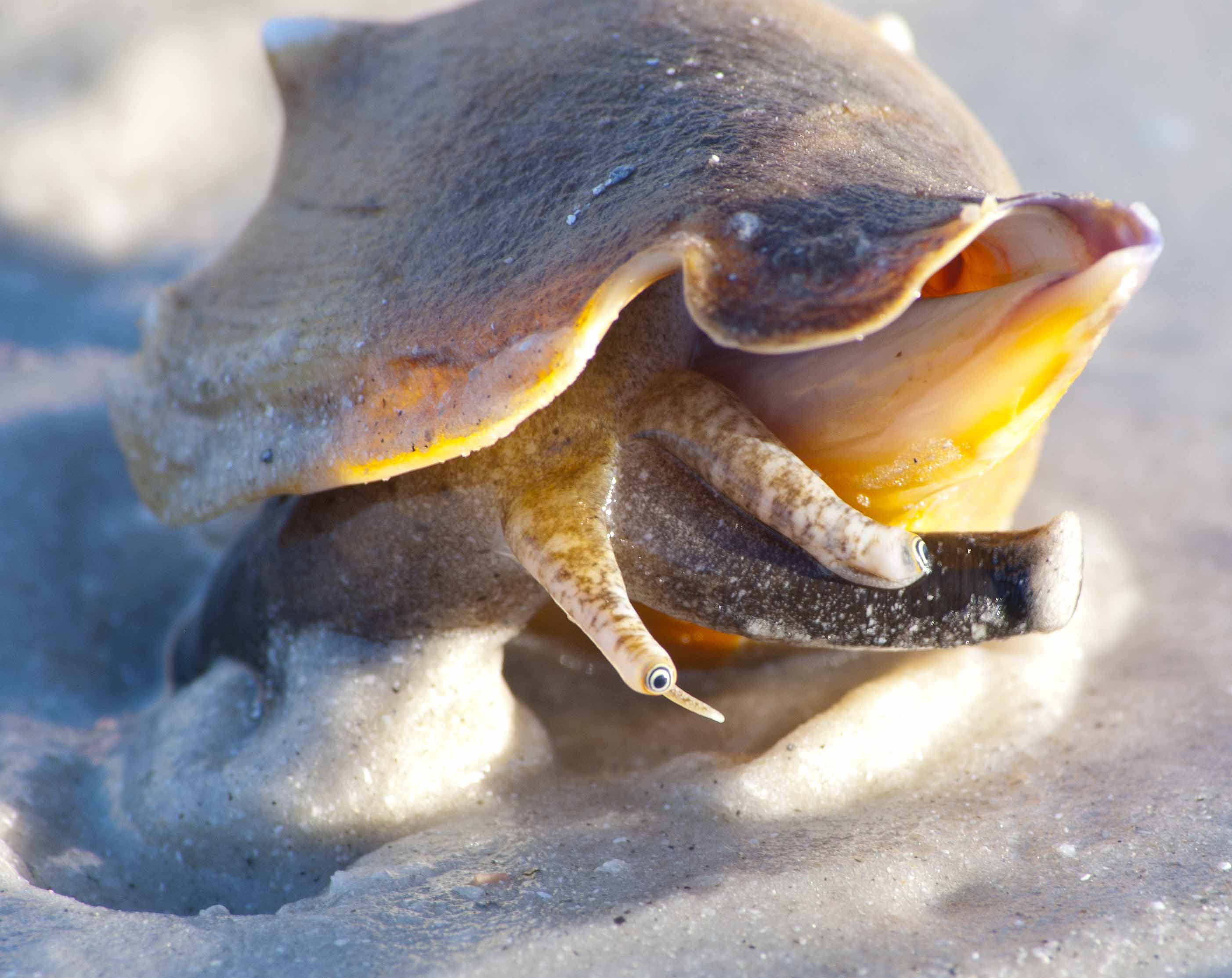
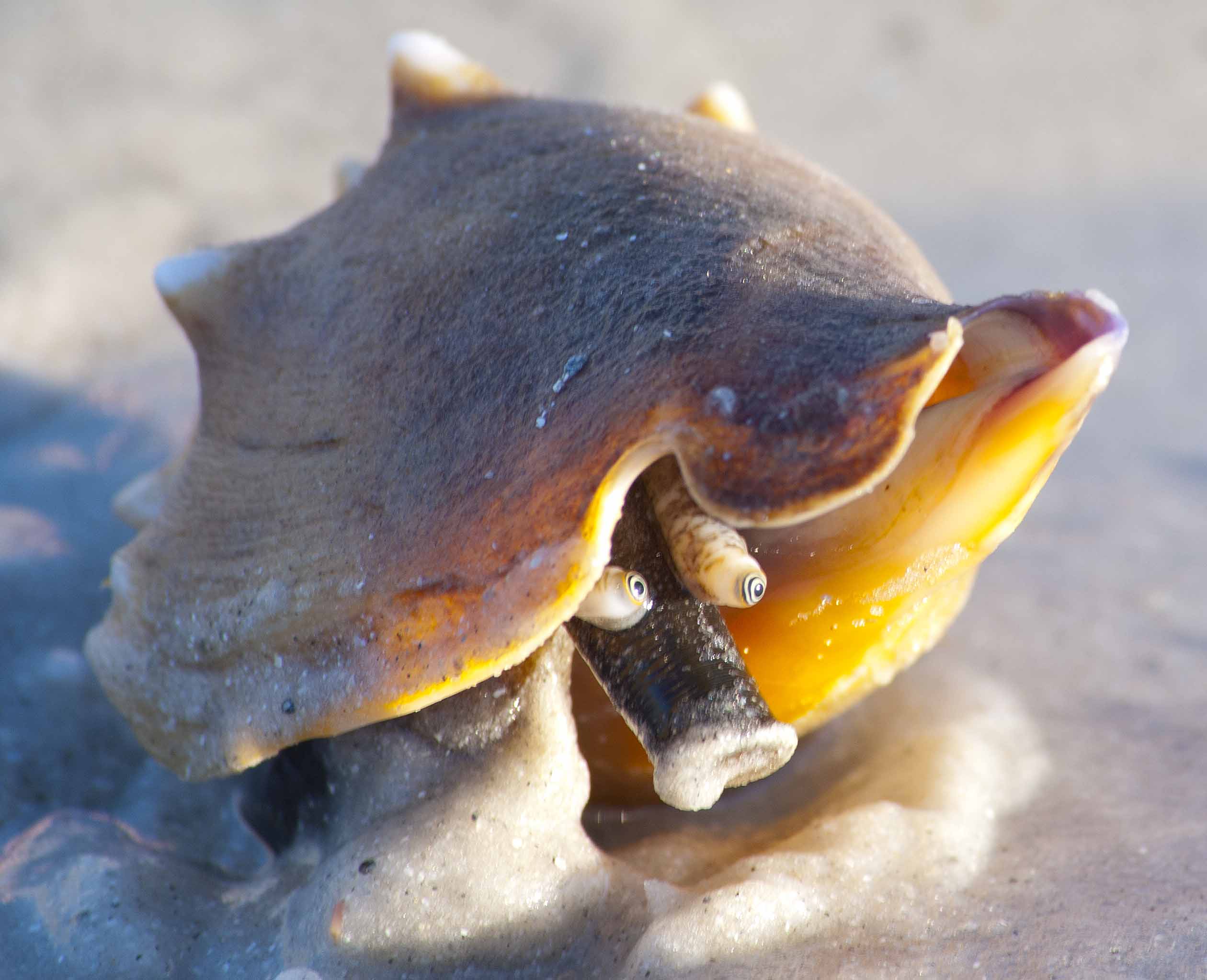

But, contrary to Larkin, the best society is not always solitude…
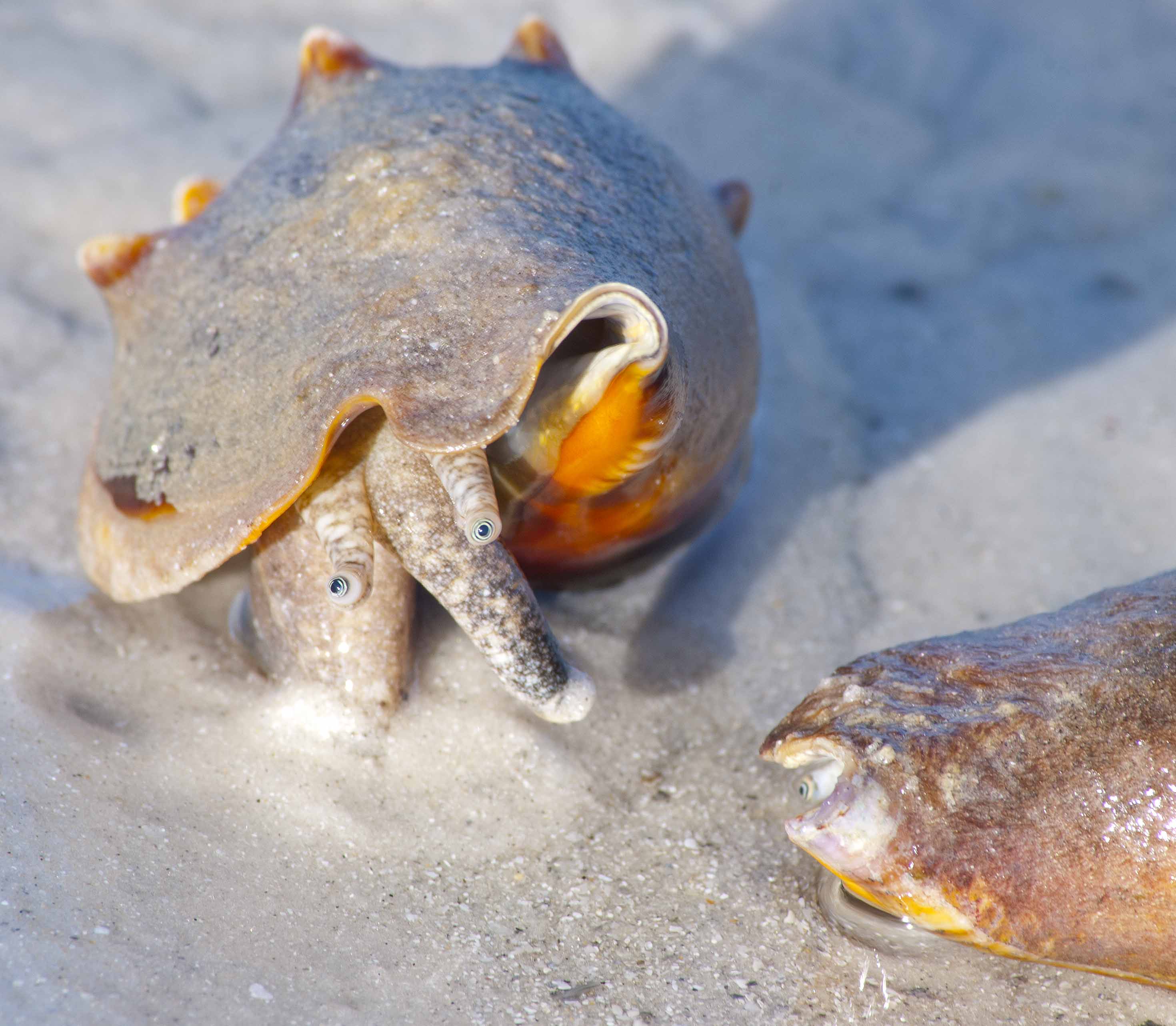
(St. Pete Beach, Florida, December 2012)

By Vladimir Brezina
… like a sea-anemone
Or simple snail, there cautiously
Unfolds, emerges, what I am.
Philip Larkin, Best Society
But, contrary to Larkin, the best society is not always solitude…
(St. Pete Beach, Florida, December 2012)
Posted in Literature, Nature
Tagged Emergence, Florida, Philip Larkin, Photography, Poetry, Snail, Unfolding
By Vladimir Brezina
Ailsa’s travel-themed photo challenge this week is Transportation.
It’s amazing how much stuff can be transported in a sea kayak! When setting out on a kayak expedition, there’s no need to leave the creature comforts at home. Compared to a multiday backpacking or bicycle trip, a sea kayak expedition is a positively luxurious experience
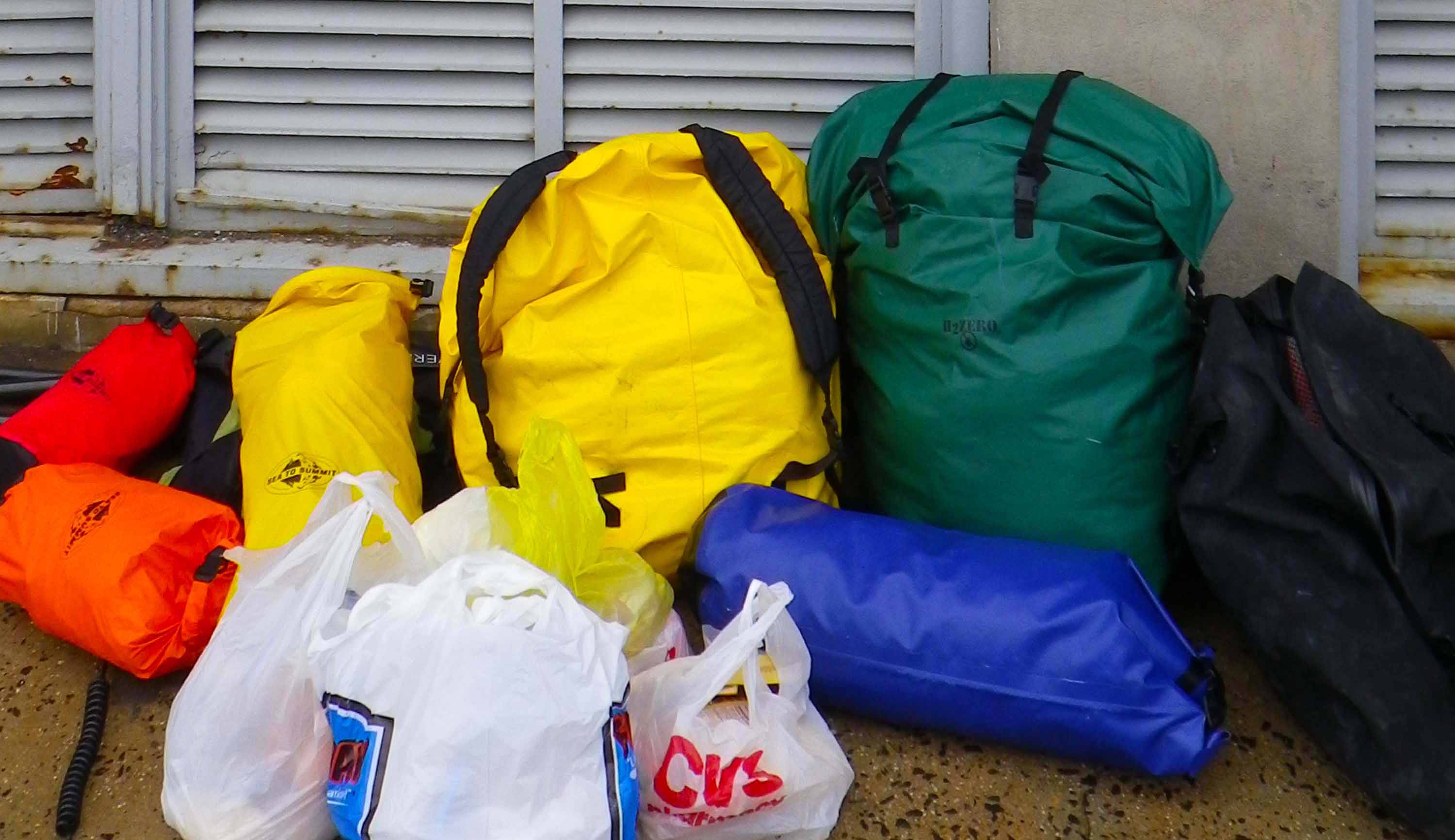
… until each morning, when all that stuff has to be fitted back into the kayaks
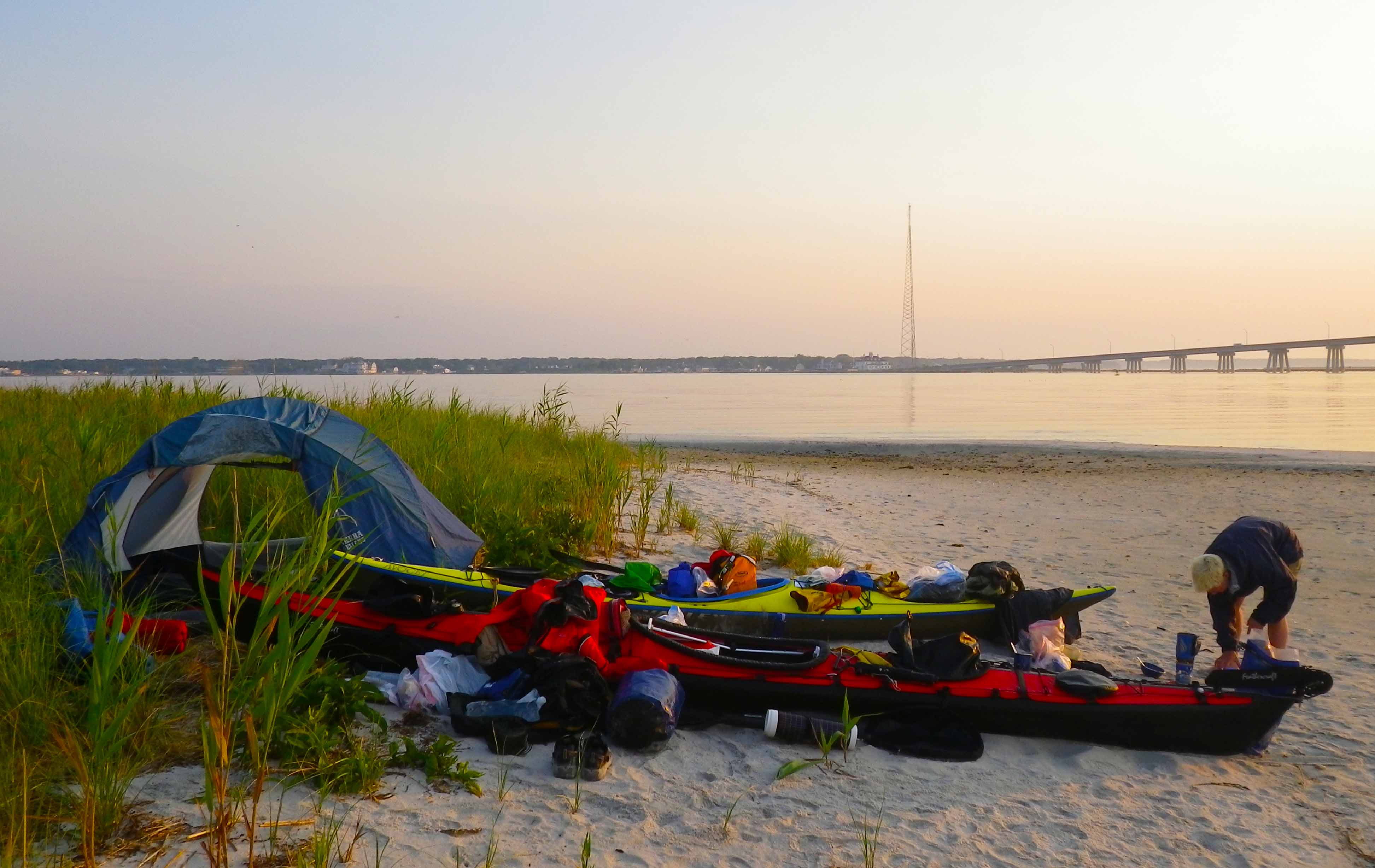
We put off the packing as long as we possibly can and stand around drinking coffee
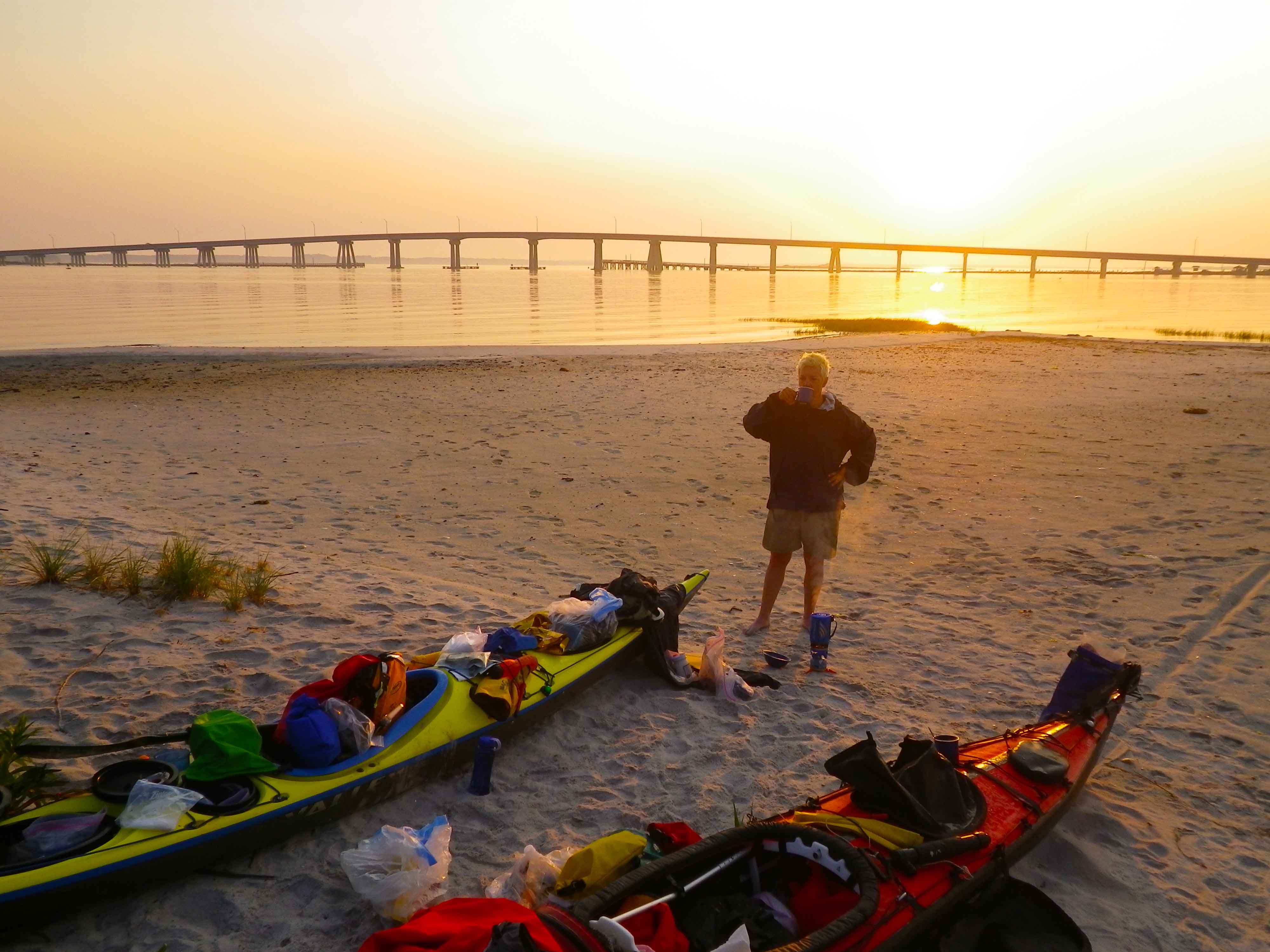
It’s such a relief to have the last bag in the boat, to snap on the sprayskirt and push off into new waters…
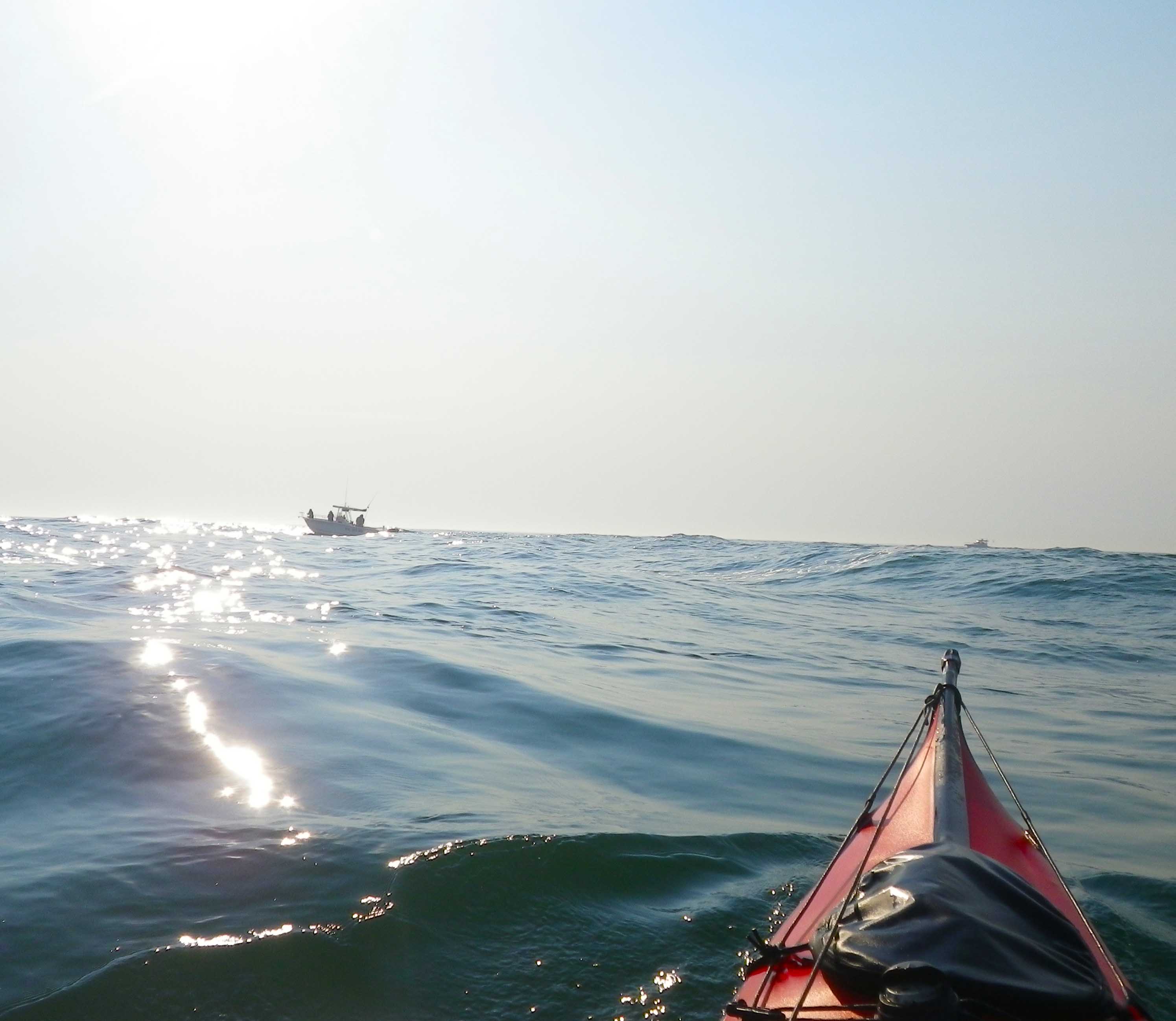
(Photos from our 2011 Albany to New York trip and our 2012 Long Island circumnavigation)
Posted in Kayaking, Photography
Tagged Kayak Camping, Kayak Expeditions, Photography, postaday, postaweek, postaweek2012, Sea Kayaking, Transportation, Travel, Weekly Photo Challenge
By Vladimir Brezina
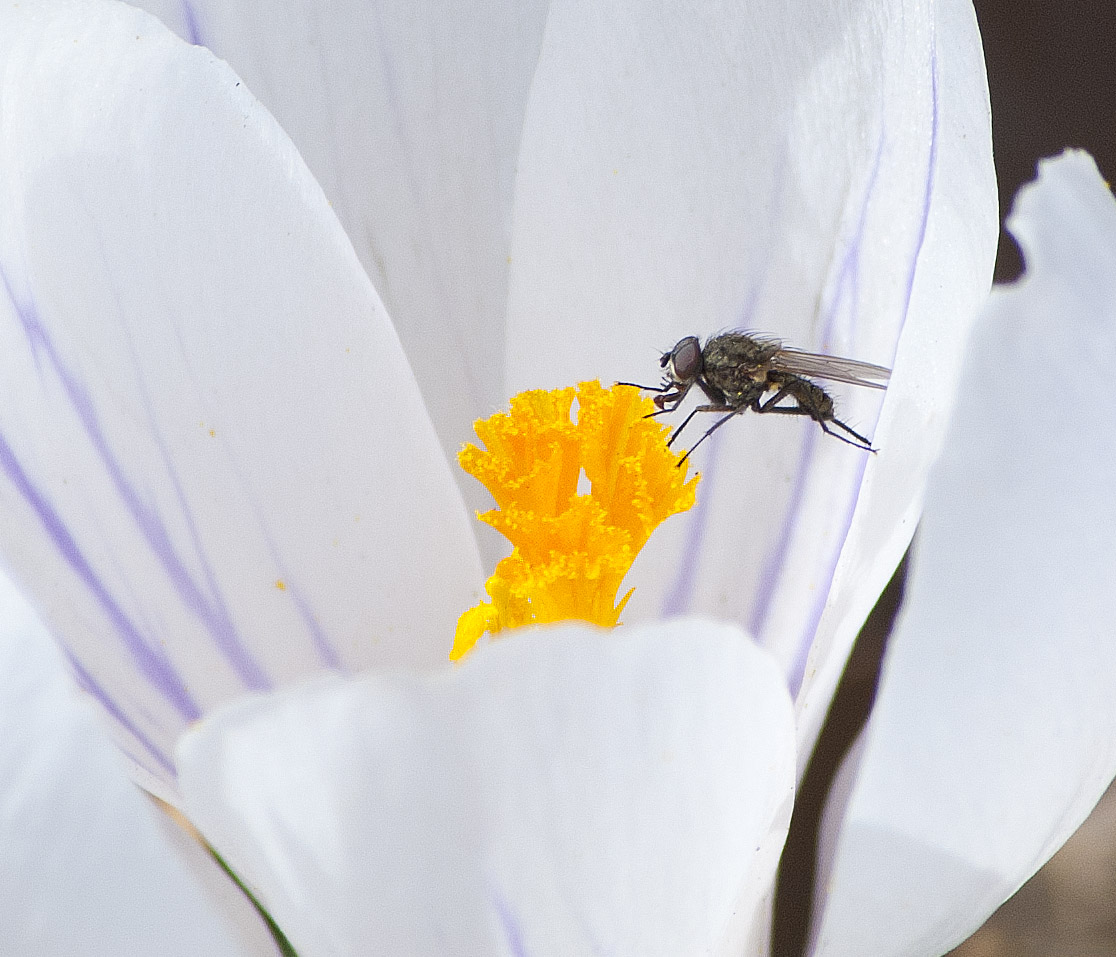
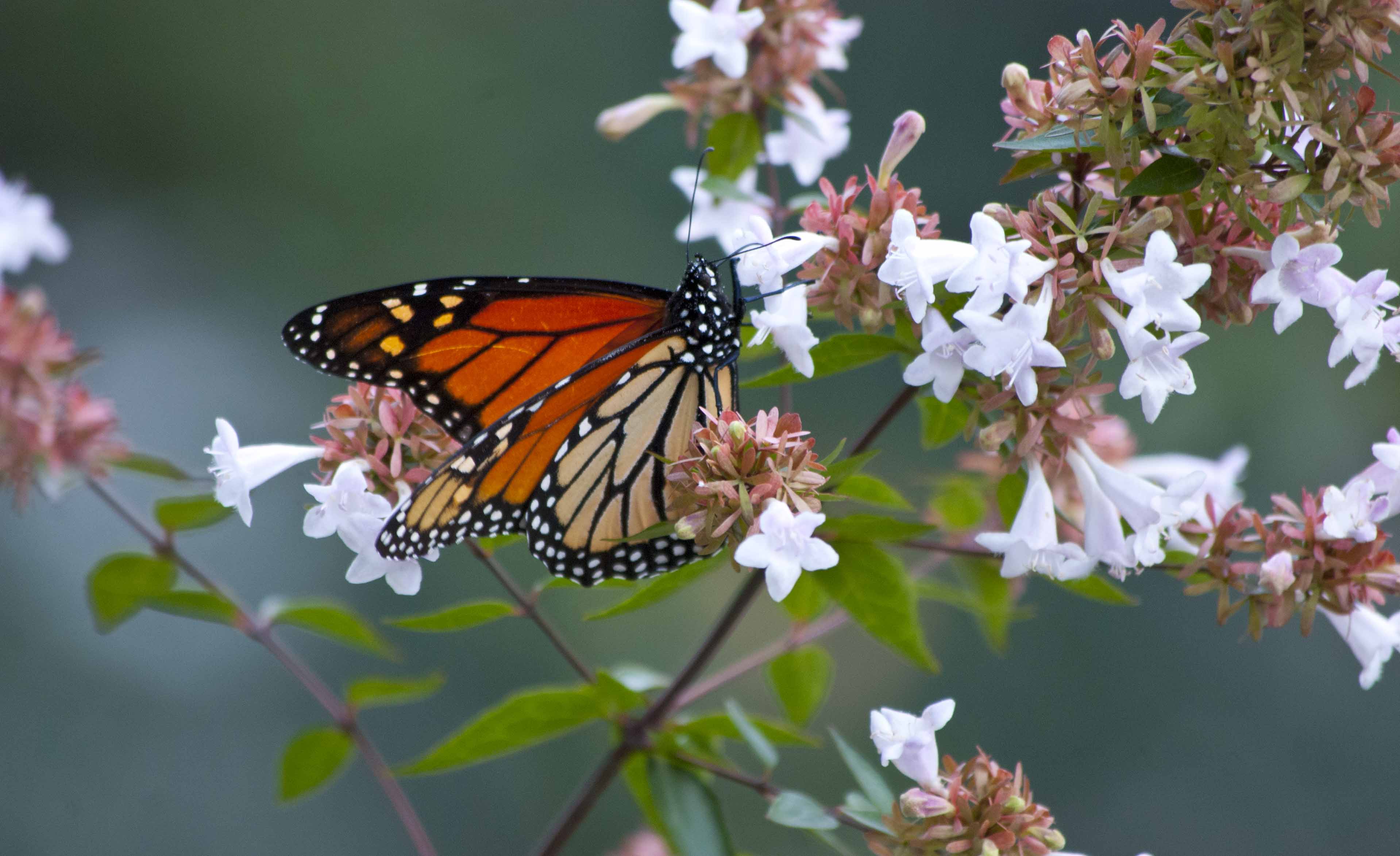
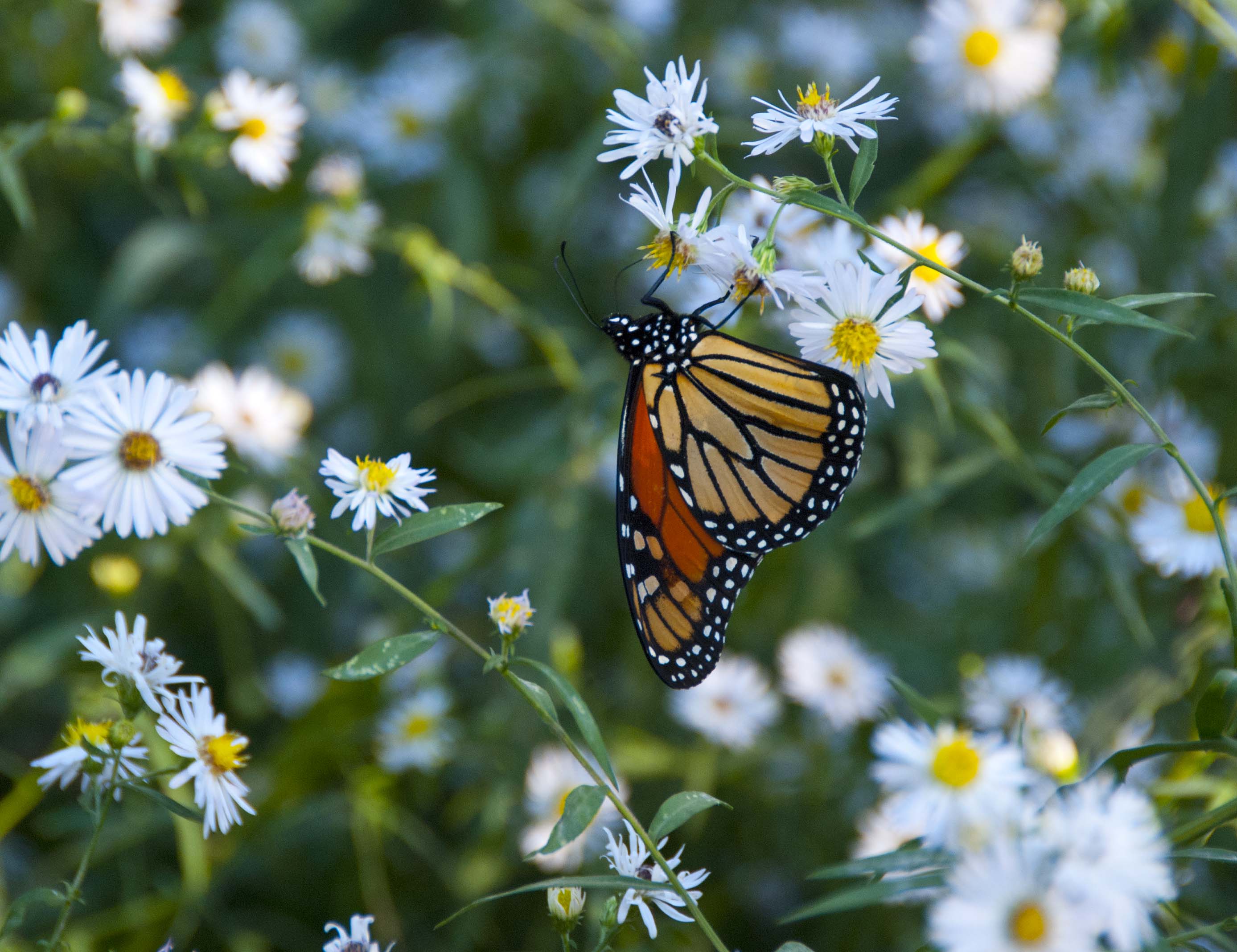
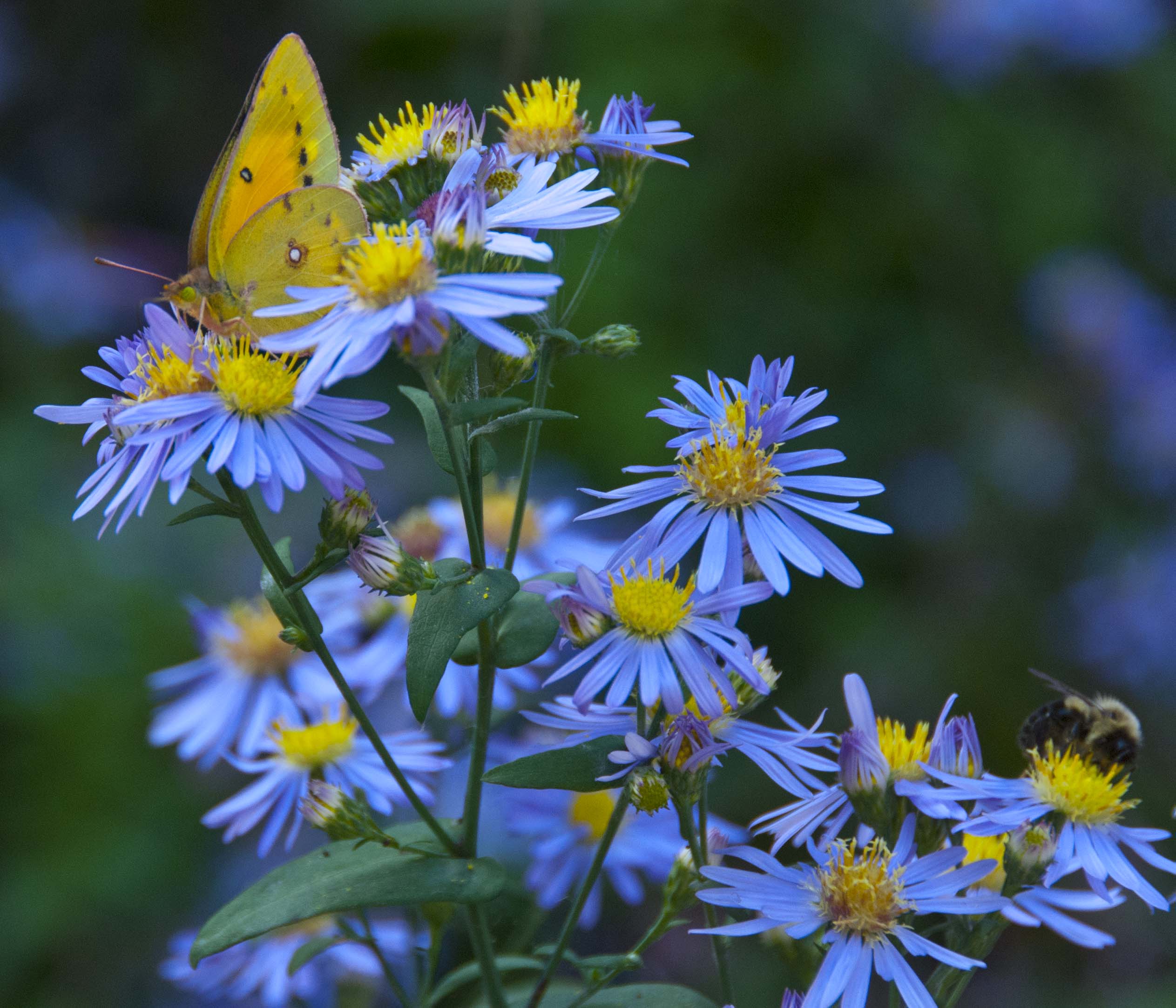
This week’s Photo Challenge is Delicate.
Flowers, of course… but also the way insects hold on to them, right way up or upside down, with a delicate touch…
Posted in Nature, Photography
Tagged Delicate, Flowers, Insects, Photography, postaday, postaweek, postaweek2012, Weekly Photo Challenge
By Vladimir Brezina


By Johna Till Johnson
Photos by Vladimir Brezina

Quite the athlete–in six inches of water!
I’m not athletic.
Or at least, I never thought I was. True, I’d been on a couple of teams when I was young (fencing, swimming) and been told I had “potential”.
But the formative comment on my athletic abilities came from a gymnastics coach when I was 8: “She hasn’t got it.”
By “it” he meant “kinesthetic sense”—that ability to know exactly where your body is and what it’s doing at every moment. It’s an ability that’s foundational for most athletic endeavors.
The coach was right—I didn’t have it, and I could see its lack in my everyday life.
I fell off things, or tripped and landed face-forward (my lower lip has been split so many times my dentist is in awe of the scar tissue). Especially early on, I could drive my kayak coaches to despair with my inability to understand basic movements: “Move the blade up, Johna… no, UP… Johna, just LOOK at me!”
So I internalized that lack, and for a while it defined me. I had many other strengths, but no kinesthetic sense—or so I thought.
Here’s what I didn’t know then, and know now: Kinesthetic sense—and with it, athletic ability—can be learned.
Sure, there are prodigies who have it at birth, and many more in whom it develops rapidly with just a minimum of encouragement. Like other human abilities, athletic talent appears to be distributed along a spectrum.
But for those of us on the “don’t have it” end of the spectrum, it’s possible to develop it by thinking about your body, what it does, and how it moves.
A revelatory moment came last year when I was taking CrossFit classes. The coach was a wool-cap-wearing tattooed guy in his 20s with interesting facial hair and the wiry body of a professional skateboarder.
“There’s one fundamental athletic motion, ” he told me, and demonstrated it: Driving your body upwards using your legs as a spring, straightening your bent knees and driving from your heels.
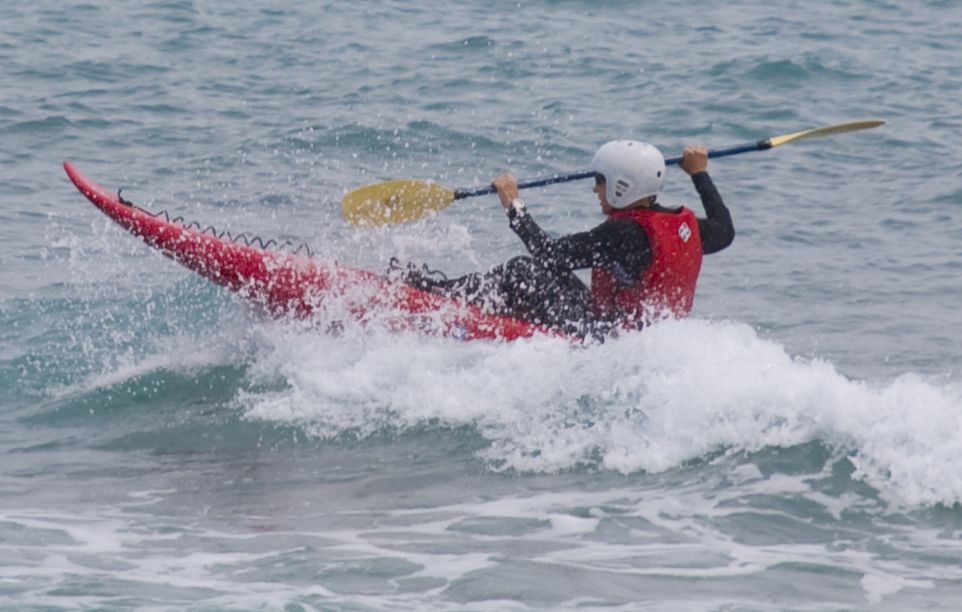
Learning to kayak-surf (before developing my kinesthetic sense)
Damn if he wasn’t right! It’s the classical motion of kayaking (driving your heels forward to propel the boat forward with your strokes). But you also see it in practically every other sport, from basketball to golf to rock-climbing. To get it right, everything has to be in proper alignment (heels, knees, back, shoulders) and even the positions of your toes and your neck matter.
CrossFit taught me to pay attention to form, because the coaches encouraged us to do weighted squats—and if you do squats with poor form, you blow out your knees (and potentially create insurance liabilities for the CrossFit gym). Good coaches are therefore dogmatic about teaching you the right form.
So I spent hours watching myself in the mirror, lifting weights and struggling with chinups and situps. I’d shut my eyes and try to feel where my knees, toes, and shoulders were—then open my eyes and see how close I’d guessed.
The attention to form paid off in kayaking—suddenly, I made progress in areas that had been baffling to me in the past. And the more I thought about where my body was and what it was doing, the better I got.
I recently took up barefoot running, which is all about proper form. You have to think about curving your toes up (you want to land on the balls of your feet, shift your weight to your toes, and then to your heels). And you need to keep your neck relaxed and your shoulders back… and use that “fundamental athletic motion” to drive yourself along.
And for once in my life, I’ve found an athletic activity that’s easy for me. That attention to form feels natural, innate. No, I’m not fast—but my goal isn’t to be fast. If I’m moving, I’m going as fast as I need to. My goal is to develop the form and motion that will allow me to run as much as I want—and I don’t know how much that will be, yet.

Practicing my low brace form (don’t want to fall into the Gowanus Canal!)
What’s even more interesting, though, is how the whole experience has changed how I move my body in everyday life. I find myself doing the “drive” when I get up from a chair, or instinctively adjusting my balance as I climb the stairs, thinking about whether my center of gravity is over my heels or my toes. And my movements have gotten more graceful and confident—like those of the “natural” athletes I know.
I doubt that having a kinesthetic sense will ever be instinctive for me. And the coach was undoubtedly right—I would likely never have made it to the upper echelons of gymnastics.
But the fact that, as an adult, I can acquire “it” is eye-opening to me.
If someone who “hasn’t got it” can become athletic—what other seemingly impossible things might be possible, after all?
By Vladimir Brezina
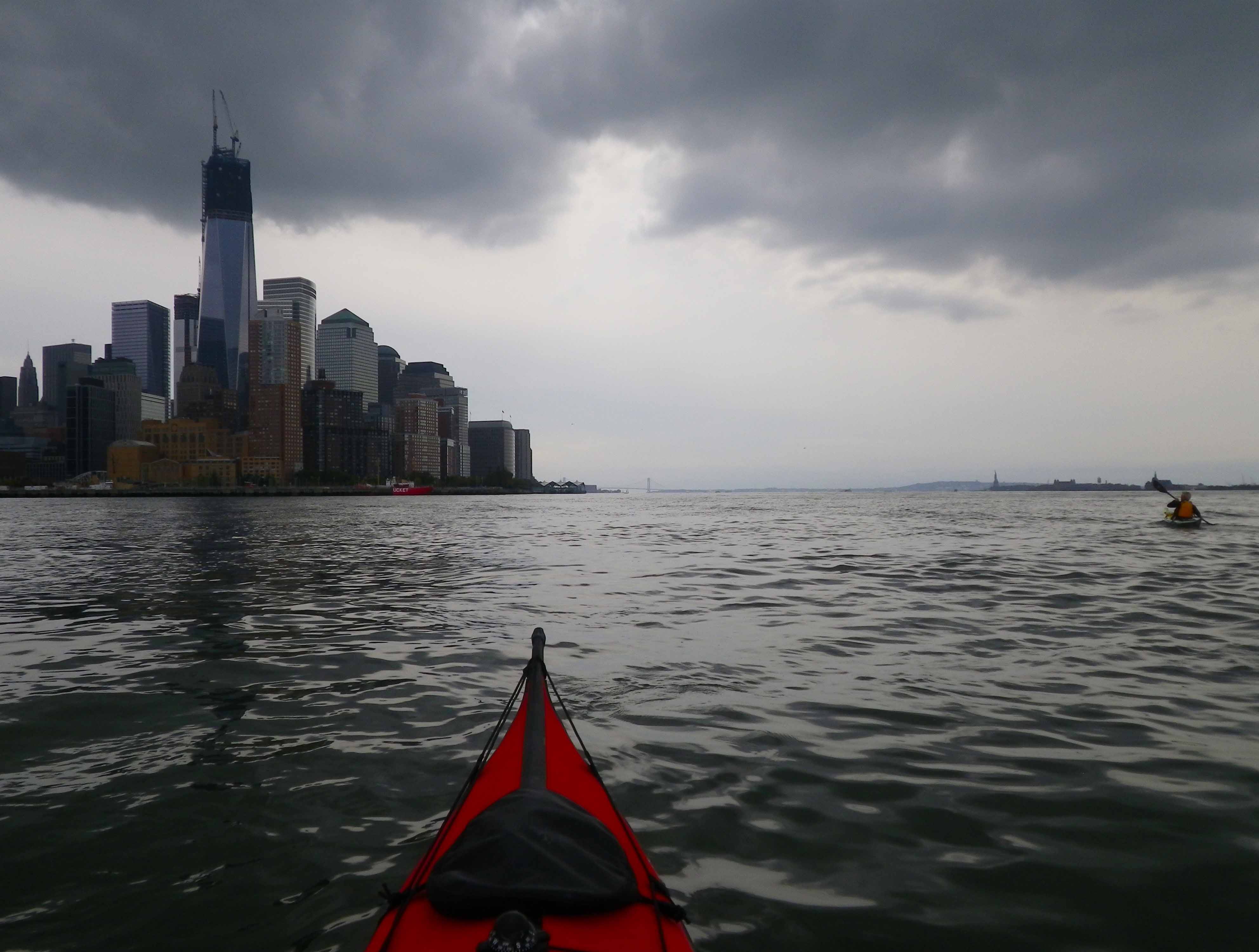 On Saturday, October 27, with Hurricane Sandy just offshore and aiming, it seemed, directly for New York City, we went for what we (correctly) suspected would be our last kayak trip for some time.
.
We paddled down the harbor to visit the Gowanus Canal, our favorite Superfund waterway. There one can encounter sights and smells like nowhere else—except perhaps in Newtown Creek, another Superfund site…
Everything was calm. The calm before the storm…
When Sandy hit the next day, the Gowanus Canal overflowed its banks and flooded a wide swath of industrial and residential land around. No doubt, as elsewhere, this caused much destruction. But in addition, of course, the Canal’s water is not just any ordinary water—it is laced with “toxic sludge, heavy metals, oil and—when the sewer system overflows—good old human excrement.” The city issued an advisory that “residents should wash their hands and practice proper hygiene if they come into contact with the canal’s water or sediments.” Sediments that it may take years to clean up…
So the chances are that the Canal and its surroundings will never be quite the same again. These may be some of the last photos of what Gowanus Canal looked like in the good old days before the flood…
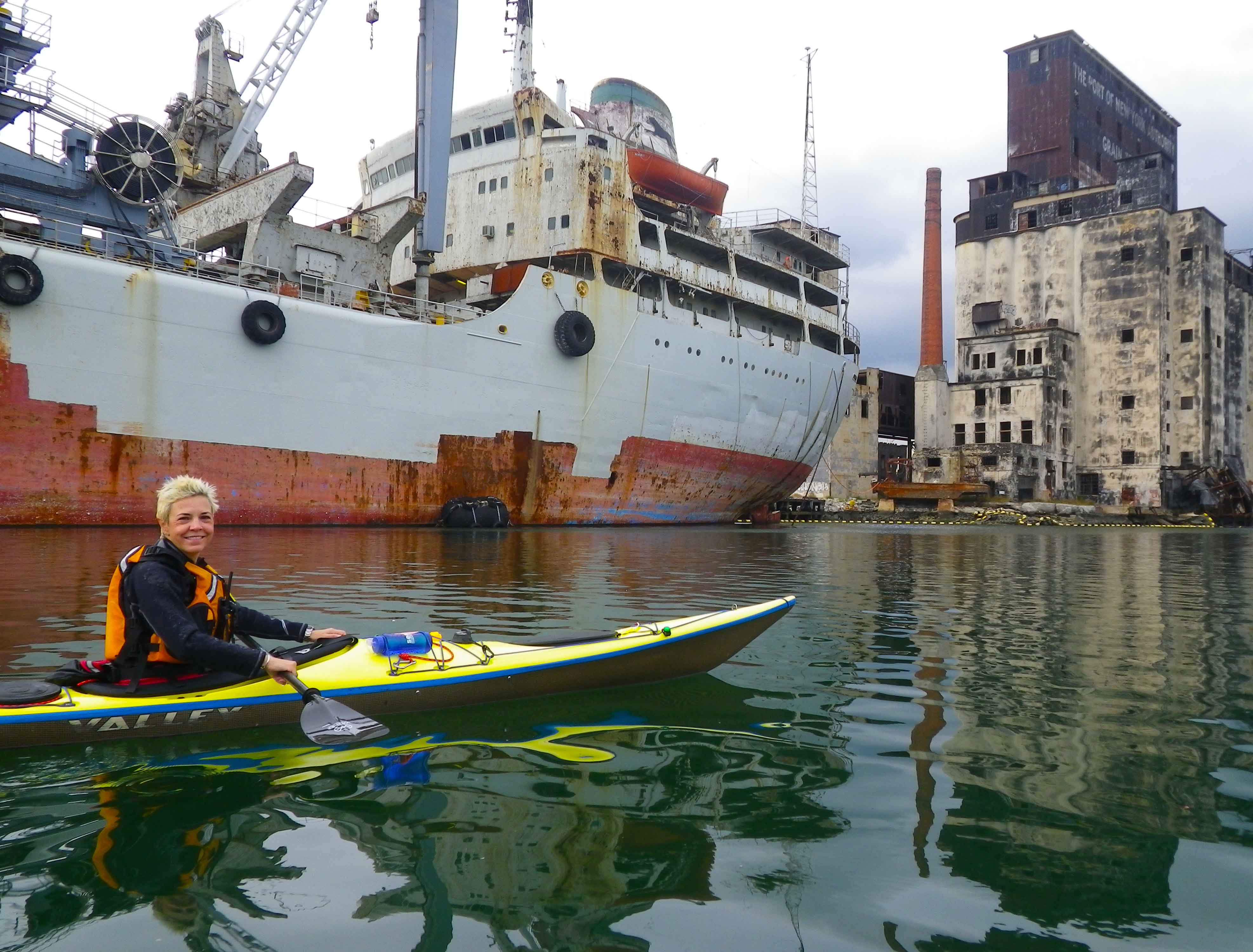


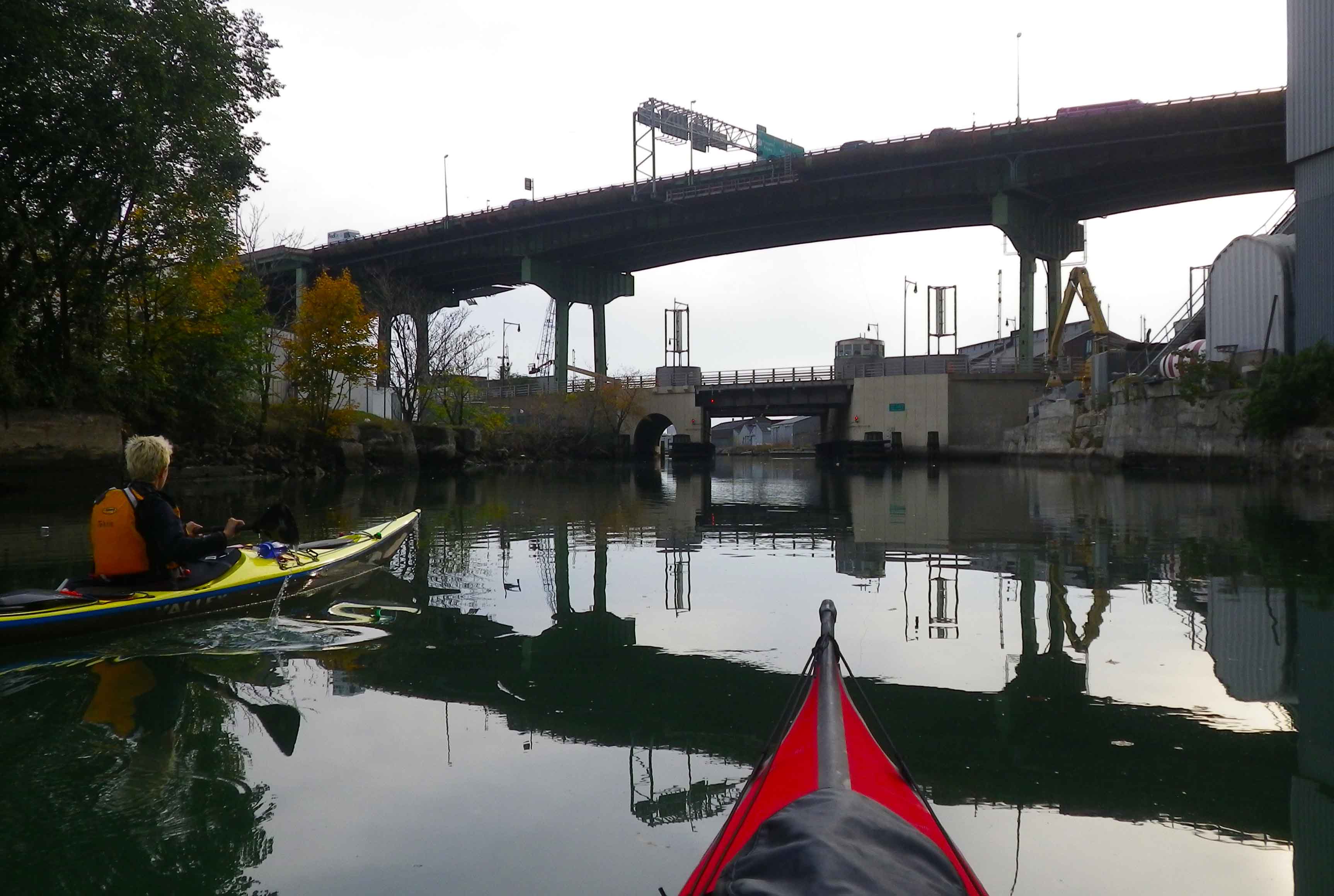
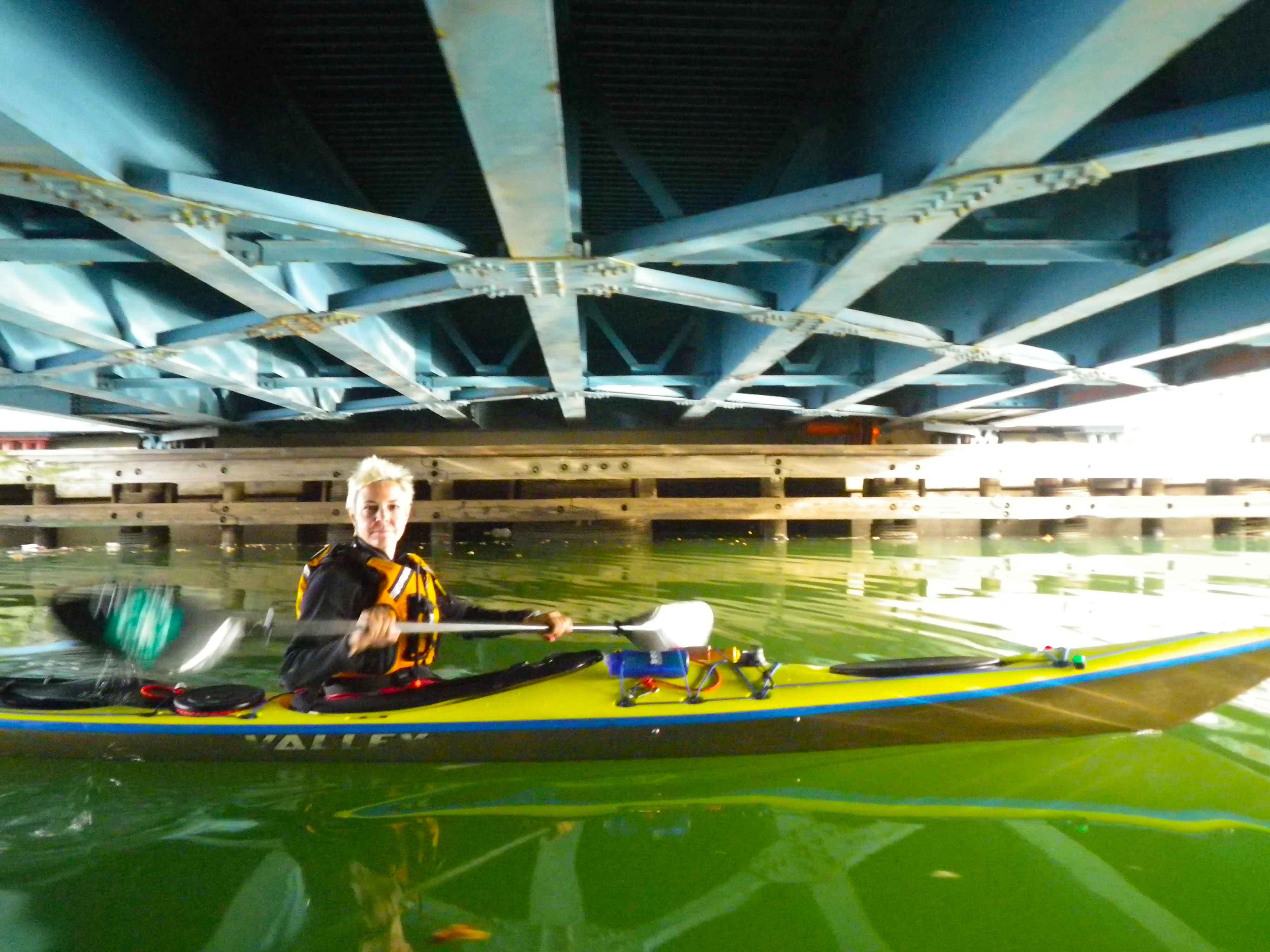
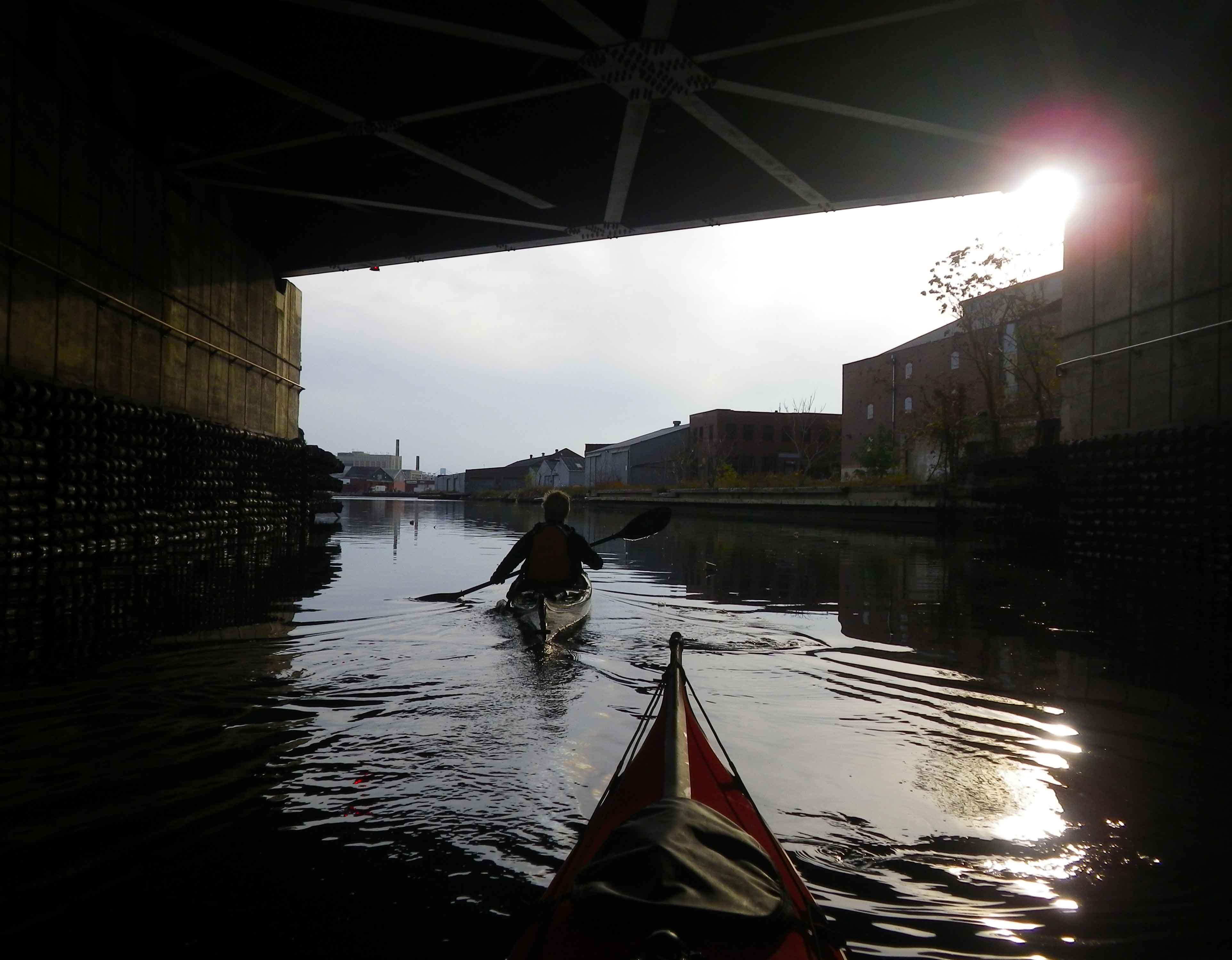
Here’s a slideshow of all photos from the trip:
The individual photos, and a much larger-format slideshow, are here.
Posted in Kayaking, New York City
Tagged Gowanus Canal, Industrial Landscape, New York City, New York Harbor, Photography, Pollution, Sea Kayaking
By Vladimir Brezina
This week’s Photo Challenge is Changing Seasons.
Looking through photos that I’ve taken in Central Park in the Spring, and in the Fall, I am momentarily confused. Which season is which?
In both, the leaves glow with color…
But the Spring leaves have fresh young faces

whereas the Fall leaves have lived
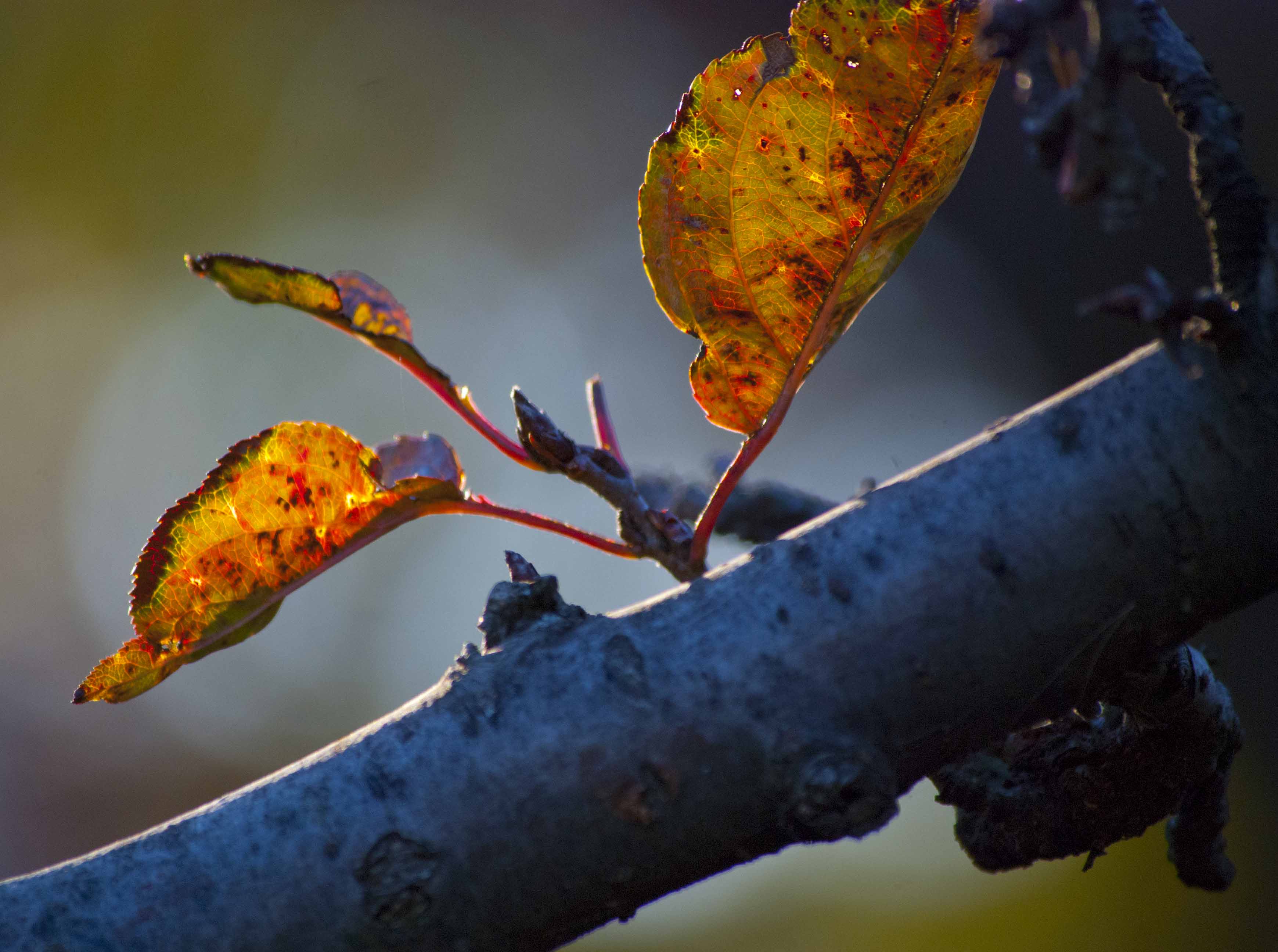
More photos from the Spring and Fall are, respectively, here and here.
Posted in Nature, Photography
Tagged Changing Seasons, Photography, postaday, postaweek, postaweek2012, Weekly Photo Challenge
By Vladimir Brezina
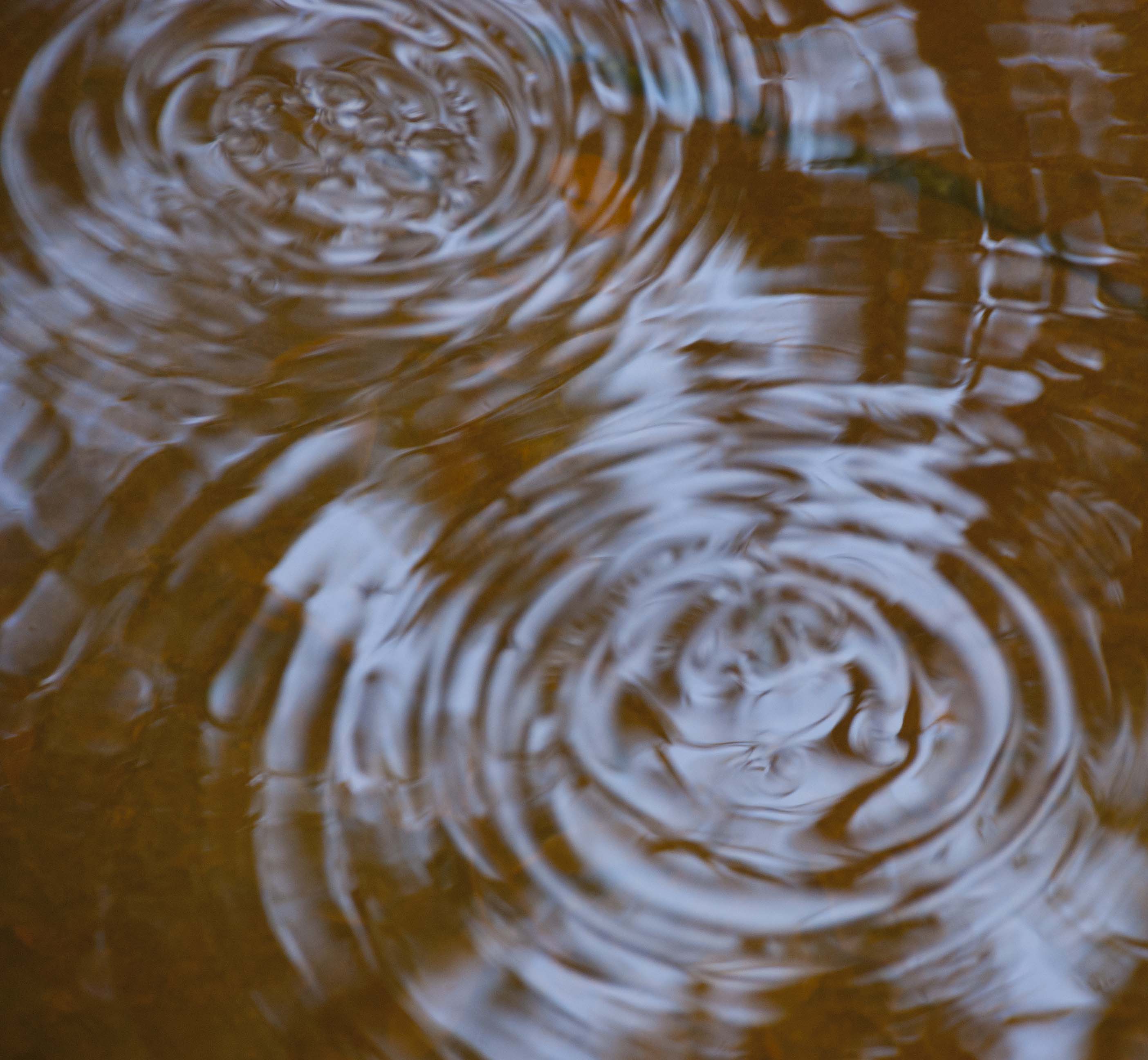
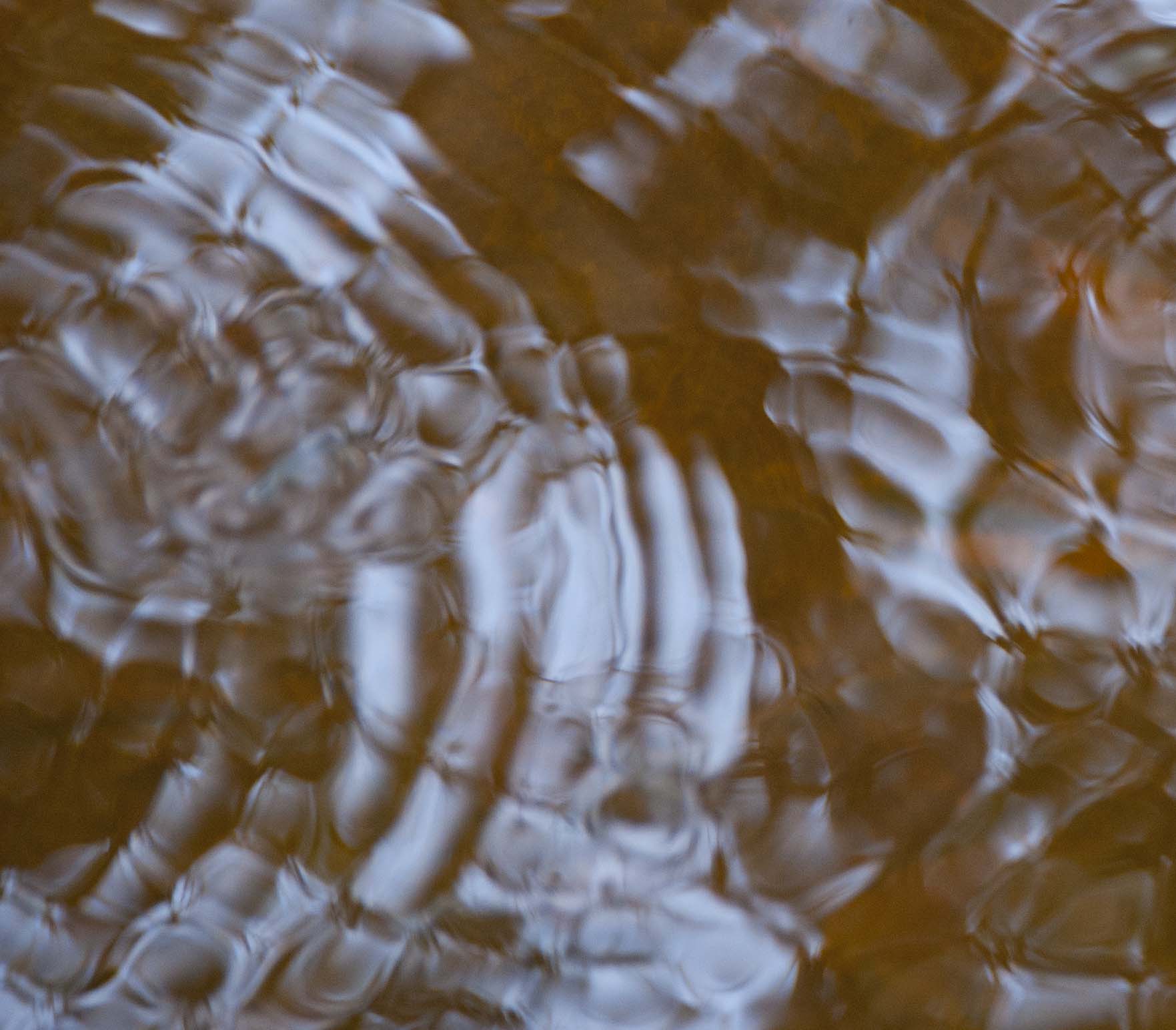
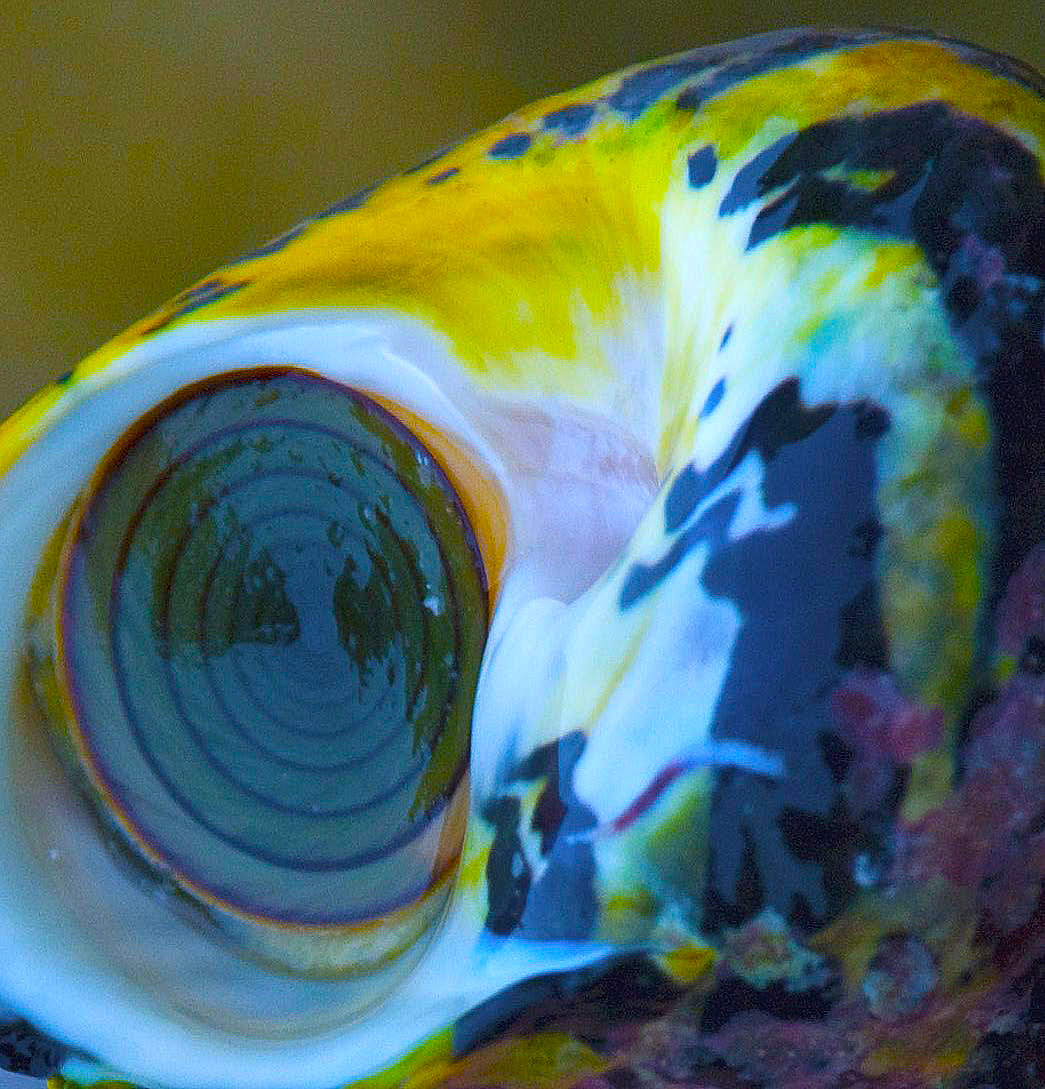
Ailsa’s travel-themed photo challenge this week is Circles.
Here are some natural circles.
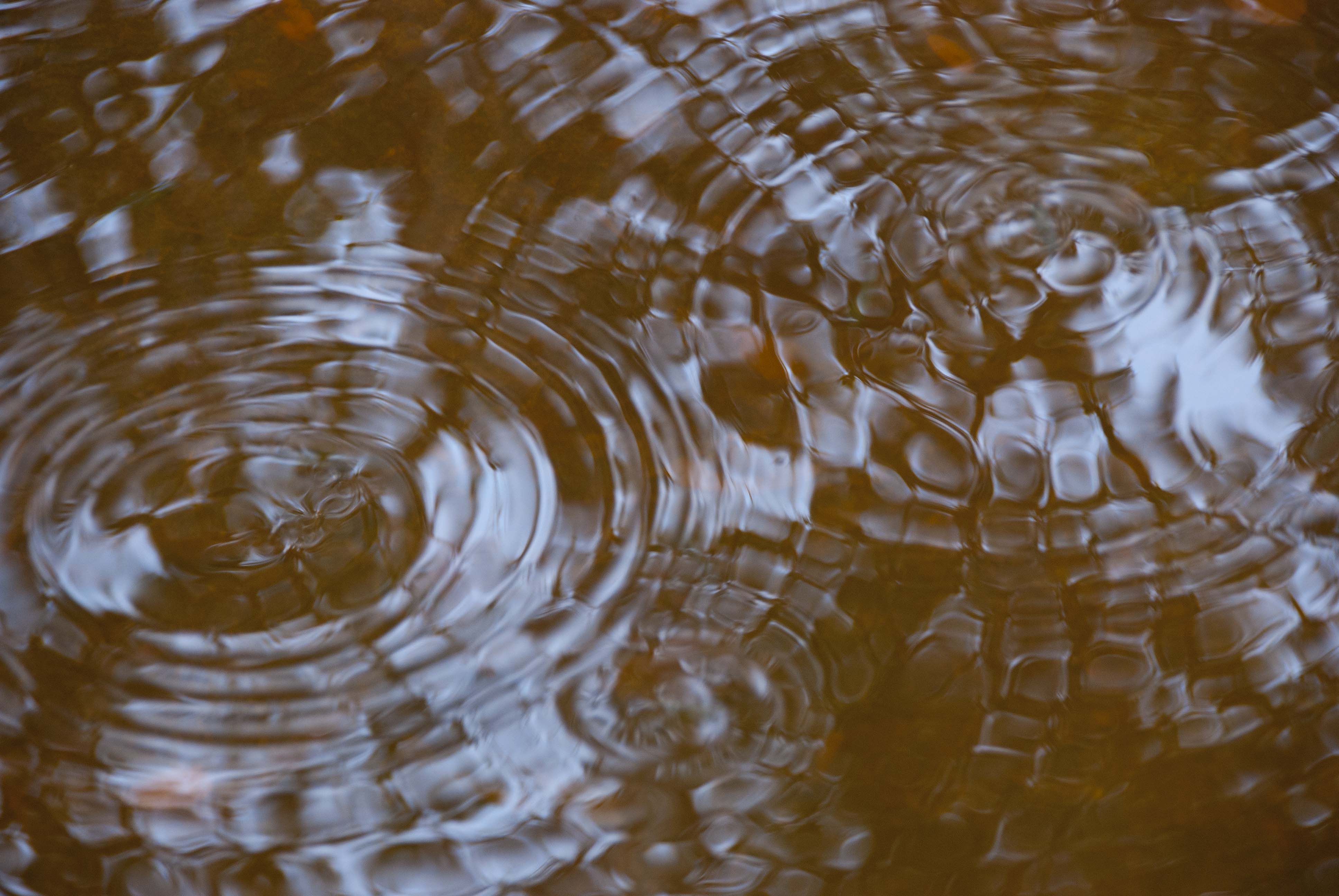
Posted in Nature, Photography
Tagged Circles, Photography, postaday, postaweek, postaweek2012, Travel, Weekly Photo Challenge
By Vladimir Brezina
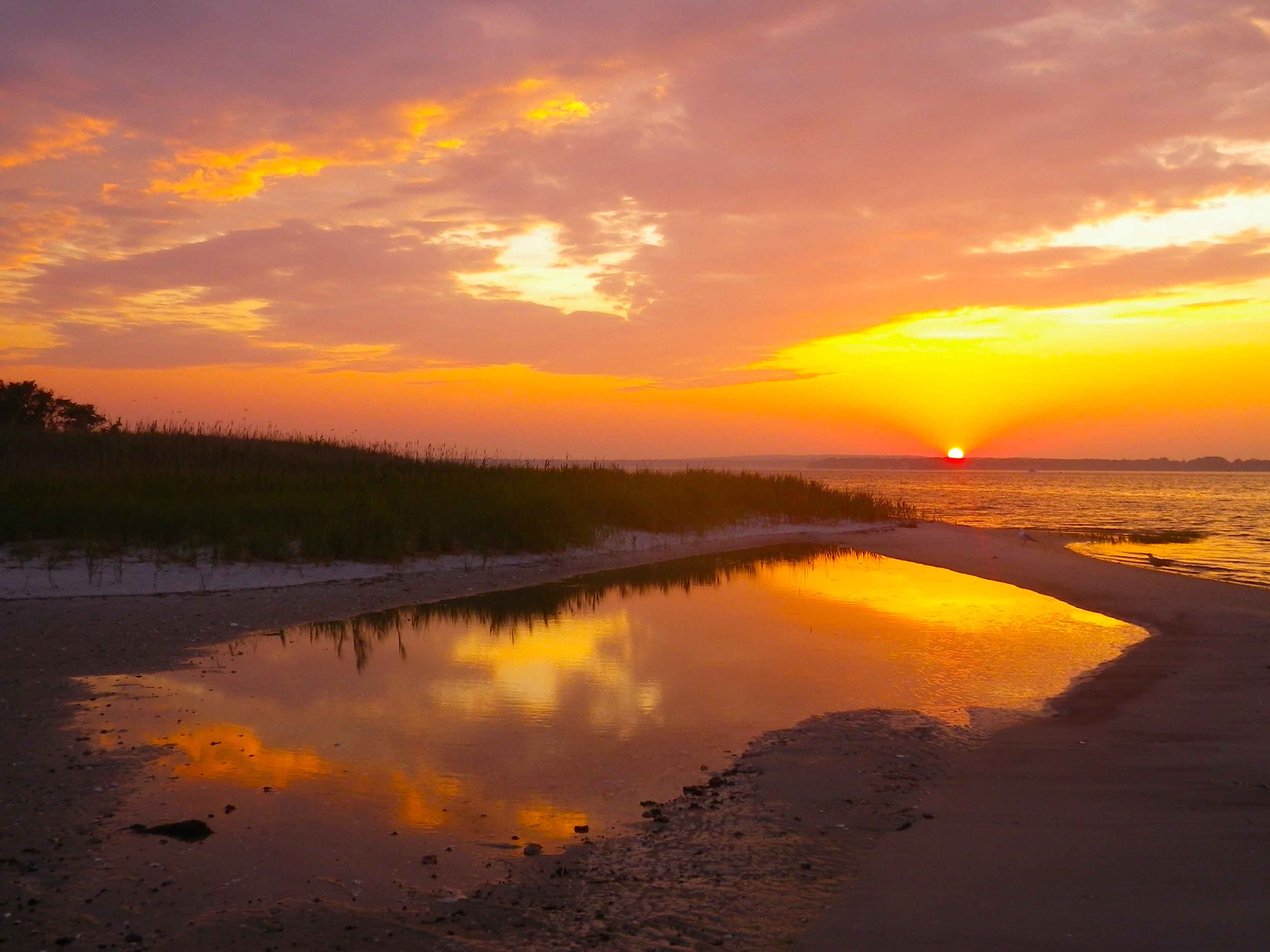
Here’s a third response to this week’s Photo Challenge, Reflections. (Our first two responses were here and here.)
This was a particularly colorful, and reflective, sunset during our kayak circumnavigation of Long Island, NY, this past summer…



Posted in Nature, Photography
Tagged Photography, postaday, postaweek, postaweek2012, Reflections, Sunset, Weekly Photo Challenge
By Johna Till Johnson and Vladimir Brezina
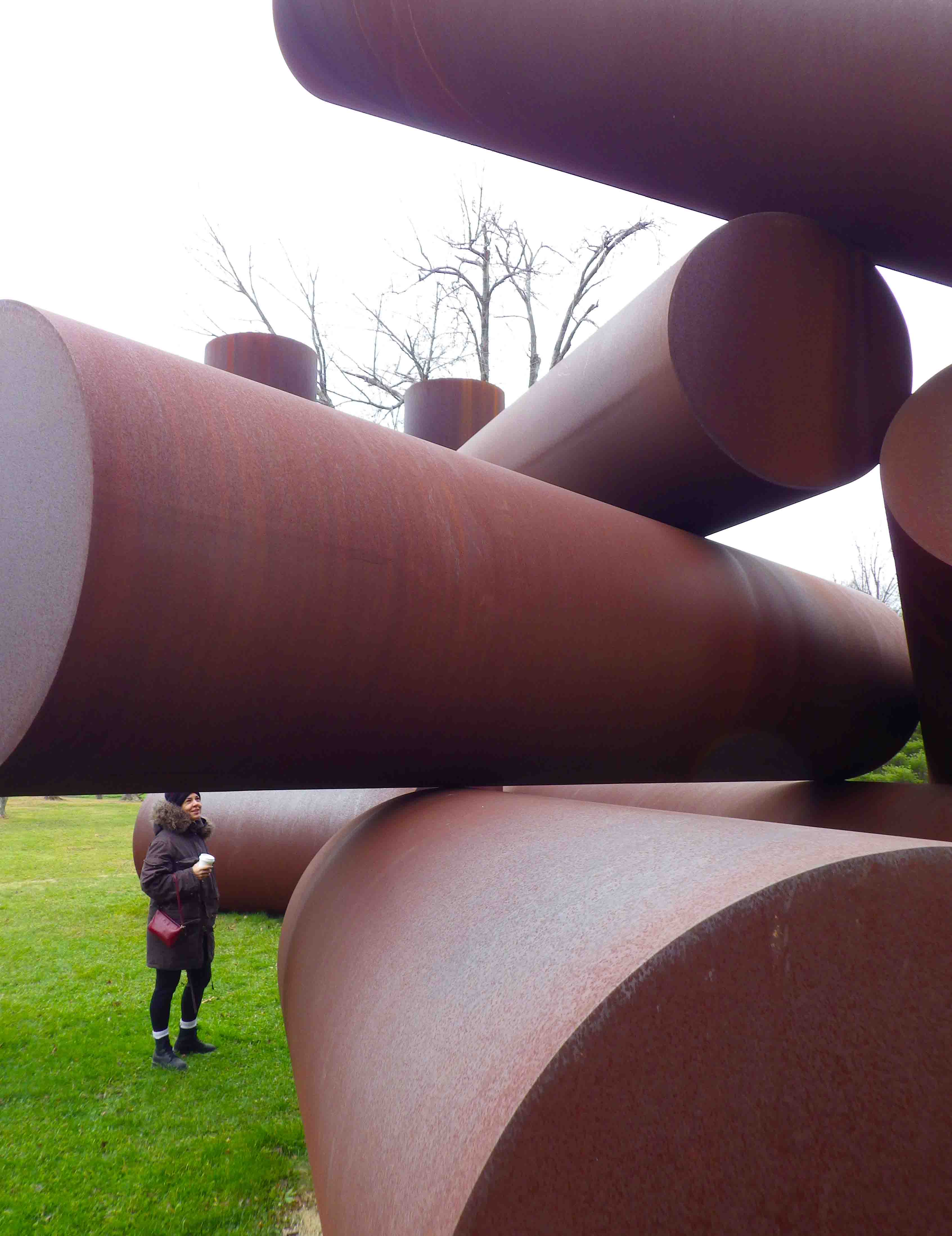 It started like any other kayak trip.
The night before, we prepared. We made sure we had our paddling equipment (life jackets, spray skirts, tow ropes, pumps and sponges). Navigation gear (compasses, GPS, charts). And clothing: it’s definitely the season for drysuits now, with plenty of insulation underneath. And pogies–can’t forget the pogies! (Pogies are kayaking “mittens” that allow your bare hands to grip the paddle, but simultaneously sheath them in delightfully warm neoprene.) The Jetboil, so we’d be able to make hot coffee during the trip. And food, water, all the usual.
Posted in Art, Kayaking, Nature
Tagged Art, Hudson Highlands, Kayaking, Photography, Sculpture, Storm King, Storm King Art Center


... kayaked the waters around New York for more than 15 years in his red Feathercraft folding kayak. He was originally from (the former) Czechoslovakia and lived in the U.K. and California before settling down in New York. He was a neuroscientist at the Mount Sinai School of Medicine in New York City. He died in 2016.

... is a kayaker and technology researcher at Nemertes Research. She's an erstwhile engineer, particle physicist, and science fiction writer. She was born in California and has lived in Italy, Norway, Hawaii, and a few other places. She currently resides in New York City.
 | Johna Till Johnson on Where We Like to Land on Sandy… |
| Canada to Key West P… on “A Bizarre Boating … | |
 | Eunice Miller on A Meditation on Gratitude |
 | Harry on A Meditation on Gratitude |
| Johna Till Johnson on A Meditation on Gratitude |
| Harry Itagaki on A Meditation on Gratitude |
 | Love is still the an… on Travel Theme: Signs |
 | David McLean on Where We Like to Land on Sandy… |
 | davidloh24 on Endless Reflection |
| Paddle Log: North Mo… on Circumnavigating Monomoy | |
 | Brian on Long Island Kayak Circumnaviga… |
 | Andi the Slime on Yellow |
 | Mark S on The Dry Salvages |
 | Dudi on Everglades Challenge, the Days… |
 | Francie Chew on The First Leg! |


Other Awards

 Wind Against Current