By Vladimir Brezina
This week’s Photo Challenge is Merge.
Blossoms and stone merge in spring…

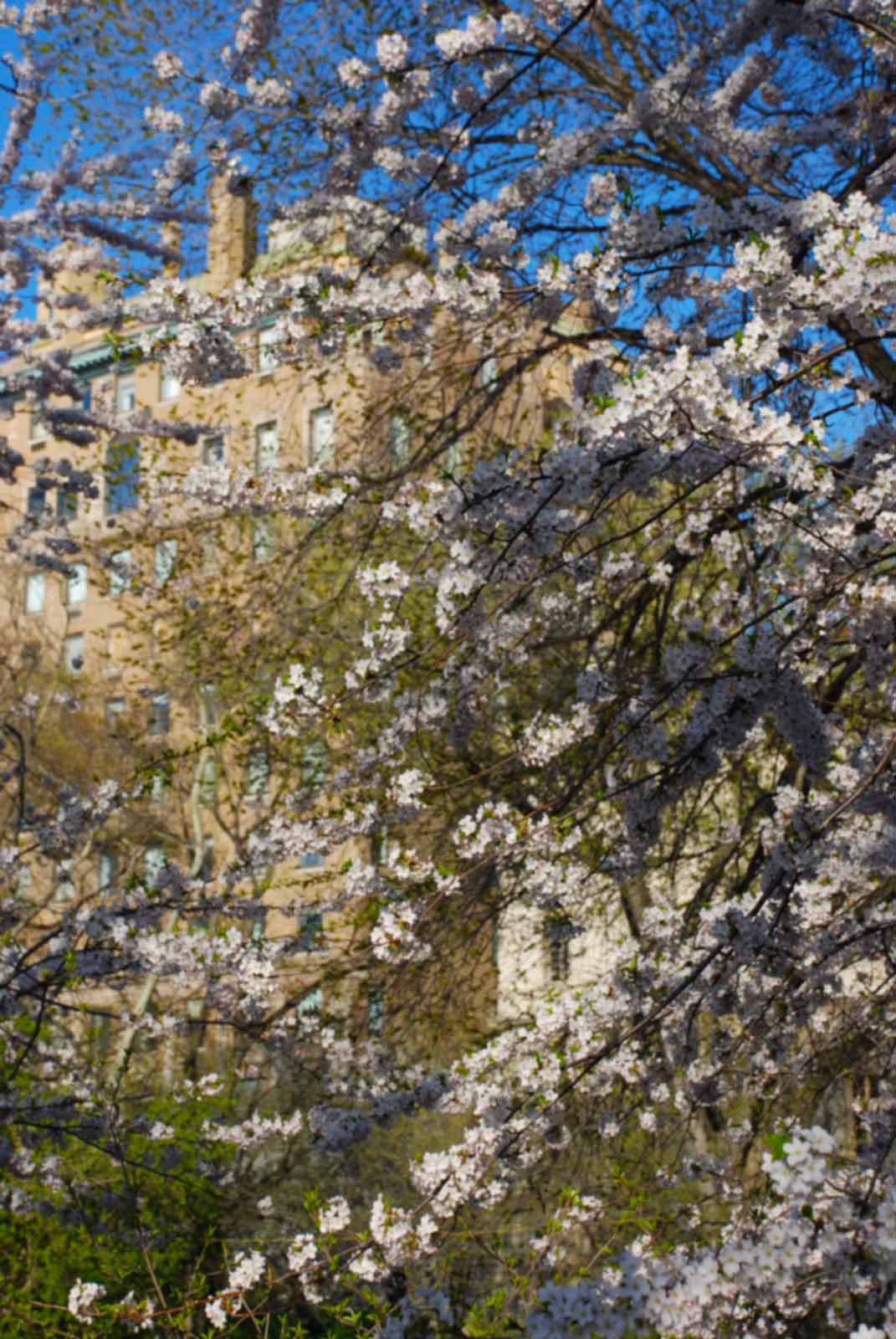
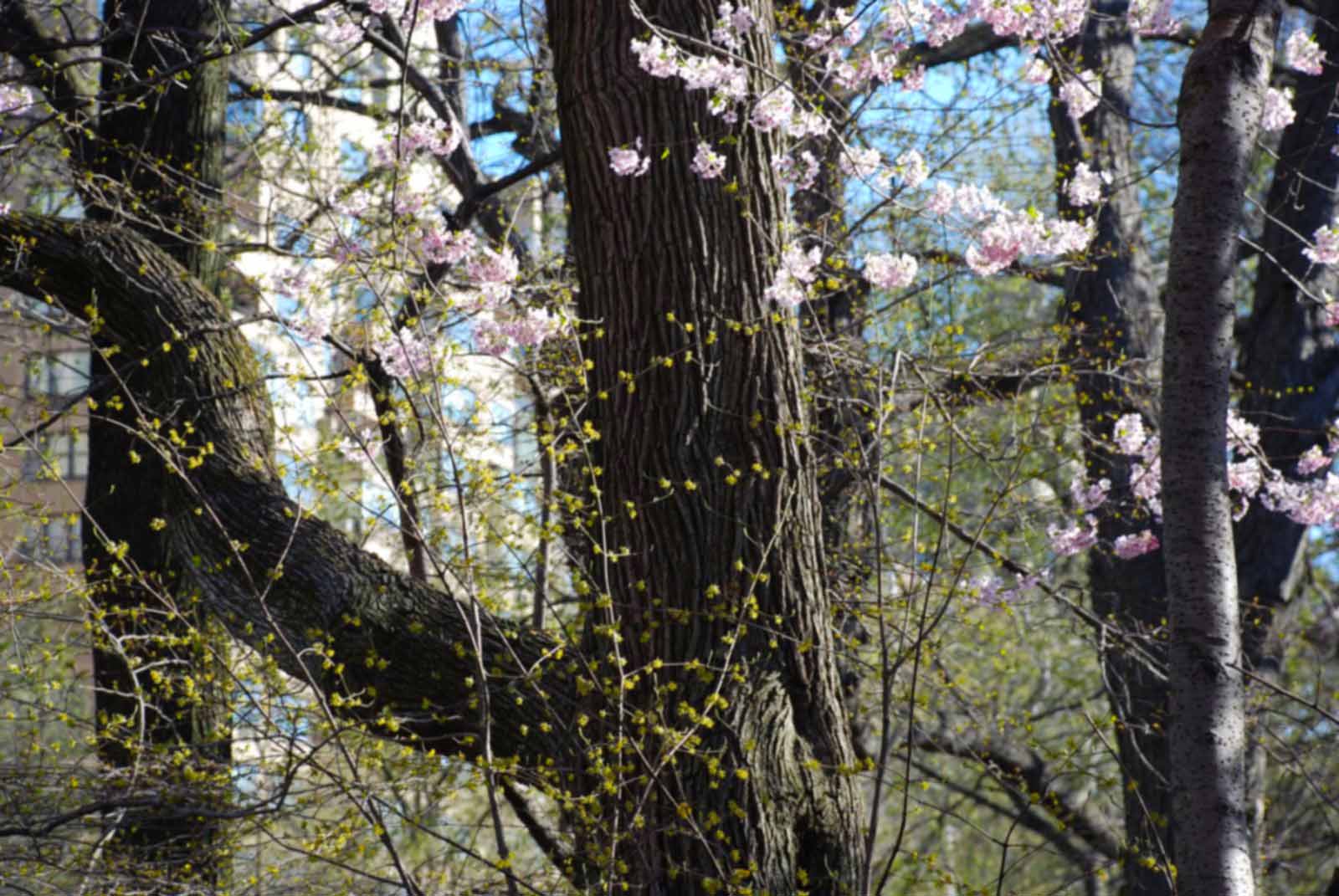

Spring 2007 in Central Park, New York City. More photos are here.
A second interpretation of “Merge” is here.

By Vladimir Brezina
This week’s Photo Challenge is Merge.
Blossoms and stone merge in spring…
Spring 2007 in Central Park, New York City. More photos are here.
A second interpretation of “Merge” is here.
Posted in Nature, New York City, Photography
Tagged Central Park, Merge, New York City, Photography, postaday, postaweek, postaweek2012, Spring, Weekly Photo Challenge
By Johna Till Johnson
Photos by Vladimir Brezina
 Shinnecock Inlet to Montauk Point
36 nautical miles (41 land miles)
(click on photos to expand them—they look a lot better when they’re BIGGER!)

By Vladimir Brezina
This week’s Photo Challenge is Wrong.
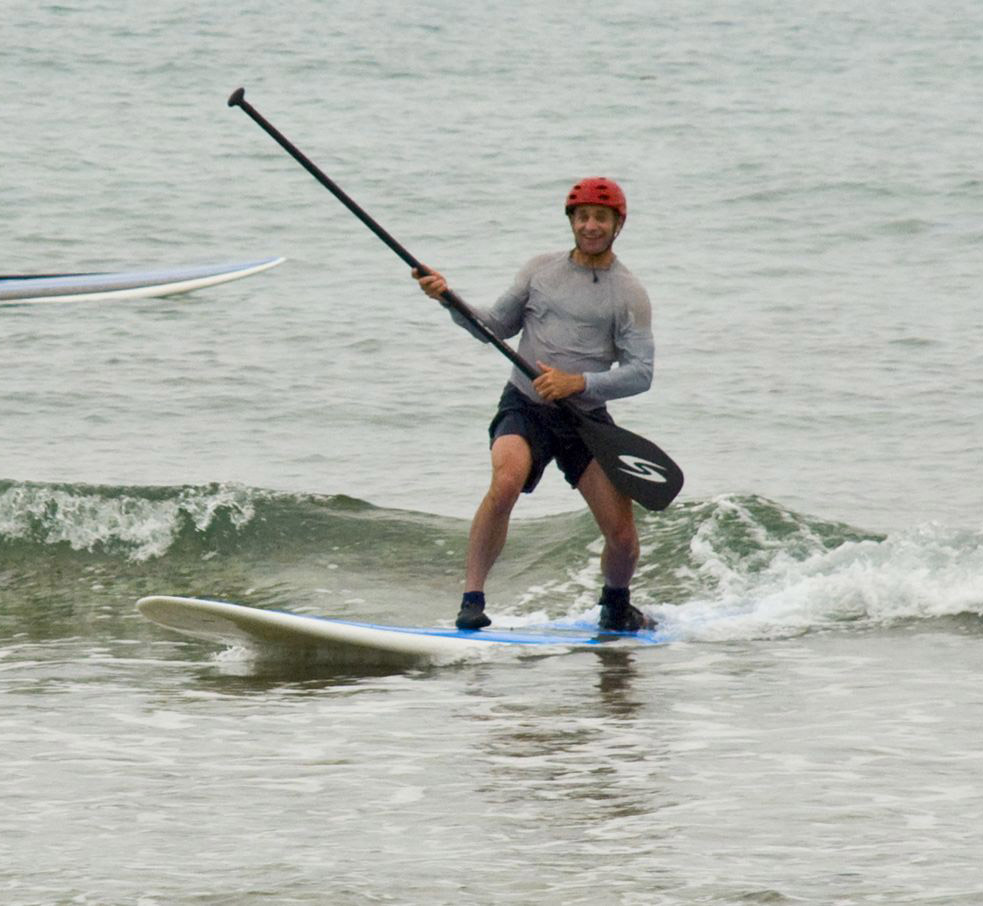
Stand up paddle boarding is becoming very popular. There’s the right way to do it…

… and the wrong way.
.
.
.
.
..
.

.
.
.
.
.
More photos are here.
Posted in Humor, Photography
Tagged Photography, postaday, postaweek, postaweek2012, Stand Up Paddle Board, SUP, Weekly Photo Challenge, Wrong
By Vladimir Brezina
Ailsa‘s Travel-Themed Photo Challenge for this week is Signs.
We travel around by kayak. So, you wouldn’t think we would run into too many signs. But we do!
Scylla and Charybdis
……..Some years ago, Erik Baard and I paddled down from Manhattan and landed on the beach near the northwestern tip of Sandy Hook. We had a leisurely lunch, took a stroll along the beach, lazed about, and after a couple of hours were ready to paddle back to Manhattan. But just before we launched, we thought that we might, just out of curiosity, find out what those two big signs that stood there, facing away from us, said…
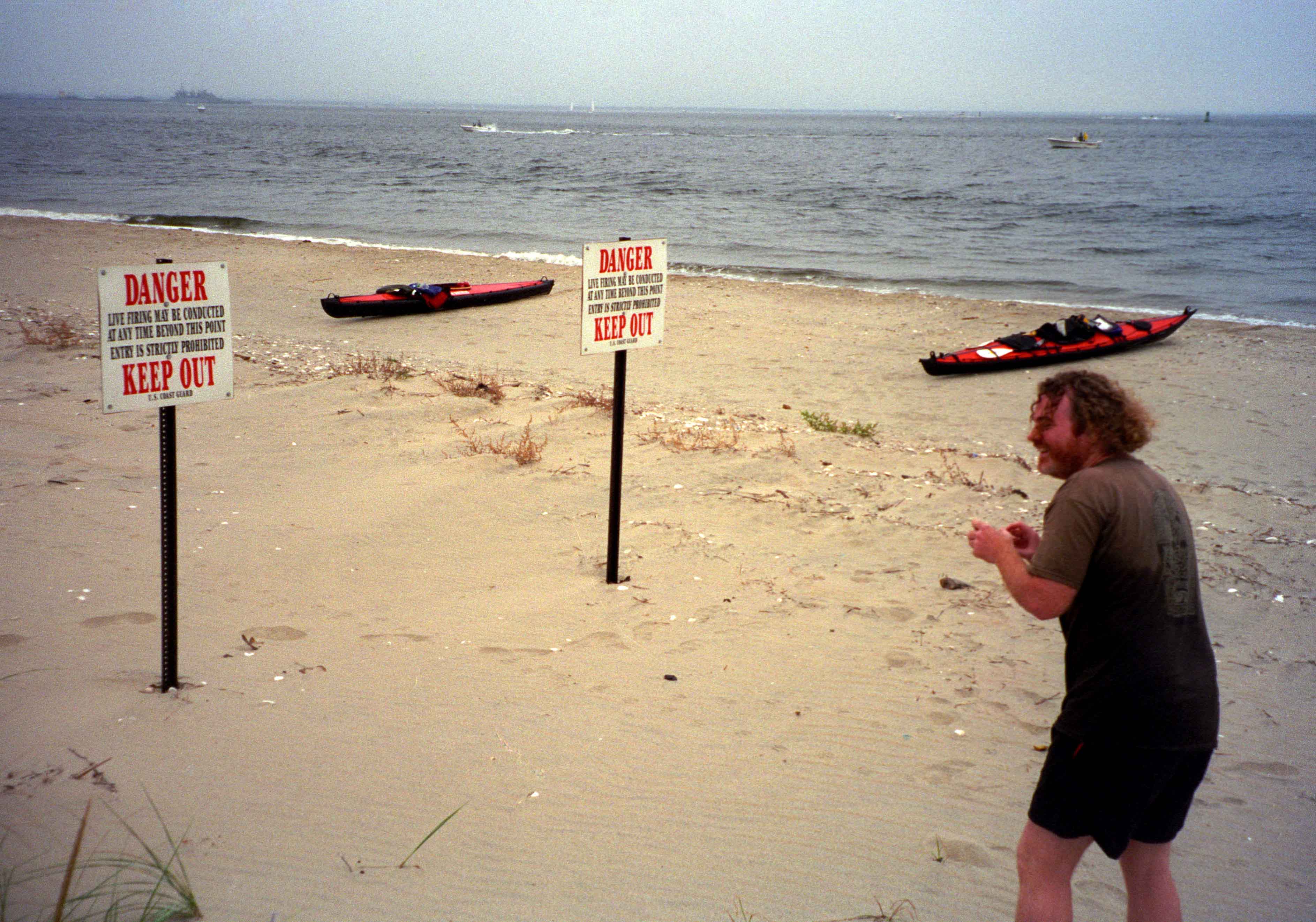
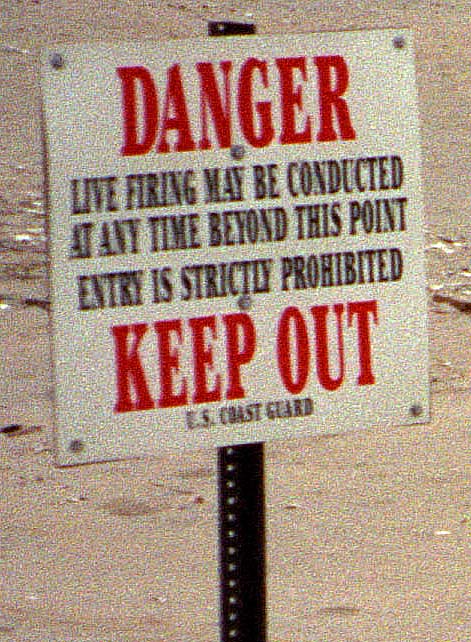
In the meantime, on the opposite, eastern side of Sandy Hook, there is another set of signs…

Bitter Sweet Heaven
……..In January, an aborted kayak trip left us wandering through the streets of Red Hook, Brooklyn, aliens in our drysuits, observing the earthlings and their strange signs…
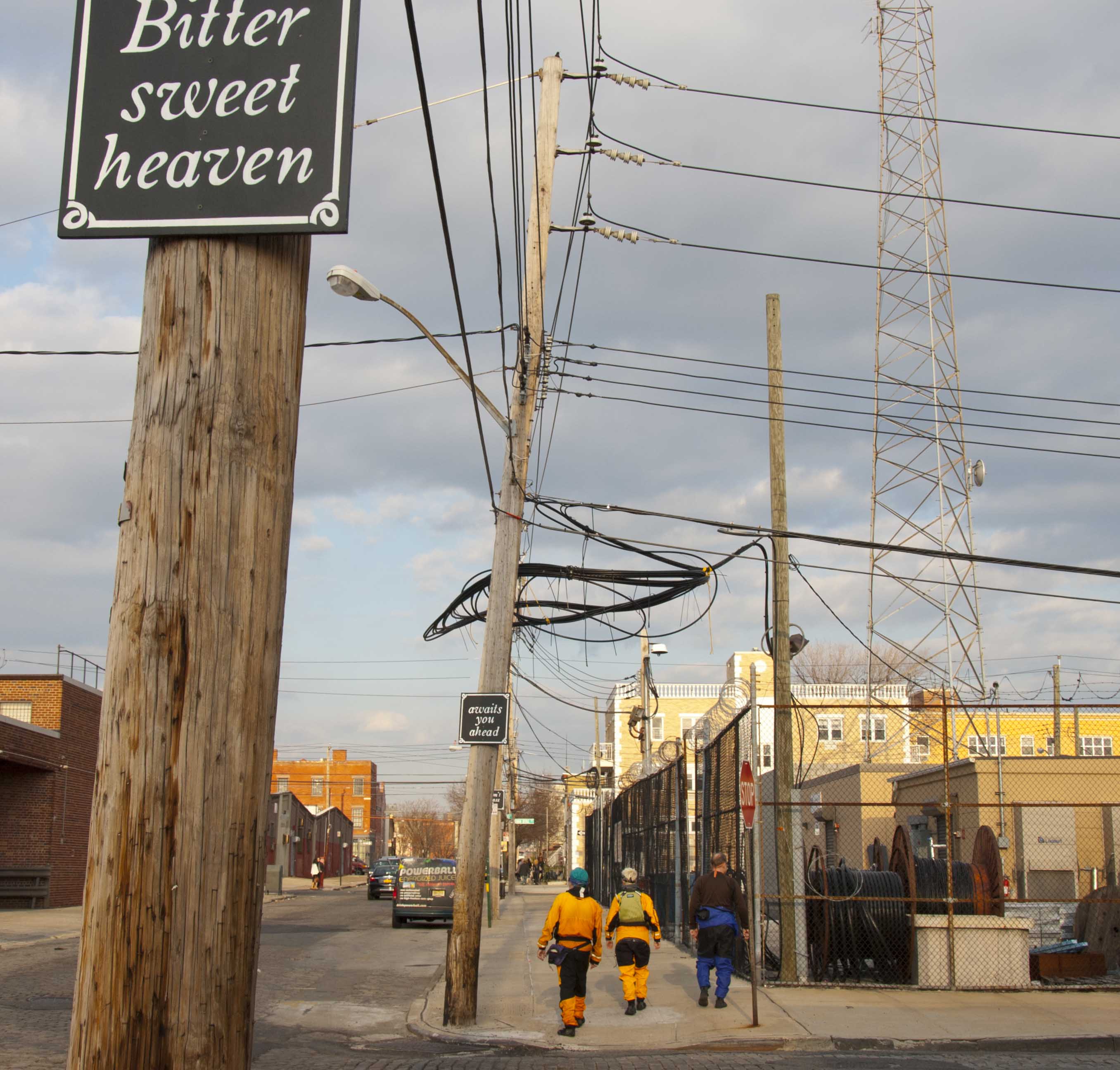
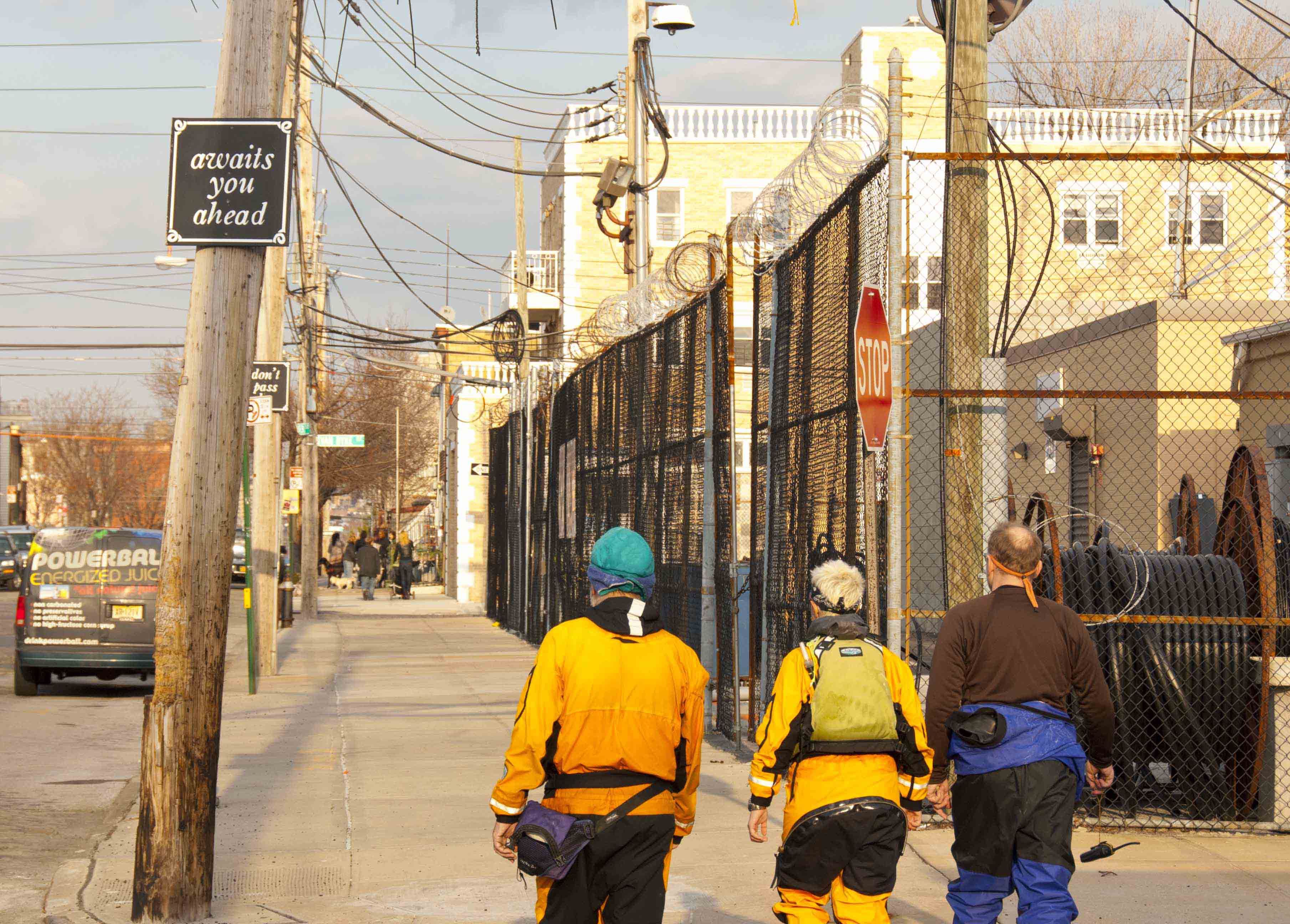
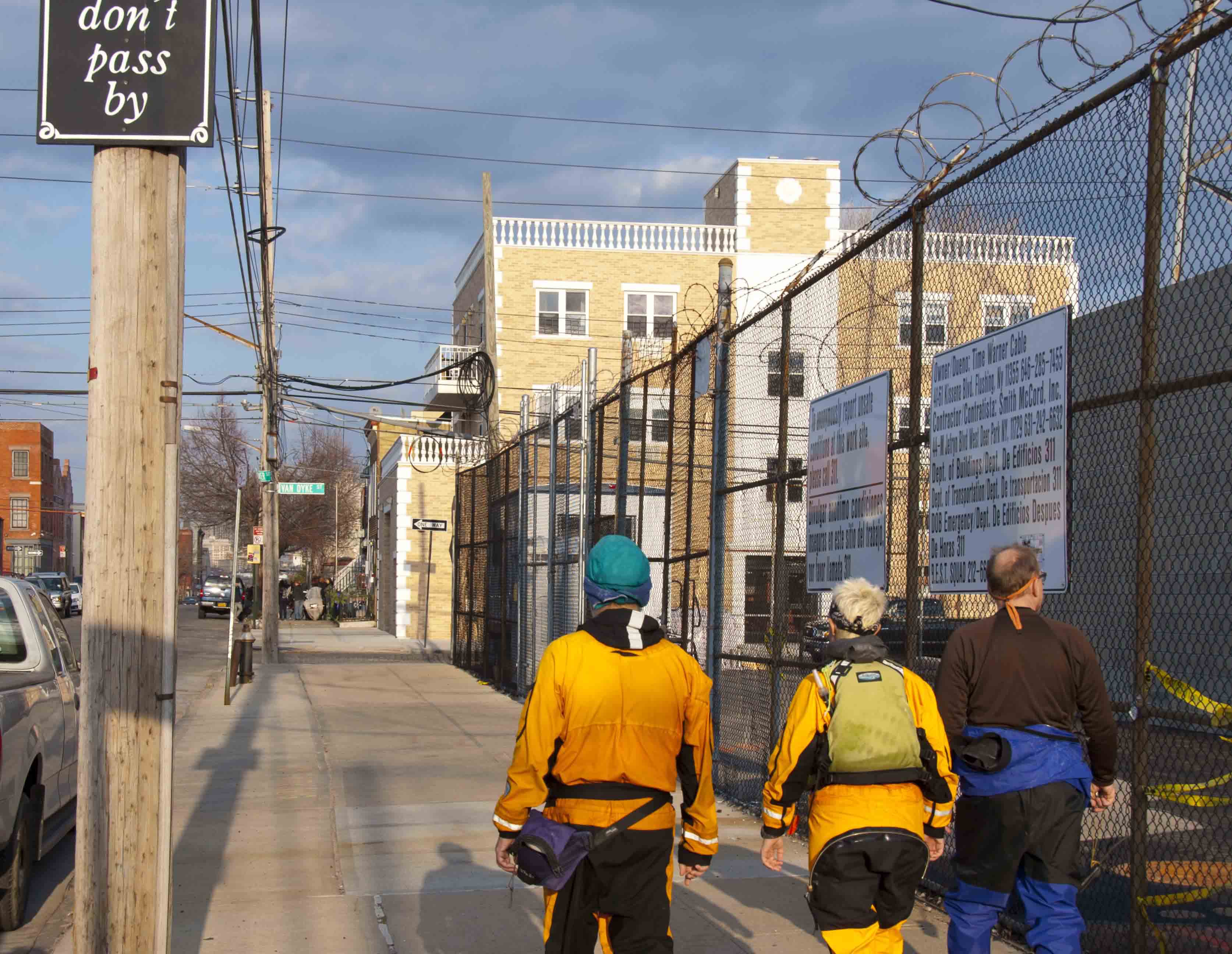
Read the full story here.
.
.
.
.
Judgment Day
……..Last year, Johna and I were kayaking down the Hudson from Albany to New York City. Several days into the trip, we saw this sign promising, for the next day, devastating earthquakes that would usher in the Rapture… We hoped it wouldn’t disrupt our trip too much. But we were certainly glad to be out of New York City during this event. Traffic was bound to be terrible…

Posted in Photography, Society
Tagged Photography, postaday, postaweek, postaweek2012, Signs, Travel, Weekly Photo Challenge
By Johna Till Johnson and Vladimir Brezina
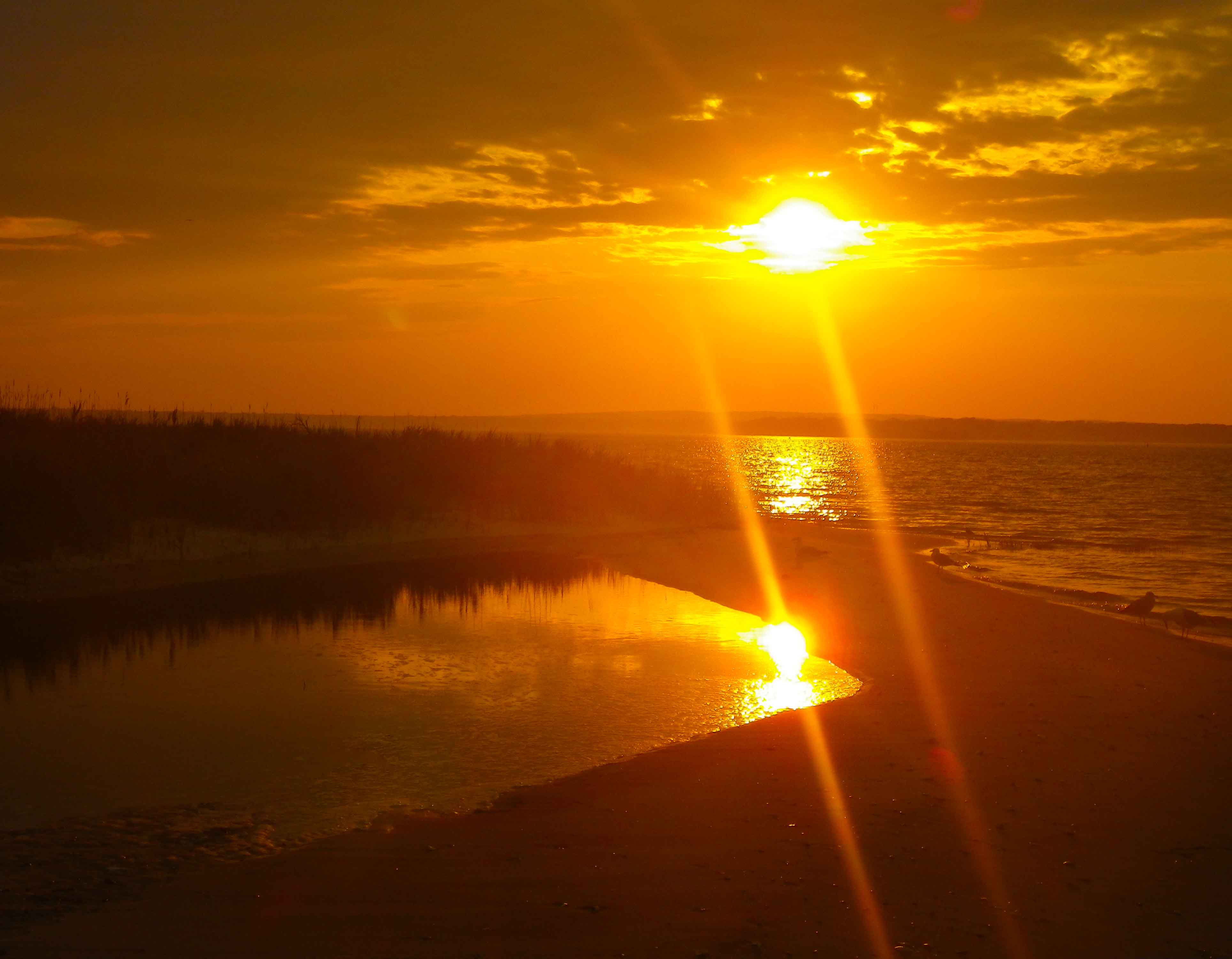 Moriches Inlet to Shinnecock Inlet
15 nautical miles (17 land miles)
.
(click on photos to expand them—they look a lot better when they’re BIGGER!)

By Vladimir Brezina
Ailsa‘s Travel Theme for this week is Leading Lines.
Here’s one that doesn’t travel: his world comes to him. All his lines lead in to the center…

Posted in Nature, Photography
Tagged Photography, postaday, postaweek, postaweek2012, Spider, Travel, Weekly Photo Challenge
By Vladimir Brezina
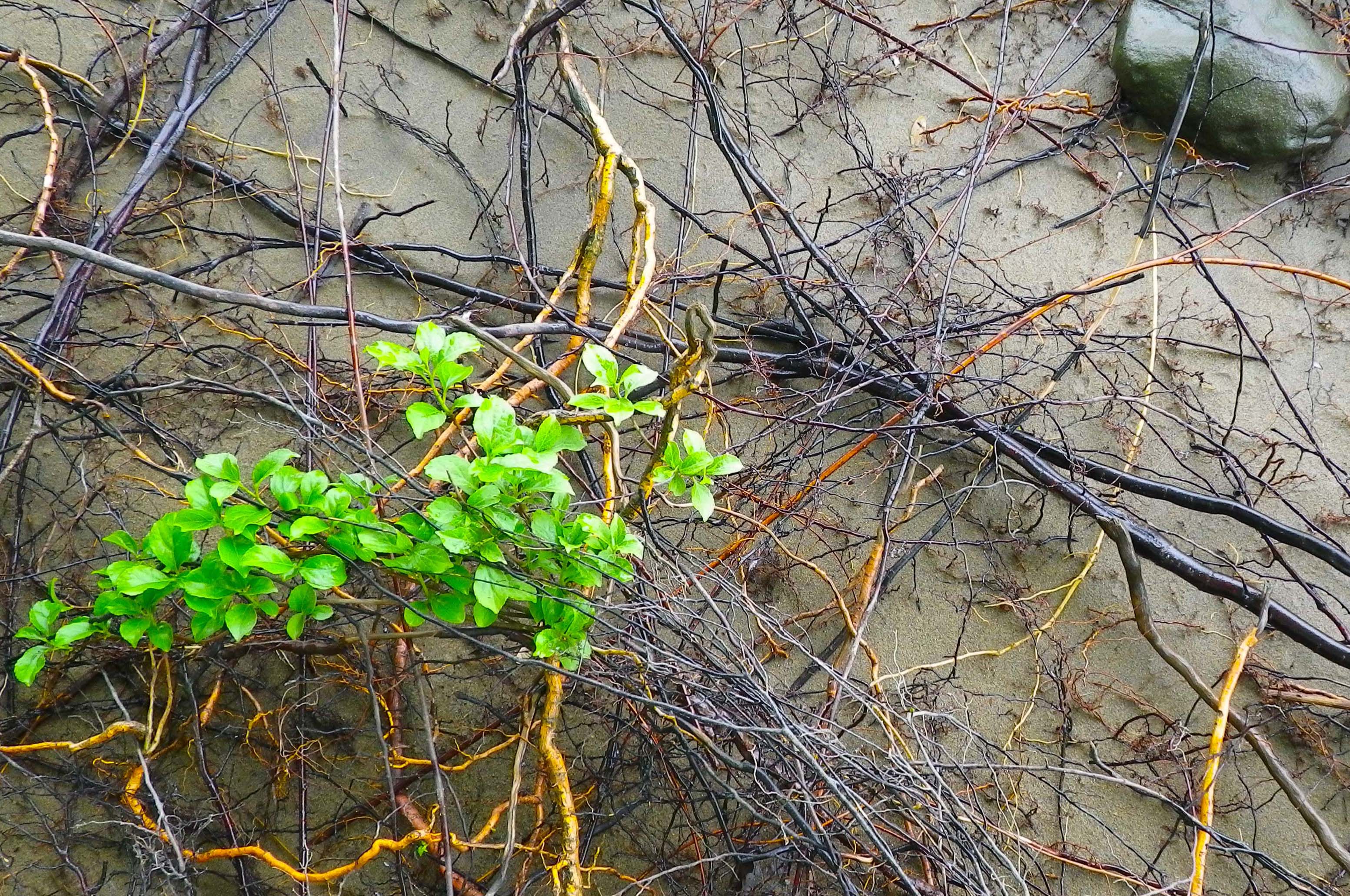
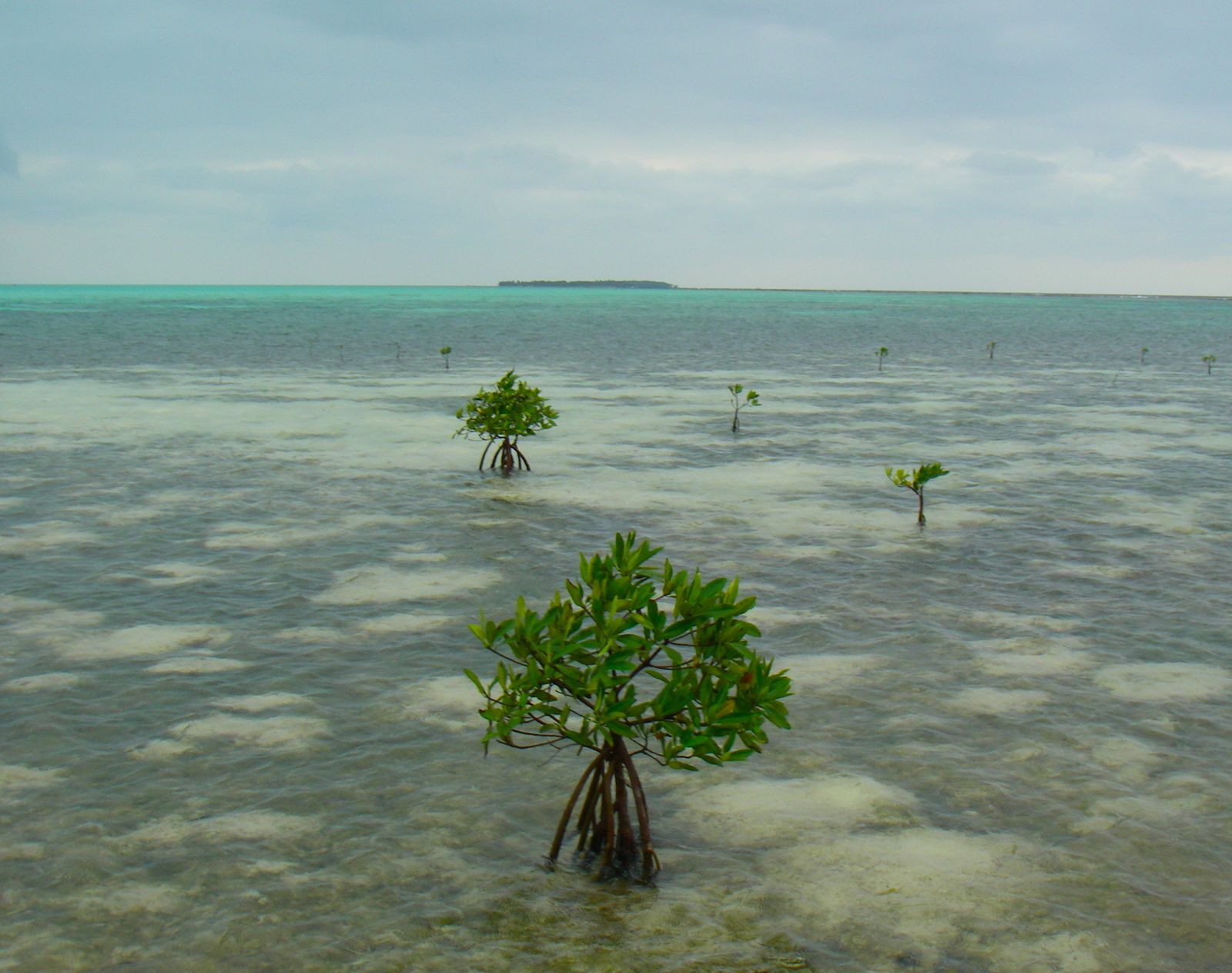
This week’s Photo Challenge is Growth. I’ve already posted two responses to this challenge, here and here, but I can’t resist yet a third one.
New beginnings:

Posted in Nature, Photography
Tagged Growth, Photography, postaday, postaweek, postaweek2012, Spring, Weekly Photo Challenge
By Vladimir Brezina
This week’s Photo Challenge is Growth. I’ve already posted one response to this challenge, but here’s another one:
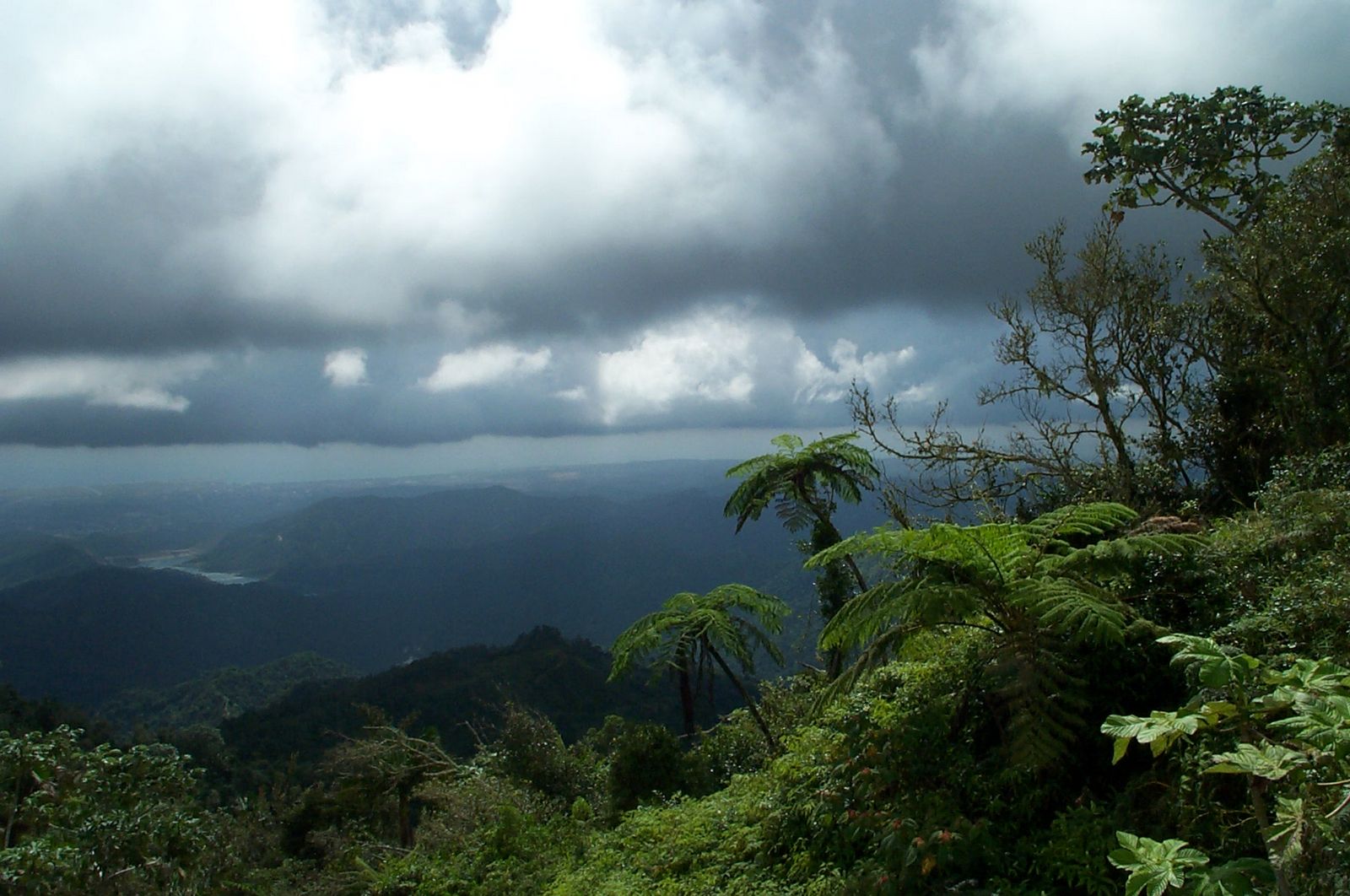

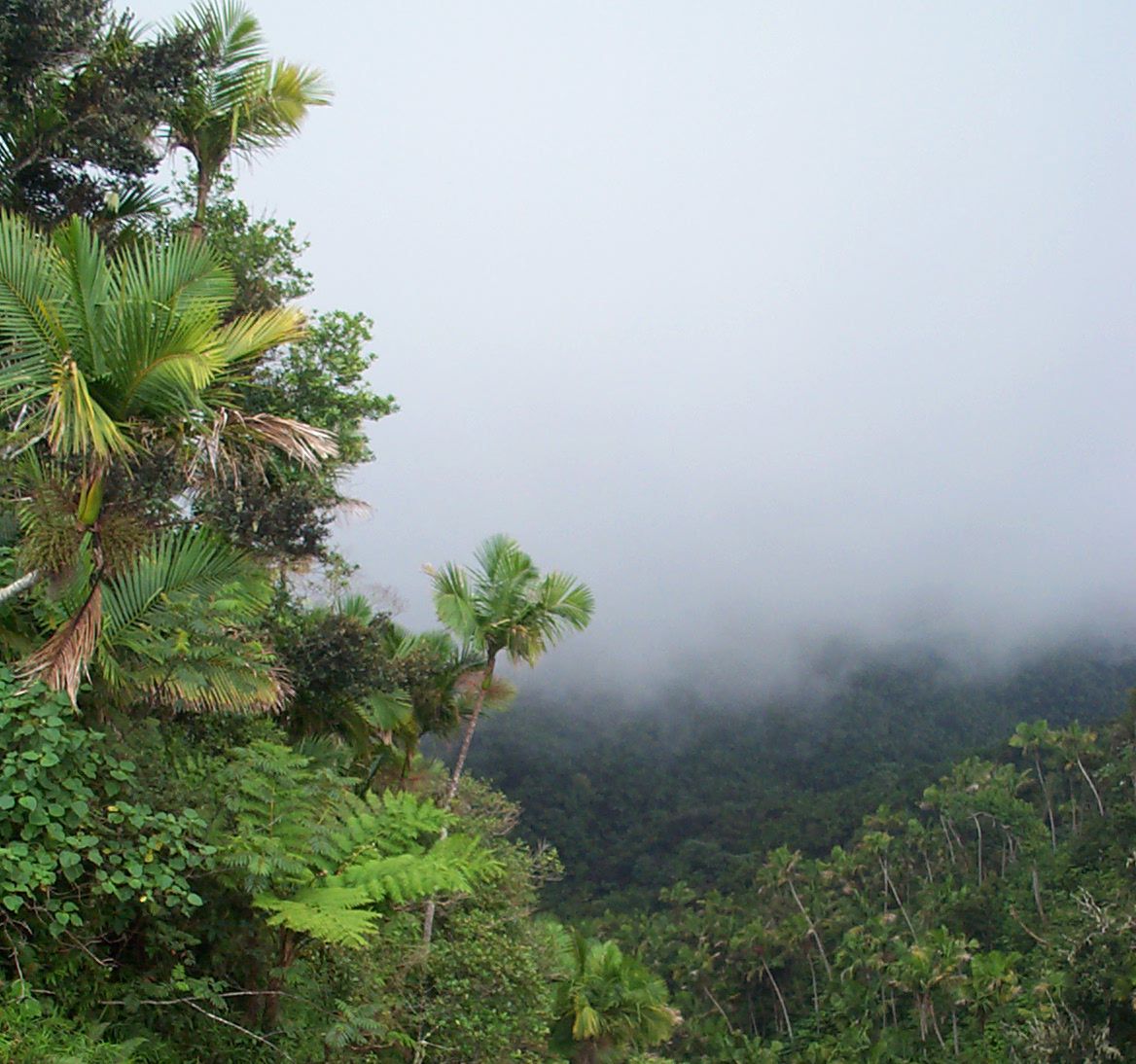
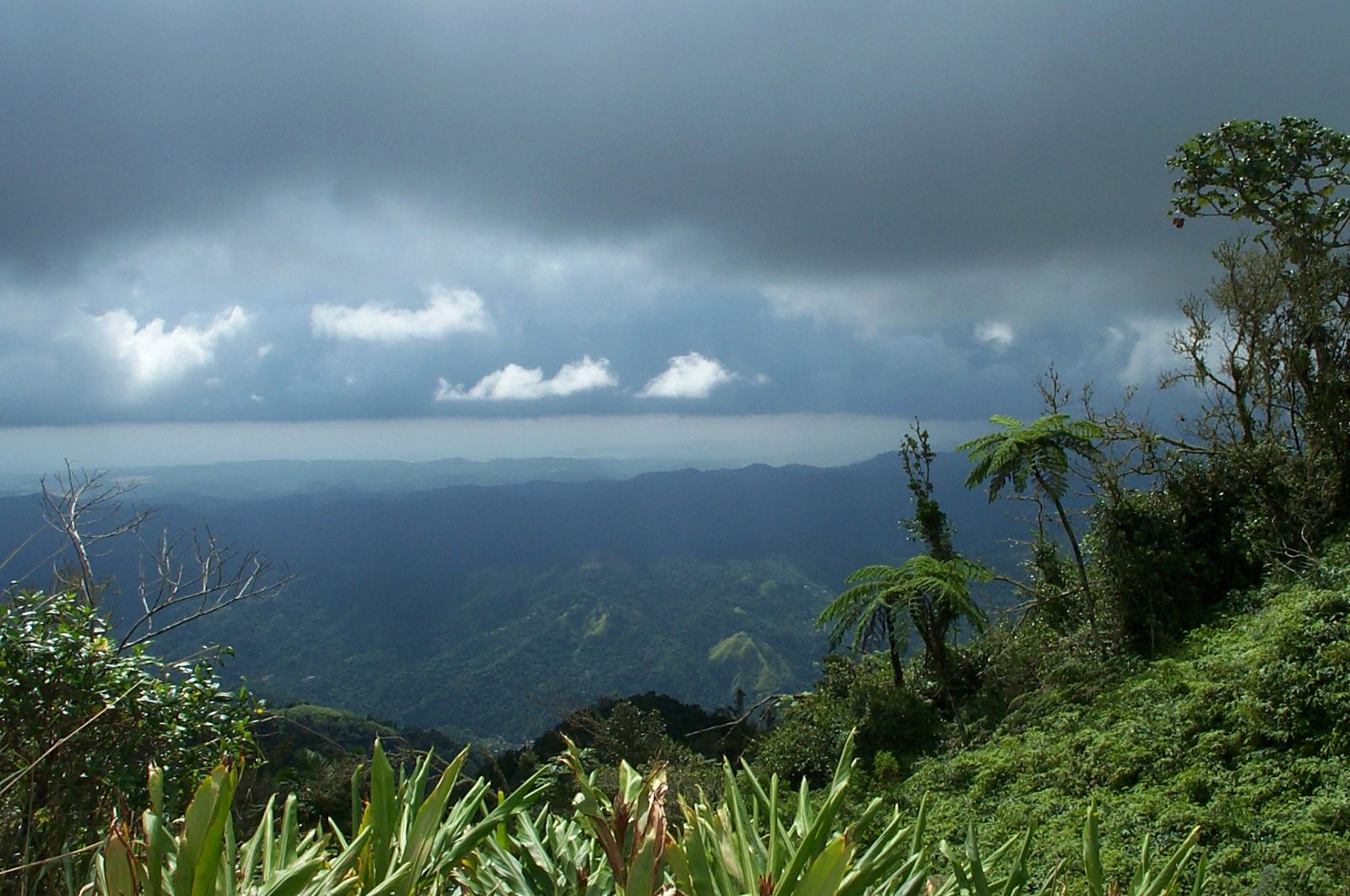
Tropical growth in the Cordillera Central of Puerto Rico. More photos are here.
And here is yet a third take on “Growth”.
Posted in Nature, Photography, Travel
Tagged Growth, Jungle, Photography, postaday, postaweek, postaweek2012, Puerto Rico, Rain Forest, Weekly Photo Challenge
By Vladimir Brezina
This week’s Photo Challenge is Growth.
The Strangler Fig.
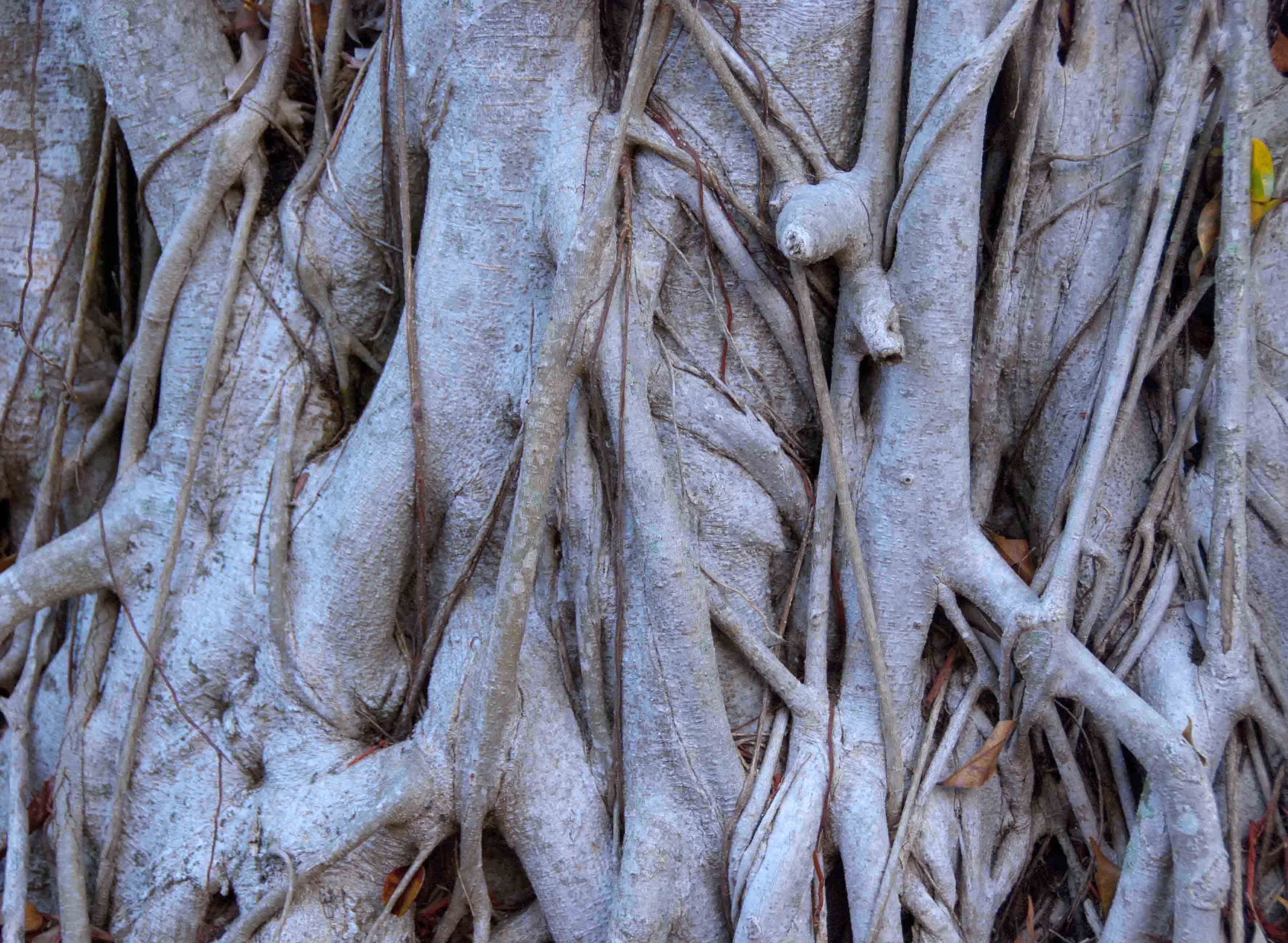
From the Encyclopaedia Britannica:
…Beginning life as a sticky seed left on a high tree branch by an animal such as a bird, bat, or monkey, the young strangler lives on the tree’s surface… As it grows, long roots develop and descend along the trunk of the host tree, eventually reaching the ground and entering the soil. Several roots usually do this, and they become grafted together, enclosing their host’s trunk in a strangling latticework, ultimately creating a nearly complete sheath around the trunk. The host tree’s canopy becomes shaded by the thick fig foliage, its trunk constricted by the surrounding root sheath, and its own root system forced to compete with that of the strangling fig. This process can kill the host; if not, the host tree, being much older than the strangler, still dies eventually and rots away and a magnificent fig “tree” is left behind whose apparent “trunk” is actually a gigantic cylinder of roots.
Posted in Nature, Photography
Tagged Ficus, Growth, Photography, postaday, postaweek, postaweek2012, Strangler Fig, Weekly Photo Challenge


... kayaked the waters around New York for more than 15 years in his red Feathercraft folding kayak. He was originally from (the former) Czechoslovakia and lived in the U.K. and California before settling down in New York. He was a neuroscientist at the Mount Sinai School of Medicine in New York City. He died in 2016.

... is a kayaker and technology researcher at Nemertes Research. She's an erstwhile engineer, particle physicist, and science fiction writer. She was born in California and has lived in Italy, Norway, Hawaii, and a few other places. She currently resides in New York City.
 | Johna Till Johnson on Where We Like to Land on Sandy… |
| Canada to Key West P… on “A Bizarre Boating … | |
 | Eunice Miller on A Meditation on Gratitude |
 | Harry on A Meditation on Gratitude |
| Johna Till Johnson on A Meditation on Gratitude |
| Harry Itagaki on A Meditation on Gratitude |
 | Love is still the an… on Travel Theme: Signs |
 | David McLean on Where We Like to Land on Sandy… |
 | davidloh24 on Endless Reflection |
| Paddle Log: North Mo… on Circumnavigating Monomoy | |
 | Brian on Long Island Kayak Circumnaviga… |
 | Andi the Slime on Yellow |
 | Mark S on The Dry Salvages |
 | Dudi on Everglades Challenge, the Days… |
 | Francie Chew on The First Leg! |

 Wind Against Current