Category Archives: Life

The Last Day of Christmas

By Johna Till Johnson
Photos by Vladimir Brezina
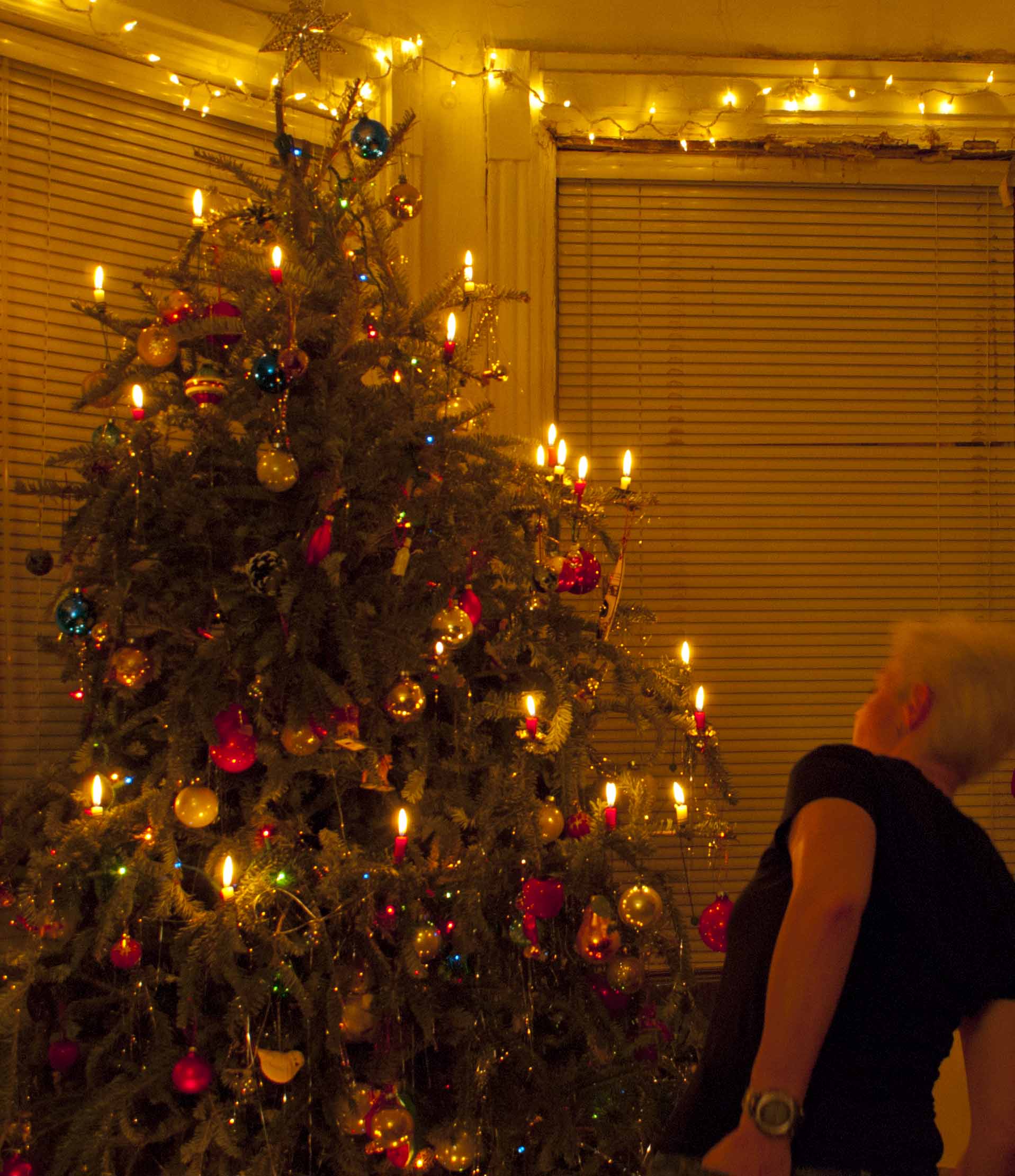
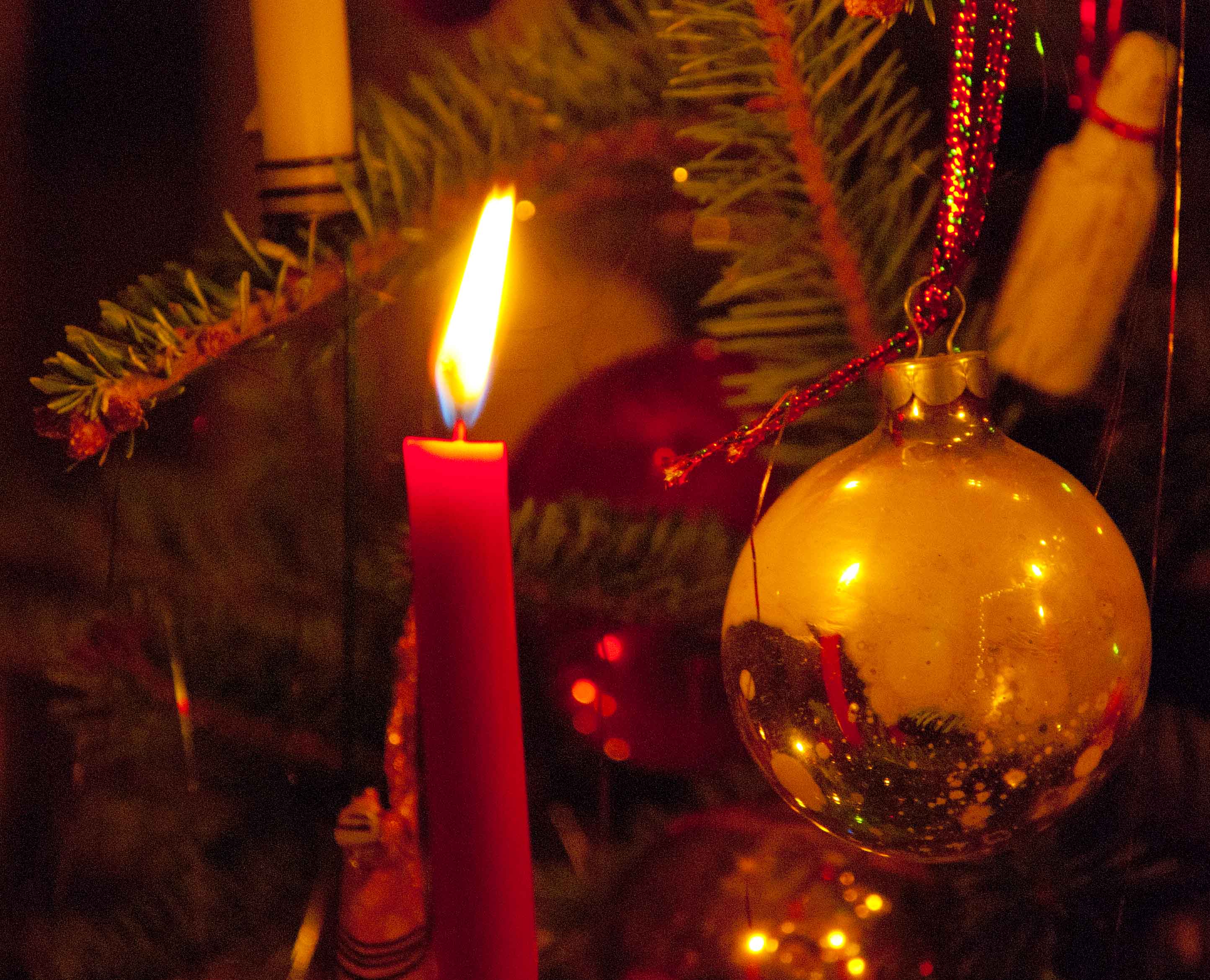
DSC_0013 cropped smallIt was the second weekend in January when we had our last Christmas dinner.

It was our third or fourth Christmas dinner. We  fixed a sumptuous meal, sipped wine, and lit the tree for the last time. As the candles slowly winked out, one by one, we talked about the meaning of Christmas.

To me, Christmas is unique. Sure, every holiday has its particular trappings (pumpkins, fireworks, candy canes…). But what’s different about Christmas is that it celebrates not that which is, but that which is to come.

Every other holiday celebrates an accomplishment or achievement: Thanksgiving is a classic harvest festival,  in which we give thanks for the year’s bounty (and historically, for having survived).  The Fourth of July celebrates the attainment of independence. Hallowe’en is the remembrance of the dead, and New Year’s celebrates the arrival of the New Year. And so on.

Christmas alone is a celebration of hope.
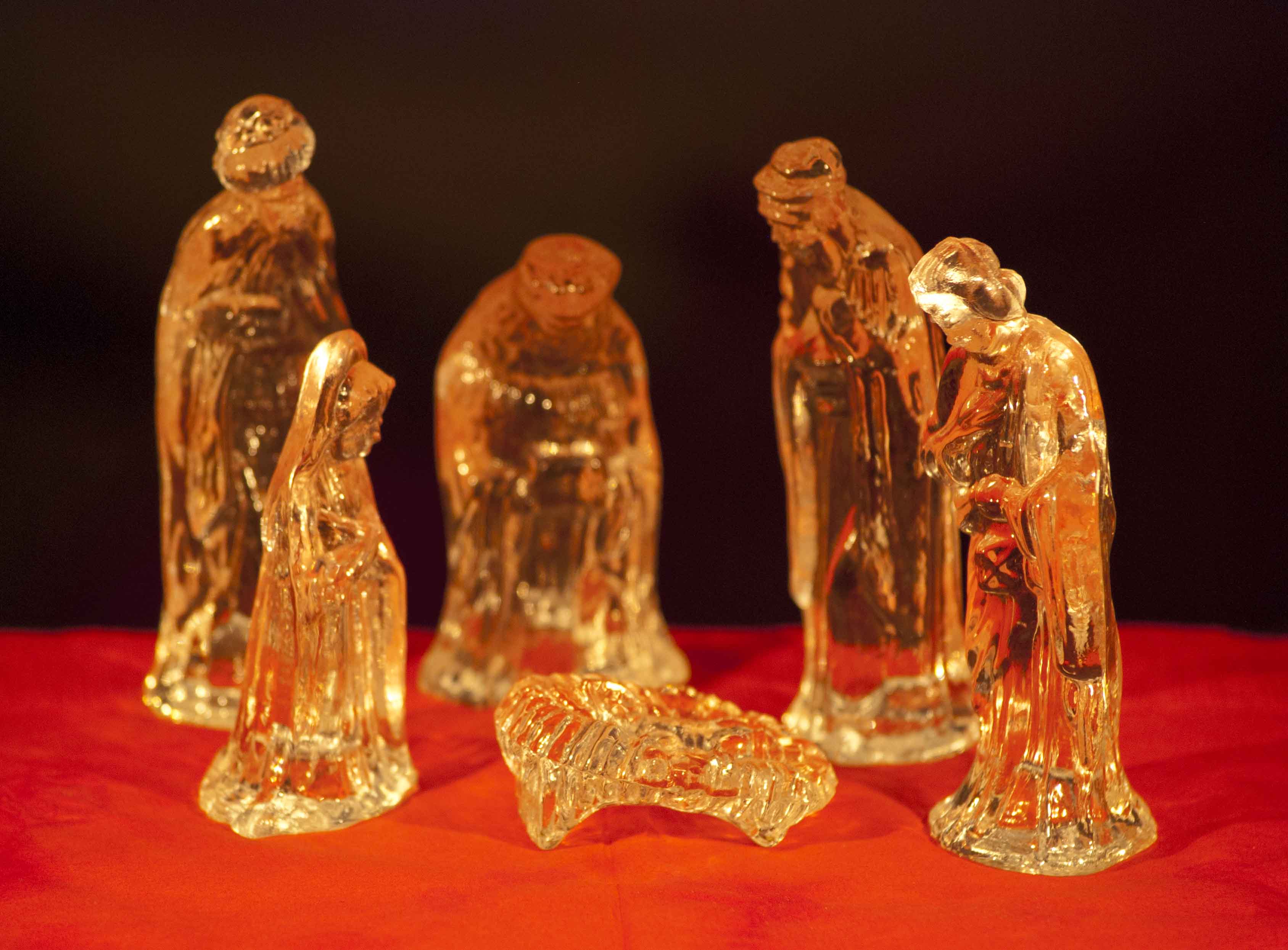
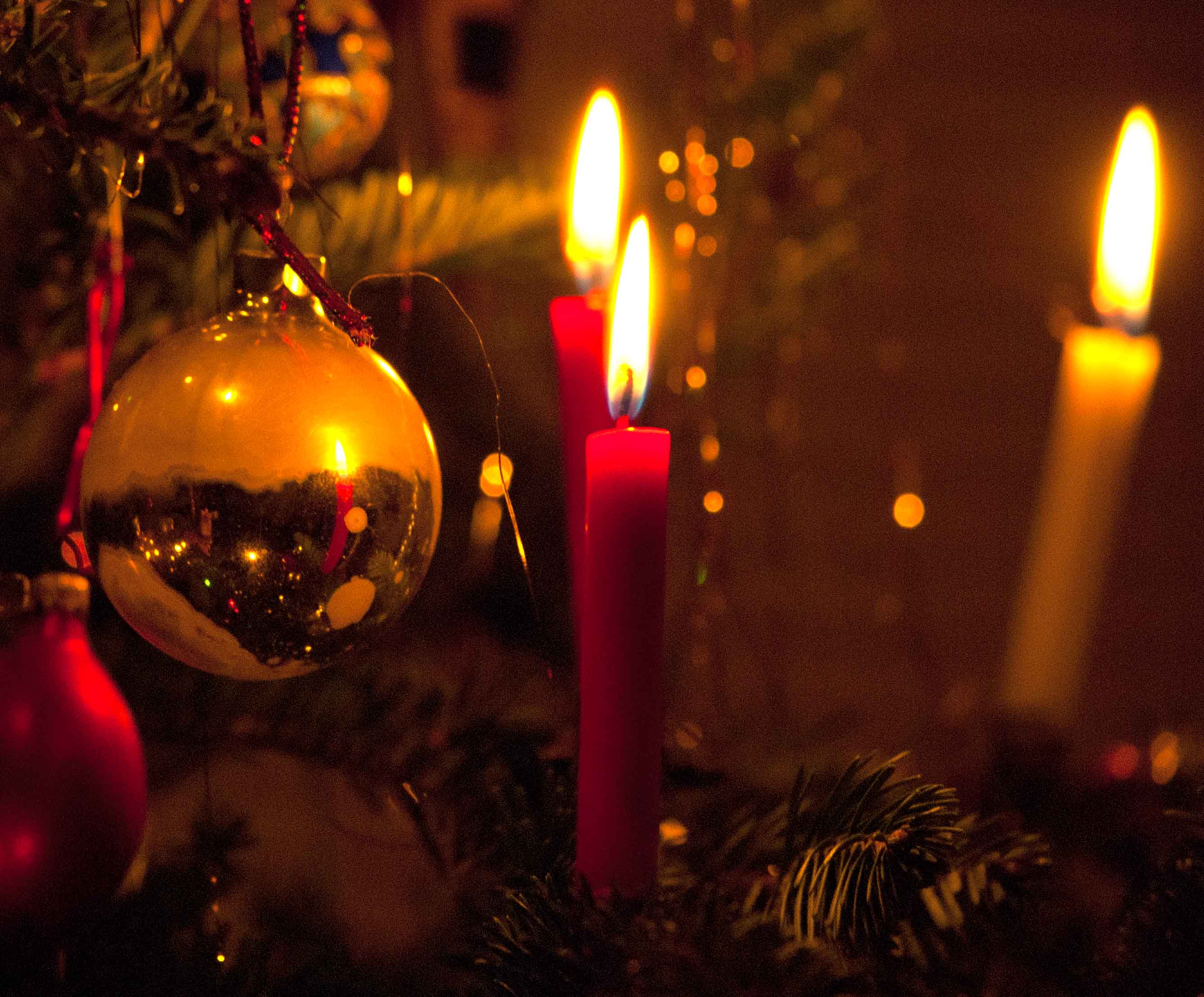
DSC_0027 cropped smallFor Christians, of course, the celebration is the birth of Jesus. But the birth of Jesus is, in a very real sense, the arrival of hope, the hope that an innocent child can be stronger than the worst evils of this world, that God is returning to His people, and that love will conquer evil. The birth of Jesus is just the start of that hope.

And the hope isn’t just for Christians. Regardless of when the birth of Jesus happened historically (and there is considerable speculation on this point), the ancient Christians elected to celebrate the birth of Christ roughly concomitantly with an older festival: Winter solstice.

It was a wise choice, because solstice, too, is a celebration of hope: The hope that the days will once again begin to lengthen, light will conquer darkness, and warmth will return.

Whether you’re a fervent Christian or an equally-fervent atheist or something else, in other words, celebrating Christmas is an act of existential courage. We are celebrating the hope that light, goodness, and warmth will return to the world.

Of course, that’s not strictly true. Vlad points out that his mother, with Eastern European clear-eyed cynicism, used to remark that the ancient Christians were wise to put Christmas a few days after the solstice proper—so by the time Christmas festivities began on the 24th, they could be certain the days were in fact lengthening again.

Nonetheless, Christmas is a festival of hope. It looks forward to better things to come.
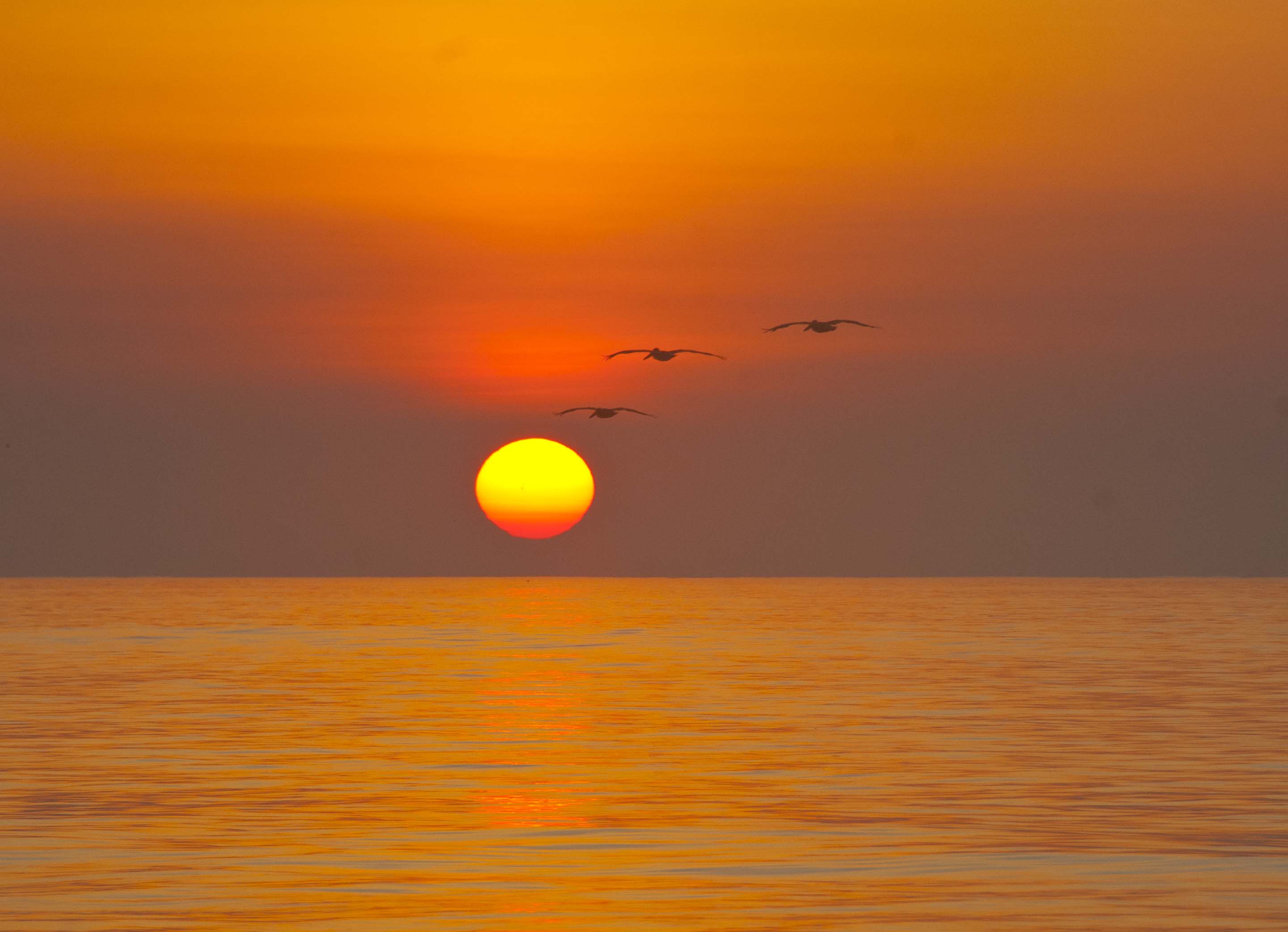
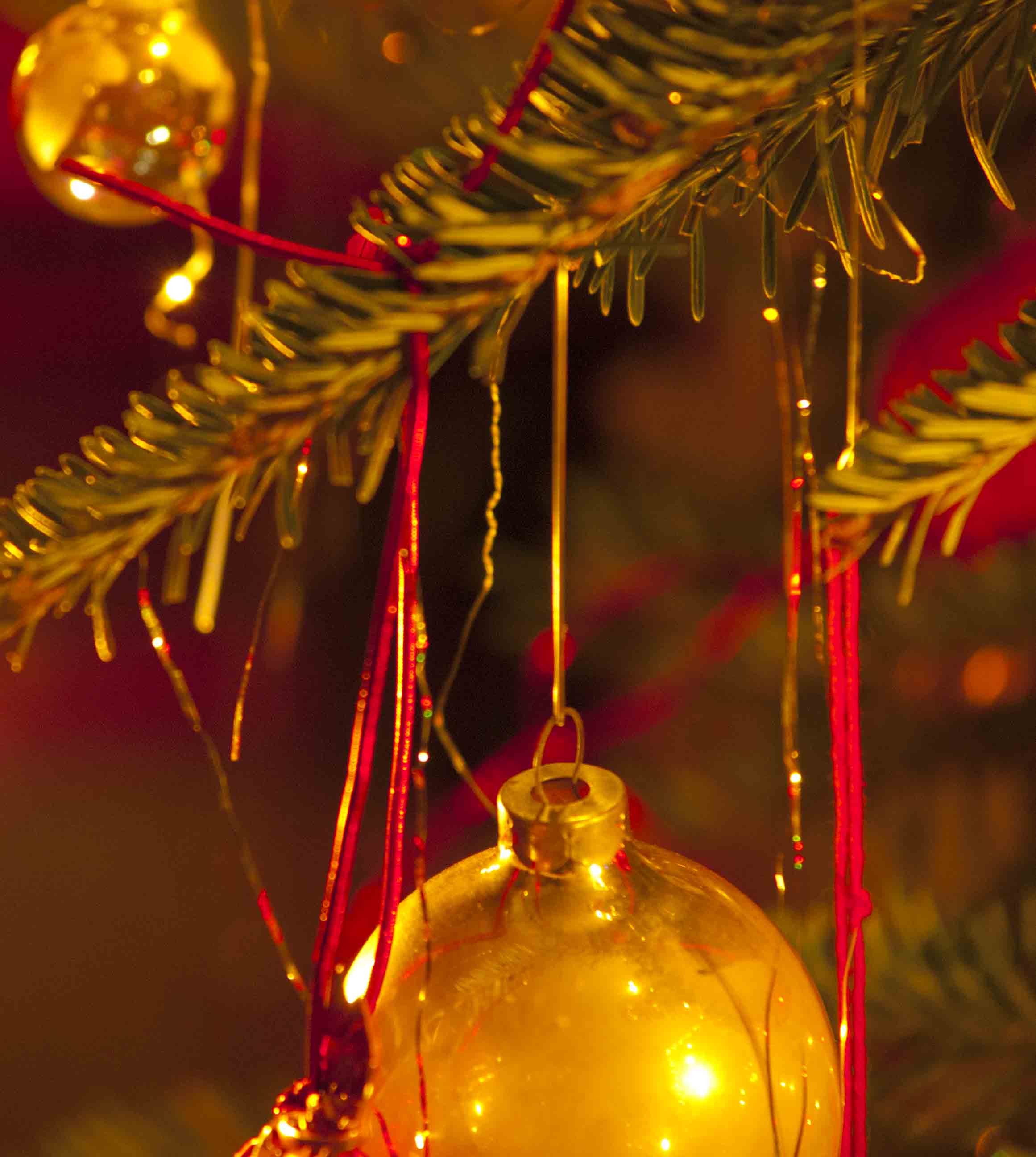
DSC_0107 cropped smallFor this reason, in my book, Christmas deserves to be the most-celebrated holiday. The celebration of hope is the celebration of possibility. Rather than celebrating just one accomplishment, we’re celebrating the possibility of all that we can hope for: Light, love, happiness, joy. Peace on Earth, and God among us—and all the infinite accomplishments that could happen in a world in which these are realities.

That’s why we kept celebrating Christmas well into January.

And as we watched the candles sputter and wink, we thought about all the goodness we hope this year will bring.

One last time: Merry Christmas to all!

Weekly Photo Challenge: Illumination

By Vladimir Brezina

This week’s Photo Challenge is Illumination.

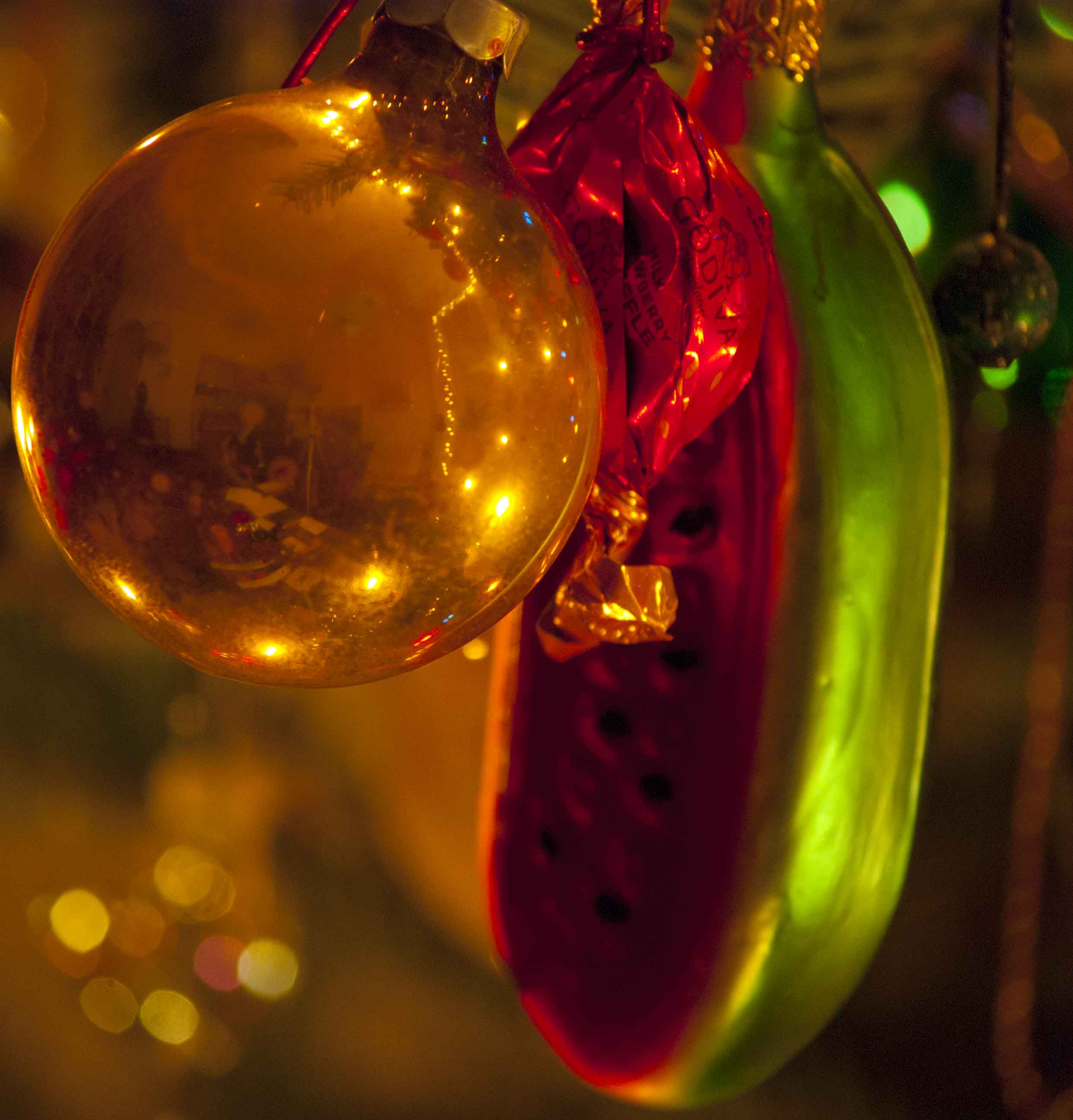
Christmas 2011—

In bright light, the Christmas tree looks pretty enough… but somehow still awaiting its true moment.

Candlelight works its magic. The whole tree glows with a soft radiance. The light picks out the glitter of ornaments from the pools of darkness deep among the branches. The candles burn silently, yet flicker perceptibly from moment to moment. The rising air sets strands of tinsel subtly in motion, shimmering in the light. The tree is alive.

DSC_0018 cropped small

More photos from Christmas 2011 are here, and from Christmas 2012 here.

Our 2013 Calendar

By Vladimir Brezina and Johna Till Johnson

We have a recent tradition: This year and last, we’ve created a wall calendar based on Vlad’s photos. It’s an enormous amount of fun to look through the photos and select the thirteen (including cover) that best capture our themes for the month, and the year.

We print the calendar using  Shutterfly, which overall does a fine job for a reasonable price. The calendars are printed on heavy, glossy paper stock (they’re hanging on the walls now) and we’re able to customize each day of the year, adding holidays, birthdays, phases of the moon, and, of course, the times of tidal current change in Hell Gate! (Hell Gate is a good proxy for the current everywhere in the New York harbor—it basically tells us whether we’ll be kayaking north or south on a particular day).
We decided to share our 2013 photos with you. Please let us know your favorite shots. (There are some months that we’re already impatient for, because we like the photos so much!)

Cover

IMGP5494 cropped small(Story is here.)

What are days for?
Days are where we live.
They come, they wake us
Time and time over.
They are to be happy in:
Where can we live but days?

Philip Larkin, Days

January

DSC_0209 cropped small(More photos are here.)

February

DSC_0188 cropped small(More photos are here.)

March

DSC_0029 cropped small(More photos are here.)

April

DSC_0161 cropped small(More photos are here.)

May

DSC_0221 cropped small(More photos are here.)

June

IMGP5537 cropped small(Story is here.)

July

IMGP5926 cropped small(Story is here.)

August

IMGP6175 cropped small(Story is here.)

September

IMGP6636 cropped small(Story is here.)

October

DSC_0097 cropped small 3(More photos are here.)

November

DSC_0121 cropped small(More photos are here.)

December

dsc_0002-cropped-small-4

Happy 2013!

Christmas Lights

By Vladimir Brezina

We always get our Christmas tree only a day or two before Christmas, barely hours before the Christmas-tree vendors in the streets pack up for their migration back north. We do this not just because we procrastinate (we do), but because Johna follows an older tradition. According to Wikipedia,

Traditionally, Christmas trees were not brought in and decorated until Christmas Eve (24 December) or, in the traditions celebrating Christmas Eve rather than on the first of day of Christmas, 23 December, and then removed the day after Twelfth Night (5 January); to have a tree up before or after these dates was even considered bad luck.

So, even as our neighbors’ Christmas trees are already out in the street for removal, our tree is only now reaching the peak of its transient glory—

Christmas tree lit, 2012DSC_0074 cropped smallDSC_0037 cropped smallDSC_0091 cropped smallDSC_0103 cropped smallDSC_0117 cropped smallDSC_0123 cropped small

Happy Solstice, Festive Holidays!

By Vladimir Brezina

This morning we passed the Solstice of December 21, 2012, otherwise known as 13.0.0.0.0, and we can be cautiously optimistic—I am, on the whole, an optimist—that the world as we know it will continue…

So it seems safe to wish everyone a Happy Winter (or Summer, as it may be) and Festive Holidays!

And safe to respond to Ailsa’s photo challenge, which this week, very appropriately, is Festive

dsc_0002-cropped-small-4

On Being Athletic

By Johna Till Johnson
Photos by Vladimir Brezina

DSC_0565 cropped small

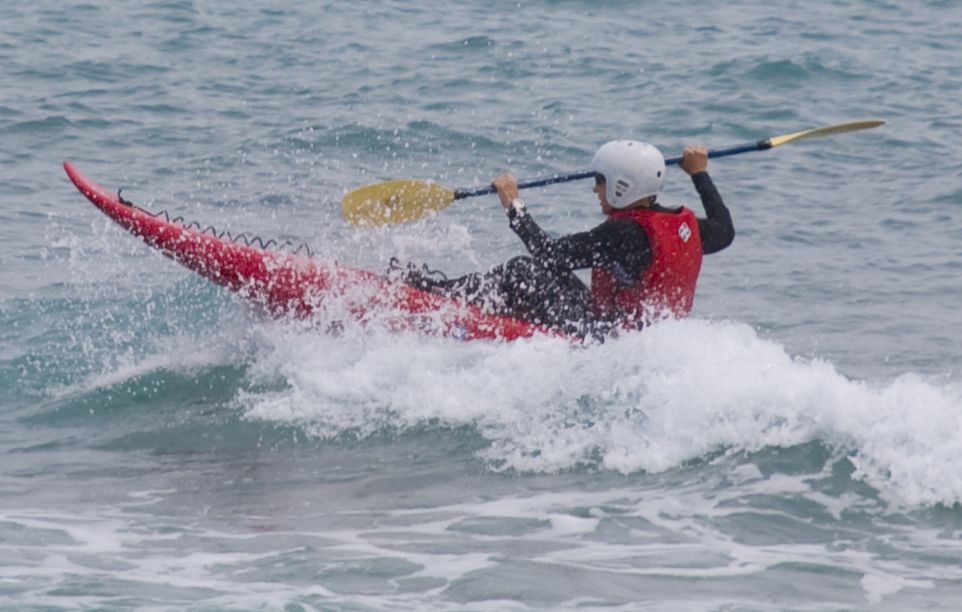
Quite the athlete–in six inches of water!

I’m not athletic.

Or at least, I never thought I was. True, I’d been on a couple of teams when I was young (fencing, swimming) and been told I had “potential”.

But the formative comment on my athletic abilities came from a gymnastics coach when I was 8: “She hasn’t got it.”

By “it” he meant “kinesthetic sense”—that ability to know exactly where your body is and what it’s doing at every moment. It’s an ability that’s foundational for most athletic endeavors.

The coach was right—I didn’t have it, and I could see its lack in my everyday life.

I fell off things, or tripped and landed face-forward (my lower lip has been split so many times my dentist is in awe of the scar tissue). Especially early on, I could drive my kayak coaches to despair with my inability to understand basic movements: “Move the blade up, Johna… no, UP… Johna, just LOOK at me!”

So I internalized that lack, and for a while it defined me. I had many other strengths, but no kinesthetic sense—or so I thought.

Here’s what I didn’t know then, and know now: Kinesthetic sense—and with it, athletic ability—can be learned.

Sure, there are prodigies who have it at birth, and many more in whom it develops rapidly with just a minimum of encouragement. Like other human abilities, athletic talent appears to be distributed along a spectrum.

But for those of us on the “don’t have it” end of the spectrum, it’s possible to develop it by thinking about your body, what it does, and how it moves.

A revelatory moment came last year when I was taking CrossFit classes. The coach was a wool-cap-wearing tattooed guy in his 20s with interesting facial hair and the wiry body of a professional skateboarder.

“There’s one fundamental athletic motion, ” he told me, and demonstrated it: Driving your body upwards using your legs as a spring, straightening your bent knees and driving from your heels.

DSC_0543

Learning to kayak-surf (before developing my kinesthetic sense)

Damn if he wasn’t right! It’s the classical motion of kayaking (driving your heels forward to propel the boat forward with your strokes). But you also see it in practically every other sport, from basketball to golf to rock-climbing. To get it right, everything has to be in proper alignment (heels, knees, back, shoulders) and even the positions of your toes and your neck matter.

CrossFit taught me to pay attention to form, because the coaches encouraged us to do weighted squats—and if you do squats with poor form, you blow out your knees (and potentially create insurance liabilities for the CrossFit gym). Good coaches are therefore dogmatic about teaching you the right form.

So I spent hours watching myself in the mirror, lifting weights and struggling with chinups and situps. I’d shut my eyes and try to feel where my knees, toes, and shoulders were—then open my eyes and see how close I’d guessed.

The attention to form paid off in kayaking—suddenly, I made progress in areas that had been baffling to me in the past. And the more I thought about where my body was and what it was doing, the better I got.

I recently took up barefoot running, which is all about proper form. You have to think about curving your toes up (you want to land on the balls of your feet, shift your weight to your toes, and then to your heels). And you need to keep your neck relaxed and your shoulders back… and use that “fundamental athletic motion” to drive yourself along.

And for once in my life, I’ve found an athletic activity that’s easy for me.  That attention to form feels natural, innate. No, I’m not fast—but my goal isn’t to be fast. If I’m moving, I’m going as fast as I need to. My goal is to develop the form and motion that will allow me to run as much as I want—and I don’t know how much that will be, yet.

IMGP7642 cropped small 2

Practicing my low brace form (don’t want to fall into the Gowanus Canal!)

What’s even more interesting, though, is how the whole experience has changed how I move my body in everyday life.  I find myself doing the “drive” when I get up from a chair, or instinctively adjusting my balance as I climb the stairs, thinking about whether my center of gravity is over my heels or my toes.  And my movements have gotten more graceful and confident—like those of the “natural” athletes I know.

I doubt that having a kinesthetic sense will ever be instinctive for me. And the coach was undoubtedly right—I would likely never have made it to the upper echelons of gymnastics.

But the fact that, as an adult, I can acquire “it” is eye-opening to me.

If someone who “hasn’t got it” can become athletic—what other seemingly impossible things might be possible, after all?

Travel Theme: Hot

By Vladimir Brezina

Ailsa’s travel-themed photo challenge this week is Hot.

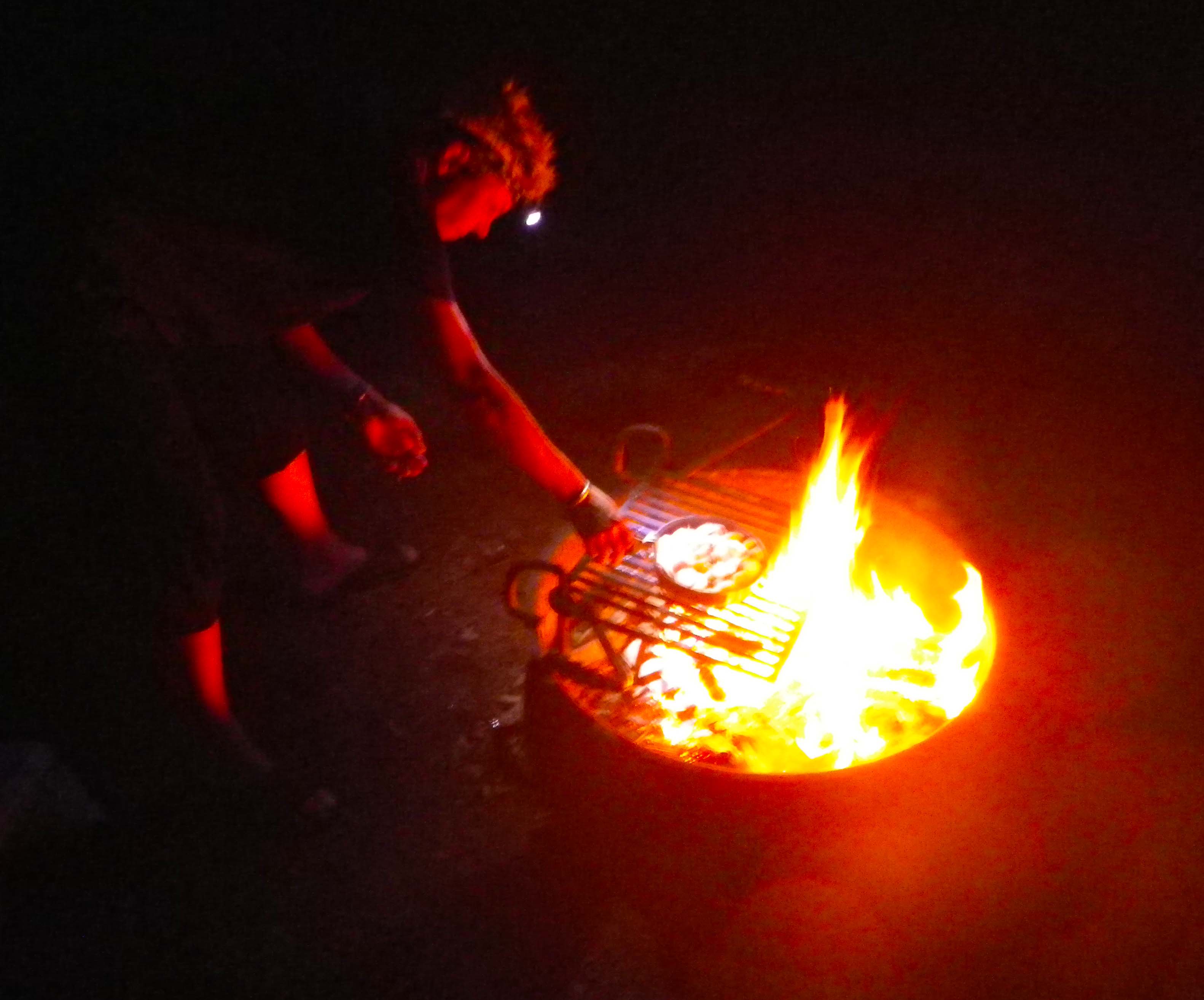
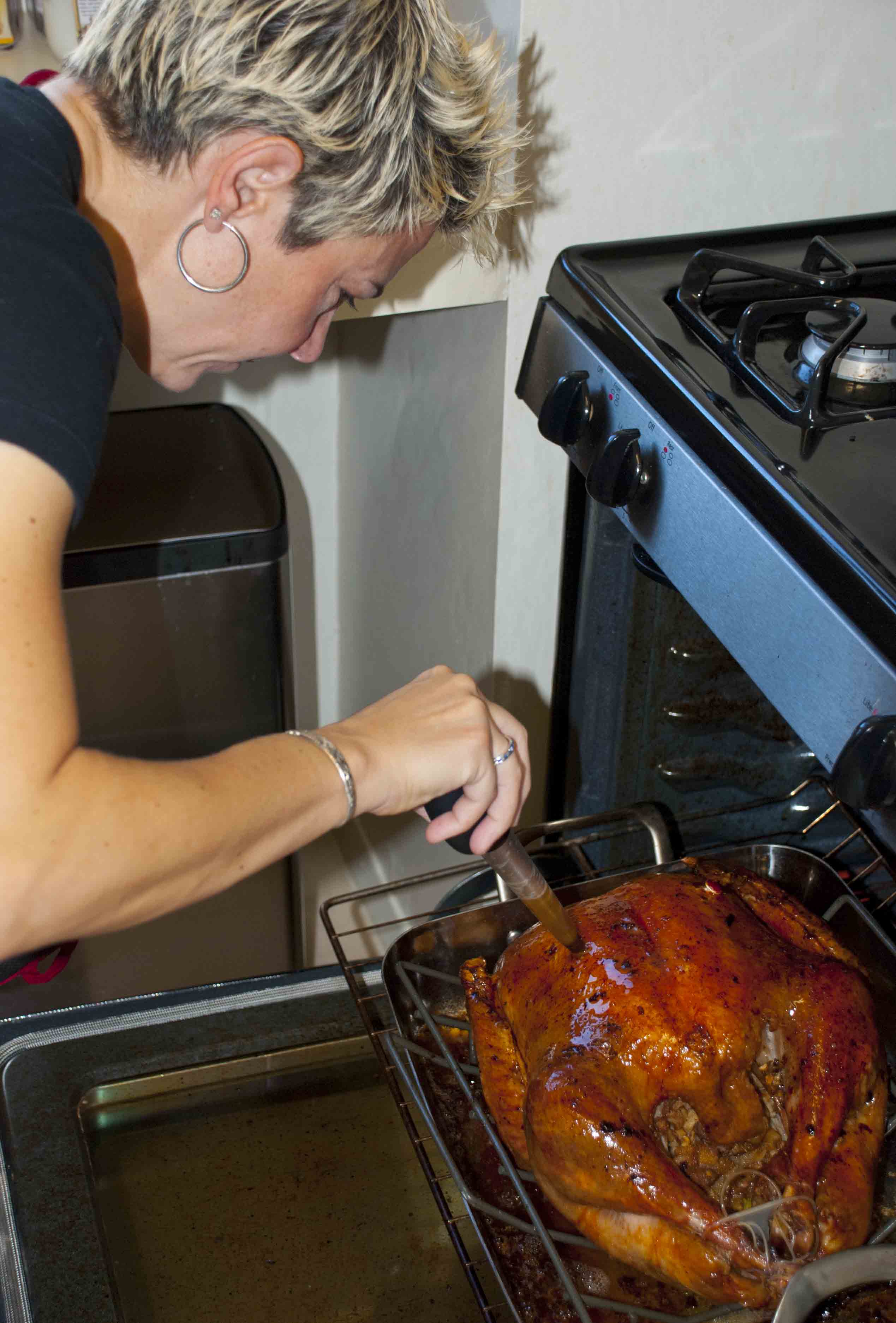
Cooking can be hot work…

IMGP3620 cropped small

Weekly Photo Challenge: Thankful

By Vladimir Brezina

This week’s Photo Challenge is Thankful.

A Thanksgiving meal to be thankful for, especially as Sandy reminded us that it could have been otherwise—

Sandy Saga, Part 4

By Vladimir Brezina and Johna Till Johnson

<— Part 3

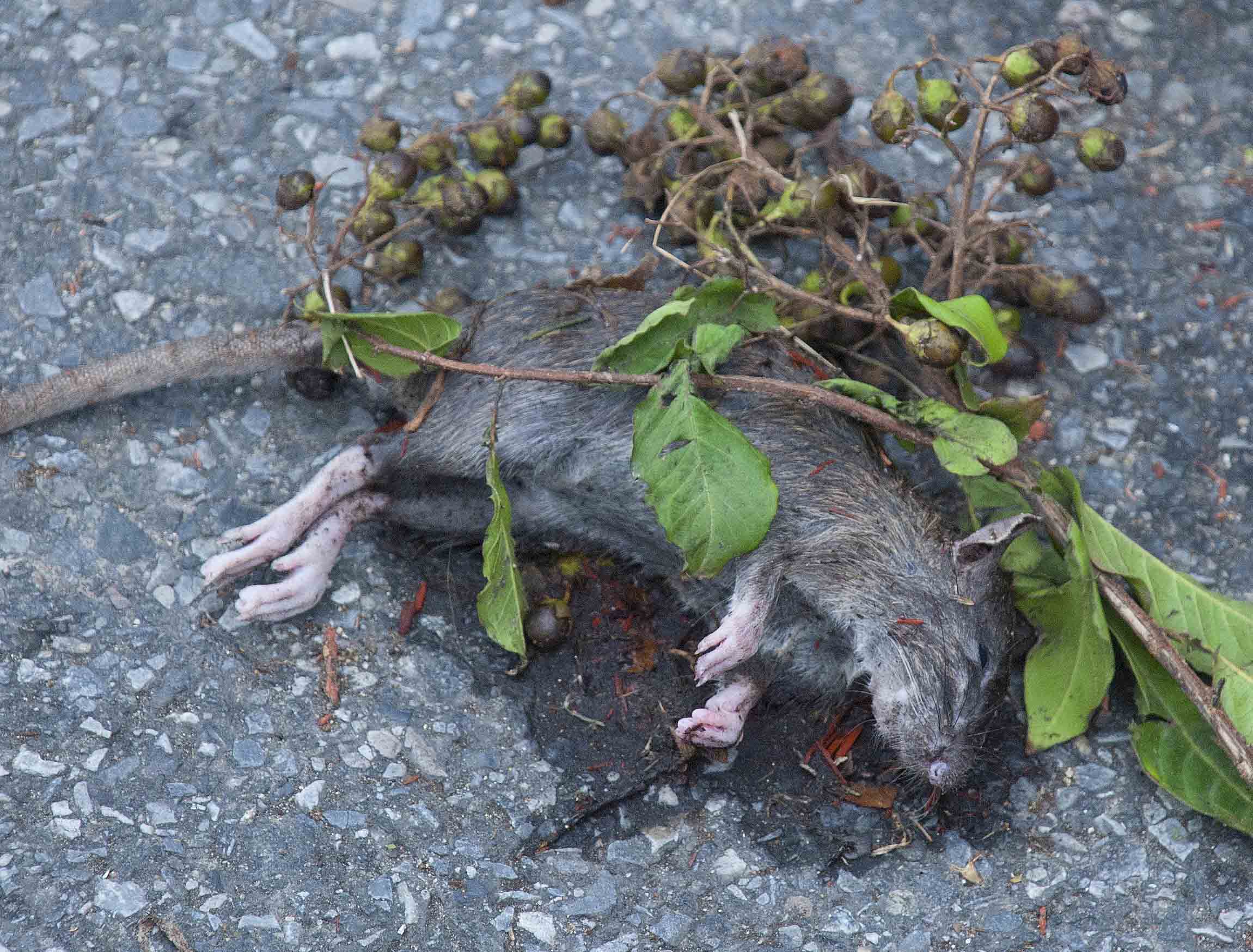
Even rats drowned

Sandy’s gone.  She’s now somewhere to the northwest of us, passing into Canada, still producing wind, rain, and snow. If last year’s storms Irene and Lee are any guide, the heavy rain and flash flooding will be devastating, particularly in hilly areas.

But here in New York City, Sandy is over. Her consequences, however, are another matter. First, the good news: Not all that much rain fell in the city (though exact statistics are hard to come by at present with many of the relevant internet sites down). The extreme wind—when we had to cower in the bedroom—only lasted from about 6 to 8 p.m. on Monday as Sandy came ashore, a little to the south of us, near Atlantic City, NJ. Then the winds diminished steadily through the night. Yesterday there were still some sharp gusts, but this morning there is little wind, the clouds are breaking up, and it’s becoming sunny. The rain and wind were over much sooner than anticipated.

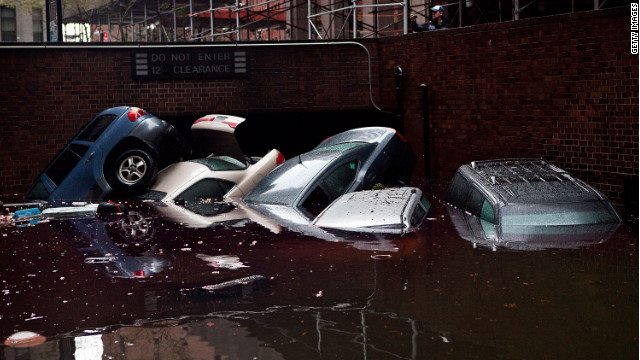
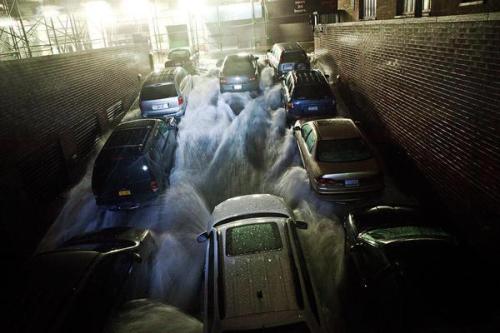
Cars float in a flooded below-street-level parking area in New York’s Financial District on Tuesday (photo by Getty Images)

The bad news, of course, is that the storm surge followed the worst predictions. Coinciding unfortunately with the time of high tide, “water levels in Battery Park on the tip of Lower Manhattan rose to 13.88 feet at 9:24 p.m Monday, smashing the record high of 10.02 feet set in 1960 during Hurricane Donna,” the National Weather Service reported. As we’d feared, last year’s Irene was just a mild preview.

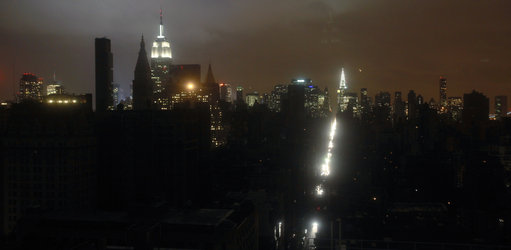
As a result, New York City is crippled.

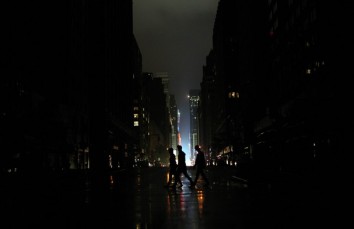
Dark Manhattan (photo by the New York Times)

Power outage in Manhattan on Monday (photo by Allison Joyce/Getty Images)

Since many of the seawalls around the city are just a few feet high, the storm surge flooded many low-lying areas—notably Lower Manhattan. The water knocked out electrical power and flooded tunnels and the subway, many parts of which remain flooded. Especially as the salt water has probably ruined a lot of equipment, recovery will take days if not weeks.

Lower Manhattan will probably remain without power at least through the weekend. Cell phone service is spotty. Many subway lines are out indefinitely, though on a positive note, some lines—including our lifeline, the number 6—are to resume service along sections of track that were not flooded tomorrow. Buses are running, but slowly and erratically, since many streets are gridlocked with traffic.

The Brooklyn Battery Tunnel is flooded with about 12 feet of water Tuesday after a tidal surge caused by Hurricane Sandy (photo by Getty Images)

This evening’s Halloween Parade has been canceled. The New York Marathon, scheduled for Sunday, is still on, although skeptics fear that the difficulties of transporting so many people through the city will prove insuperable.

But it could have been much worse—and in many places outside the city, especially in coastal New Jersey where Sandy came ashore, it was.

Continue reading

Sandy Saga, Part 3

By Johna Till Johnson and Vladimir Brezina

<— Part 2

Monday 10/29/12, 11: 30 PM:

From the National Weather Service earlier this evening:

NATIONAL WEATHER SERVICE DOPPLER RADAR INDICATED WINDS UP TO 110 MPH BETWEEN 1500 AND 3000 FEET. SOME OF THESE VERY STRONG…DAMAGING
WINDS WILL OCCASIONALLY REACH THE SURFACE…PRODUCING GUSTS OF
70-90 MPH ACROSS THE NEW YORK CITY METROPOLITAN AREA…

GUSTS OF THIS MAGNITUDE WILL DOWN NUMEROUS TREES…INCLUDING LARGE
ONES. HIGH RISE BUILDINGS ARE ALSO SUSCEPTIBLE TO DAMAGE WITH
THESE GUSTS. PERSONS ARE URGED TO REMAIN SHELTERED IN A STURDY
BUILDING DUE TO THE THREAT OF FALLING TREES…LARGE LIMBS AND
FLYING DEBRIS.

They weren’t kidding about the winds. Thank heavens we’re not at 1,500 feet, but we are in a HIGH RISE BUILDING! Even on the 17th floor—a couple of hundred feet off the ground—the gusts are fierce and very loud. The window frames appear to be flexing, which is disconcerting. Occasionally the whole building rattles, all 30 floors of it. When an unexpected gust slams into it, we are tempted to take refuge in the bedroom and pull the sheets over our heads.

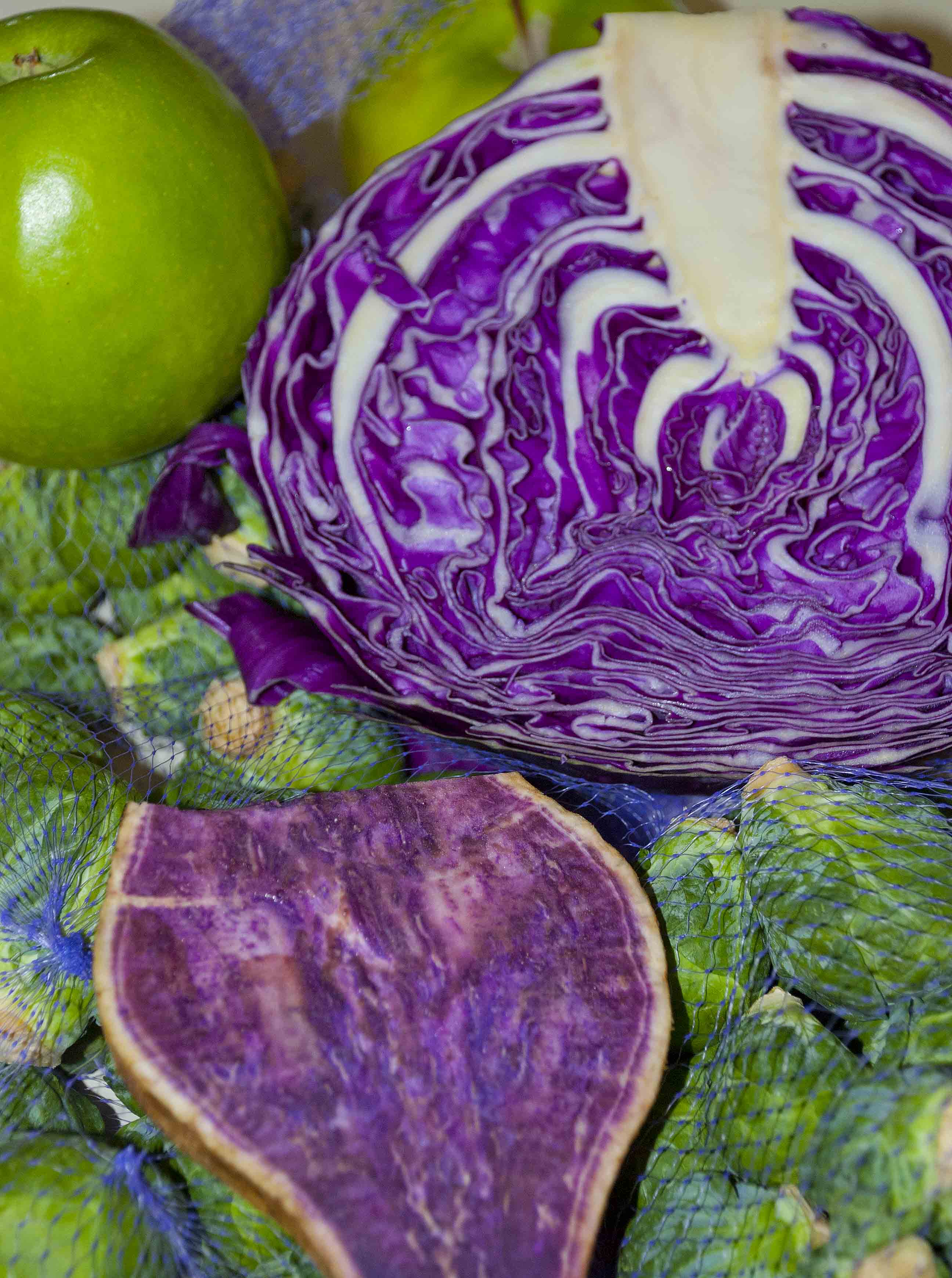
Instead, we take heart and, while we still have power, are roasting a chicken with red cabbage…

The headlines being updated every few minutes in The New York Times tell the catastrophic story elsewhere in the city:

  • More Than 9,000 Flights Canceled So Far
  • Crane Collapses on West 57th Street
  • Power Losses Cascading as Storm Descends
  • More Area Bridges Are Closing
  • Building Facade Collapses in Chelsea, N.Y.C.
  • Con Ed Shuts Off Power to Lower Manhattan
  • Cars Floating on Wall Street
  • Record Water Level at Battery, With Higher To Come
  • Lady Liberty Goes Dark
  • First N.Y.C. Fatality
  • Subway Bridge to Rockaways Underwater
  • 250,000 Without Power in Manhattan
  • New York’s 911 System Overloaded
  • Flooding in Tunnels and Subways
  • Dangerous Water Levels at Nuclear Plant
  • Explosion and Flooding Knock Out Power

Lower Manhattan, October 29, 2012 (photo by Hurricane Sandy)

Floodwaters rush into a subterranean parking garage in the financial district, October 29, 2012 (photo by Rationalist)

Much of Manhattan is now without power (photo by Rationalist)

Another catalog of the bad news is here:

Hurricane Sandy sent floodwater gushing into New York’s five boroughs, submerging cars, tunnels and the subway system and plunging skyscrapers and neighborhoods into darkness.

The storm shaped up to be among the worst in city history, rivaling the blizzards of 1888 and 1947. Two deaths were reported in Queens and more than 670,000 were without power in the region as of 11:30 p.m., according to Consolidated Edison Inc. The company cut electricity to some areas to save its equipment and a transformer exploded at a plant on 14th Street, blacking out others. New York University evacuated its Langone Medical Center when it went dark and backup systems failed.

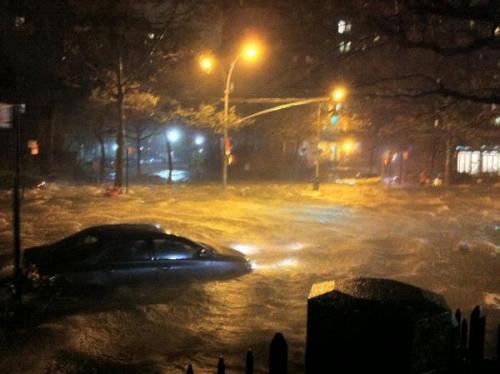
After the storm’s tide crested about 8 p.m., the East River topped its seawall in the Financial District and flowed up Wall Street in a torrent that turned avenues into canals and intersections into lakes. Flooding took over Brooklyn’s Red Hook neighborhood, submerging cars to the roof, while the Gowanus Canal overflowed and tree limbs plummeted. A downed power line sparked a fire in the beachfront Queens neighborhood of the Rockaways and the sea topped Coney Island’s boardwalk.

A flood gauge at Battery Park, at the southernmost end of Manhattan, registered at 13.88 feet as of 9:24 p.m., beating the modern record of 10.02 feet in September 1960 during Hurricane Donna, the National Weather Service said.

The runways became waterways at New York’s three airports, which make up the nation’s busiest air-travel market…

The Metropolitan Transportation Authority was investigating water entering a subway tunnel in Lower Manhattan, said [a] spokesman for the largest U.S. transit agency, which stopped its 24-hour system for weather for only the second time in its 108-year history. There’s no way to tell when the system run again, he said.

Manhattan came the closest to becoming a true island since the Sept. 11, 2001, terrorist attacks, after officials blocked the majority of 11 major crossings into the borough…

Not good at all.

Part 4 —>