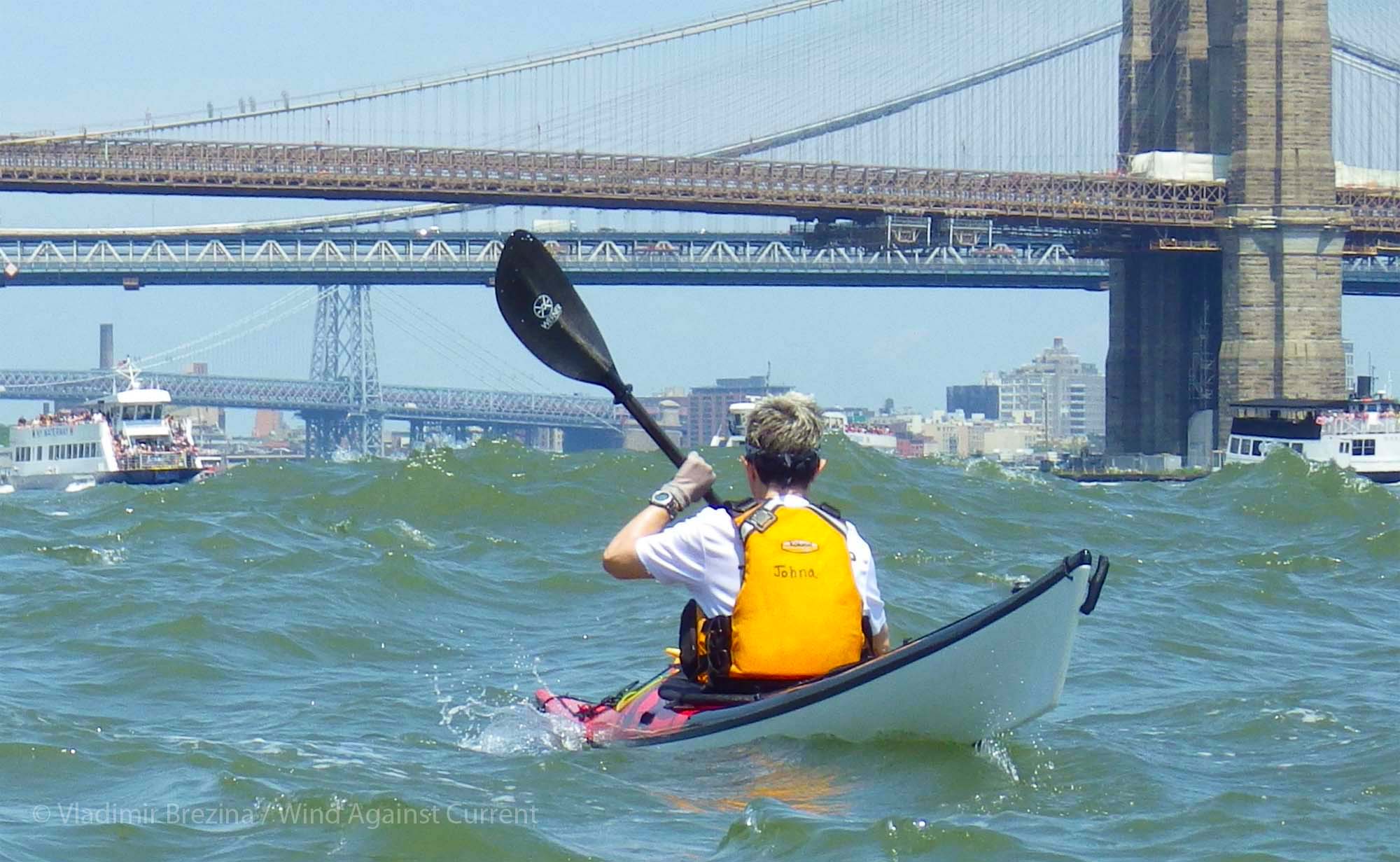
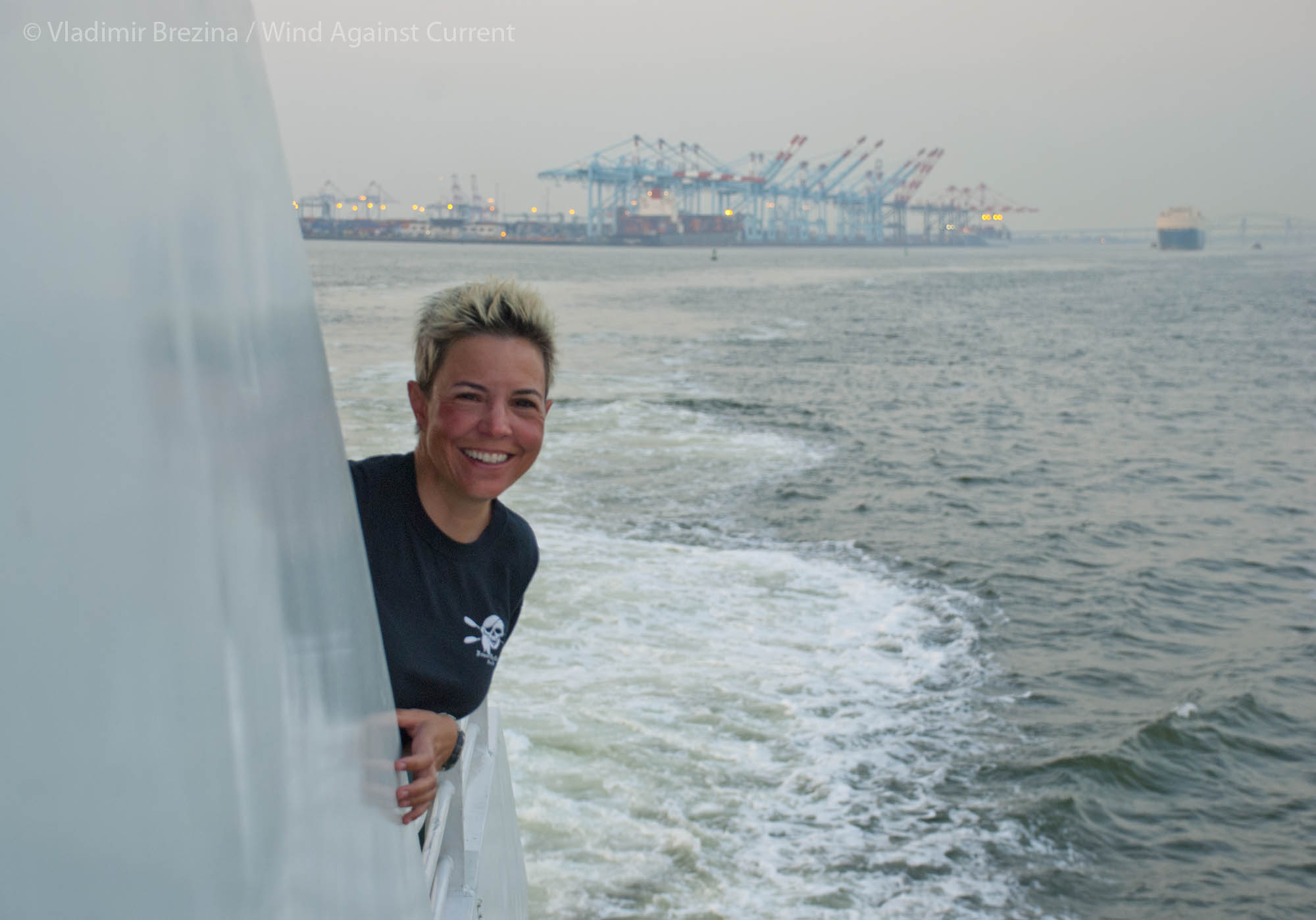
(Sorry, no photos this time! For one thing, I didn’t have a camera. And for another, it was, ahem, dark. So I’ve used a few of Vlad’s photos from previous circumnavigations.)
She rose up ahead of us, brilliantly lit in all her resplendent orange glory: the Staten Island Ferry, blazing against the dark night sky.
It was around 3:30 AM, and she was docked at Whitehall, at the southern tip of Manhattan.
Regular readers of this blog know that I’m deeply wary of the Staten Island Ferry. (“Deeply wary” sounds way better than “scared silly”, which is closer to the truth—of all the ferries, this one is the largest and seems to move the fastest, and I worry irrationally that one day I’ll be caught in its churning engines.)
A daylight view of the Staten Island Ferry at Whitehall
This night was no exception: There were ten of us, and the brisk ebb current was pushing us relentlessly into the ferry’s path.
The question was (with apologies to the Clash): “Should I stay or should I go?” Should we bank on the ferry’s remaining docked for the five minutes it would take us to glide past, or should we hold up and wait, back-paddling against the current, while she departed?
“Do you think we can make it to Piermont Pier?”, I asked.
“I know of no reason why not,” Vlad replied. A small alarm bell rang at the back of my head: he hadn’t exactly said, “Yes.” And Vlad is a man who uses words very precisely.
But I brushed it off. We’d come quite a distance up the Palisades—just over 19 nautical miles, in fact. Aided by a stiff flood current, we were almost at Italian Gardens, and we were deciding whether to stop there or continue onwards.
Piermont Pier, the long finger of land extending into the Hudson just south of the Tappan Zee Bridge, was only two miles away. We hadn’t been there yet this year, and the summer was almost over.
And though we’d had a brisk northerly breeze in our faces the whole way, we’d come thus far with no trouble. As Vlad said, there was no reason why we couldn’t make it the rest of the way.
So we set off into the wind-against-current chop ahead of us.
After the stasis of deep Summer, when NYC’s Central Park remains, it would seem forever, darkly lush and green, there are now unmistakable signs of the end. It’s still sunny and warm, and busy insects are still feeding from the late-summer flowers. But new colors are appearing here and there, as the days now with increasing rapidity take us into Fall…
It’s interesting to look occasionally through the search terms that people have entered to reach your blog. And recently, quite a few people have been arriving at Wind Against Current with the query “how many bridges circumnavigating Manhattan”. They’ll have been disappointed in not finding an answer—until now!
Another popular query is “how many islands in New York City”. Unfortunately, that question does not have a definite answer—it depends on what you consider an island, and on the state of the tide.
But “how many bridges circumnavigating Manhattan” does have a very definite answer. And the answer is…
Once in a while it occurs to us that there might be other ways to see New York Harbor than by kayak.
And so, on Tuesday evening, we traveled down to the South Street Seaport and boarded the yacht Zephyr, for one of the Hidden Harbor Tours organized by the Working Harbor Committee. Our appetites had been whetted by the recent Tugboat Races, also organized by the Committee. And reading the description of this tour, it promised to be another highlight:
This tour passes by the Red Hook Container Terminal and visits Erie Basin, home of Hughes Brothers Barges and Reinauer Tugs before crossing the harbor toward Staten Island. It then enters Kill Van Kull, the area’s busiest waterway dividing Staten Island and Bayonne, passing tug yards, oil docks and marine repair facilities. It then passes under the Bayonne Bridge and visits the giant container ports of Newark Bay, Port Newark and Port Elizabeth where the world’s largest container ships tie up. On the way back, we pass by Military Ocean Terminal, the 9/11 Teardrop Memorial, the Robbins Reef Lighthouse and another container port, ending up at the Statue of Liberty for a moment before returning to Pier 16.
Ailsa’s travel-themed photo challenge this week is Multicolored (or Multicoloured, but let’s not get into that…).
That theme sends me straight to this past summer’s Coney Island Mermaid Parade, the most multicolored event I ever saw. Here are just a few of the multicolored highlights.
Ailsa’s travel-themed photo challenge this week is Hidden.
In our kayaks, we can poke into the most obscure corners of New York Harbor. And we do! And over the years, we’ve found there many fascinating hidden things.
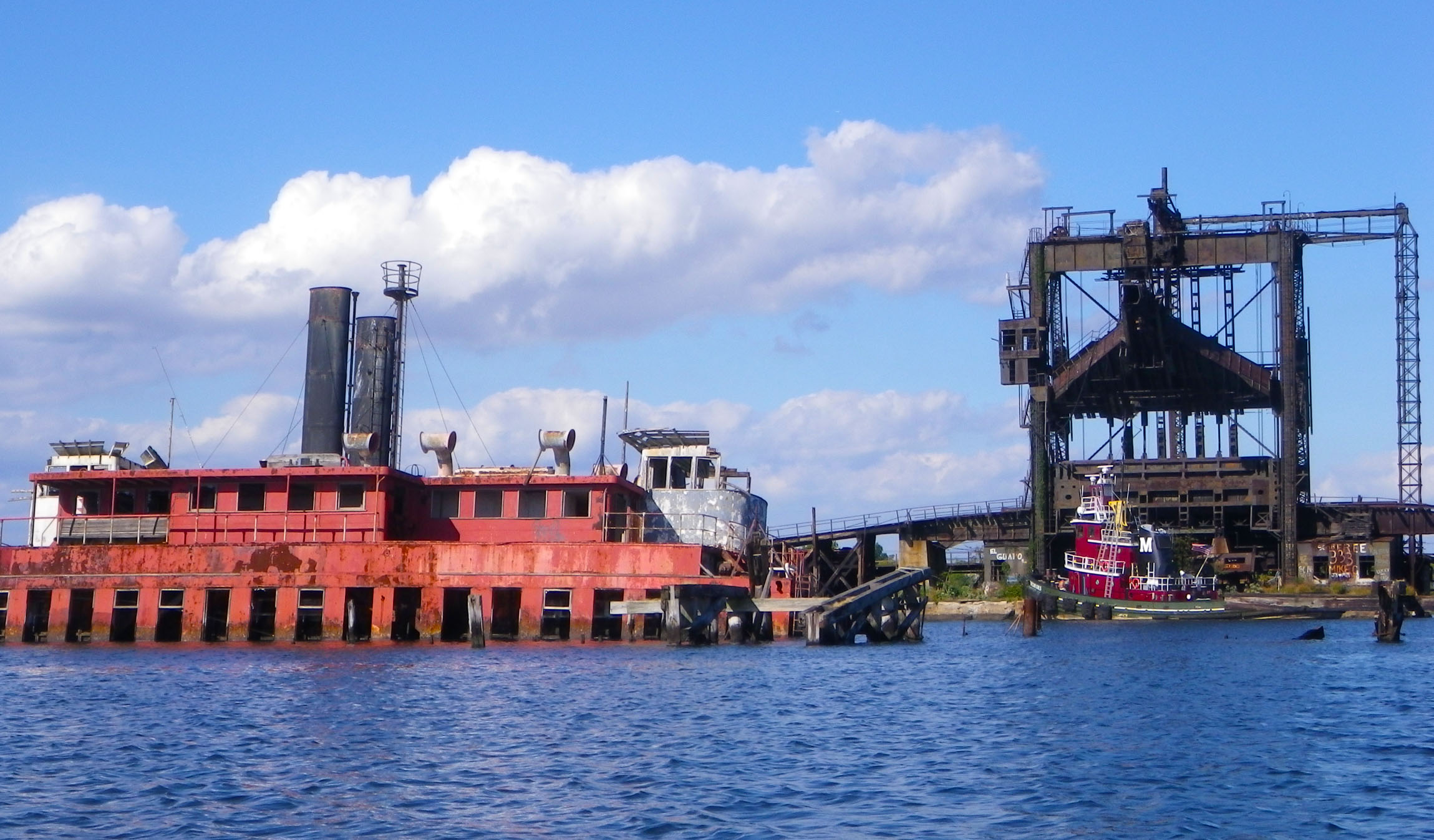
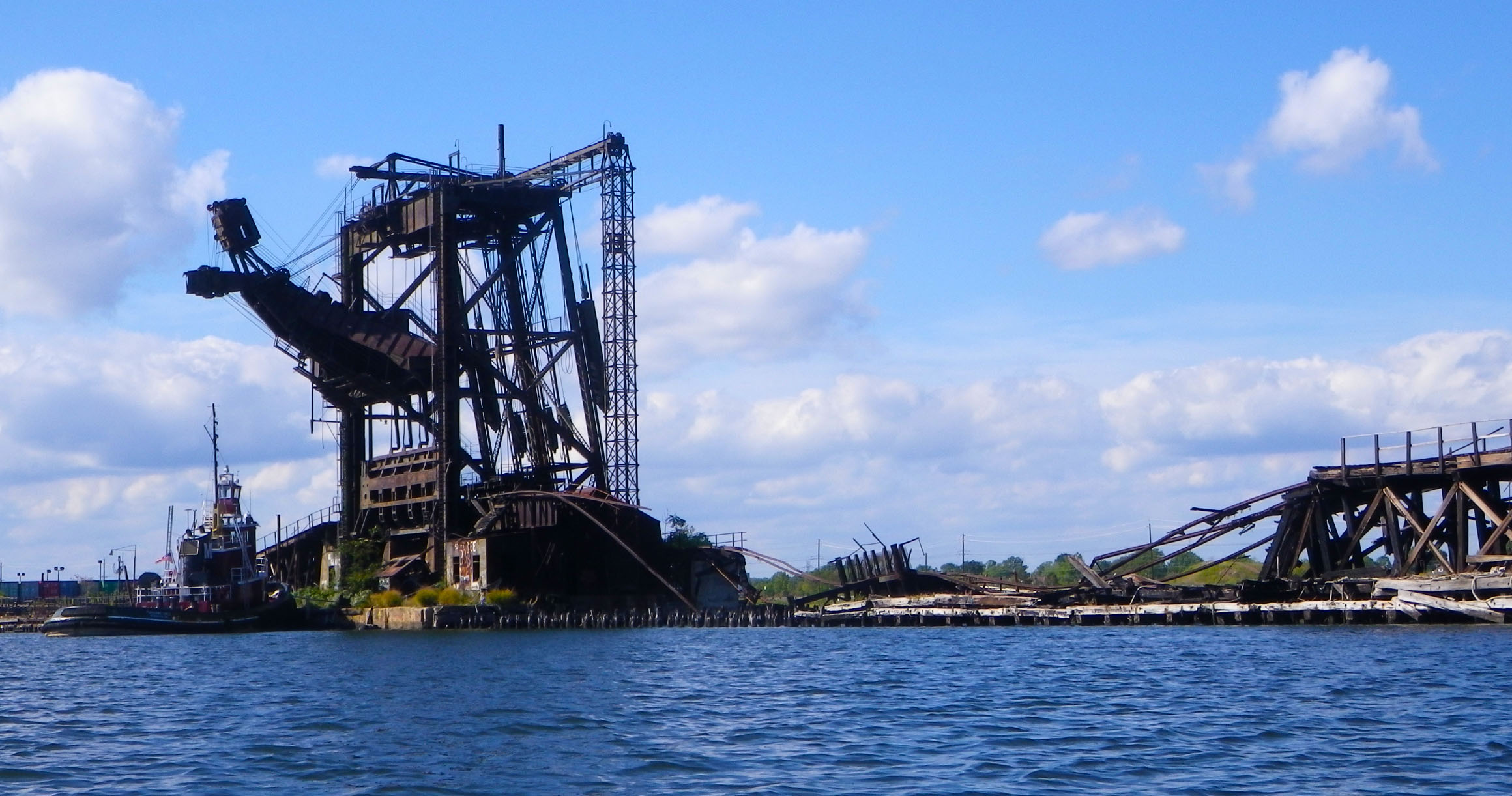
Here is another strange, intriguing structure. It’s located a little out of the way, in Port Reading, NJ, on the Arthur Kill behind Staten Island. It’s not exactly hidden—as you paddle up the Kill you can see it in plain sight from a long way off. But you have to notice it particularly, as it blends rather well into the general decayed industrial look of the shoreline. And, on the first visit, the pink wreck of the Major General William H. Hart just in front of it (in the first photo below) completely steals the show.
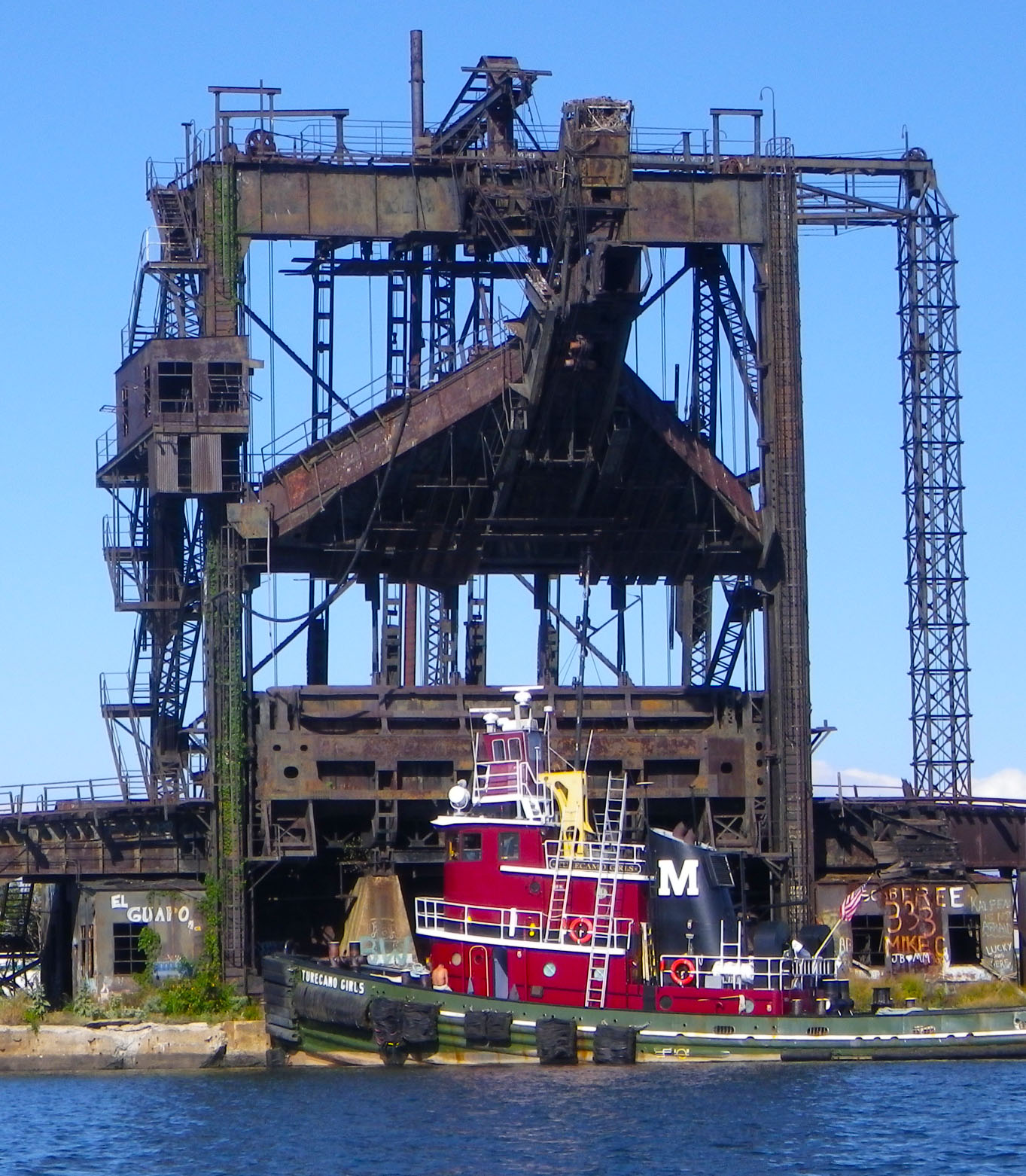
So, although we’ve paddled past many times, we’ve only once taken a few minutes for a closer look. This was in September 2010, when these photos were taken (since then, the structure has reportedly deteriorated even more).
At that time, we didn’t really know what we were looking at. Now that we do, we must go back for a careful inspection!
So, what is it?
It’s a McMyler Coal Unloader. Built in 1917 and operating until the 1970s—according to some accounts, until 1983—it’s the last remaining one of its kind in the New York area. Originally there were at least eight of them along the shoreline of New York Harbor, each operated by one of the railroads that brought coal in from Pennsylvania and the Alleghenies. One, described in loving detail here in a 1951 article, apparently was located on Jersey City’s Pier 18, a now completely vanished 900-foot quay extending into the Hudson River between Liberty and Ellis Islands!
In operation, an open-topped railroad car full of coal was pushed into position inside the unloader’s tower. It was then grasped by the machinery, bodily lifted up, and turned upside down so that the coal spilled down a chute into a waiting barge (moored about where the tug Turecamo Girls is moored in the photos above). The empty car was put back onto the rails and given a little shove, so that, like on a roller coaster, it rolled away by gravity down an incline while the next full car was pushed into position…
The Garden State Central Model Railroad Club has built a working model of a McMyler Coal Unloader, seen in action here:
No dainty opening of little hopper doors here. This was a crude, brute-force approach that worked. The McMyler Coal Unloader could empty a 100-ton car every minute or so, continuously. A fascinating relic of the heroic industrial age—it might have been built by giants!
Vladimir Brezina (RIP)
... kayaked the waters around New York for more than 15 years in his red Feathercraft folding kayak. He was originally from (the former) Czechoslovakia and lived in the U.K. and California before settling down in New York. He was a neuroscientist at the Mount Sinai School of Medicine in New York City. He died in 2016.
Johna Till Johnson
... is a kayaker and technology researcher at Nemertes Research. She's an erstwhile engineer, particle physicist, and science fiction writer. She was born in California and has lived in Italy, Norway, Hawaii, and a few other places. She currently resides in New York City.

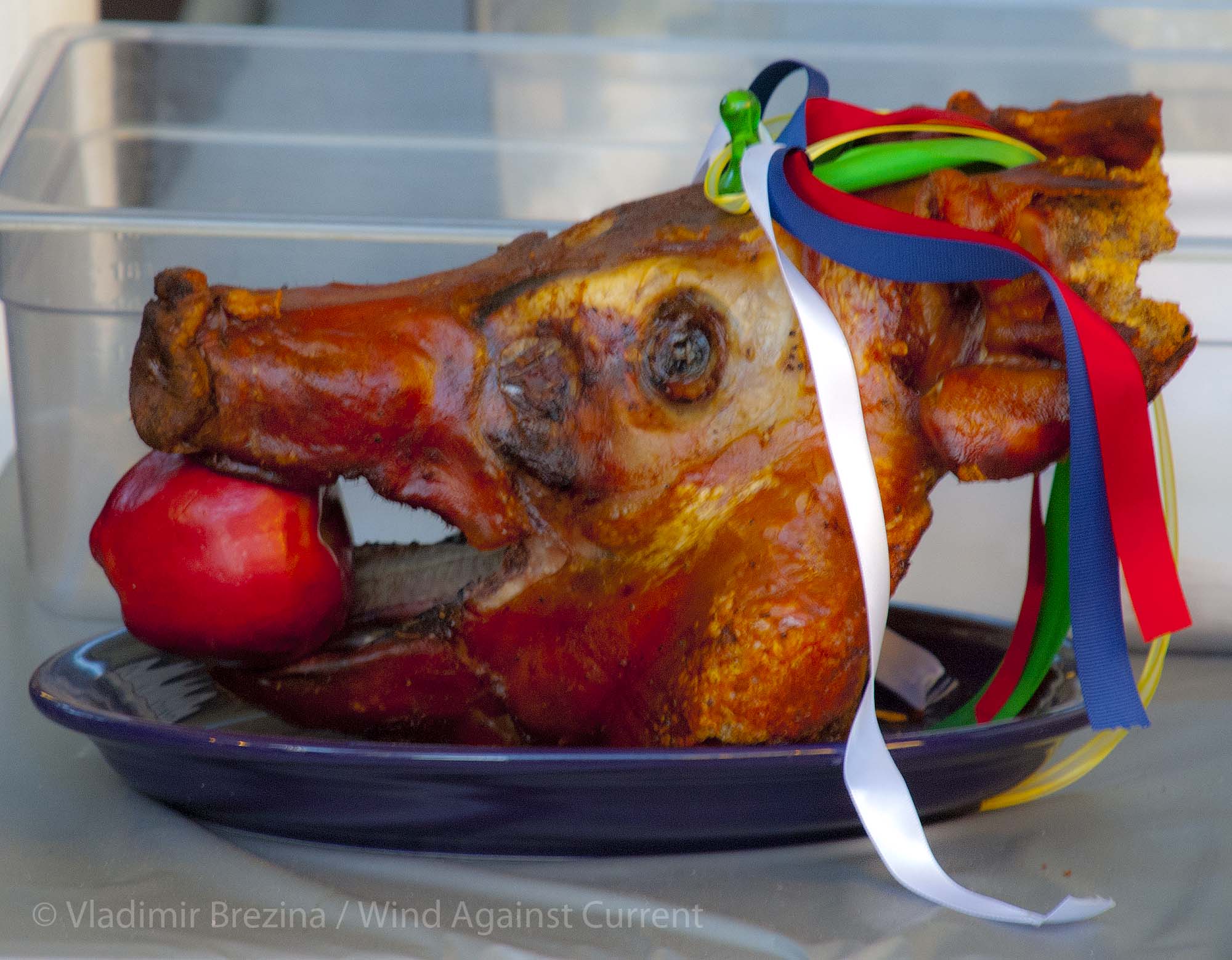 In any case, The Daily Post‘s Photo Challenge this week is Saturated, and Ailsa’s on Where’s my backpack? is Relaxing.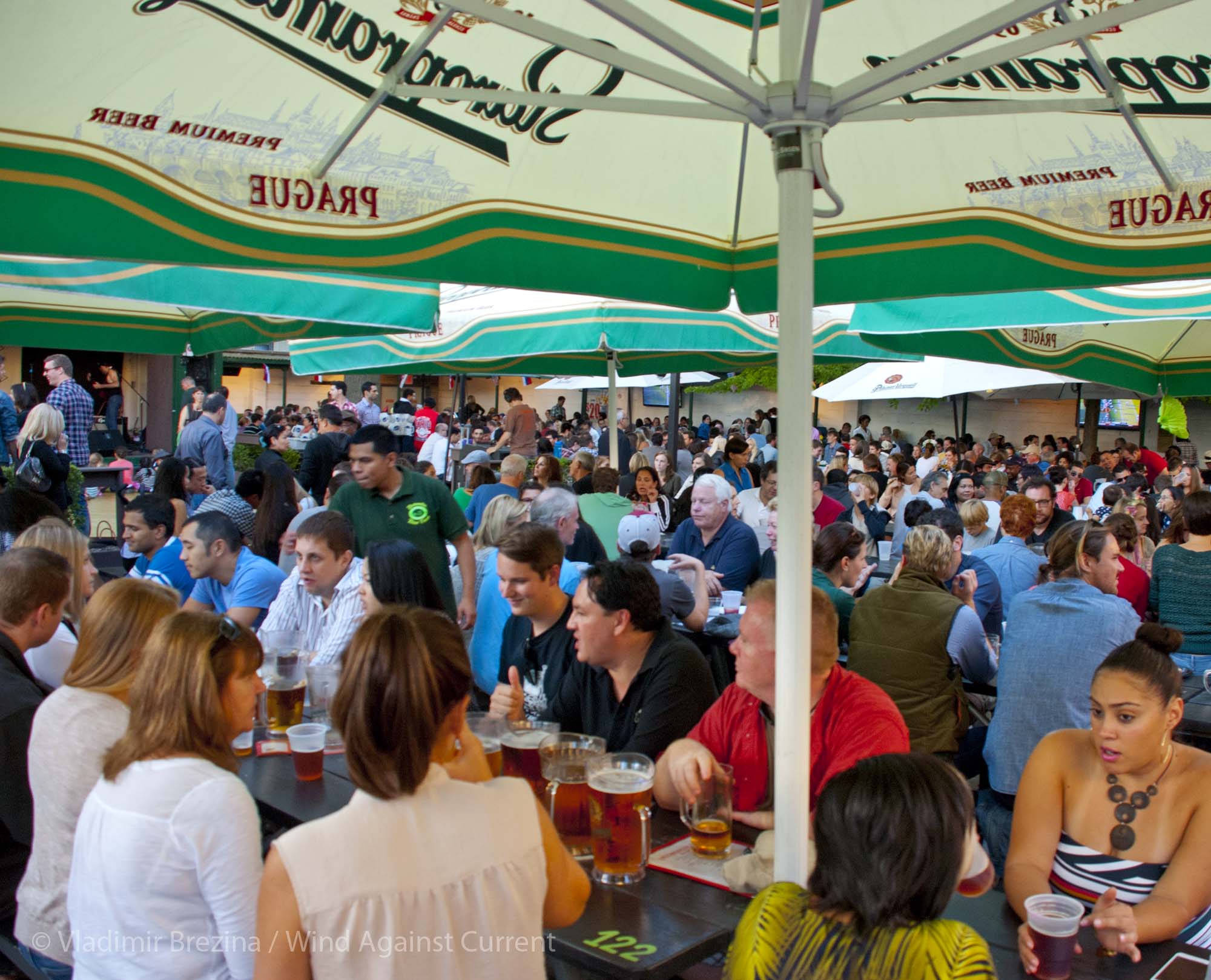

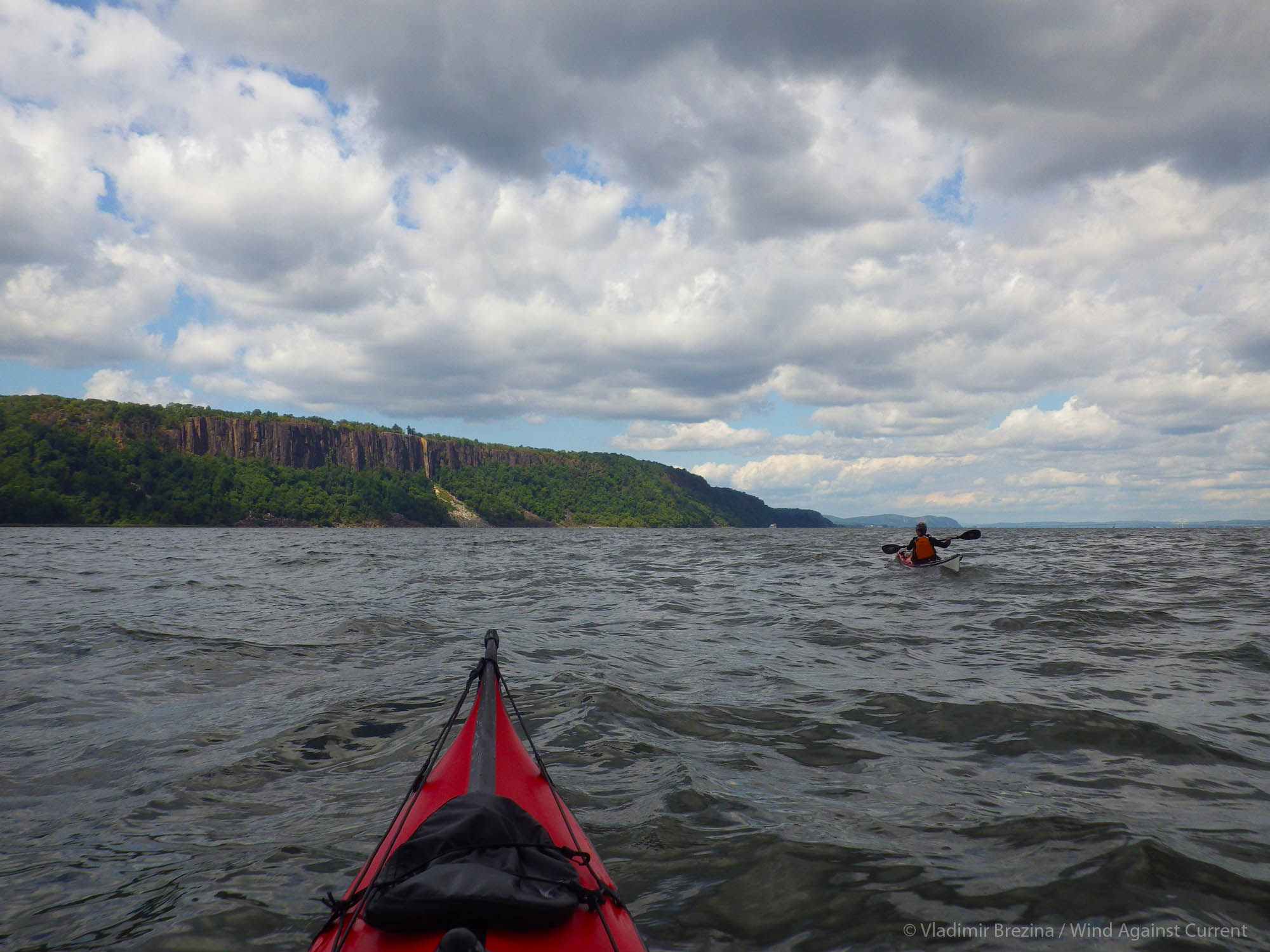







 Vladimir Brezina (RIP)
  Johna Till Johnson


 Wind Against Current