Tag Archives: Sea Kayaking

And We’re Off to the Everglades Challenge!

By Johna Till Johnson and Vladimir Brezina

A front is coming our way!

It all depends on the weather! (Actually, a front like this, with a nice northerly tailwind, would be very welcome during the race…)

After years of dreaming, eighteen months of preparation, two training trips, countless hours paddling and at the gym… we are finally off participating in the WaterTribe Everglades Challenge, a 300-mile adventure race down the Gulf coast of Florida, starting at Tampa Bay and ending in Key Largo.

It’s an unsupported, expedition-style adventure race, meaning that (from WaterTribe’s description of the event):

The distance is roughly 300 nautical miles depending on your course selection. There is a time limit of 8 days or less. Your safety and well being are completely up to you.

Unsupported means that there are no safety boats or support crews to help you during the race. Expedition style means that you must carry the same type of equipment and supplies that you would carry on a major expedition lasting 4 weeks or more. Camping equipment, food, water, safety, communication, etc. is required.

The warning that we are required to sign, written in inimitable style, makes fun reading! It culminates in:

By entering any WaterTribe Challenge or event, you are agreeing that all the people, companies, and agents associated with the event owe you nothing nor do we owe you duty of care or service or any other duty. We promise you nothing. We do not and will not even try to make this event safe for anyone. This event is not safe for anyone. This is no joke. We won’t even try to warn you about every known danger or hazardous condition, whether we know about it or not. If we do decide to warn you about something, that doesn’t mean we will try to warn you about everything. If we do make an effort to make some aspect of the event safer, we may not correct other aspects, and we may even make matters worse! We and our agents may do things that are unwise and dangerous. Sorry, we’re not responsible. We may give you bad advice. Don’t listen to us. In short, ENTER AND PARTICIPATE IN THESE EVENTS AT YOUR OWN RISK. And have fun!

Our goals are simple. The main goal is to finish, period (well, to finish in time to catch our flight home from Miami). The “stretch goal”—as they say in sales—is to finish within the 8-day time limit.

We’re not being humble. Some years, 60% or more of Challengers don’t finish. We could very well be among those, especially if the weather turns against us. But whatever happens, we hope to learn quite a lot about ourselves and our capabilities—and enjoy the ride.

We won’t be blogging for a while, but you can track our progress in (almost) real time. We each have a SPOT tracking device (required for the race)  that, over a satellite network, sends its current location every few minutes to a web page. Vlad’s is here, and Johna’s is here.

If you want to track everyone in the race, it’s here. You can select individual Challengers using the dropdown menu. Vlad is SeaHare, Johna is ZippyChick.

The race starts at 7 AM on Saturday, March 1.

See you all when we get back!

(Update March 11, 2014: Our individual SPOT tracking web pages retain the tracks for only a week, so if you read this post at a later date, the tracks will be gone. The common WaterTribe tracking page retains the tracks more permanently, although not indefinitely either.)
Everglades Shakedown, Day 6: Headwinds and Homelessness

By Johna Till Johnson
Photos by Vladimir Brezina

<— Previous in Everglades Shakedown

IMGP2317 cropped small

Start: Little Rabbit Key.
Finish: Sunset Point Park, Key Largo.
Distance: About 24 nauticalmiles.
Paddling time: Roughly 11 hours; average pace 2.2 knots.

Continue reading

Everglades Shakedown, Day 5: Navigating the Shallows

By Johna Till Johnson
Photos by Vladimir Brezina

<— Previous in Everglades Shakedown

Evening in Florida Bay

Start: East Clubhouse Beach.
Finish: Little Rabbit Key.
Distance: About 16 nautical miles.
Paddling time: Roughly 7.5 hours; average pace 2.1 knots.

Continue reading

Paddling in the Florida Dusk

By Vladimir Brezina

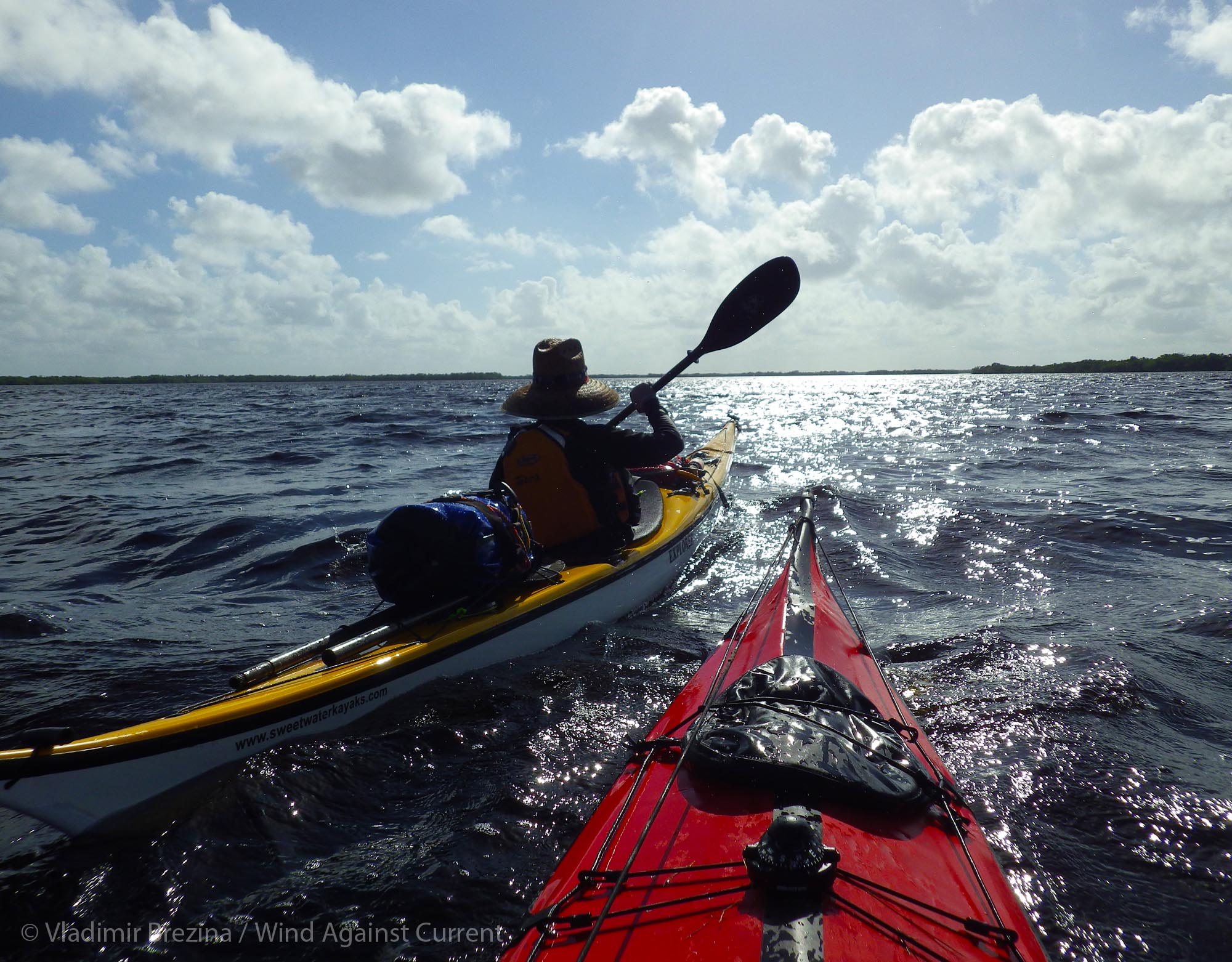
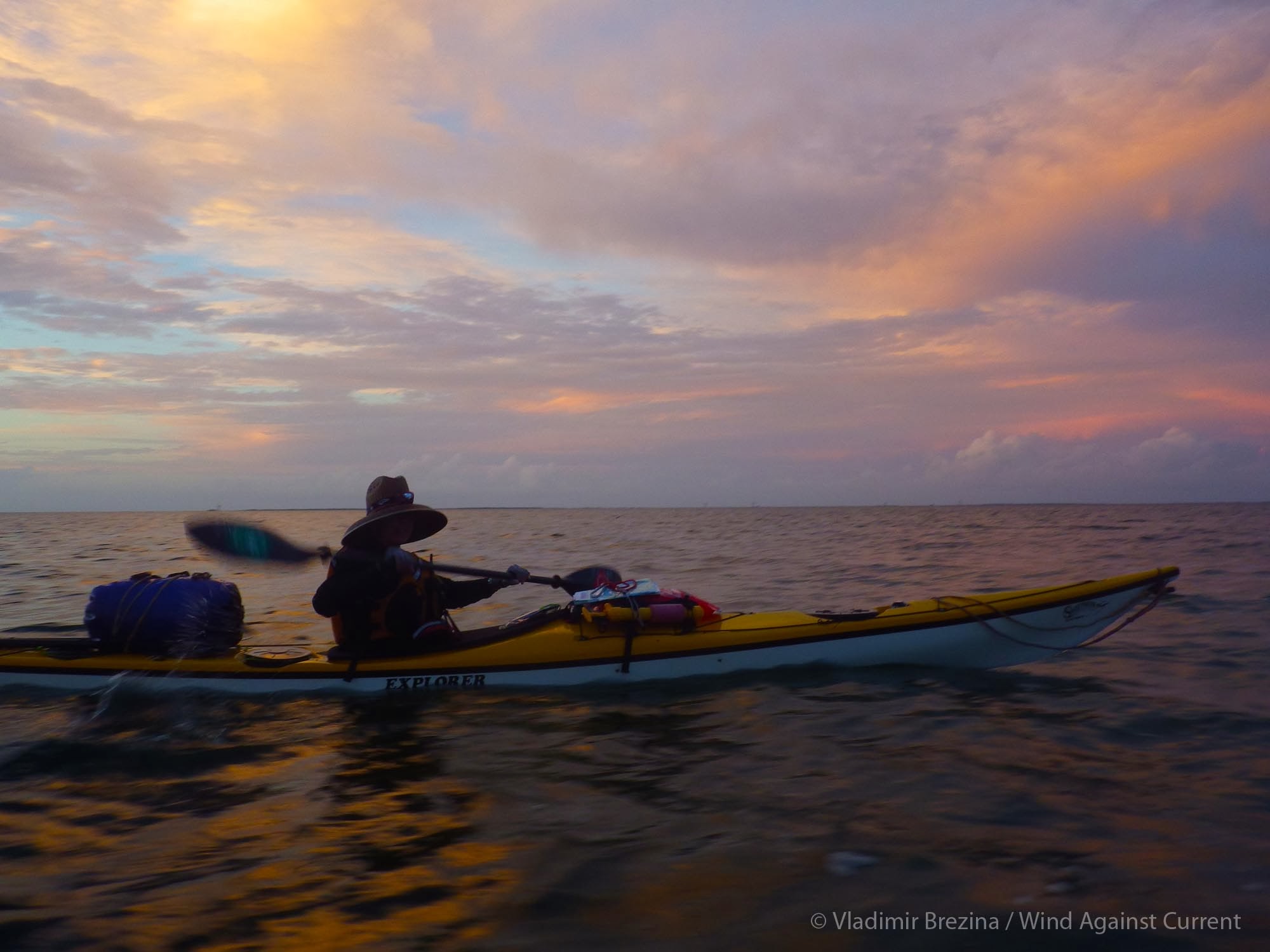
People often ask us why we go. Well, this is one of the reasons…

IMGP2317 cropped small

Florida Bay, December 2013, on Day 6 of our Everglades Shakedown paddle.

Everglades Shakedown, Day 4: Portage, Paddling in the Pitch Dark, and Fending Off Furious Crows

By Johna Till Johnson
Photos by Vladimir Brezina

<— Previous in Everglades Shakedown

Fending off the crows

Start: South Joe River Chickee.
Finish: East Clubhouse Beach.
Distance: About 15 nautical miles.
Paddling time: Roughly 7 hours; average pace 2.1 knots.
Stop time: Roughly 5 hours (including portage at Flamingo).

Continue reading

Travel Theme: Dry

By Vladimir Brezina

Ailsa’s travel-themed photo challenge this week is Dry.

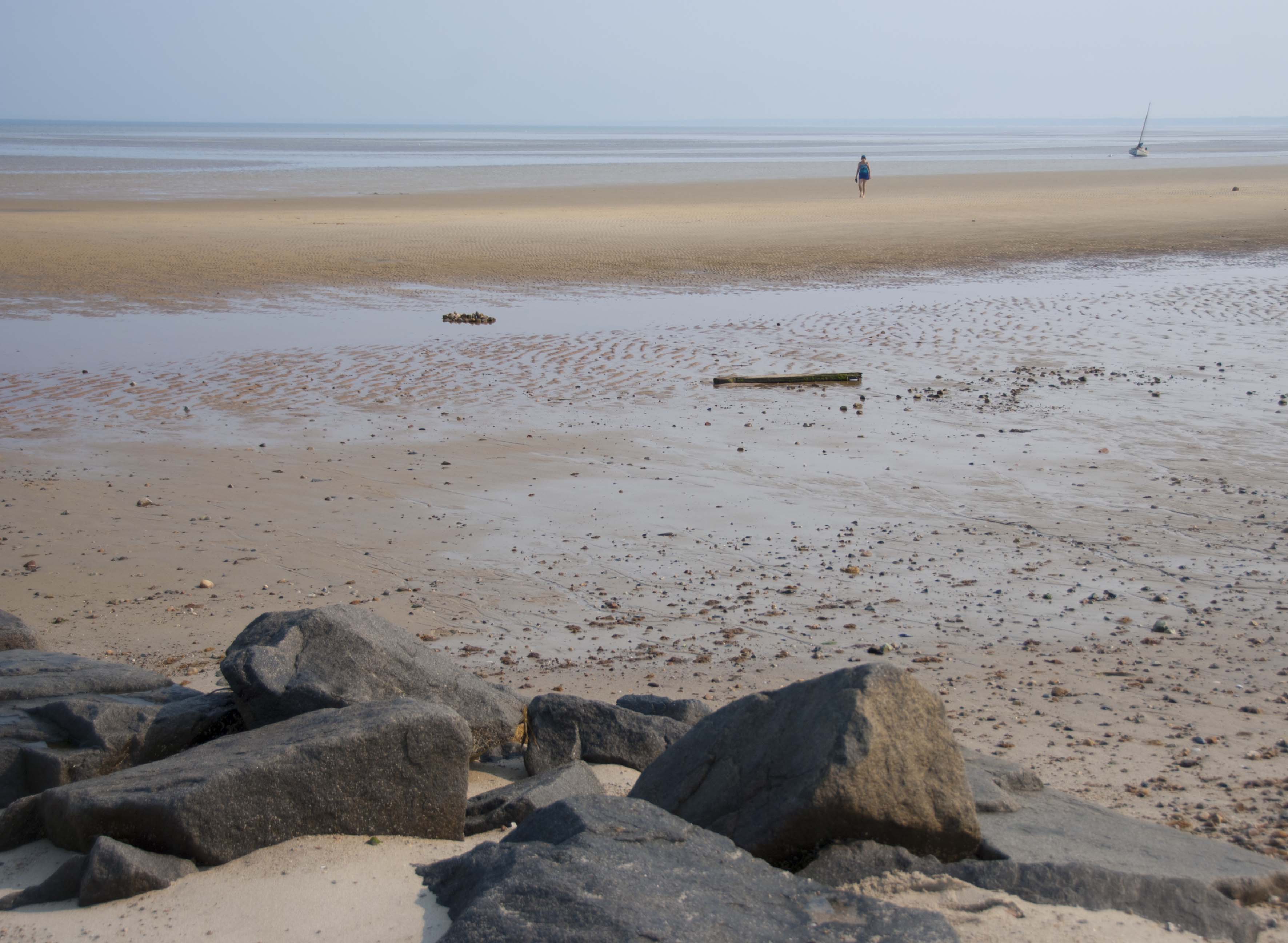
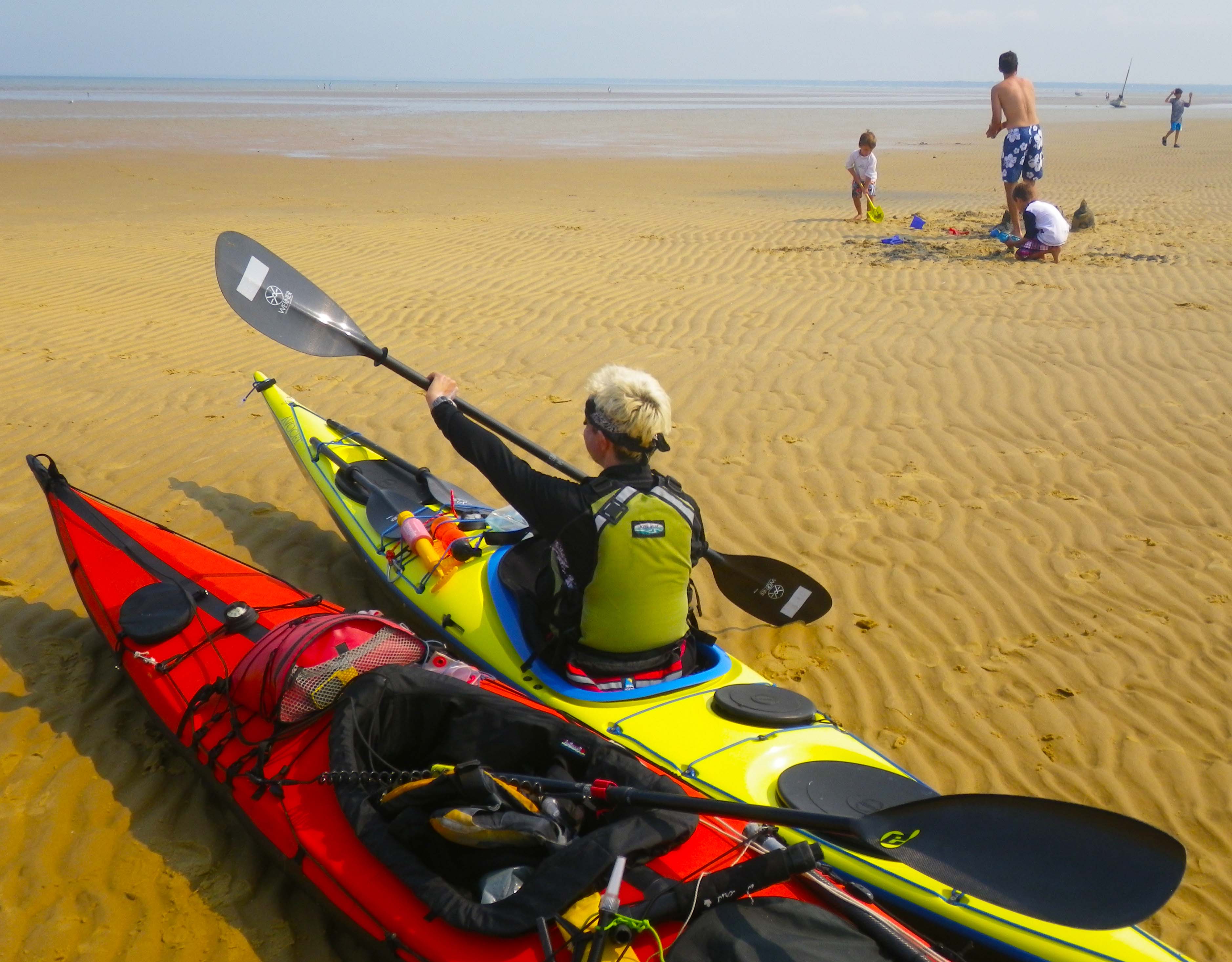
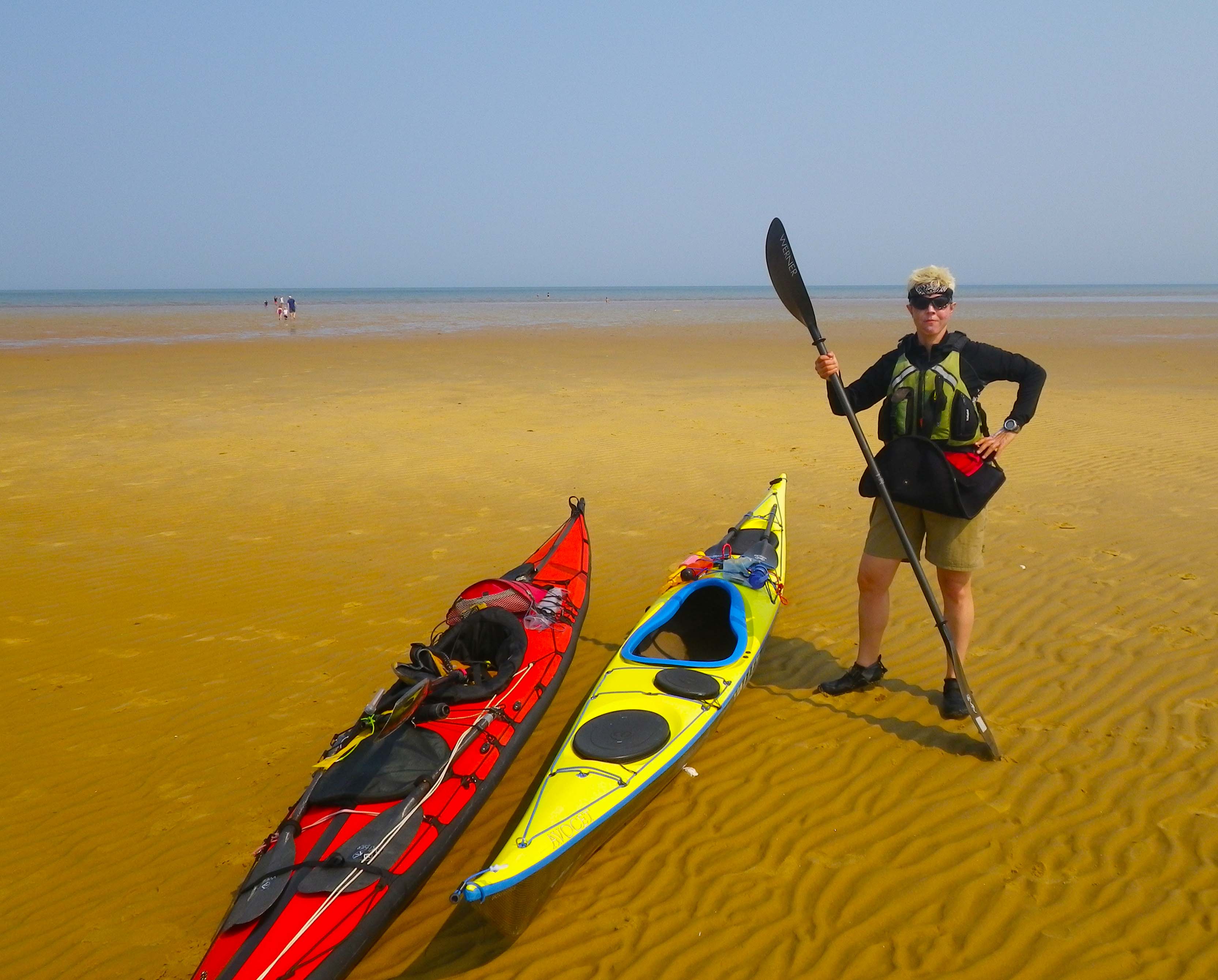
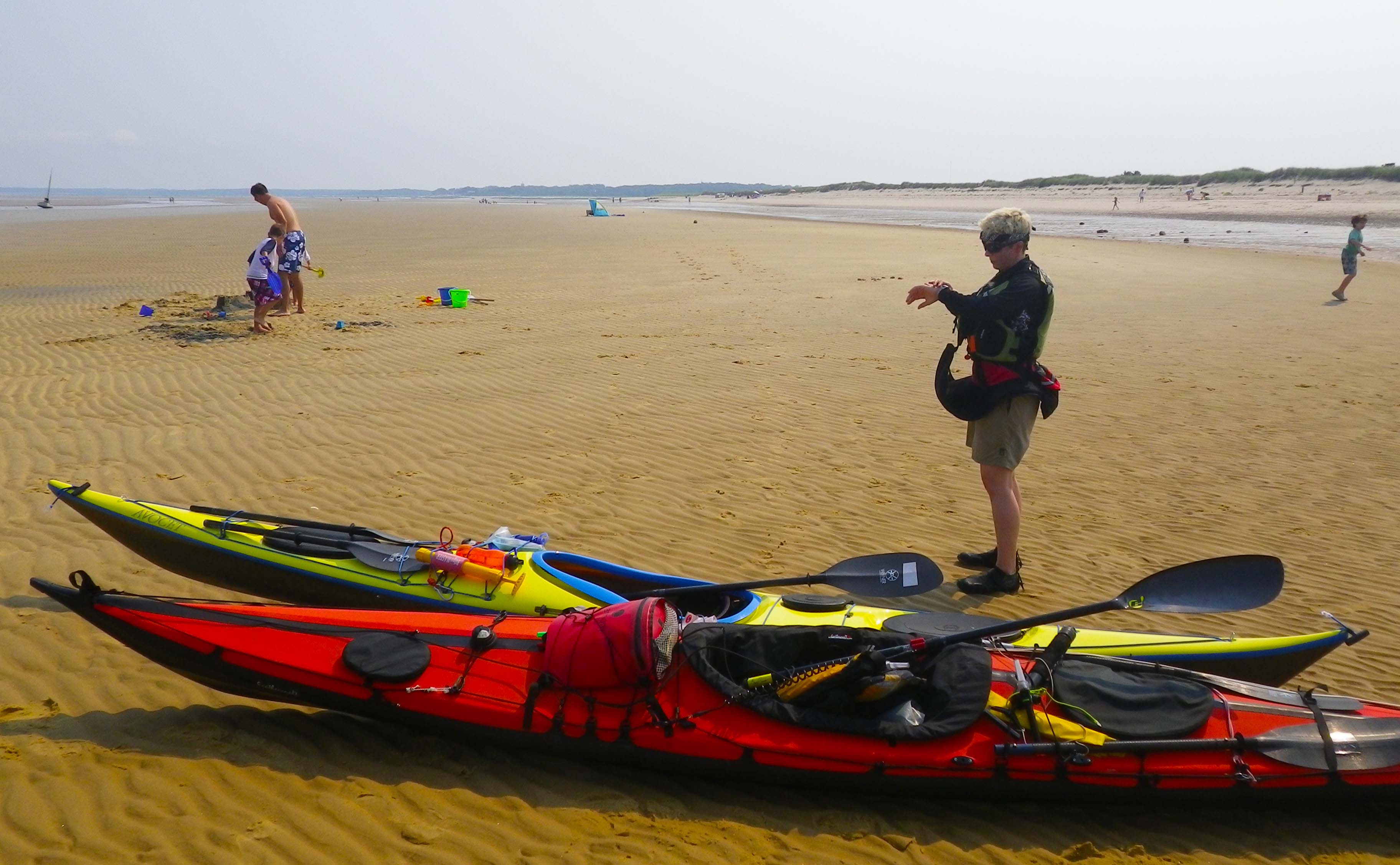
As kayakers, we like Wet. We don’t like Dry at all!

“I don’t believe this!! There was water all the way up to these rocks yesterday!?”

DSC_0056 cropped small

Denial

IMGP1555 cropped small

Anger

IMGP1550 cropped small

Depression

IMGP1548 cropped small

Acceptance

IMGP1564 cropped small

(A day on Cape Cod Bay in 2011.)

Everglades Shakedown, Day 3: Wind, Waves, and Chickees

By Johna Till Johnson
Photos by Vladimir Brezina

<—Previous in Everglades Shakedown

Ready for adventure!

Start: Highland Beach.
Finish: South Joe River Chickee.
Distance: About 23 nautical miles.
Paddling time: Roughly 10 hours; average pace 2.3 knots.

Continue reading

Everglades Shakedown, Day 2: Barking Vultures, Beaches, and Bugs

By Johna Till Johnson
Photos by Vladimir Brezina

<— Previous in Everglades Shakedown

Toward the sun

Start: Darwin’s Place.
Finish: Highland Beach.
Distance: About 18 nautical miles.
Paddling time: Roughly 8 hours; average pace 2.3 knots.

Continue reading

Everglades Shakedown, Day 1: Headwinds and Night Navigation

By Johna Till Johnson
Photos by Vladimir Brezina

<— Previous in Everglades Shakedown

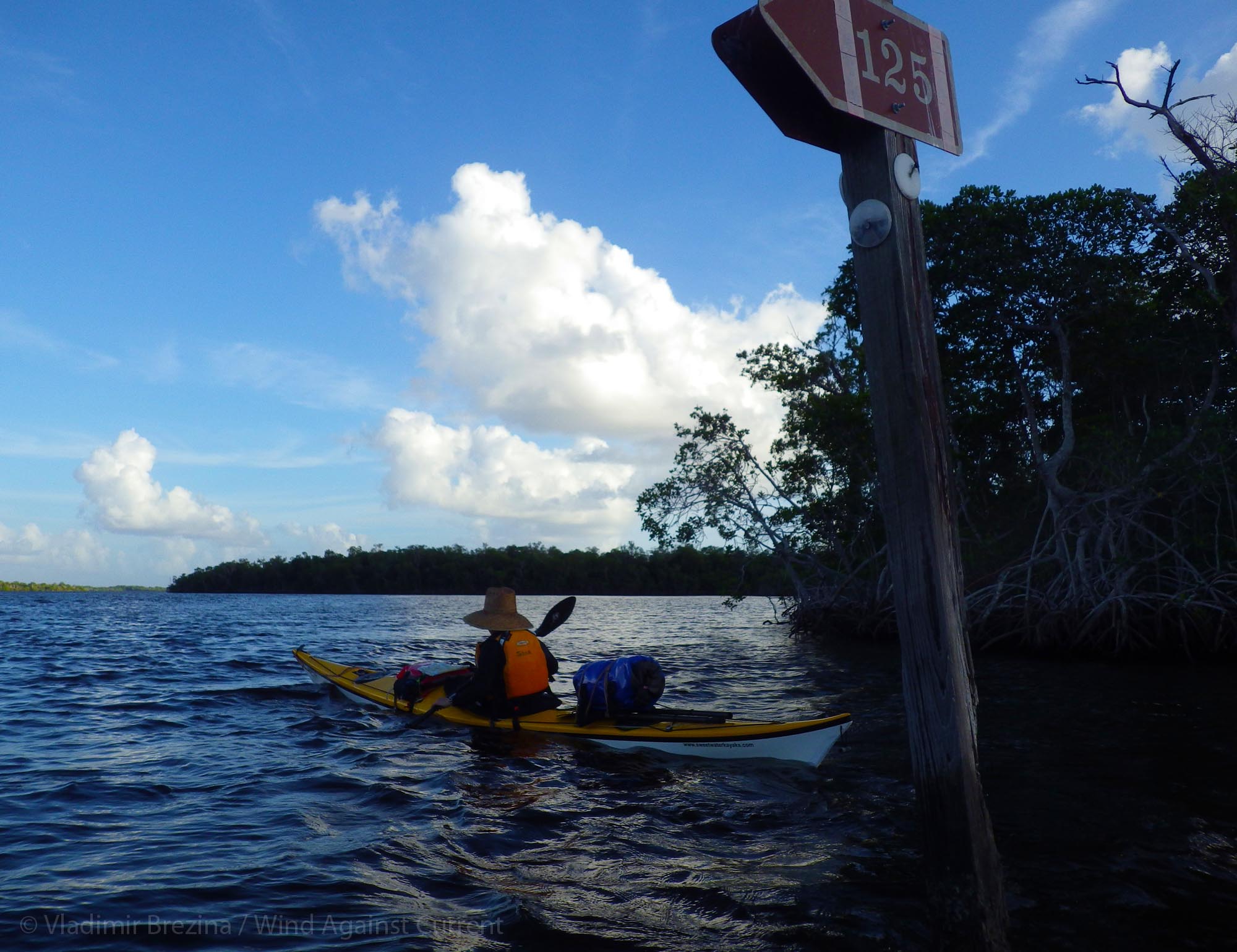
Through the mangrove rivers and bays

Start: Chokoloskee.
Finish: Darwin’s Place.
Distance: About 21 nautical miles.
Paddling time: Roughly 8 hours; average pace 2.6 knots.
Stop time: Roughly 2 hours (30 minutes lunch plus a 90-minute stop at Everglades City to obtain permits).

Continue reading

Everglades Shakedown: Challenges and Lessons Learned

By Johna Till Johnson
Photos by Vladimir Brezina

<— Previous in Everglades Shakedown

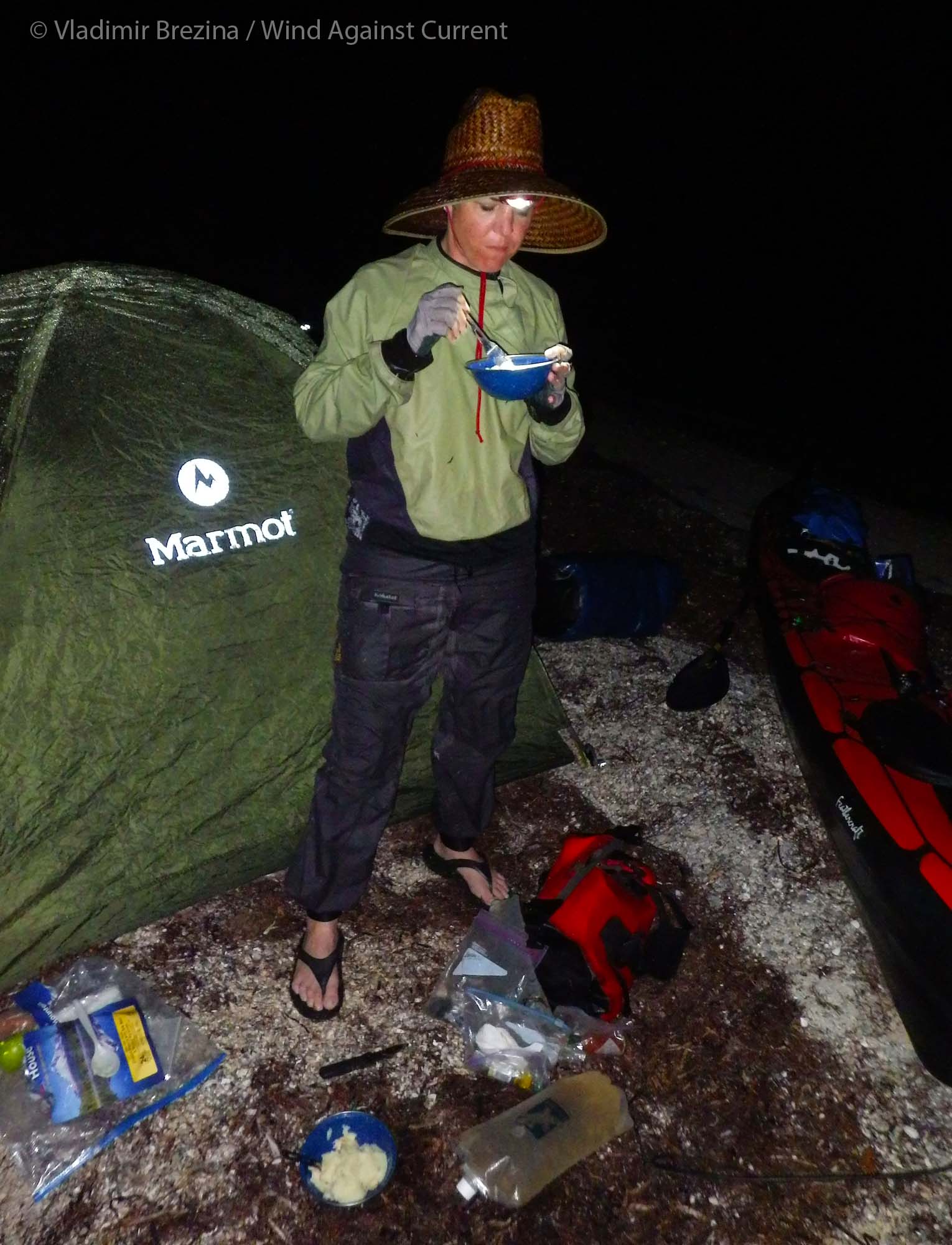
Christmas dinner, 2013

Christmas dinner, 2013

The goal of our Everglades Shakedown Expedition of December 2013 was to gain an understanding of the Everglades environment for the upcoming WaterTribe Everglades Challenge, and we’re happy to say it succeeded. Our biggest lesson learned was that we’d largely been worried about the wrong things. Snakes and crocs? No worries, mate! But midges and skeeters can be more than a nuisance—they can derail your trip by keeping you penned in your tent, unable to cook or pee.

Similarly, I’d been deeply concerned about paddling in the Everglades at night. It’s pitch-black (actually, not quite: the lights of Miami loom on the horizon) and the thousands of mangrove islands look all the same. Sure, we do plenty of nighttime paddling in New York—but that is our backyard, and even if you are a visiting paddler, the city is well-illuminated and chock full of landmarks, from the Statue of Liberty to the various bridges, so it’s fairly easy to keep your bearings. Turns out that with a compass and charts, a good flashlight, and ideally a mapping GPS, nighttime paddling in the Everglades is very much doable, as well. (And in some respects, it’s more pleasant than daytime paddling.) That relieved my worry about being limited to paddling only during the daylight hours in the Everglades Challenge itself.

And some things that seemed trivial from our perch in New York were not trivial at all. Headwinds across the shallow water that abounds in the Everglades generated chop and slowed us down considerably—our average pace for the trip was 2.3 knots, and that’s with fast boats and good technique. (Our standard average, in calm waters with no wind or current, is around 3.4 knots.)

Here are some of the highlights of what we learned:

Continue reading