Monthly Archives: February 2012

Weekly Photo Challenge: Ready

By Vladimir Brezina

Every week, I see many WordPress photographers take part in The Daily Post‘s Weekly Photo Challenge. The challenge is to present an image that captures the given word, idea, concept…

I feel a bit ambivalent about a challenge framed in this way. It certainly develops one’s skills as a photographer—certainly the skills that a professional photographer needs when handed an assignment. On the other hand, it’s almost the opposite of Johna’s project of developing the faculty of pure seeing, seeing whatever is at hand…

Having said that, this week’s Photo Challenge is Ready.

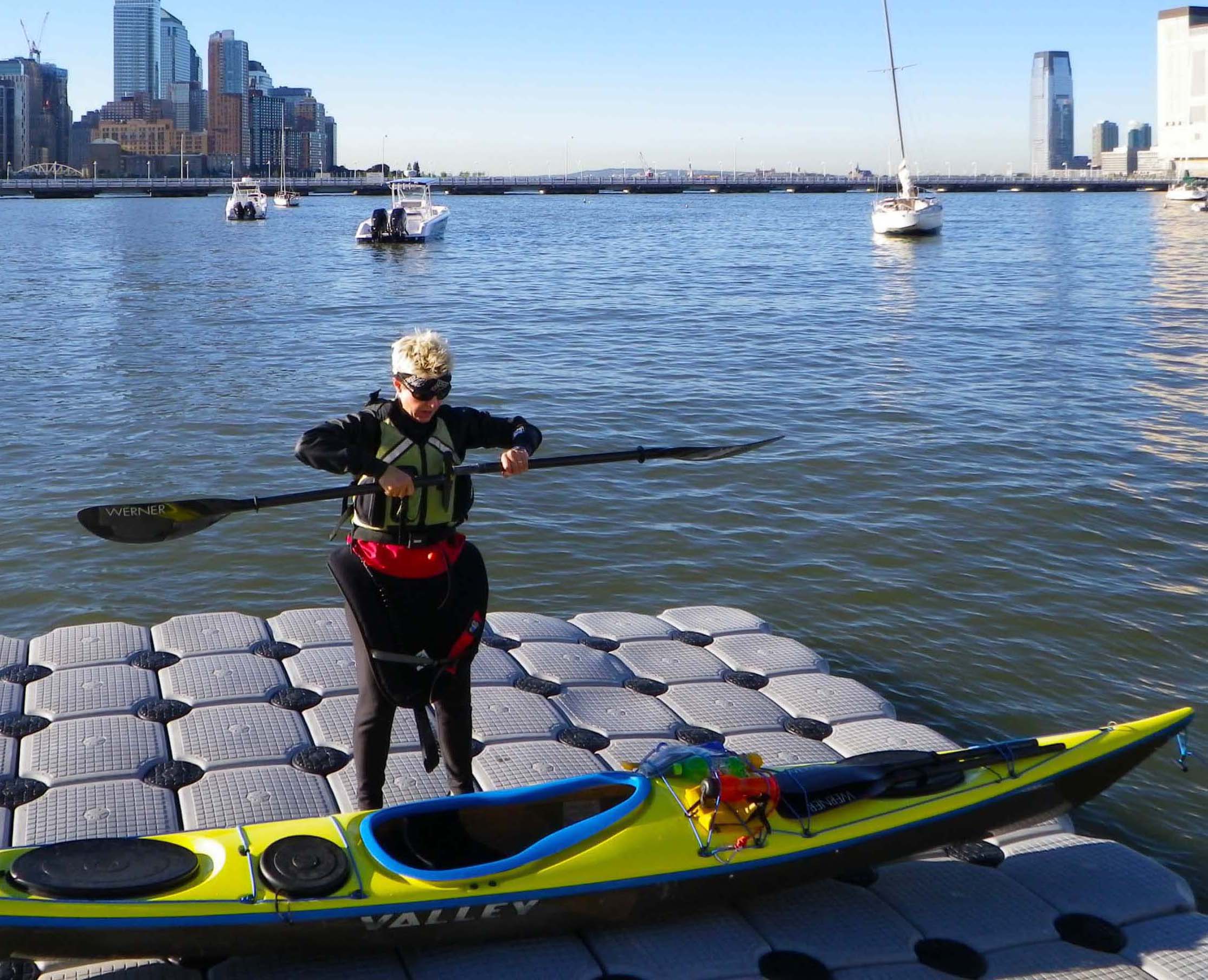
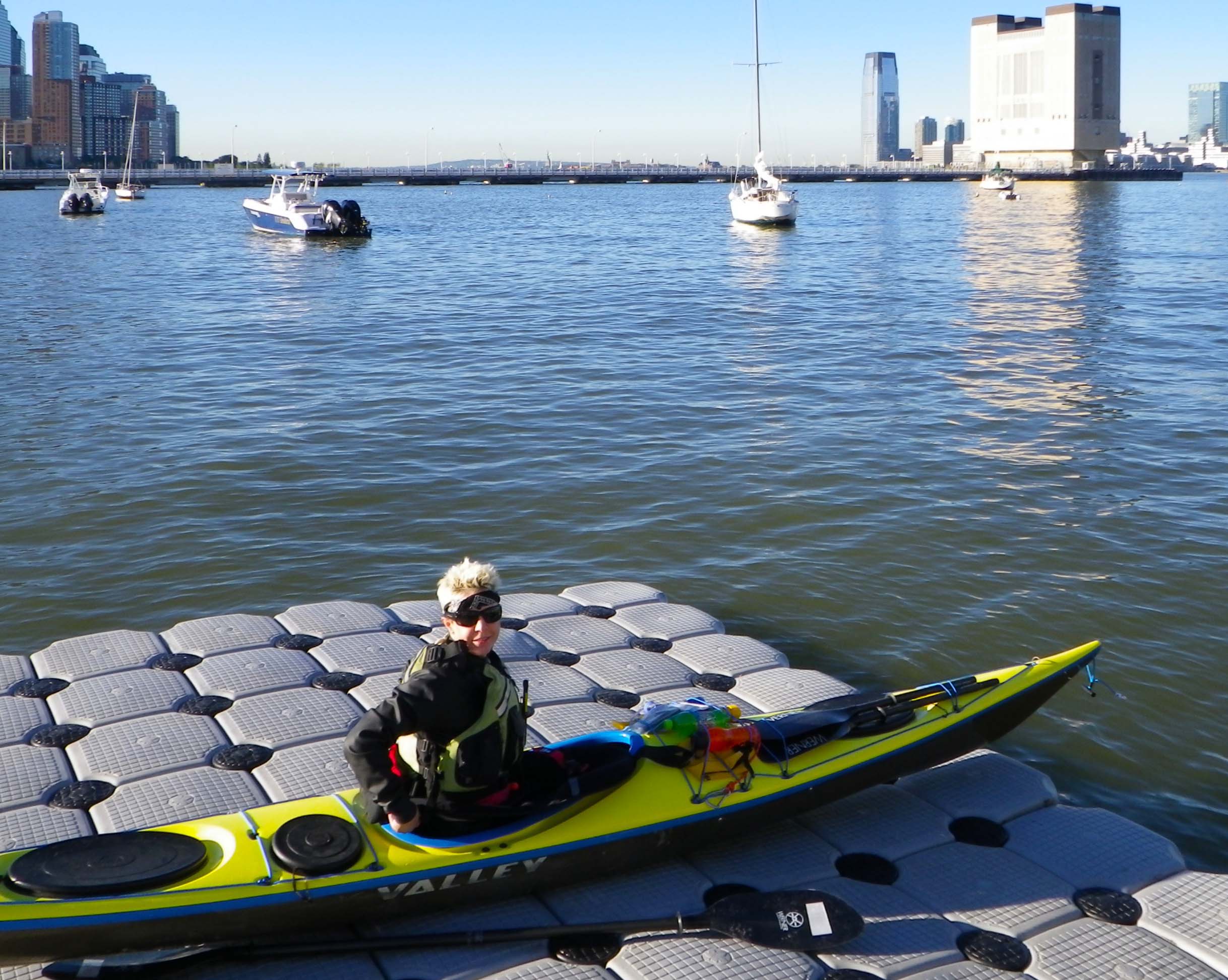
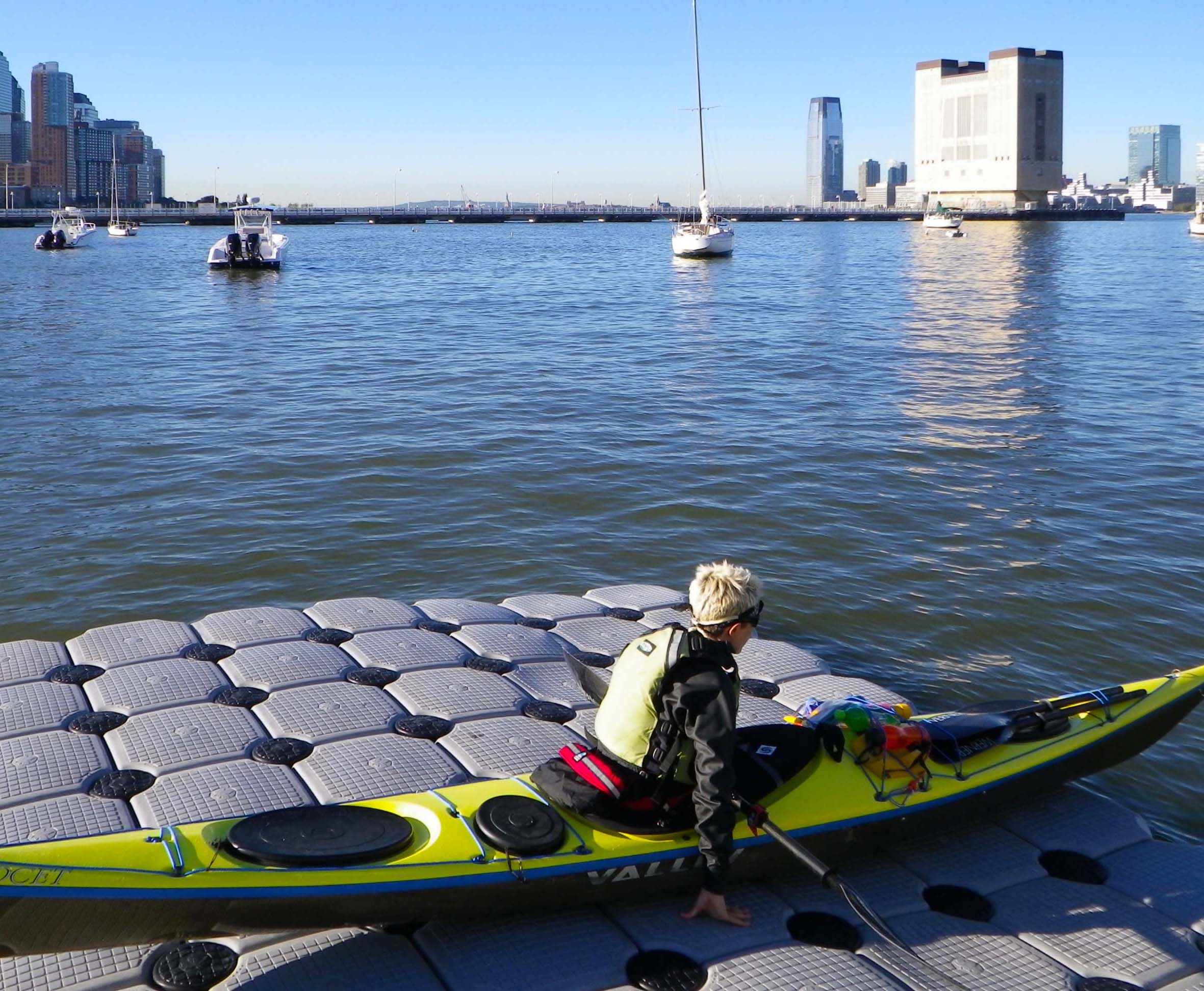
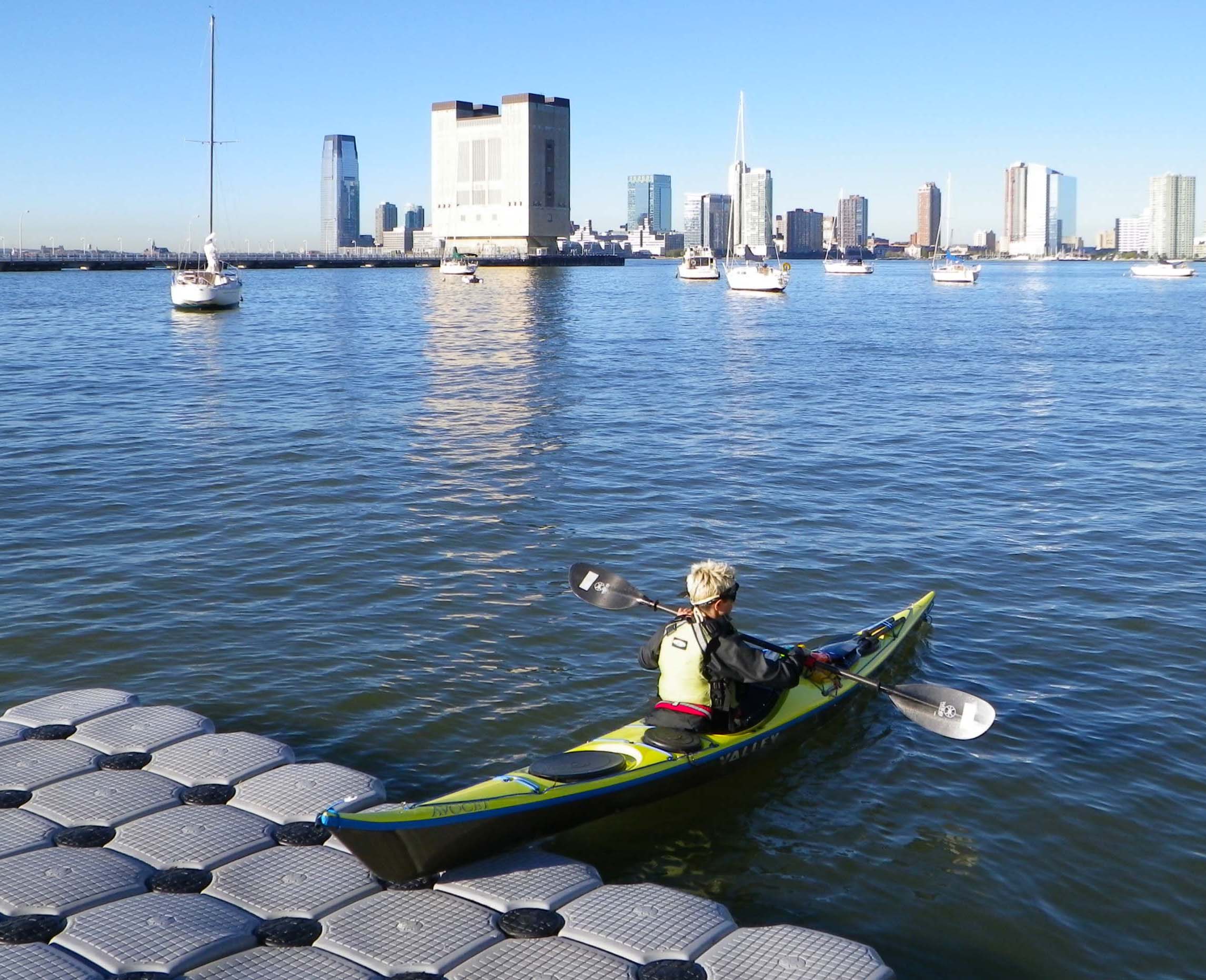
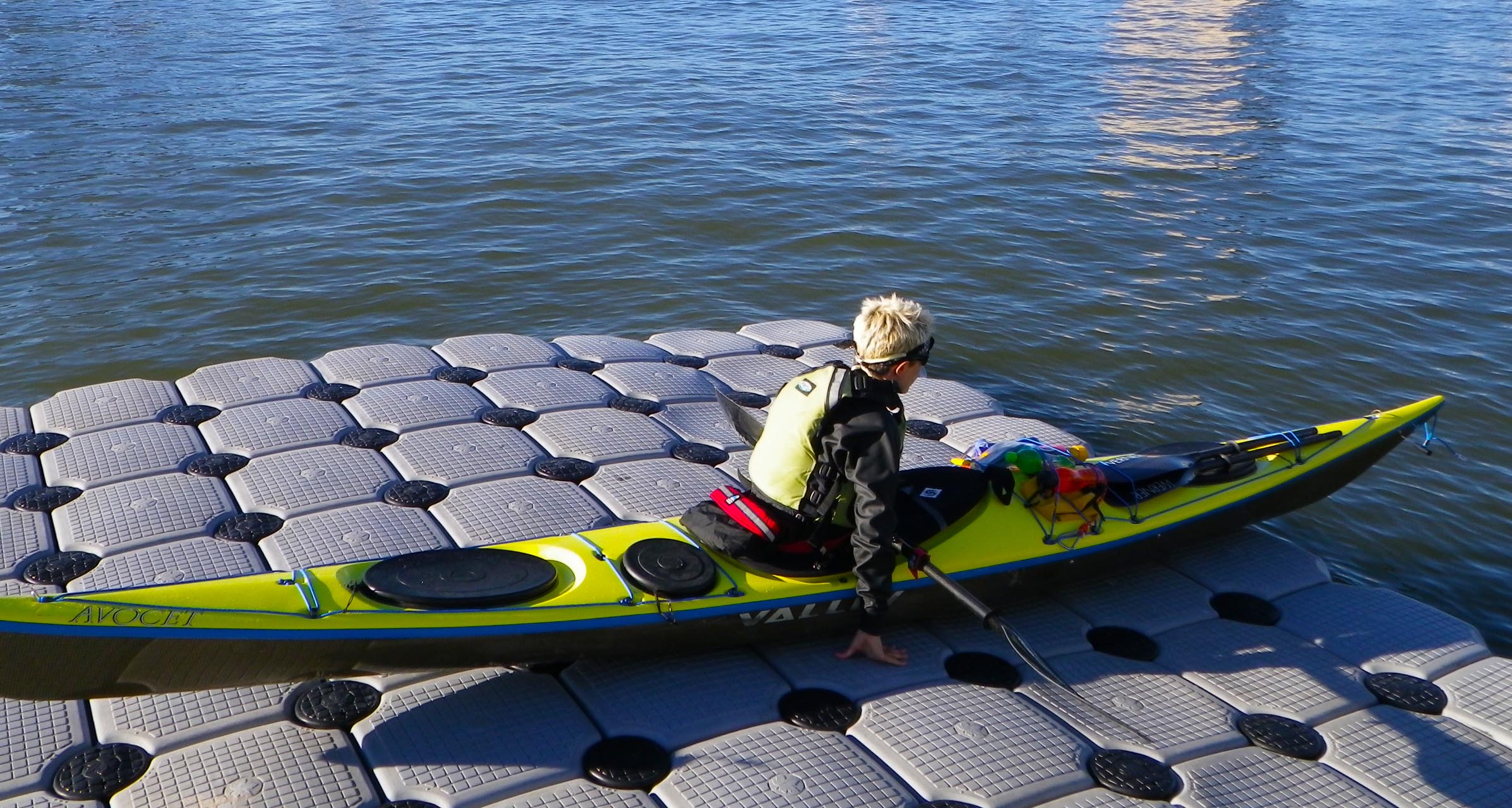
And I do have the perfect “Ready” shot! It involves, of course, a kayak.

This was the launch of a perfect trip

Update February 8, 2012: It’s very interesting to see how other photographers have interpreted “Ready”. My interpretation is perhaps not all that different from this one :-) But it is quite different from this one

Winter Dawn Over Manhattan From the Statue of Liberty

By Vladimir Brezina

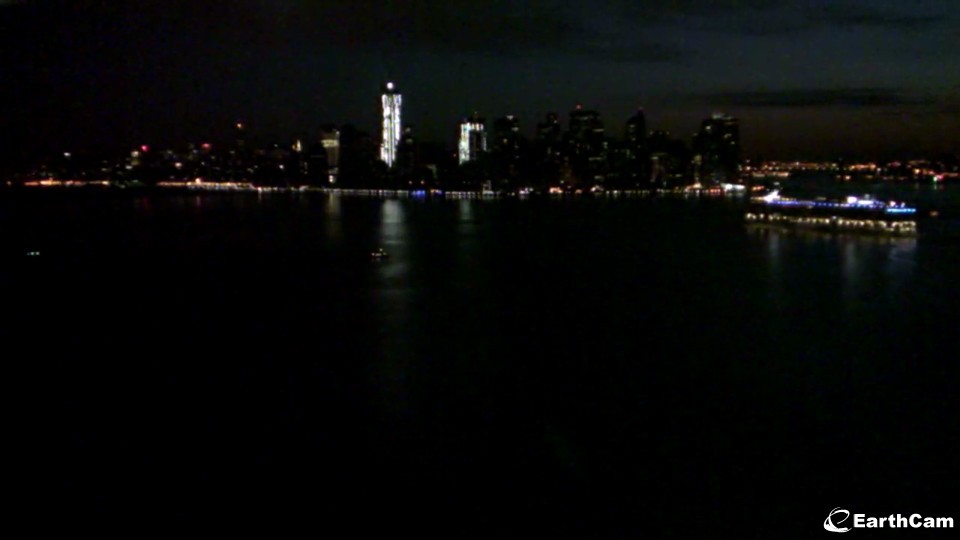
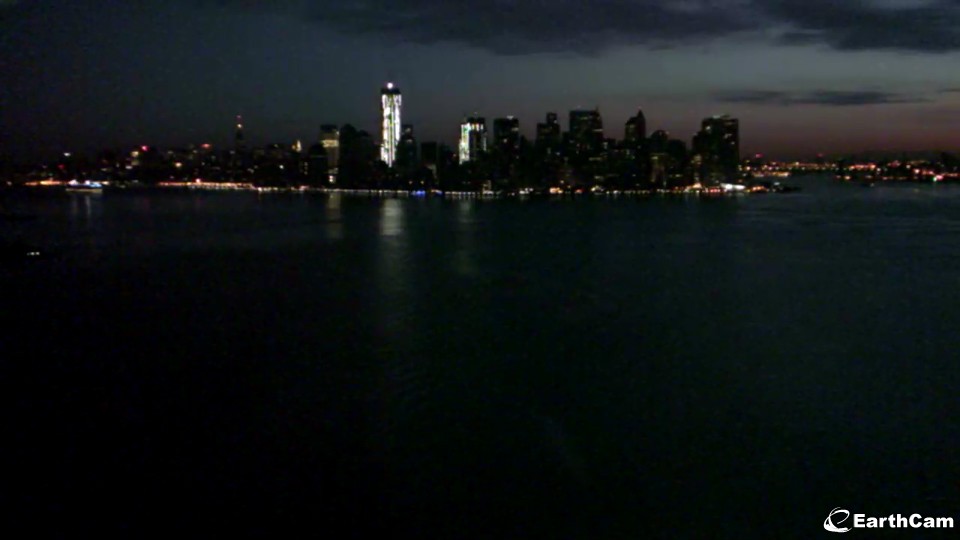
At dawn, around 6:30 a.m. at this time of the year, the Statue of Liberty is, of course, closed to visitors. But it’s possible to see the dawn spread over New York Harbor and over Manhattan from the high-definition streaming webcam mounted high up in the Statue’s torch.

These photos span just 30 minutes as the new day arrives. A brightly-lit cruise ship makes its way up the harbor; early-morning ferries zip back and forth across the stretch of water between the Statue and Manhattan.

These photos were taken on Saturday, February 4, 2012—the day that Johna and I paddled out to Swinburne Island to see the seals. Early that morning, I was checking on the harbor conditions and watched, entranced, as this sequence unfolded…

Seals Revisited

By Vladimir Brezina

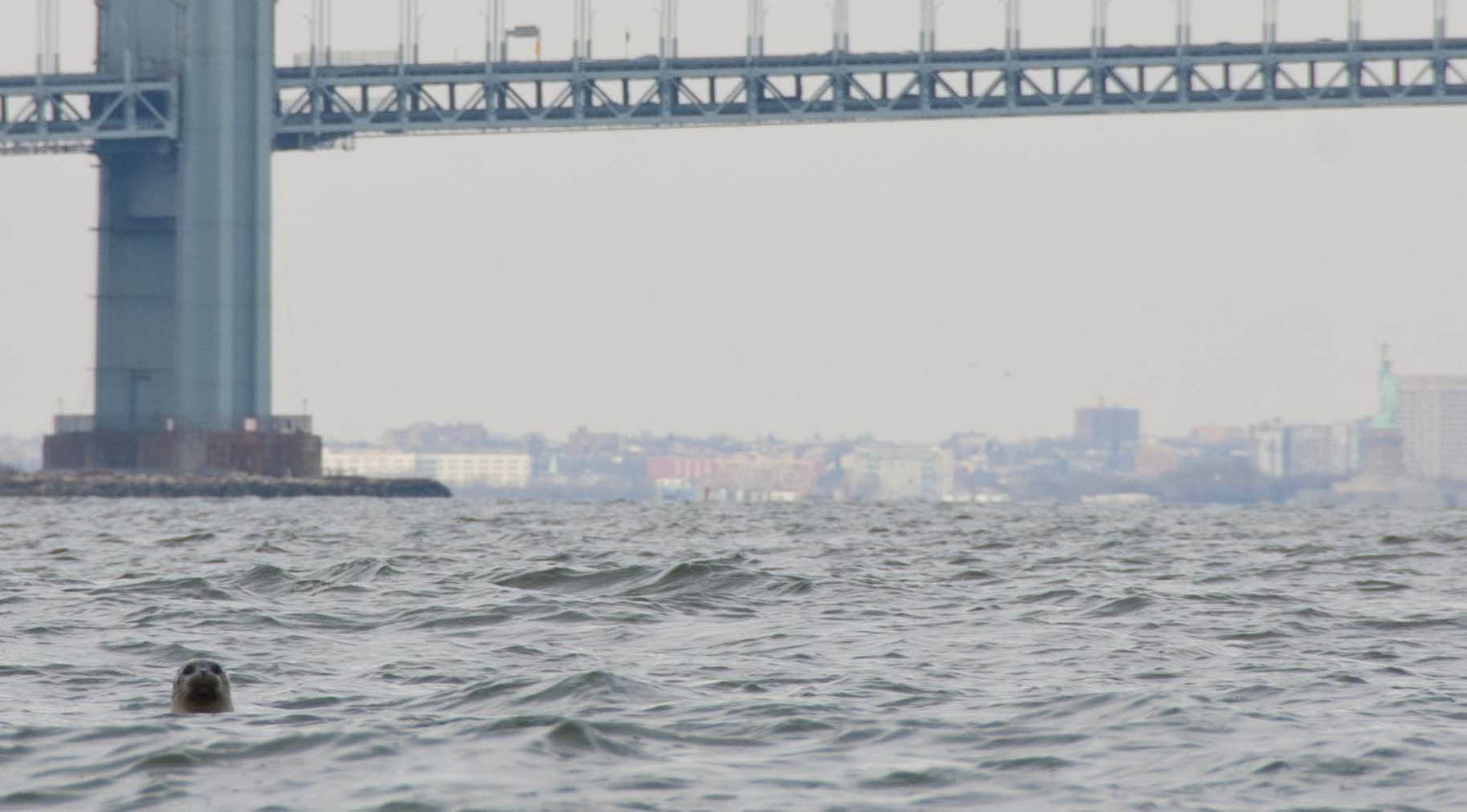
Every winter, Swinburne Island in New York Harbor is home to a healthy population of seals. And every winter, we paddle out to see them.

But so far this year, our seal-watching trips have all gone awry in one way or another. Last time, we ended up having quite a different kind of adventure in Red Hook, Brooklyn

So, on Saturday, Johna and I made a determined effort to paddle out to Swinburne Island. Here are a few photos.

Continue reading

The Blue Marble

By Vladimir Brezina

Manned missions to Mars and colonies on the moon seize the imagination, at least of Presidents and would-be Presidents :-). Everyone else knows that these are dreams, half-baked, arguably pointless, and certainly unrealizable any time soon (unless it be by the Chinese).

But, in the meantime, NASA has been steadily adding to, perfecting, and using for a huge variety of scientific missions its workaday tools, its fleet of unmanned satellites. Some of these look outward into space.  But many orbit and look down on the Earth itself—and generate all kinds of fascinating and beautiful images.

This past week, NASA released two new images of the Earth as the iconic Blue Marble—the blue planet, seen in its entirety, against the vast blackness of space.

These images were each stitched together from a number of partial images taken during multiple orbits of the Suomi National Polar-orbiting Partnership (NPP) satellite. While the satellite was orbiting the Earth at an altitude of only 512 miles, the composite images appear to originate from an altitude of 7,918 miles. At the same time, they have very high resolution—the original images, with 8,000 x 8,000 and 11,500 x 11,500 pixels respectively, can be downloaded here and here.

As of February 2, 2012, the Western Hemisphere image had been viewed on Flickr over 3.1 million times, “making it one of the all time most viewed images on the [NASA Flickr] site after only one week.”

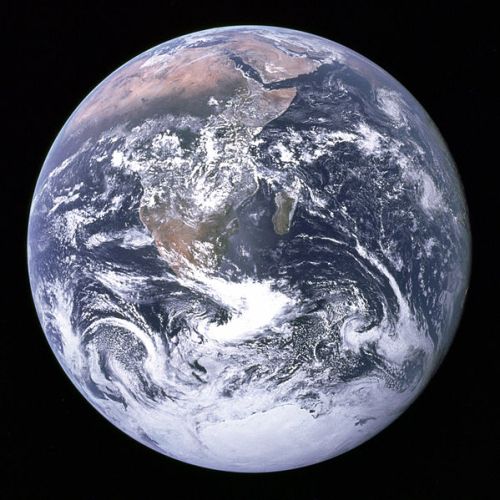
But that is still nowhere compared to the popularity of the original Blue Marble photo, a single image taken on December 7, 1972, from an altitude of about 28,000 miles by the crew of Apollo 17 as that spacecraft was on its way to the moon. By now, this must be one of the most widely seen and reproduced photos of all time:
Images such as these—and even before they came into being, science fiction writers’ imagination of what they would be like—have moved and inspired many:

Suddenly, from behind the rim of the Moon, in long, slow-motion moments of immense majesty, there emerges a sparkling blue and white jewel, a light, delicate sky-blue sphere laced with slowly swirling veils of white, rising gradually like a small pearl in a thick sea of black mystery. It takes more than a moment to fully realize this is Earth . . . home.

……………………………………………………………..Edgar Mitchell

And they may have convinced some hold-outs that the Earth really is round… although, as the secretary of the Flat Earth Society remarked on seeing such photographs, “It’s easy to see how a photograph like that could fool the untrained eye.”

Pelicans

By Vladimir Brezina

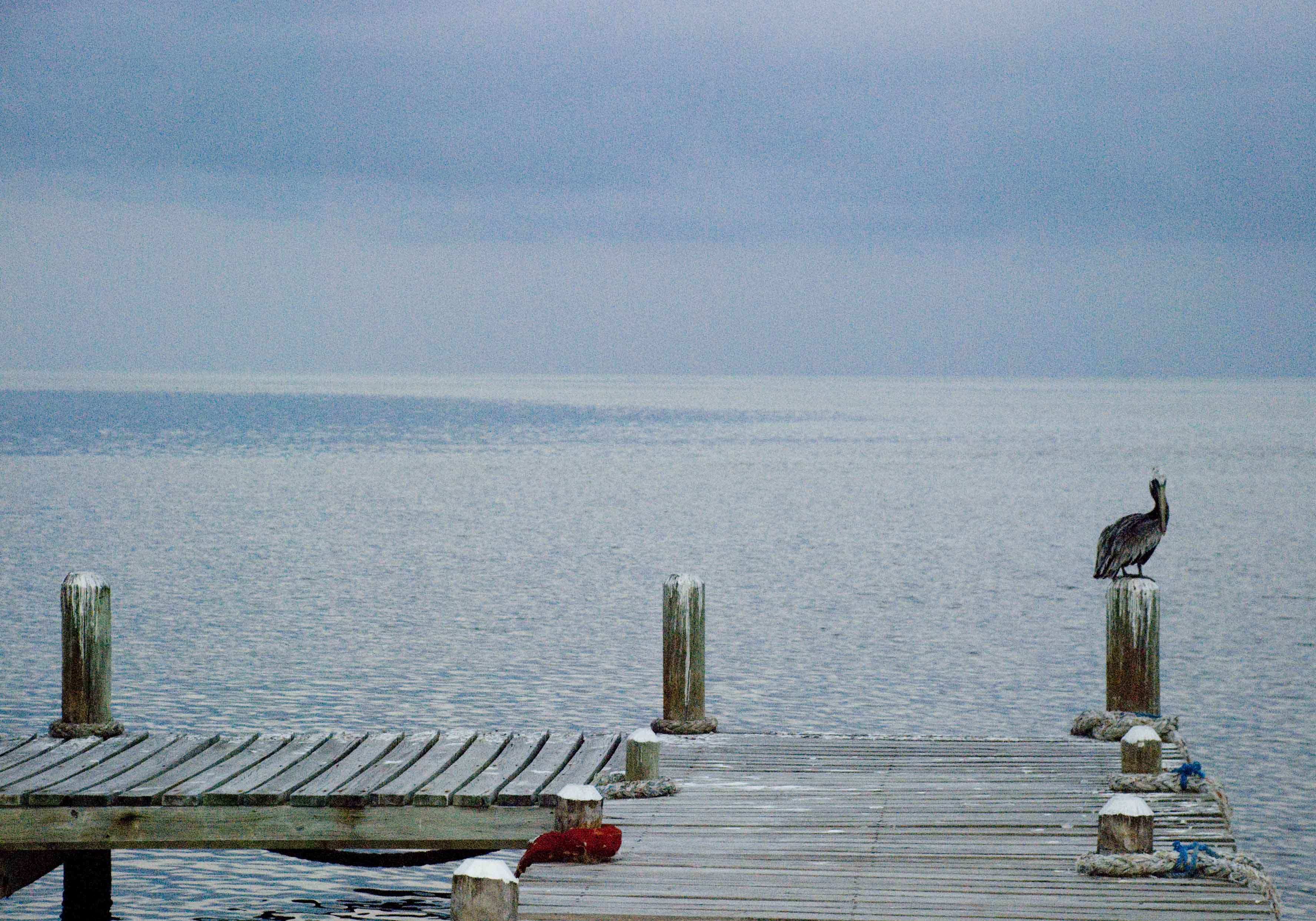
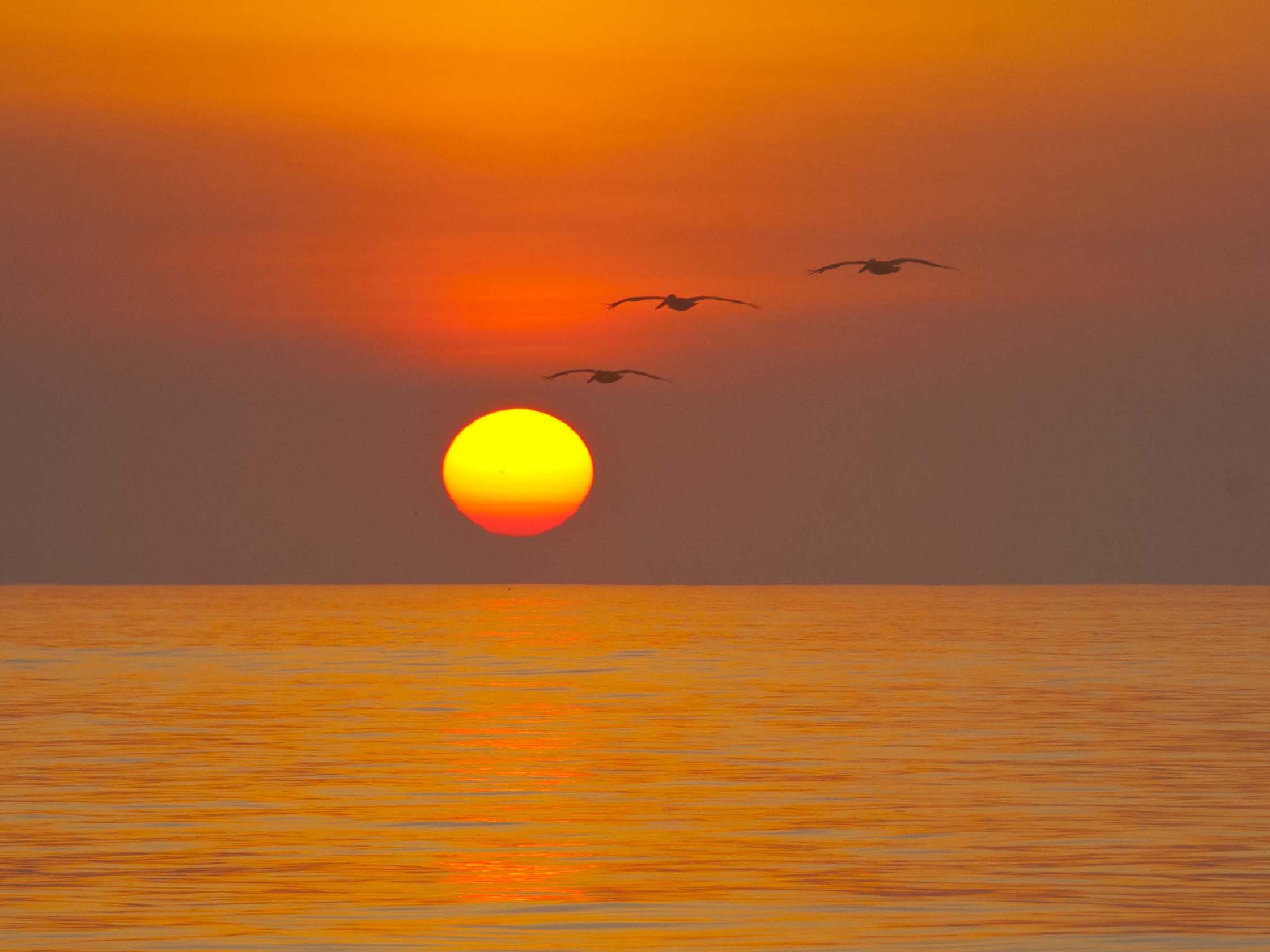
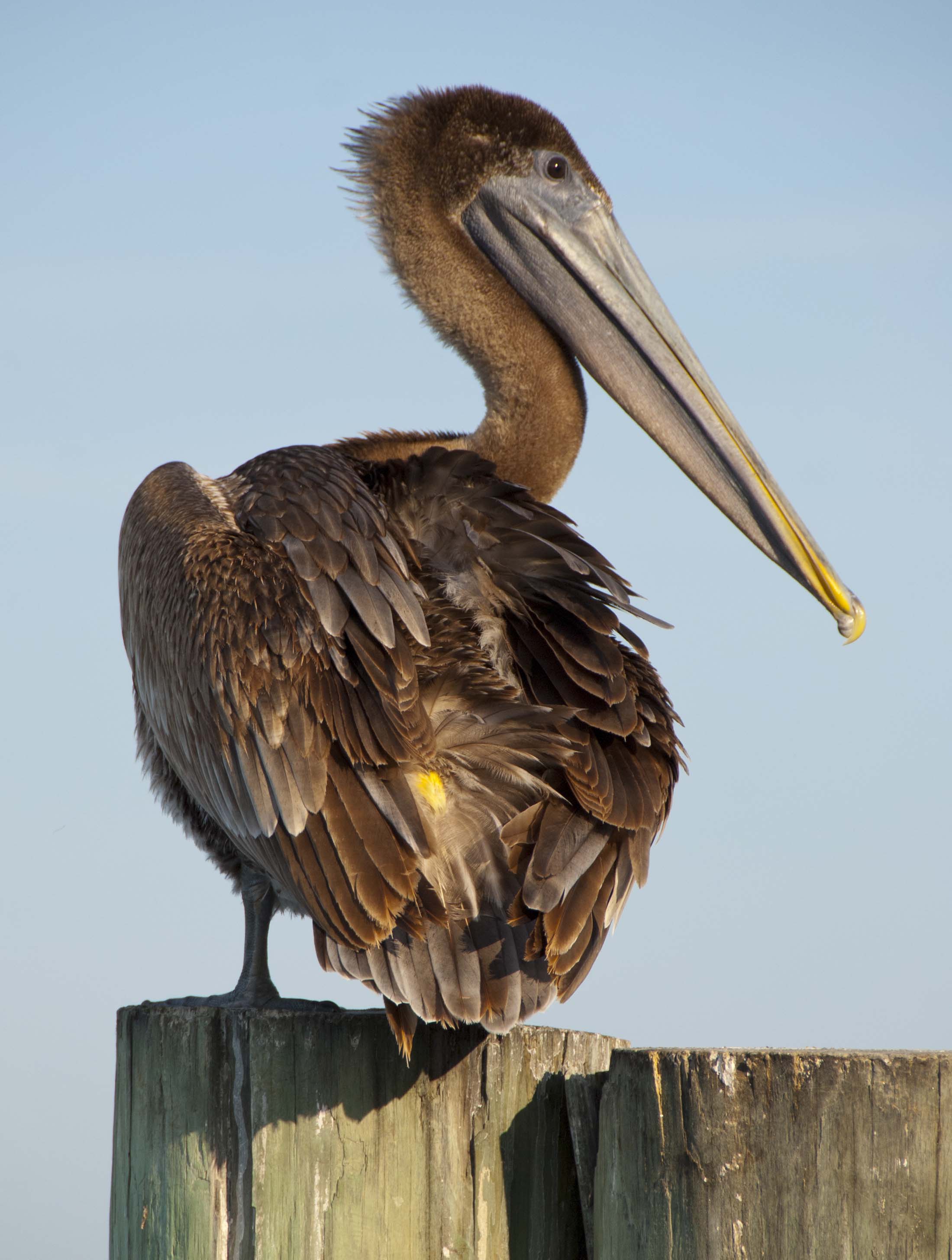
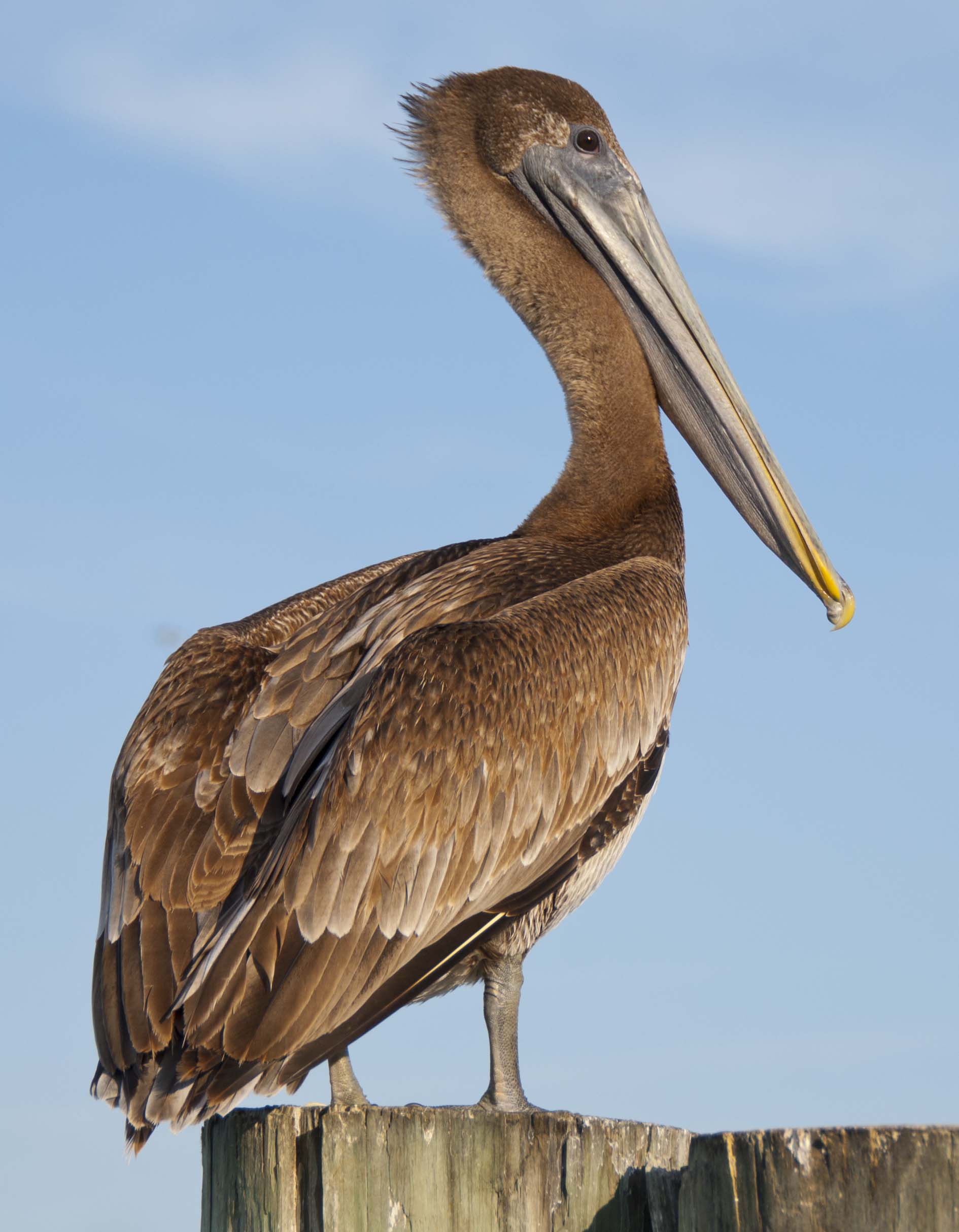
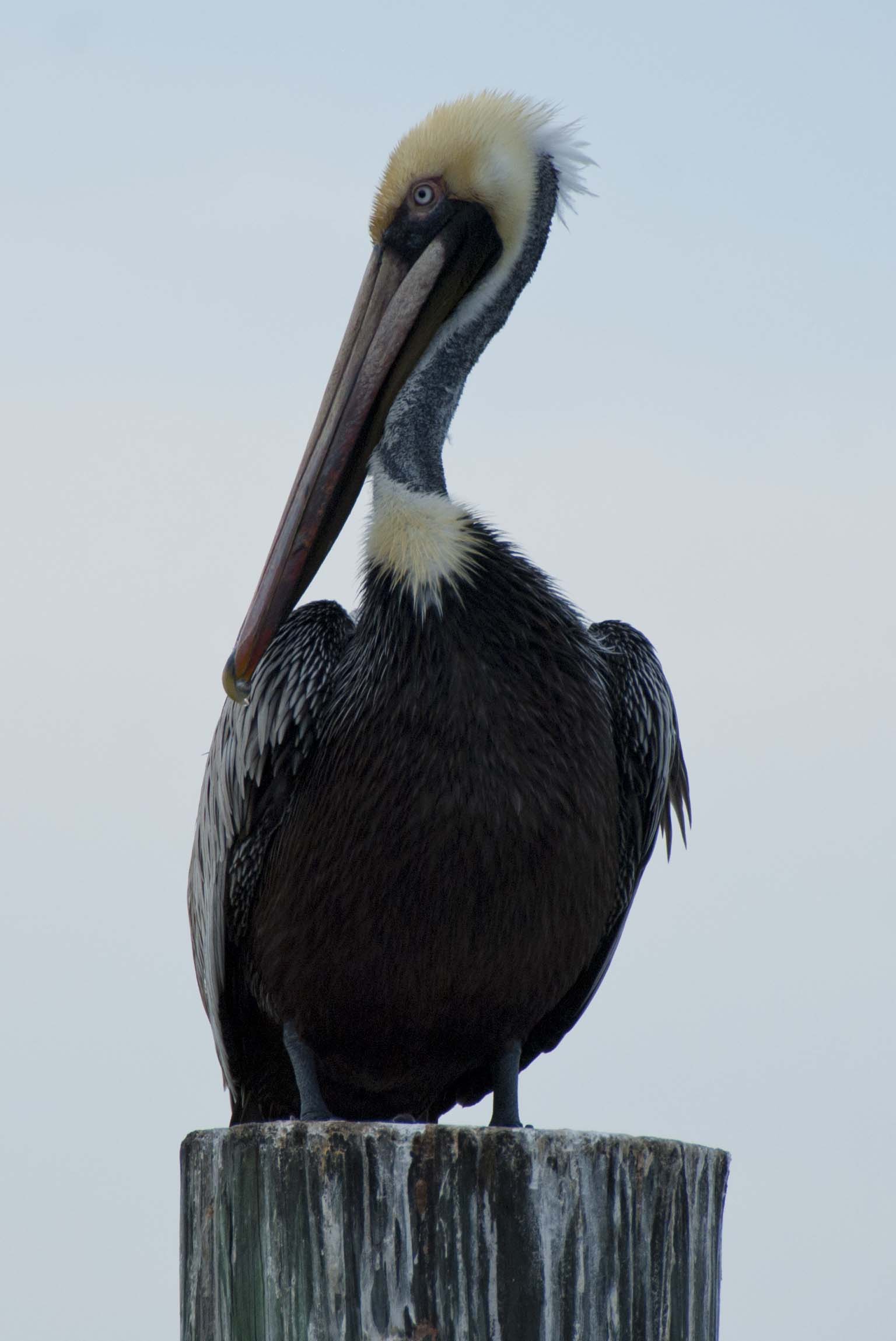
Every time I travel south, I look forward to seeing pelicans once again. Some birds are just irresistibly idiosyncratic, and pelicans are. (Herons and egrets are, too.)  Everything about them is fascinating to watch…

… the way they are revealed by the gray dawn sitting silently on pilings

… the way they fly in formation as the sun rises out of the sea

… the way they skim low over the water

… the way they sit right on the dock, at ease with their human neighbors

(These photos were taken at Glover’s Reef Atoll, Belize; at Amelia Island, Florida; and near Fort Myers, Florida. More photos from those locations are respectively here, here, and here.)