By Vladimir Brezina
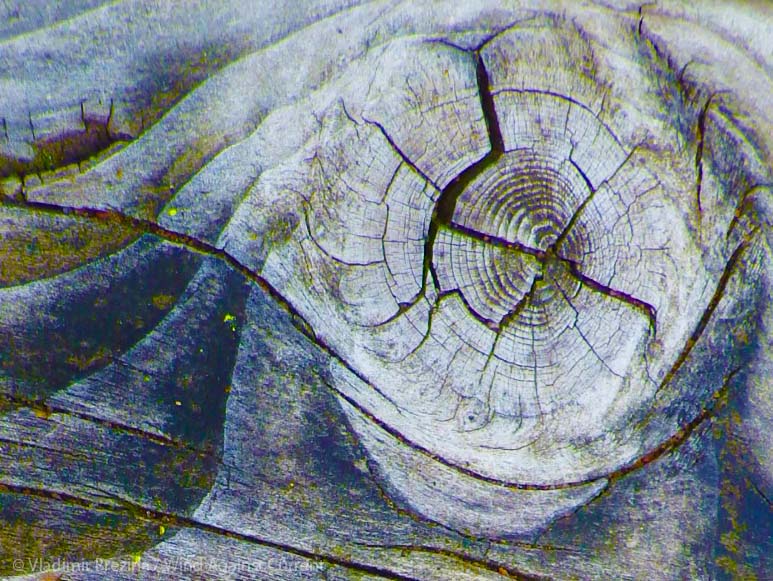
Ailsa’s travel-themed photo challenge this week is Wood.


Posted in Nature, Photography
Tagged Abstract, Photography, postaweek, postaweek2014, Travel, Weekly Photo Challenge, Wood
By Johna Till Johnson
Photos by Vladimir Brezina
<— Previous in Everglades Shakedown
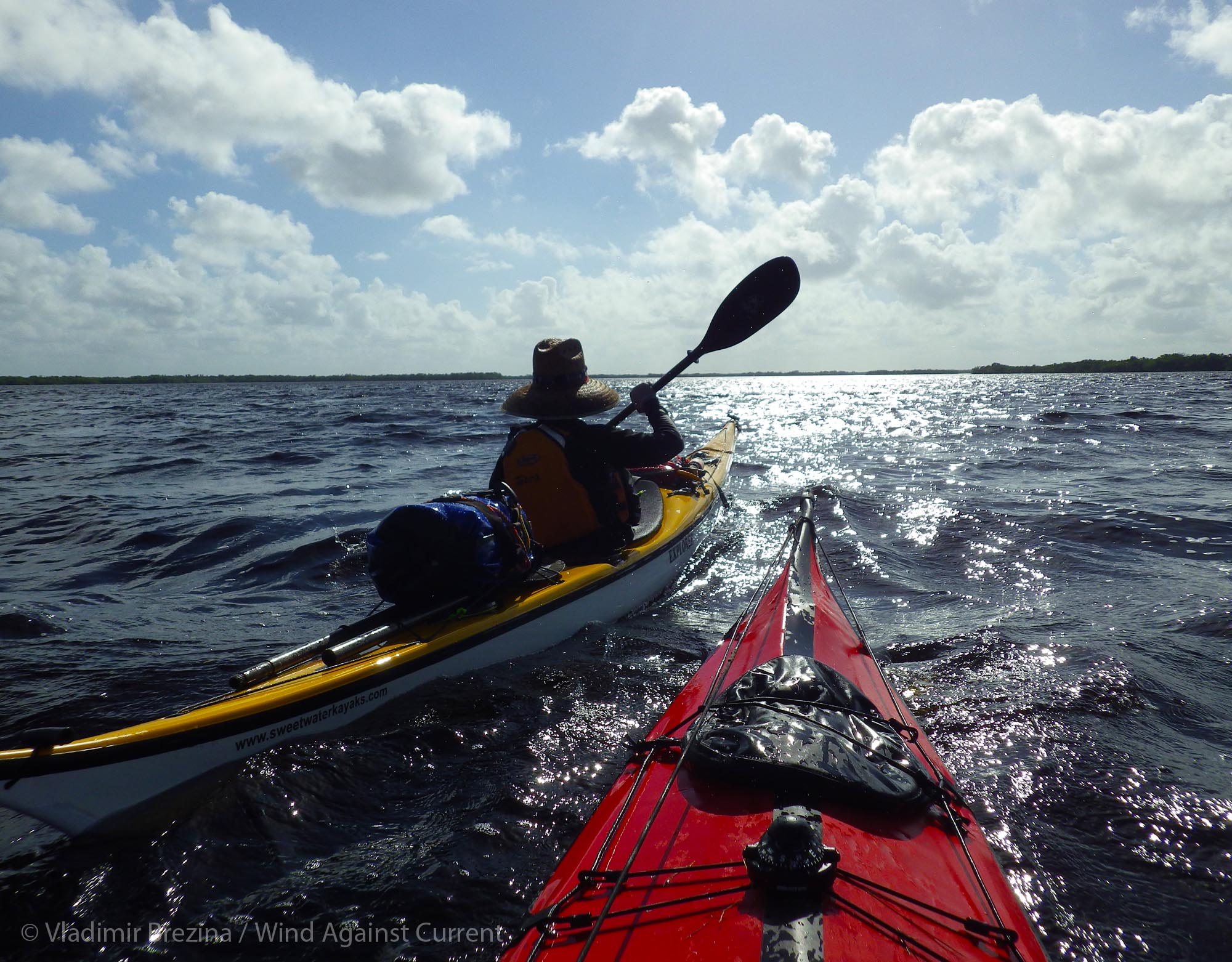
Start: Darwin’s Place.
Finish: Highland Beach.
Distance: About 18 nautical miles.
Paddling time: Roughly 8 hours; average pace 2.3 knots.
Posted in Kayaking
Tagged Everglades, Everglades Challenge, Florida Kayaking, Kayak Camping, Kayak Expeditions, Photography, Sea Kayaking
By Vladimir Brezina
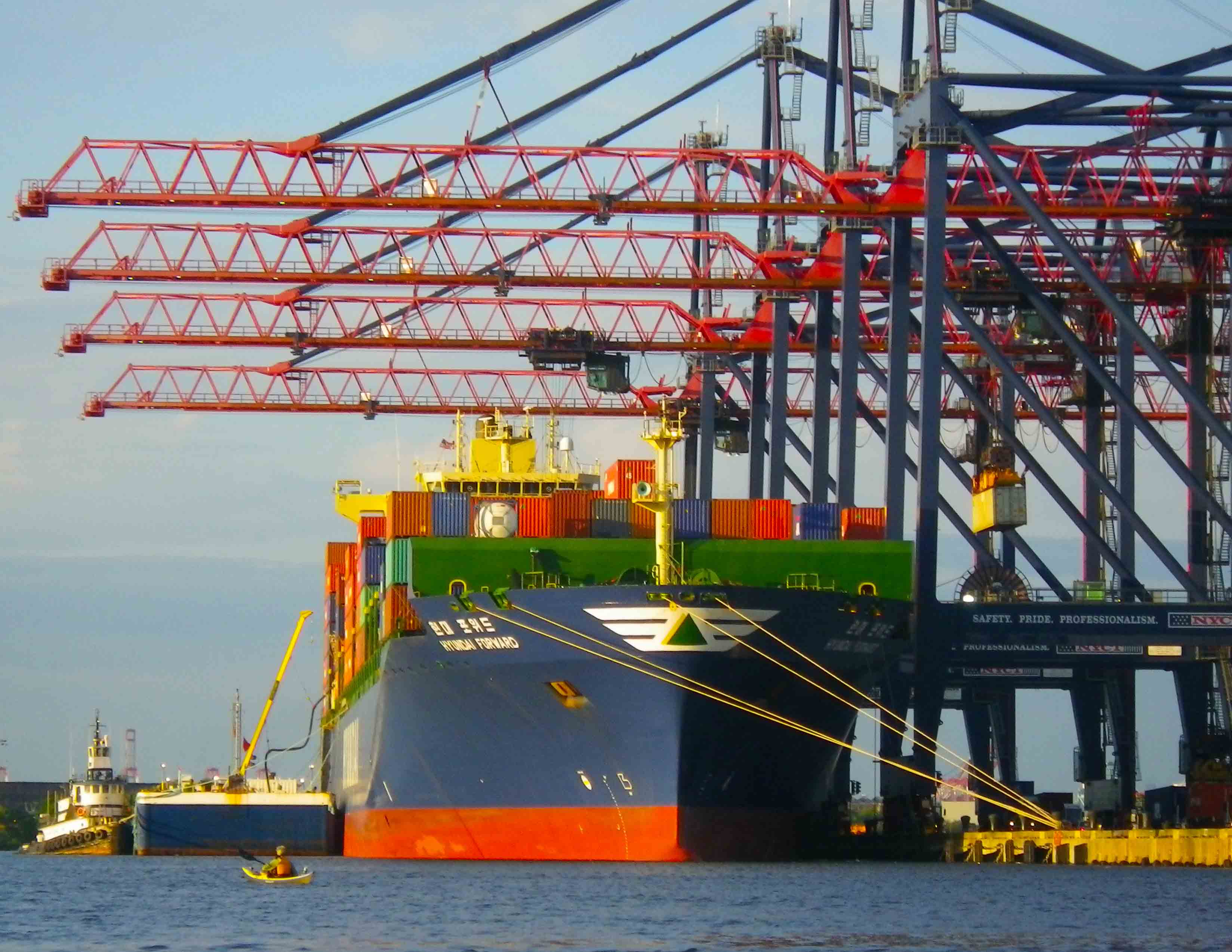
This week’s Photo Challenge is Juxtaposition.
In New York Harbor, little boats (juxta)posed with big ships…



The first “Juxtaposition” post was here.
Posted in Kayaking, New York City, Photography
Tagged Barges, Juxtaposition, Kayaking, New York City, New York Harbor, Photography, postaweek, postaweek2014, Ships, Weekly Photo Challenge
By Vladimir Brezina
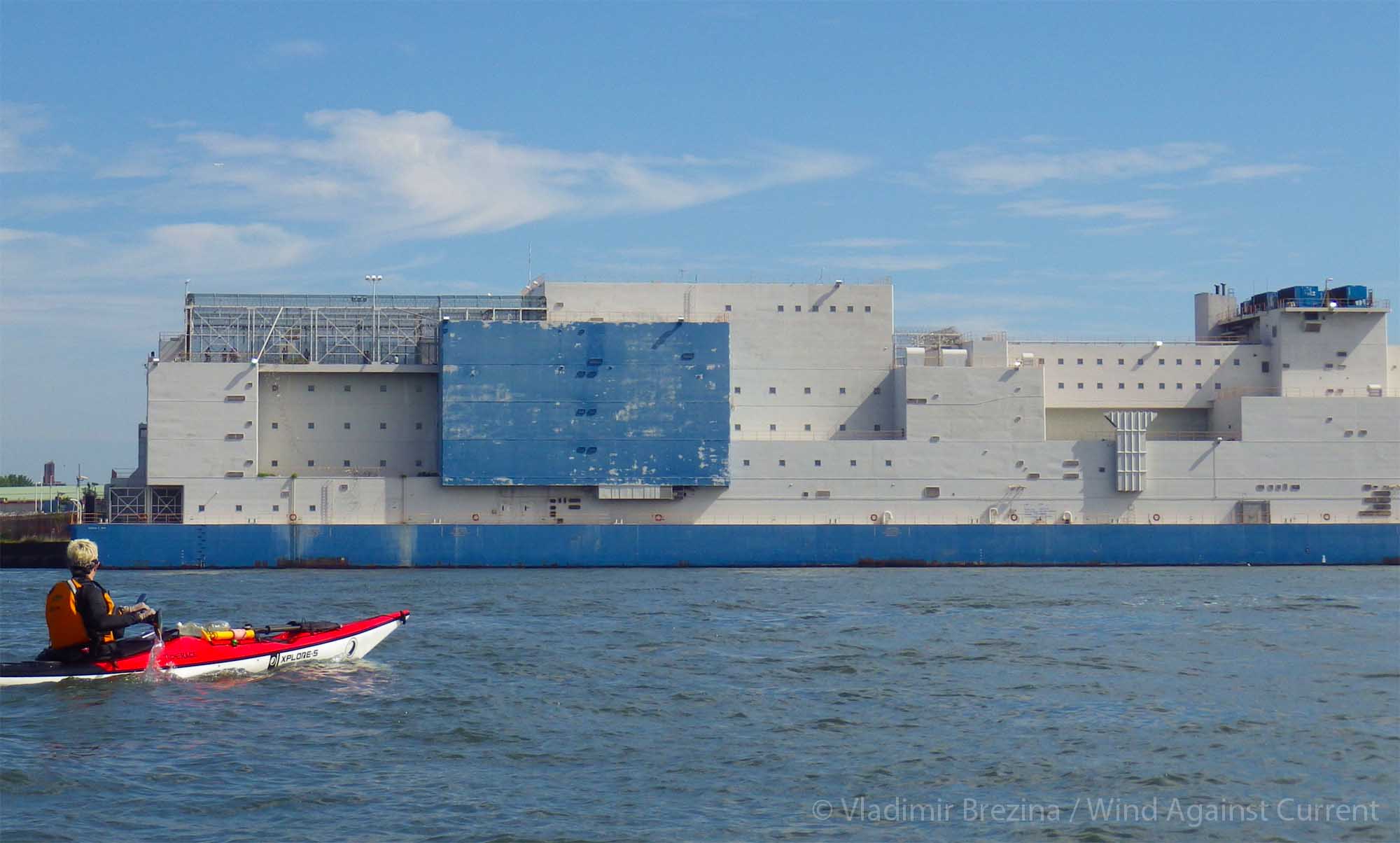 This week’s Photo Challenge is Juxtaposition.
As we paddle along the East River, freely enjoying the wind and waves, we never fail to glance toward the top of this immense blue and white structure, where there are usually men playing basketball in a razor-wire cage…

It’s the Vernon C. Bain Correctional Center, the Rikers Island prison barge.
(A second “Juxtaposition” post is here.)
Posted in Kayaking, New York City, Photography
Tagged Juxtaposition, Kayaking, New York City, Photography, postaweek, postaweek2014, Prison, Weekly Photo Challenge
By Vladimir Brezina
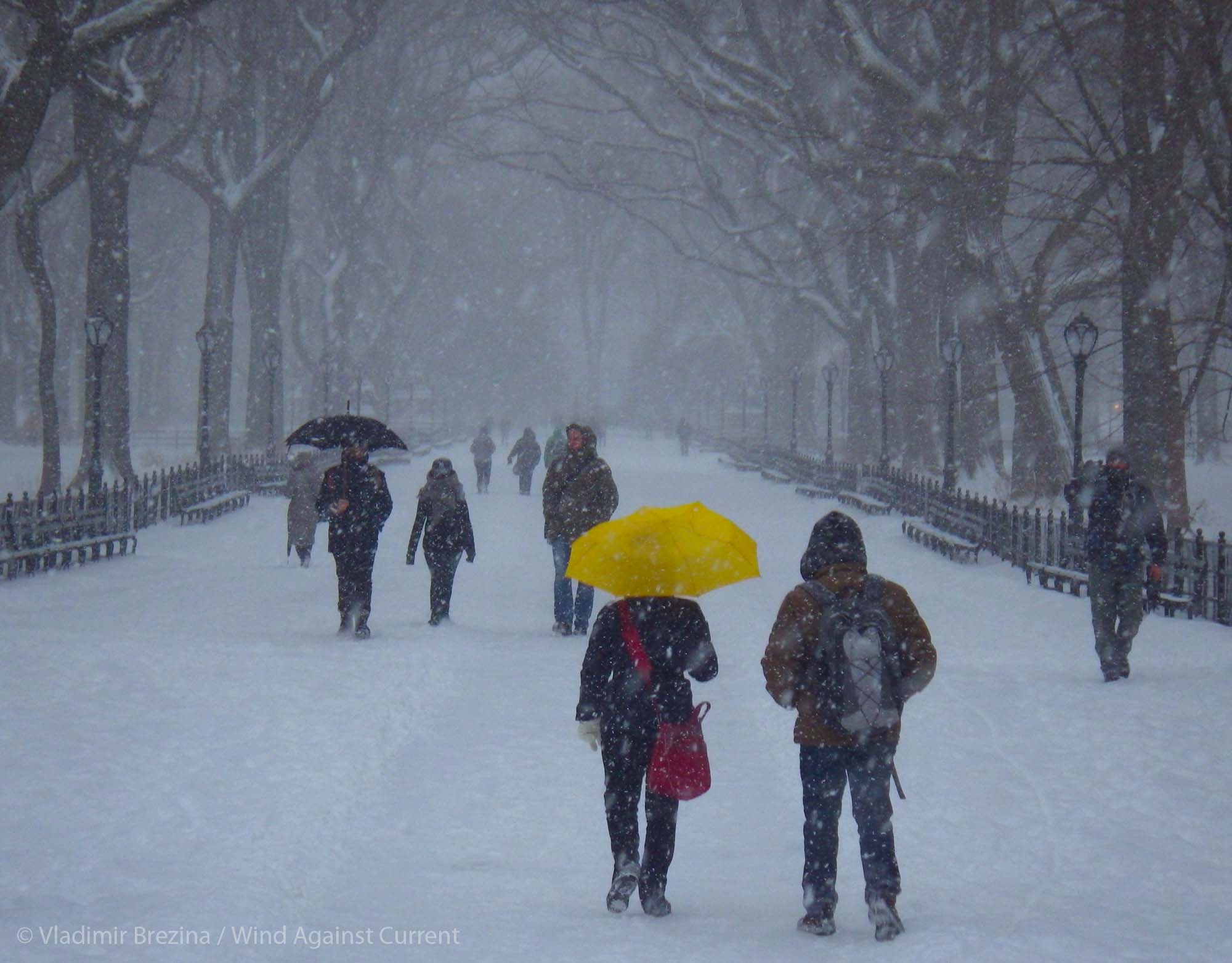
NYC’s Central Park, during yesterday’s snowstorm…
(click on any photo to start slideshow)


Posted in Nature, New York City
Tagged Central Park, Manhattan, New York City, Photography, Snow, Snow Storm
Posted in Kayaking
Tagged George Washington Bridge, Kayaking, New York Harbor, Photography
By Johna Till Johnson
Photos by Vladimir Brezina
<— Previous in Everglades Shakedown
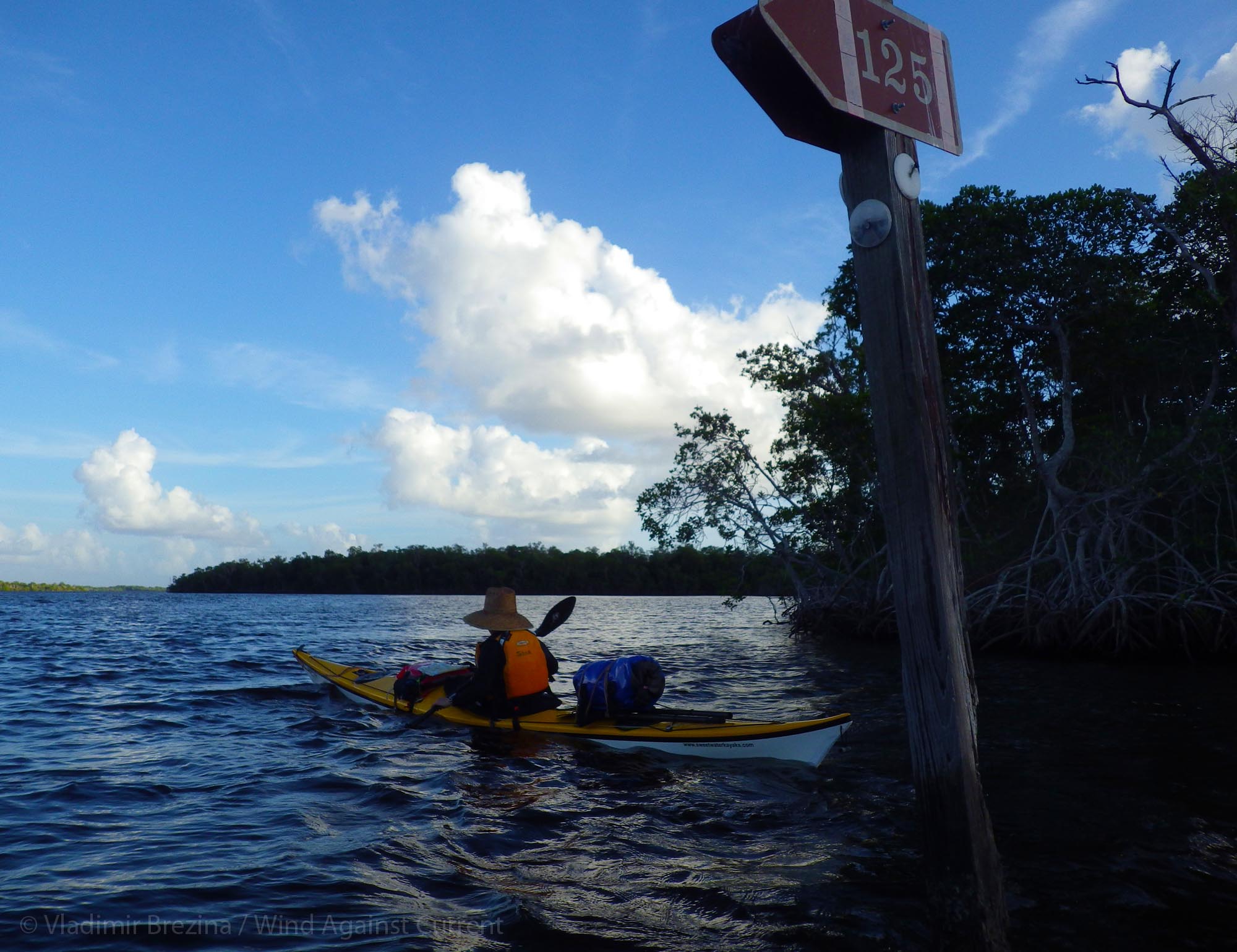
Start: Chokoloskee.
Finish: Darwin’s Place.
Distance: About 21 nautical miles.
Paddling time: Roughly 8 hours; average pace 2.6 knots.
Stop time: Roughly 2 hours (30 minutes lunch plus a 90-minute stop at Everglades City to obtain permits).
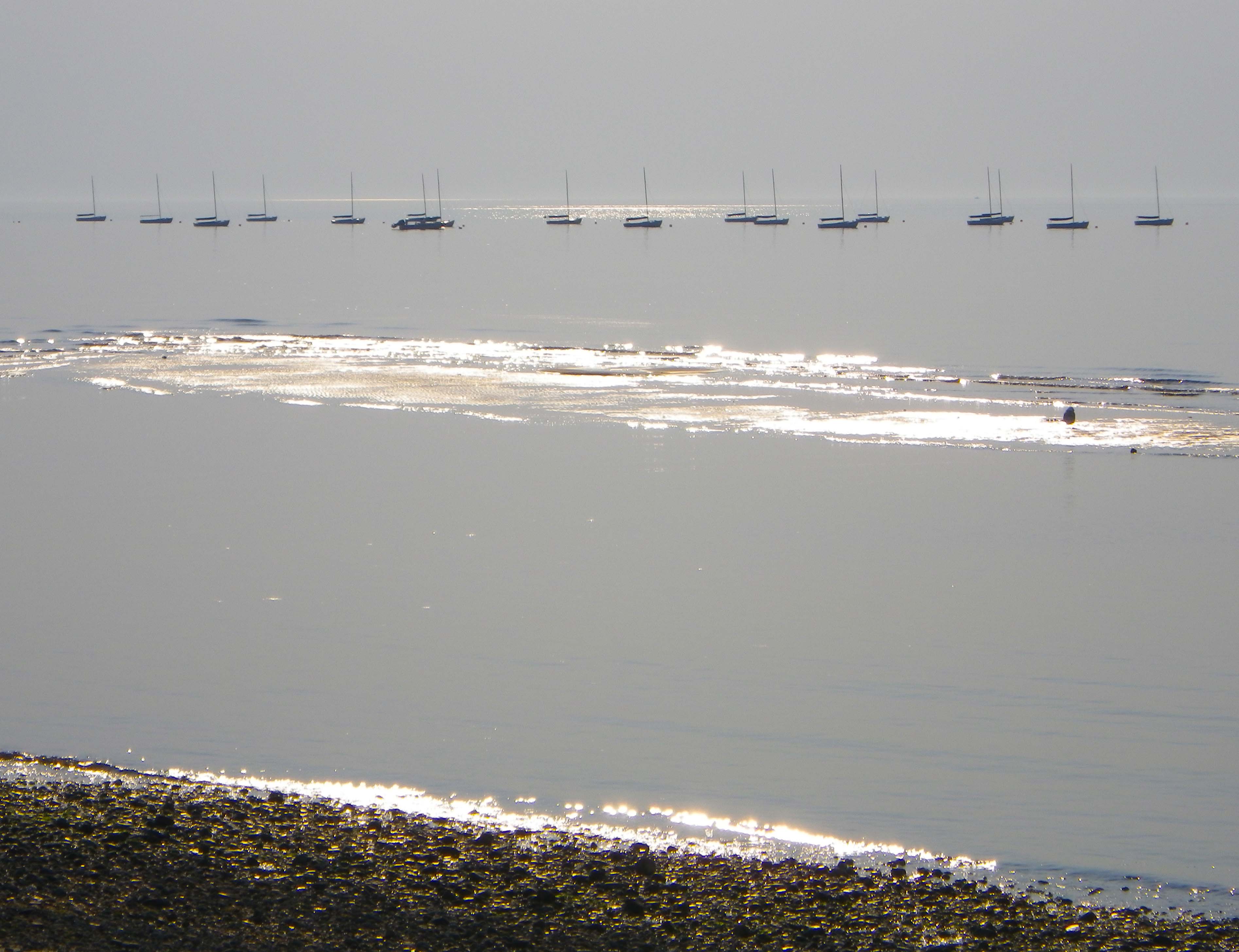
Posted in Nature, Photography
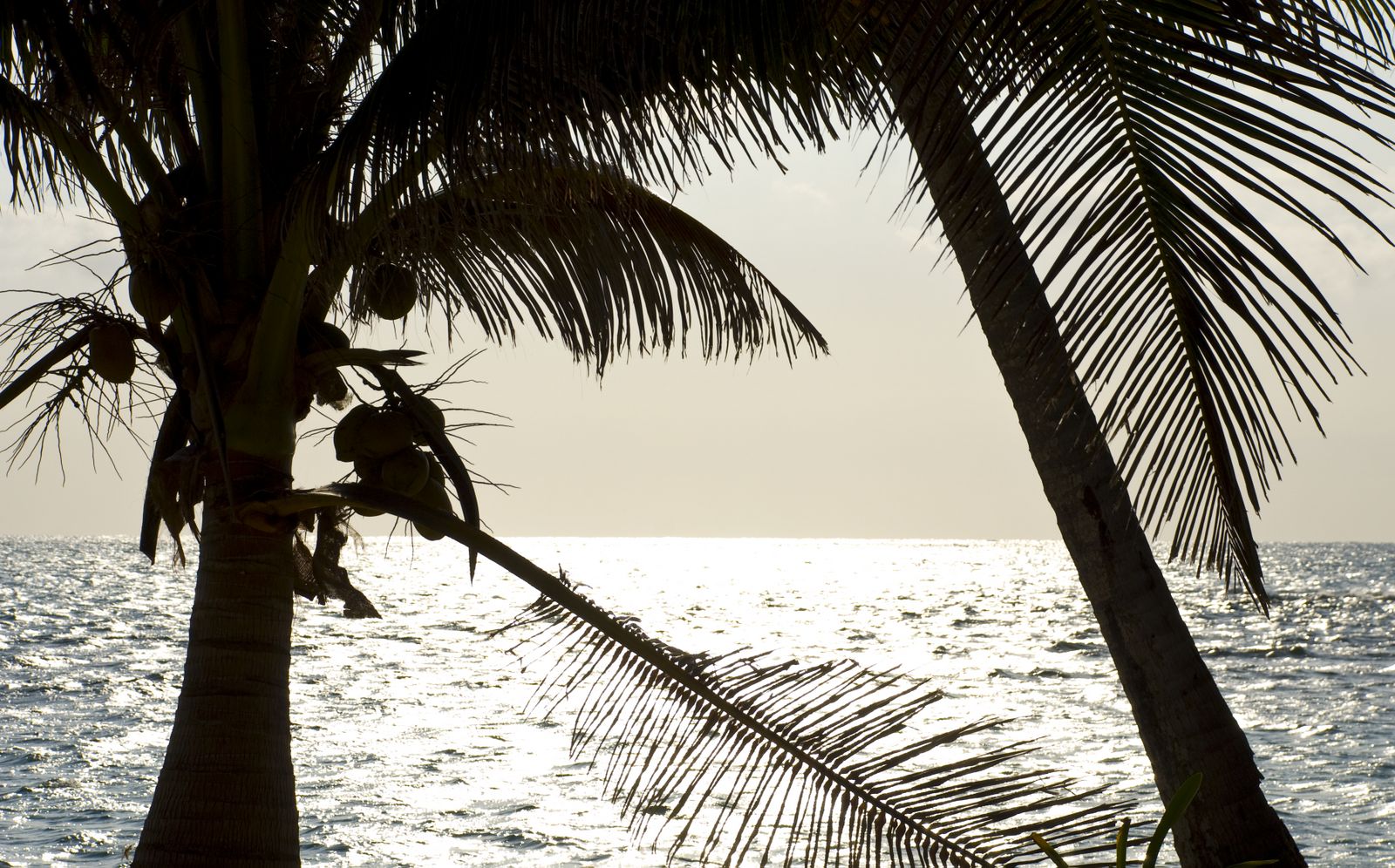
Tagged Photography, postaweek, postaweek2014, Sea, Silver, Travel, Weekly Photo Challenge
By Vladimir Brezina
This week’s Photo Challenge is Family.
And, for some reason, this picture just says “Family” to me… ;-)
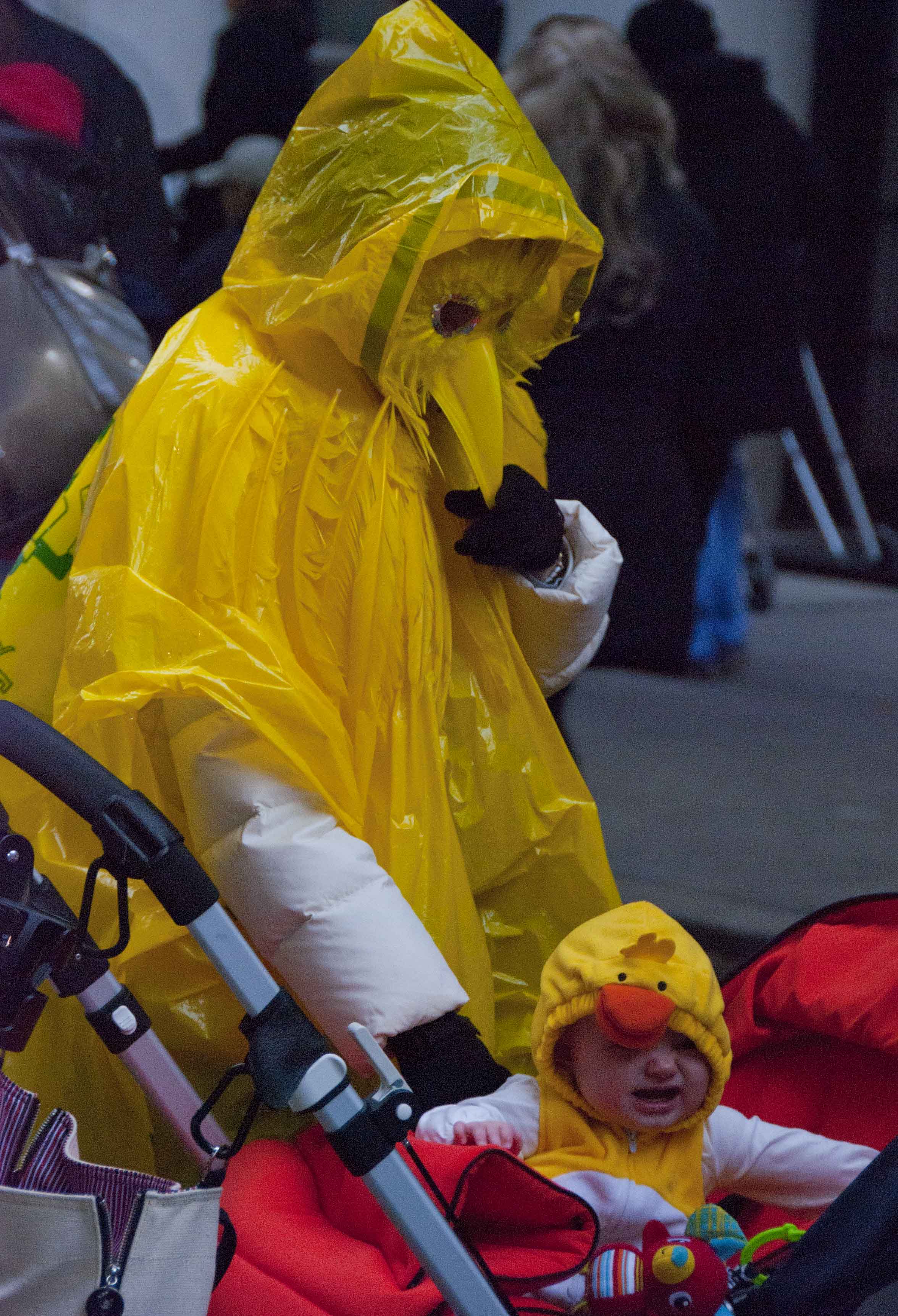
A good candidate for a caption contest. Anyone care to try?
Posted in Life, Photography
Tagged Family, Photography, postaweek, postaweek2014, Weekly Photo Challenge
By Johna Till Johnson
Photos by Vladimir Brezina
<— Previous in Everglades Shakedown
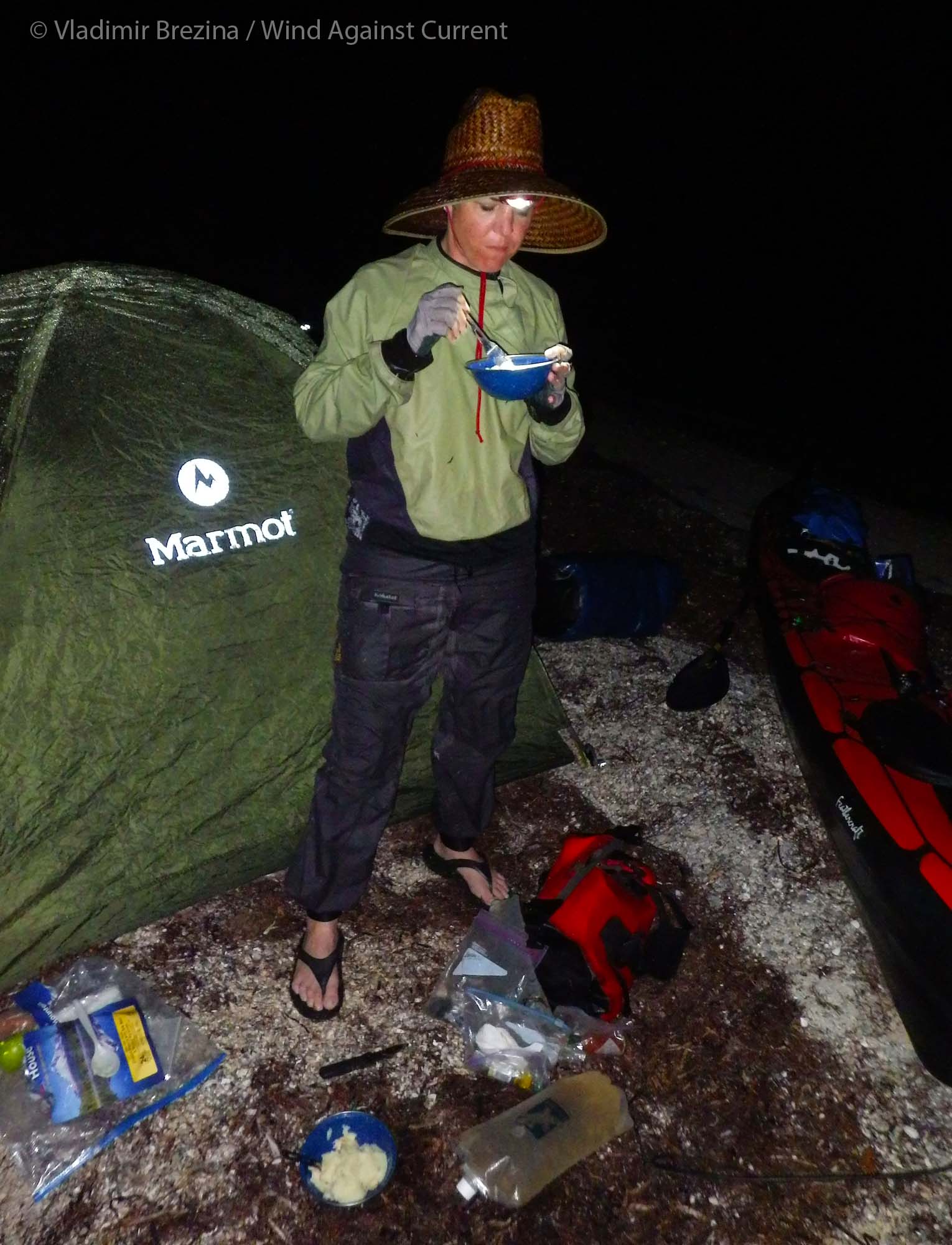
Christmas dinner, 2013
The goal of our Everglades Shakedown Expedition of December 2013 was to gain an understanding of the Everglades environment for the upcoming WaterTribe Everglades Challenge, and we’re happy to say it succeeded. Our biggest lesson learned was that we’d largely been worried about the wrong things. Snakes and crocs? No worries, mate! But midges and skeeters can be more than a nuisance—they can derail your trip by keeping you penned in your tent, unable to cook or pee.
Similarly, I’d been deeply concerned about paddling in the Everglades at night. It’s pitch-black (actually, not quite: the lights of Miami loom on the horizon) and the thousands of mangrove islands look all the same. Sure, we do plenty of nighttime paddling in New York—but that is our backyard, and even if you are a visiting paddler, the city is well-illuminated and chock full of landmarks, from the Statue of Liberty to the various bridges, so it’s fairly easy to keep your bearings. Turns out that with a compass and charts, a good flashlight, and ideally a mapping GPS, nighttime paddling in the Everglades is very much doable, as well. (And in some respects, it’s more pleasant than daytime paddling.) That relieved my worry about being limited to paddling only during the daylight hours in the Everglades Challenge itself.
And some things that seemed trivial from our perch in New York were not trivial at all. Headwinds across the shallow water that abounds in the Everglades generated chop and slowed us down considerably—our average pace for the trip was 2.3 knots, and that’s with fast boats and good technique. (Our standard average, in calm waters with no wind or current, is around 3.4 knots.)
Here are some of the highlights of what we learned:


... kayaked the waters around New York for more than 15 years in his red Feathercraft folding kayak. He was originally from (the former) Czechoslovakia and lived in the U.K. and California before settling down in New York. He was a neuroscientist at the Mount Sinai School of Medicine in New York City. He died in 2016.

... is a kayaker and technology researcher at Nemertes Research. She's an erstwhile engineer, particle physicist, and science fiction writer. She was born in California and has lived in Italy, Norway, Hawaii, and a few other places. She currently resides in New York City.
 | Johna Till Johnson on Where We Like to Land on Sandy… |
| Canada to Key West P… on “A Bizarre Boating … | |
 | Eunice Miller on A Meditation on Gratitude |
 | Harry on A Meditation on Gratitude |
| Johna Till Johnson on A Meditation on Gratitude |
| Harry Itagaki on A Meditation on Gratitude |
 | Love is still the an… on Travel Theme: Signs |
 | David McLean on Where We Like to Land on Sandy… |
 | davidloh24 on Endless Reflection |
| Paddle Log: North Mo… on Circumnavigating Monomoy | |
 | Brian on Long Island Kayak Circumnaviga… |
 | Andi the Slime on Yellow |
 | Mark S on The Dry Salvages |
 | Dudi on Everglades Challenge, the Days… |
 | Francie Chew on The First Leg! |




Other Awards




 Wind Against Current