Where We Like to Land on Sandy Hook

By Vladimir Brezina

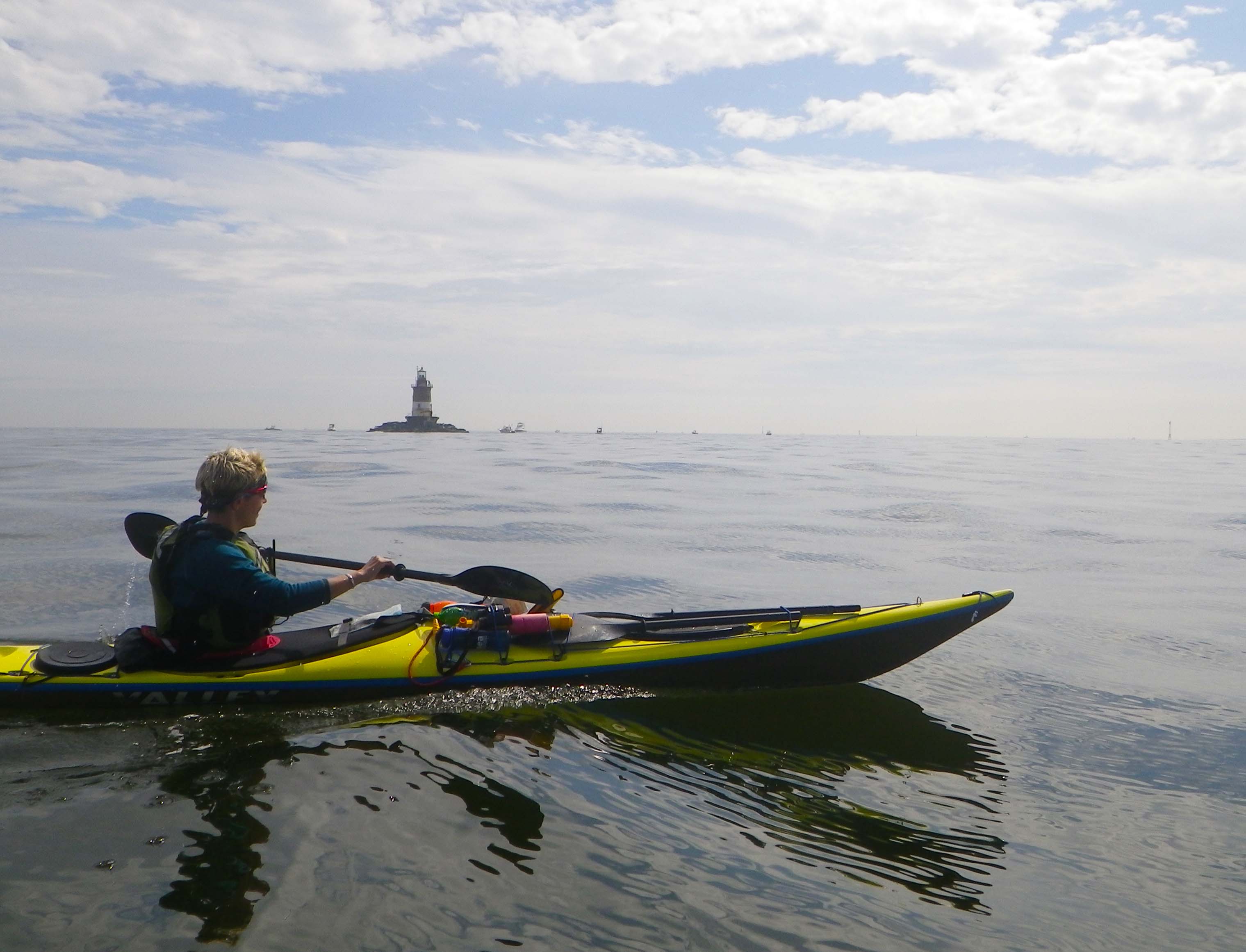
Sandy Hook, NJ, a long thin finger that reaches out across the Lower Bay toward New York City, is an irresistible destination for a kayak trip from the city. But once Sandy Hook is off the bow, where to land?  The perfect landing site can be elusive.  Landing is nowhere actually difficult on Sandy Hook—there is a broad sandy beach almost all the way around (although the ocean side can have significant surf).  But in most places it’s a featureless beach, offering no shade in the summer nor shelter from the wind in the winter. Parts of the beach may be off-limits for one reason or another.  And besides, we want to have lunch in a picturesque spot, rich both in local sights and sounds and views of the landscape.

There is such a spot on Sandy Hook. A mile and a half down the bay side, right on the beach, there is an overgrown hillock—almost a little island, no more than a few hundred feet across, that is cut off from the rest of Sandy Hook by a salt marsh that floods at high tide.  That’s where we like to land on Sandy Hook.

Continue reading

Later Flowers for the Bees, and Butterflies: A Photoessay

By Vladimir Brezina

… to set budding more,
And still more, later flowers for the bees,
Until they think warm days will never cease …

John Keats, To Autumn

This past weekend was beautiful: dry, calm, sunny and warm—Indian Summer weather. In New York City’s Central Park, still mostly a fall-denying green, a fresh crop of flowers was out. And the park’s bees and butterflies, like the city’s human inhabitants, were out in force.

Continue reading

Fun With Energy Transformation

By Johna Till Johnson

One of the pleasures of having a blog is the ability to quickly share really cool discoveries with like-minded people.  This morning, my friend Steve Crandall sent me the link to his most recent blog post entitled the delight of turning potential energy into kinetic energy.

As Steve writes in his most excellent post:

You’ve all seen videos of large domino chains.  By standing a domino on end you are increasing its potential energy.  Energy that can be released later when the domino tips, turning stored potential energy into the energy of motion – kinetic energy…..With a bit of cleverness you can weave a pile of wooden sticks into a structure storing the energy that you used to flex them for later release.  Fifty sticks will give you and idea – a thousand will give you something wonderful.

He’s not kidding. Wish I had the time and floor space to try it!

If you want to try it, Steve’s post also has a how-to-do-it video.

By the way, I first met Steve at an event hosted by Coburn Ventures. We bonded over shared interests in physics and energy—along with the fact that we both have synesthesia, in my case quite mild and in his, rather intense.

Ederle Swim 2011, Round Three

By Vladimir Brezina

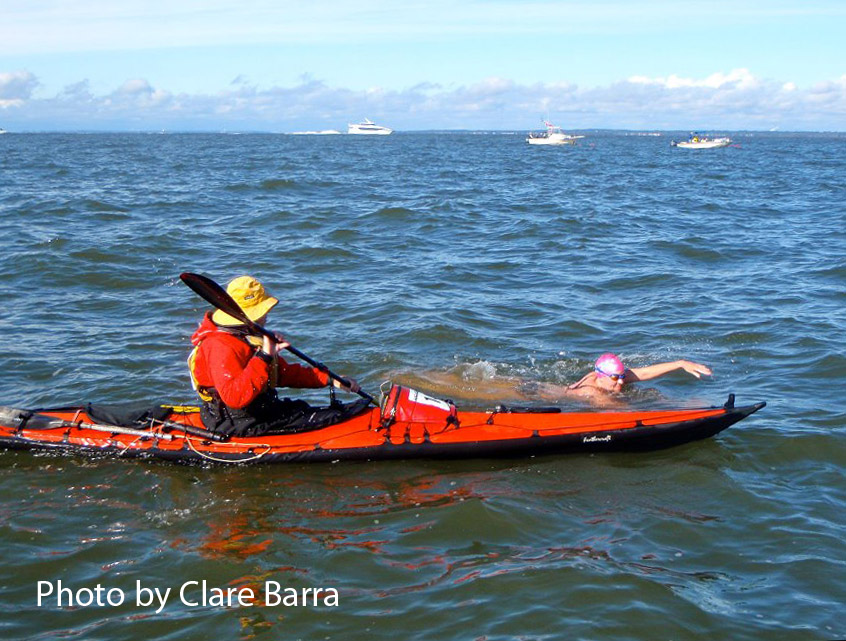
NYC Swim‘s Ederle Swim, the ~17-mile open-water swim through New York Harbor between Manhattan and Sandy Hook, NJ, has become very popular. This year, there have been no fewer than three of them. And each one set a new record.

First, in June 2011, Liz Fry swam from Manhattan to Sandy Hook and back, becoming the first swimmer ever to complete a double Ederle Swim—and, in the process, setting records for both individual directions as well.

Then in August, Lance Ogren, swimming with a fast ebb current in the wake of Hurricane Irene, shattered Liz’s Manhattan-to-Sandy Hook record by almost an hour.

I was one of the kayakers accompanying both Liz and Lance on these swims (see my writeups and photos here and here).

And now, Round Three! Last Sunday we had the main, yearly Ederle Swim for multiple swimmers—19 swimmers started—but in the other direction, from Sandy Hook to Manhattan. The winner of this race was looking to beat Liz’s other individual record!

This time I was the kayaker for Janet Harris, in her very first Ederle Swim. Here are some annotated photos from my kayaker’s perspective. Janet has posted her own account of her swim here.

Continue reading

Dawn and Sunrise in New York Harbor

By Vladimir Brezina

Yesterday I got up early to go kayaking with NYC Swim‘s Ederle Swim.  It was dark and cold. Why do these swims always begin so early? (Don’t tell me: time and tide wait for no man…)

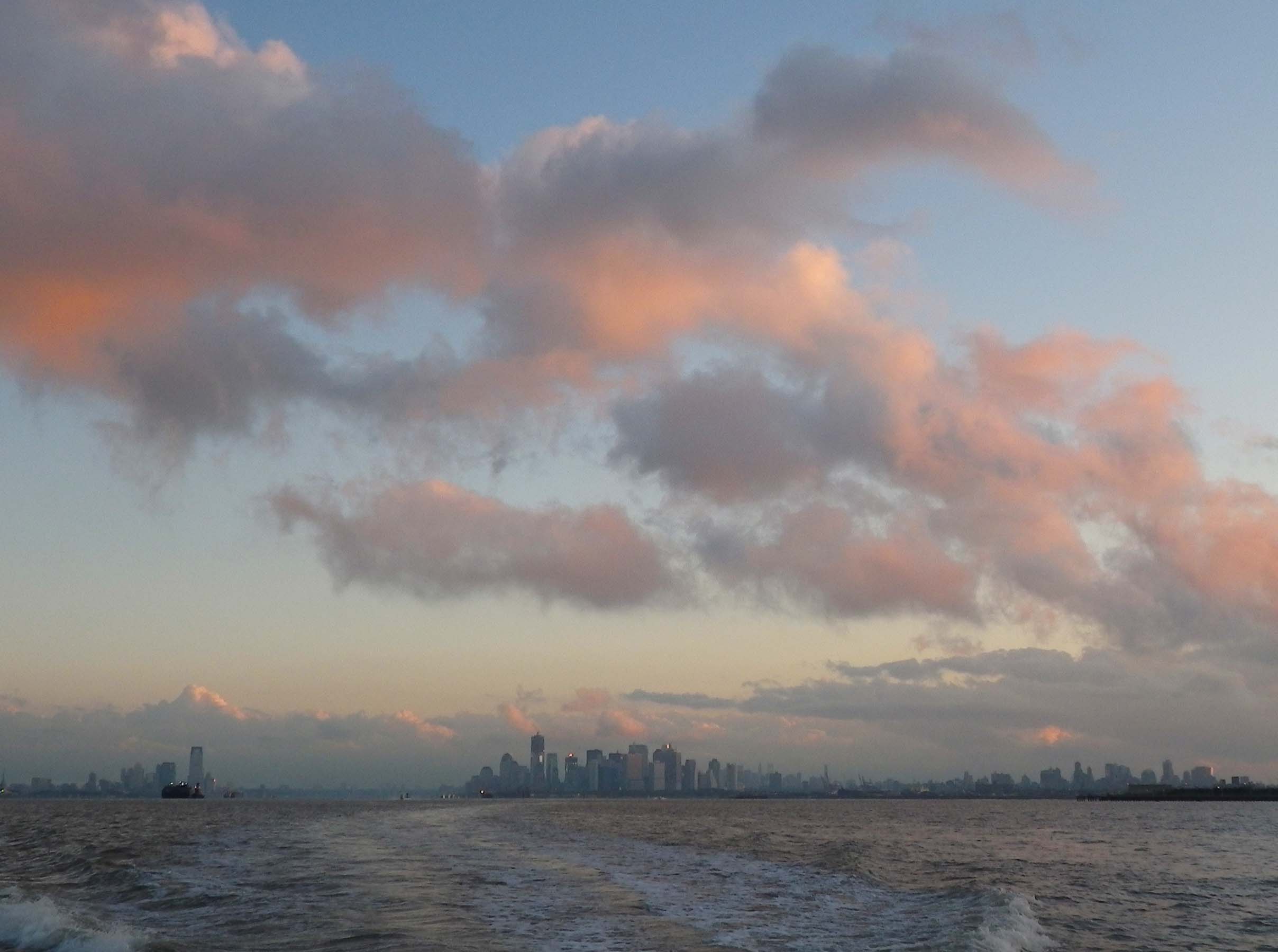
But there was an unexpected bonus:  a prime view of a spectacular dawn and sunrise over New York Harbor, from the motorboat that transported us from Manhattan to Sandy Hook, NJ, for the start of the swim. A few photos:

Continue reading

Between Scylla and Charybdis: The Dangers of Sandy Hook

By Vladimir Brezina

In my last post I wrote about paddling from Manhattan down to Sandy Hook, NJ. But paddling down is the easy part. It’s on Sandy Hook that unsuspected dangers lurk.

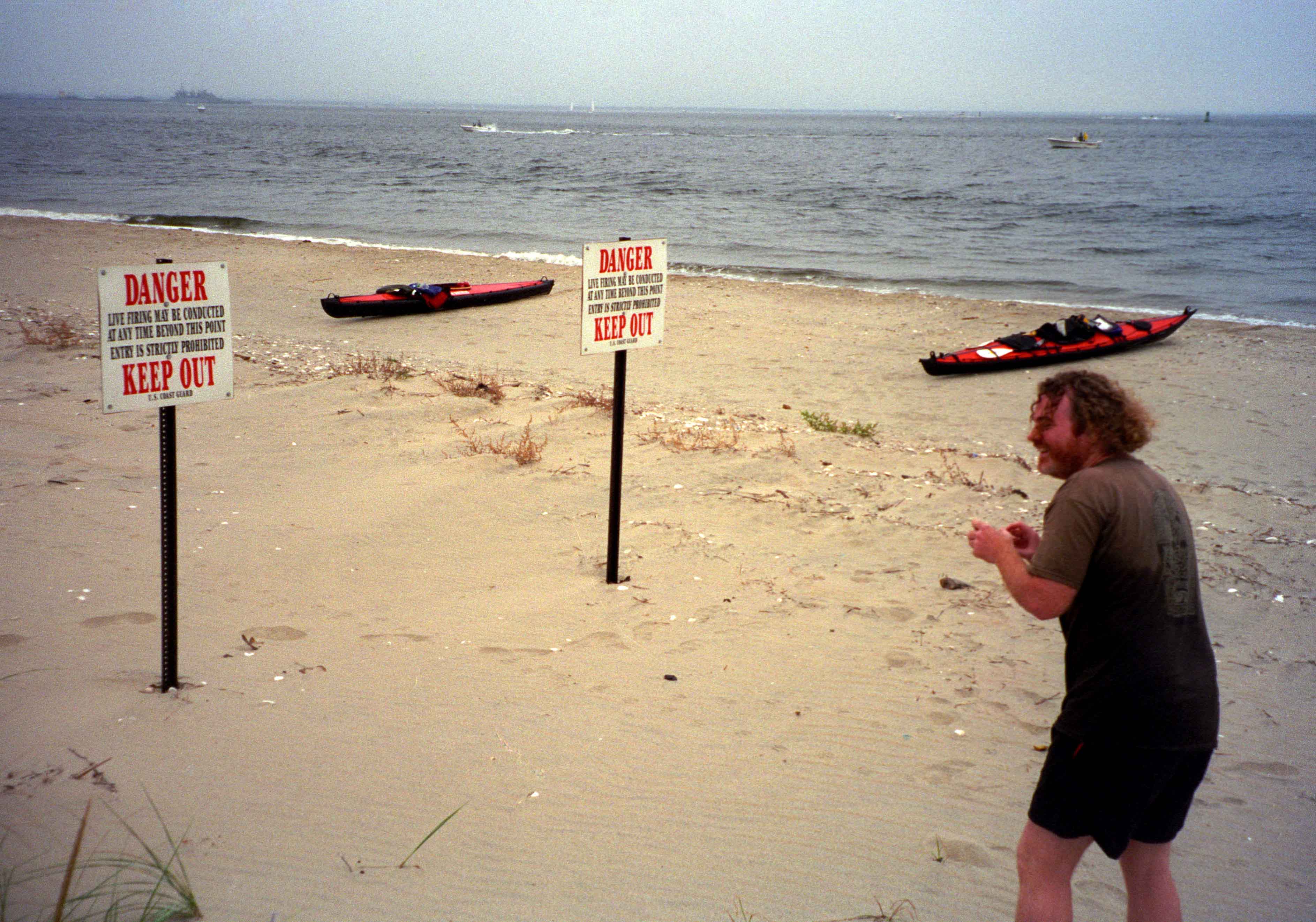
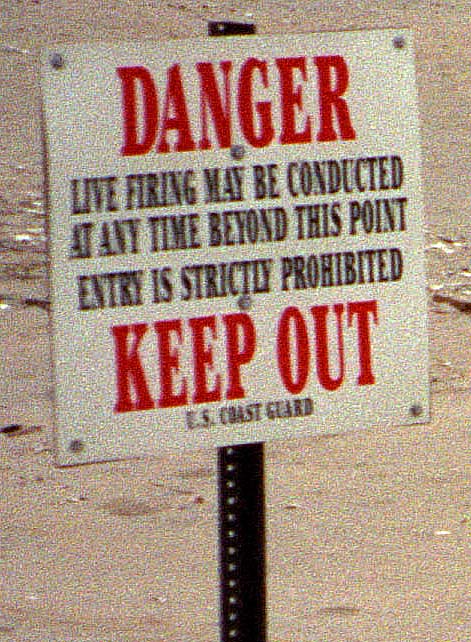
I remember a Sandy Hook trip of some years ago. (OK, I’ve just looked it up in my records and it was in September 2000—eleven years ago.  How time flies…) Erik Baard and I paddled down from Manhattan and landed on the beach near the northwestern tip of Sandy Hook. We had a leisurely lunch, took a stroll along the beach, lazed about, and after a couple of hours were ready to paddle back to Manhattan. But just before we launched, we thought that we might, just out of curiosity, find out what those two big signs that stood there, facing away from us, said…
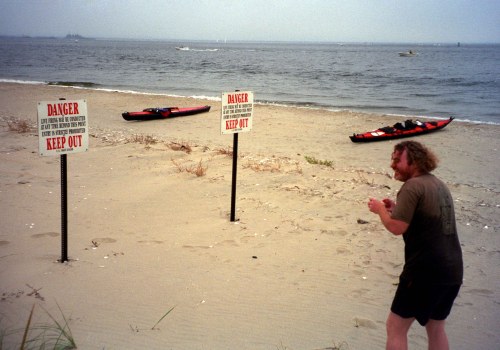
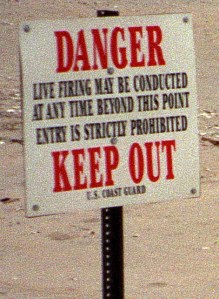
(I’ve never landed on that part of the beach since :-) But I’ve paddled past many times, and haven’t seen those signs again. The Coast Guard has probably relaxed its grip somewhat. Still, many parts of Sandy Hook remain restricted for one reason or another.)

.

.

.
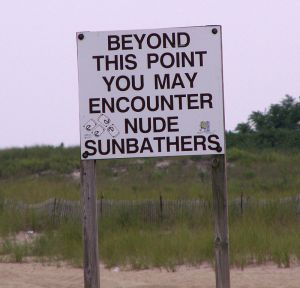
In the meantime, on the opposite, eastern side of Sandy Hook, there is another set of signs…

These signs mark the notorious Gunnison Beach:

In 1999, New Jersey passed a law that allows municipalities and counties to prohibit all types of nudism on state or local beaches in their jurisdiction, making Gunnison Beach the only legal nude beach in the state, since it is on federal land not subject to state or municipal regulations.  Also, since there is no law against alcohol on federal lands drinking is allowed. Gunnison is the largest clothing-optional recreation area on the East Coast. The clothing optional beach, which offers dramatic views of Brooklyn and the Verrazano Narrows Bridge, attracts nearly 5,000 naturists per weekend in the summer months. Part of the beach is shared on a seasonal basis with a reserved breeding ground for the endangered Piping Plover, a native shore bird.

(Who says that Wikipedia doesn’t have a sense of humor?)

Sadly, every time I’ve paddled past Gunnison Beach it’s been deserted, except for one or two men who may have been naked but who also were largely invisible behind the barriers they had to erect against the bitterly cold wind… Of course, that might have been because I’ve paddled on the ocean side of Sandy Hook mostly in the off-season. In the summer, the whole ocean side is patrolled by rangers who order any kayaker who attempts to land summarily back into the surf.

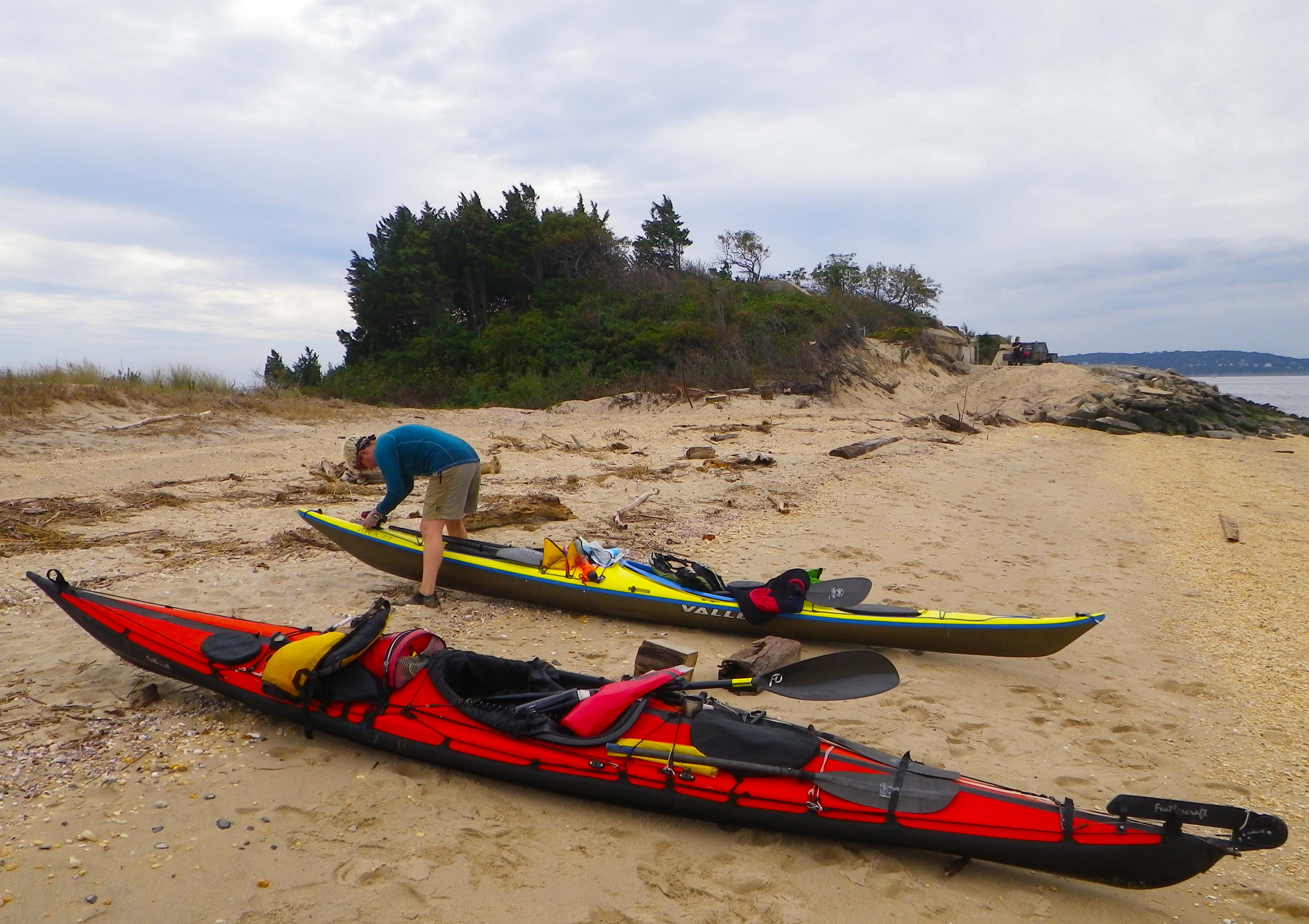
So, Sandy Hook is a dangerous, and fascinating, place. And I haven’t even mentioned the crumbling military ruins, the guns, the missiles, of Sandy Hook—that’s for another post!

The Engineer Who Transformed Shipping

By Johna Till Johnson

I have a weird habit, one that I share with many other (equally weird) folks: I love to read obituaries.

“Isn’t that morbid?” you’re thinking. On the contrary: Obituaries usually make me happy.  A good obituary is a celebration of the life and times of a person I’ve probably never heard of, but end up wishing I’d met.

And though I’m sorry to have missed that person, it’s enlightening to know they once existed. It reconfirms my bedrock belief that the world is a far stranger and more interesting place than I’ll ever fully know.

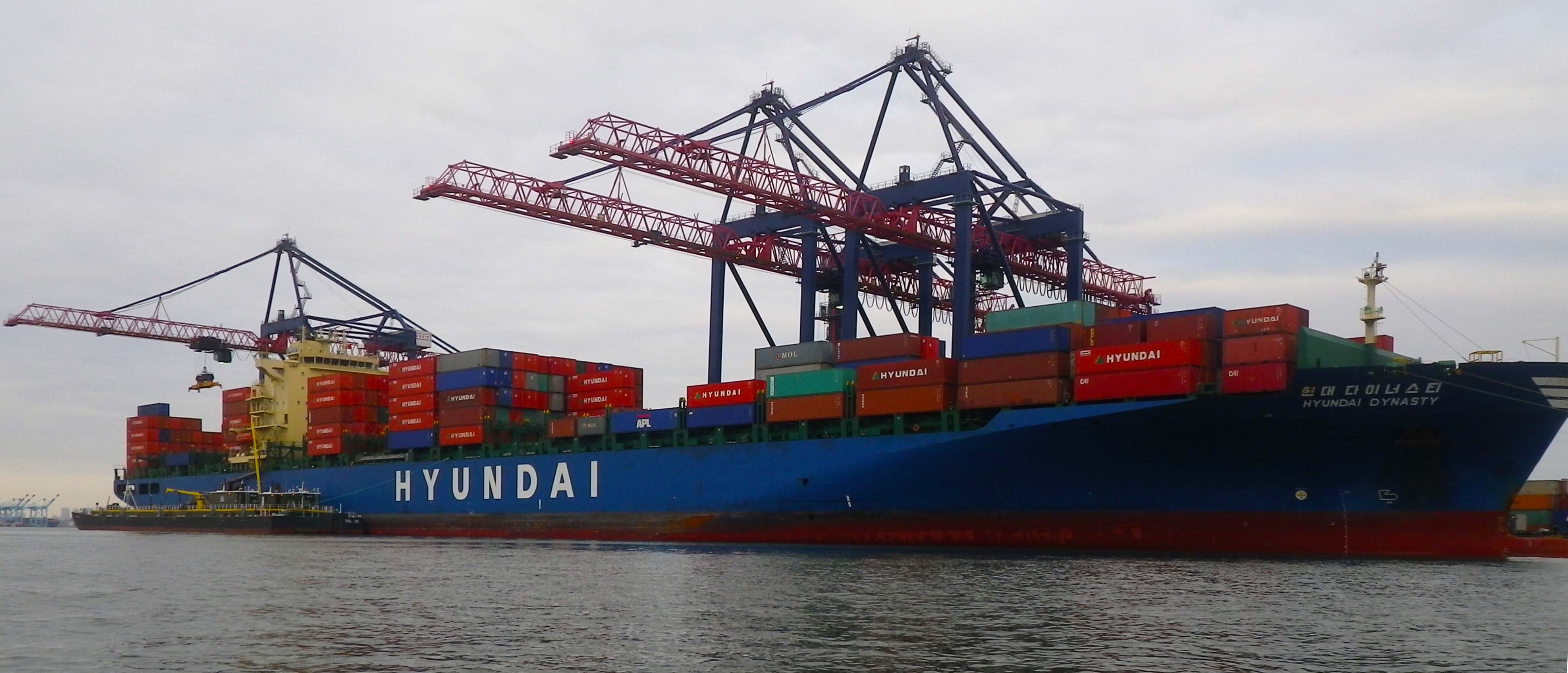
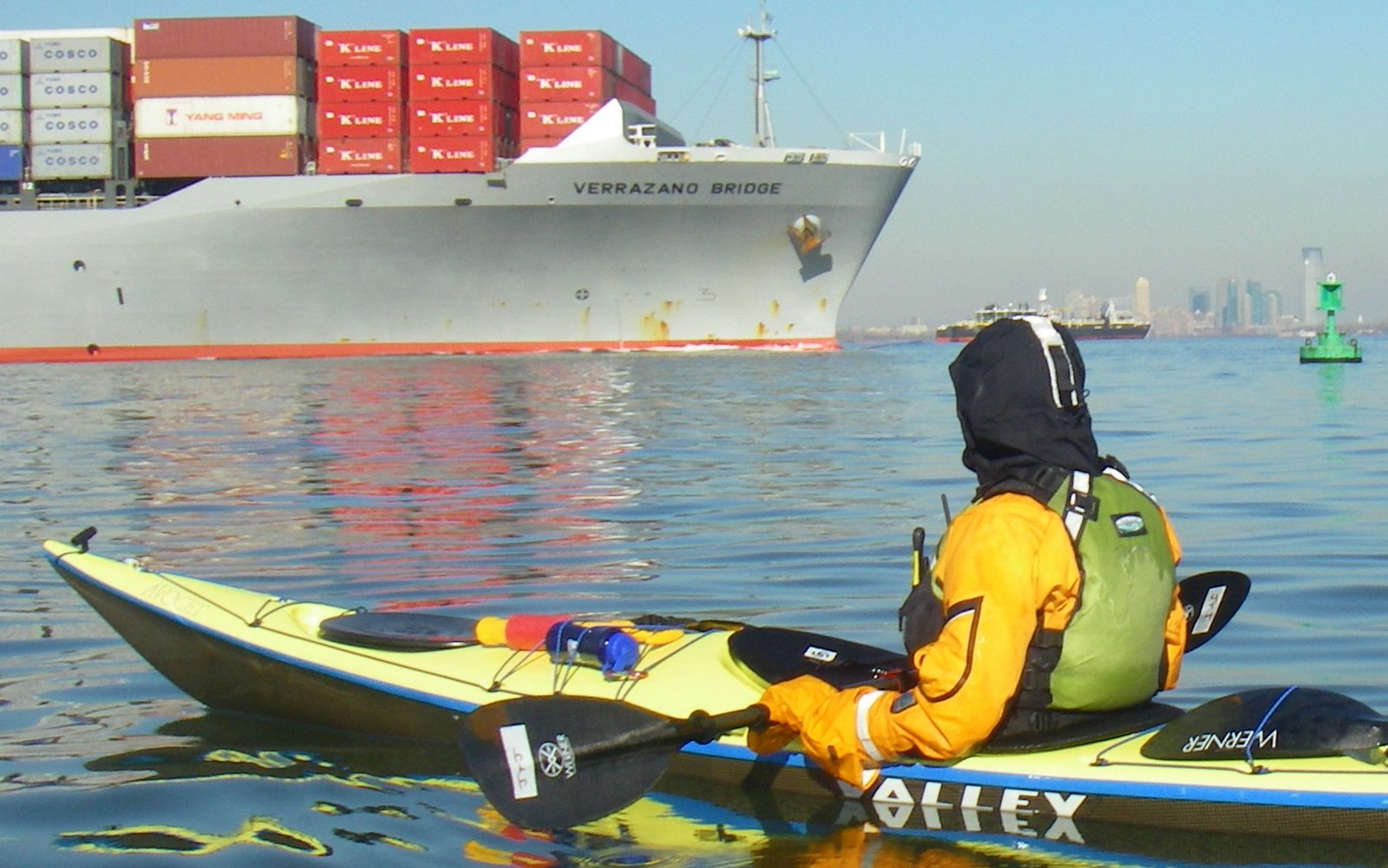
I also happen to be deeply intrigued by shipping containers. One of the great joys of paddling is the up-close-and-personal look you get at shipping containers. Stacked on barges. Loading and unloading from docks. And occasionally, strewn randomly across the landscape.

I marvel at their ingenuity of form, at the fact that they can be stacked so high without (apparently) ever falling over, and lifted and transported securely. I occasionally wonder what it’s like to live in one, given that they’re about as large as the typical Manhattan studio. (Don’t laugh. It’s apparently a growing trend—and it’s eco-friendly to boot.) And of course, I think about the individual who first invented them.

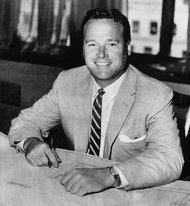
As you’ve probably guessed, the engineer who created the modern shipping container died recently. If you’re too busy to click on the link, here’s the short version: His name was Keith Tantlinger. He died at 92. He lived mostly on the West Coast (California and Washington State) where he worked on tools to build the B-17 “Flying Fortress” bomber during WWII.  And his crucial engineering insight that created the modern shipping container was the Twistlock “locking corner”, a simple and effective mechanism that made it possible to safely stack shipping containers many layers high.

And the smiling photo that accompanies his obituary (taken in 1958, right around the time when he was working on shipping containers) shows a young man enjoying the rush of creativity, and confidently aware that he’s changing the world.

A world that continues to be stranger and more interesting than we’ll ever fully know… which makes me very happy indeed.

Kayak Trip: Manhattan—Sandy Hook

By Vladimir Brezina

On Sunday, Johna and I went kayaking. As usual, we looked up the tidal currents and went where the currents would take us that day. That turned out to be Sandy Hook, NJ.

The trip from Manhattan to Sandy Hook and back is one of our favorite trips. We do it often. It’s a full day’s trip but, with favorable current both ways, not overly strenuous: about three hours there and four hours back, with plenty of time between for lunch. I will give details of how to plan the trip so as to use the currents to best advantage in a future post. But in the meantime, here are some photographic highlights of Sunday’s trip.

Continue reading

Happy Fall!

By Vladimir Brezina

The September Equinox occurred today, September 23, 2011, at 09:04 UTC, or 5:04 a.m. in New York City. And with it, the first day of Fall!

Autumn in New York
Why does it seem so inviting?

It’s autumn in New York
It’s good to live it again.”

To celebrate and anticipate the joys of fall, here is a gallery of fall foliage photos that I took in NYC’s Central Park last year on one spectacularly beautiful day, October 28 (late in the year for peak foliage color, it might seem, but not so in NYC’s urban heat island).

Continue reading

Spam Poetry

By Vladimir Brezina

As surely as a flame attracts moths, a comment box attracts spam—with pretty much the same results. WordPress has an excellent spam filter that kills most spam outright. But occasionally it presents a particularly delectable piece of spam, under quarantine, for our enjoyment.

These spam comments, which the filter has quarantined but not killed outright presumably because it’s not quite sure whether they are spam or not, have a distinctive tone. They are, indeed, like real comments—but from some kind of mad dream.

Continue reading