Category Archives: Kayaking

Mulberries!

By Johna Till Johnson
Photos by Vladimir Brezina
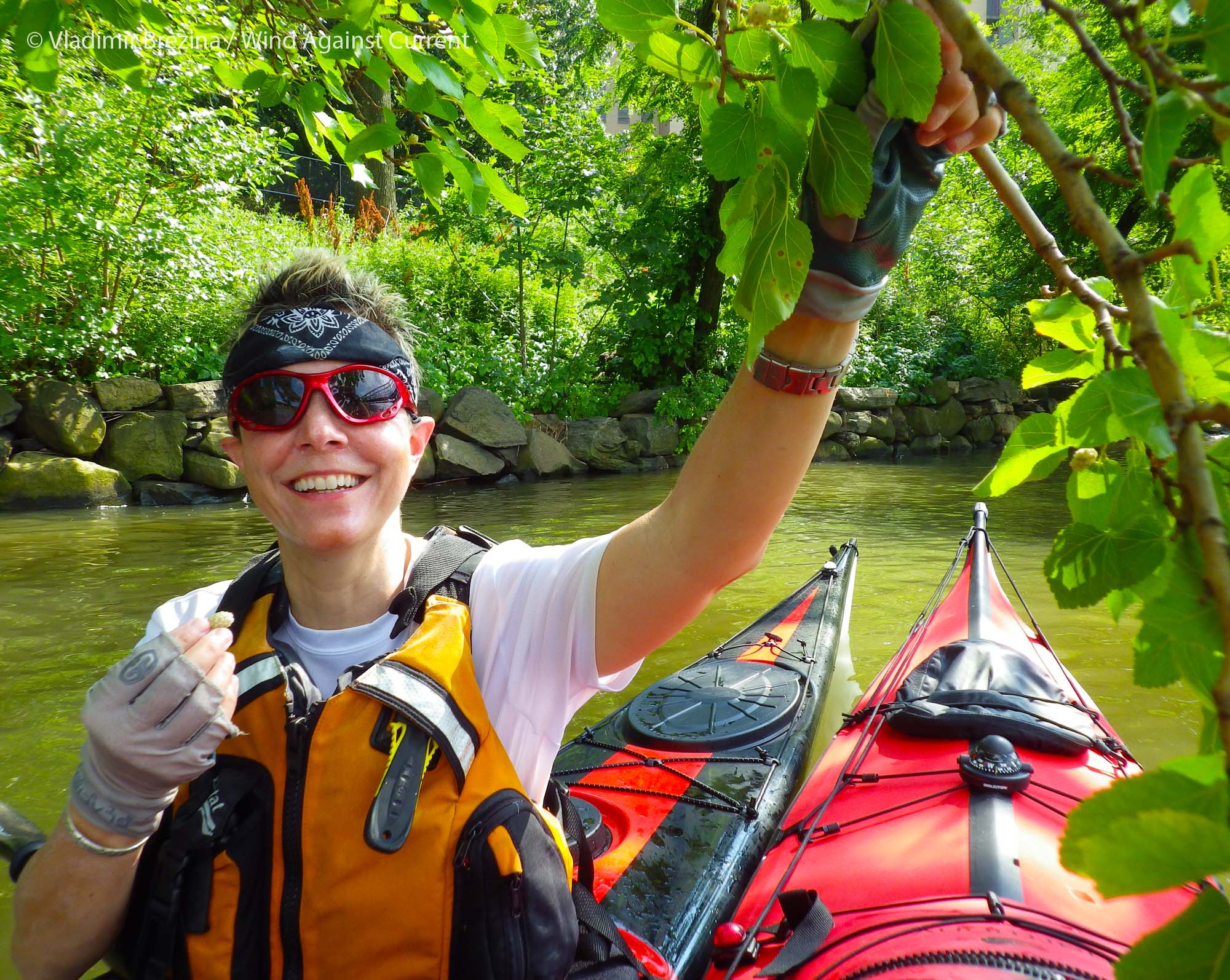
IMGP4390 cropped smallI looked behind me.

Vlad had disappeared.

Both those things were somewhat unexpected. Normally Vlad paddles slightly ahead of me, or we keep pace. But the sun was high and he was uncharacteristically lagging behind, and I thought maybe the  heat was getting to him.

He was on the far side of the Harlem River, over to the East.  And last I’d checked, he’d been paddling away from me, towards the low, almost insignificant, pedestrian bridge that connects Wards and Randalls Islands.

Now he’d disappeared under the bridge. I followed across the Harlem River to see where he was headed. In the several dozen times we’ve circumnavigated Manhattan together, we’ve never gone under that bridge. Never even discussed it. I wondered what had prompted him to do so today.

When I caught up with him, he was stopped, looking curiously at the reeds and marshland in the little cove that opened up past the bridge.

“What made you decide to come in here?” I asked.

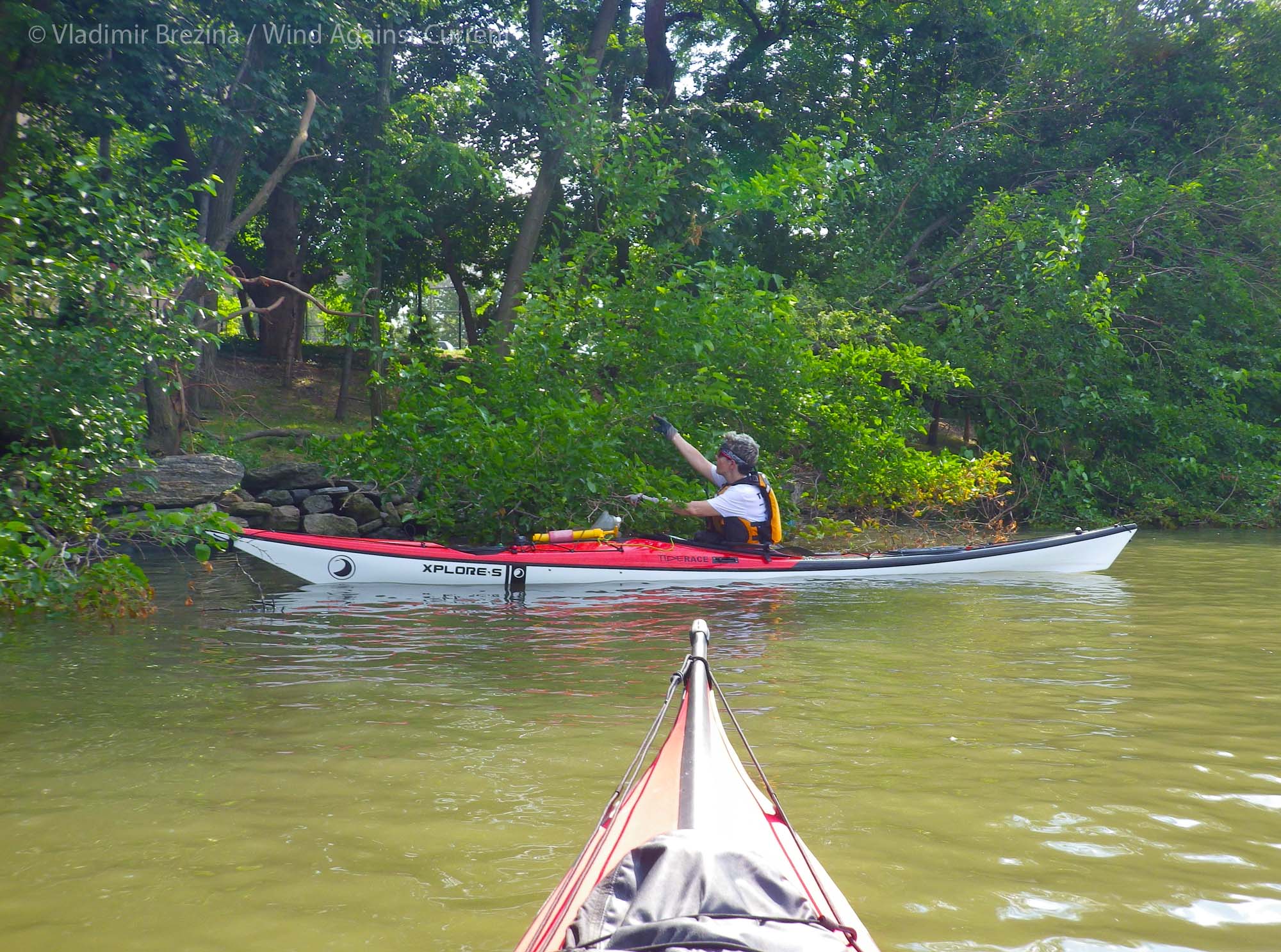
“There’s a place where mulberry trees grow right down to the water. You can pick mulberries right from a kayak,” he said. “Erik Baard has been writing about it for years.” (Most recently here.)

Mulberries? From a kayak?

I looked around. Sure enough, I’d passed several green trees whose branches nearly touched the water. But none of them looked like berry trees.

I paddled closer to Vlad. He explained that we were in the remnants of what used to be Little Hell Gate. It was the strait between Wards and Randalls Islands that, just like “big” Hell Gate still is today, was once an open passage, with fierce tidal currents. But when Robert Moses built the Triborough—now the RFK—Bridge in the 1930s, he joined Wards and Randalls Islands together by blocking off Little Hell Gate at one end to turn it into the placid backwater that we’d entered today.

But what about those mulberries?

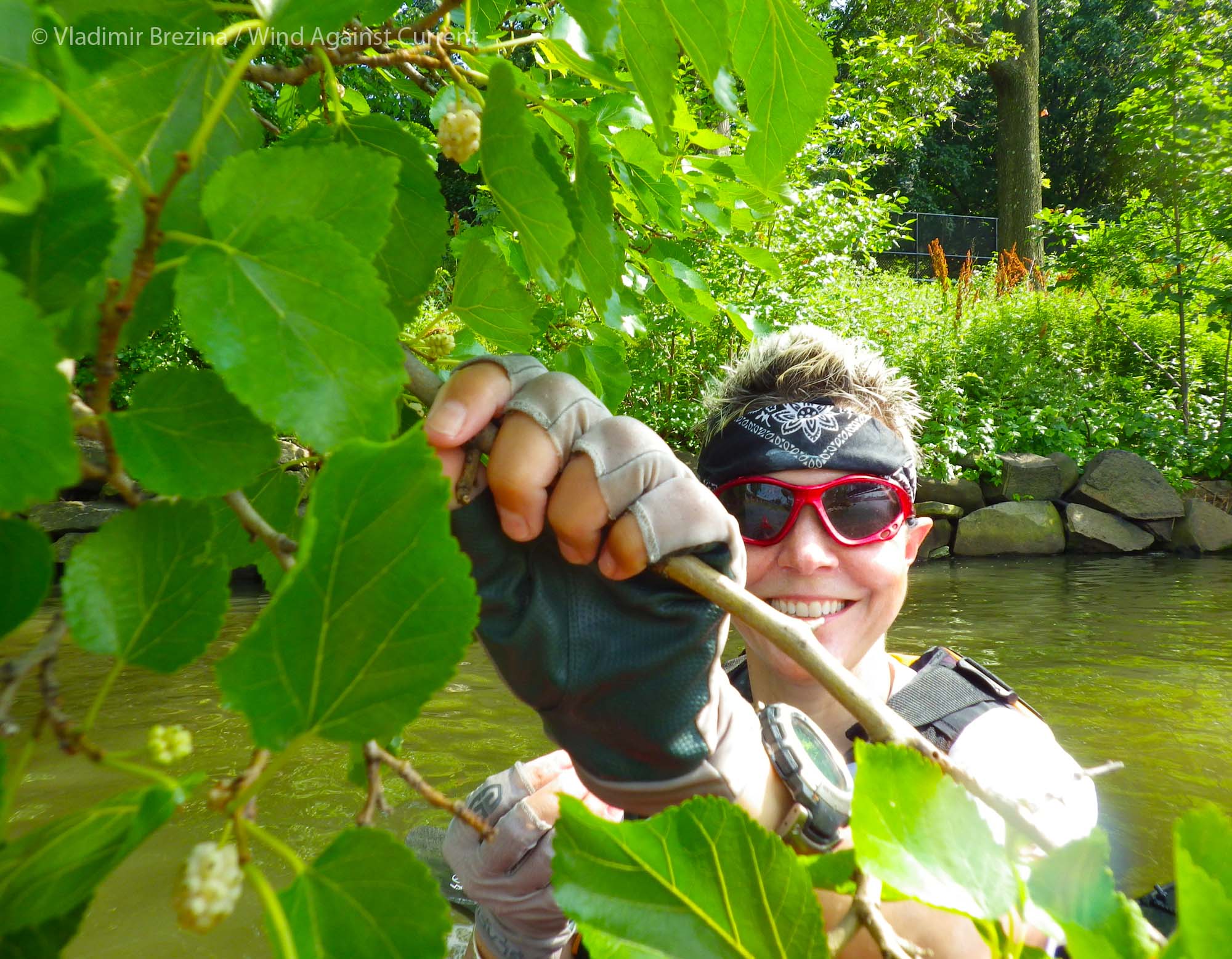
We paddled closer to the green trees and inspected them. It didn’t seem like there was anything much… but wait…  what was that?
IMGP4388 cropped small

A splotch of white against the foliage. Sure enough: White mulberries!

And ripe, too. And surprisingly sweet.

IMGP4391 cropped small

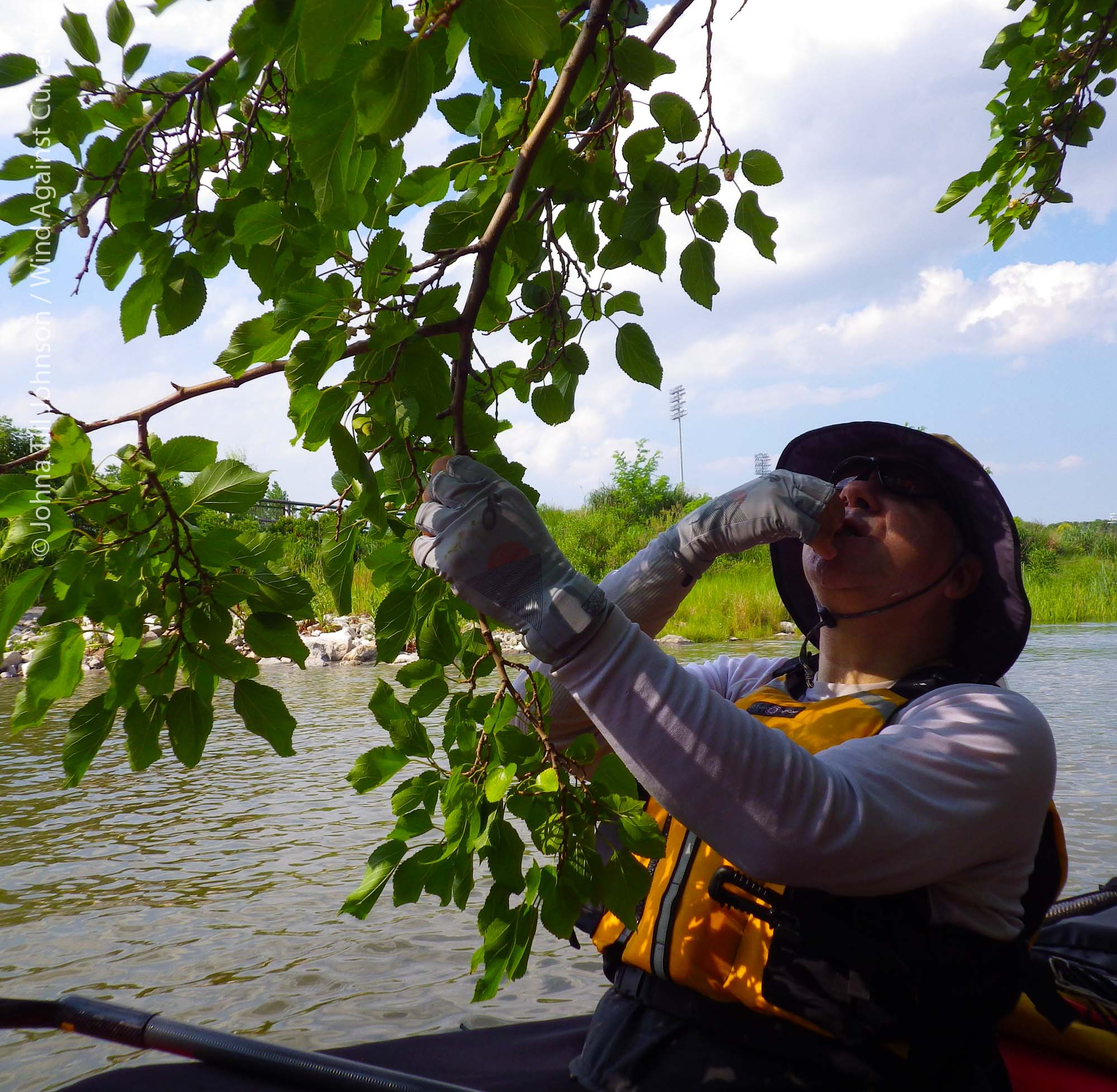
Laughing with delight, we plucked and ate the berries. There were plenty of them—because who else could reach those berries except for kayakers?
IMGP4399 cropped small

“Erik mentioned there were some red ones, too,” Vlad said. We looked at some of the other trees. Wait… what was that? A flash of pink?
IMGP4407 cropped small

IMGP4408 cropped small

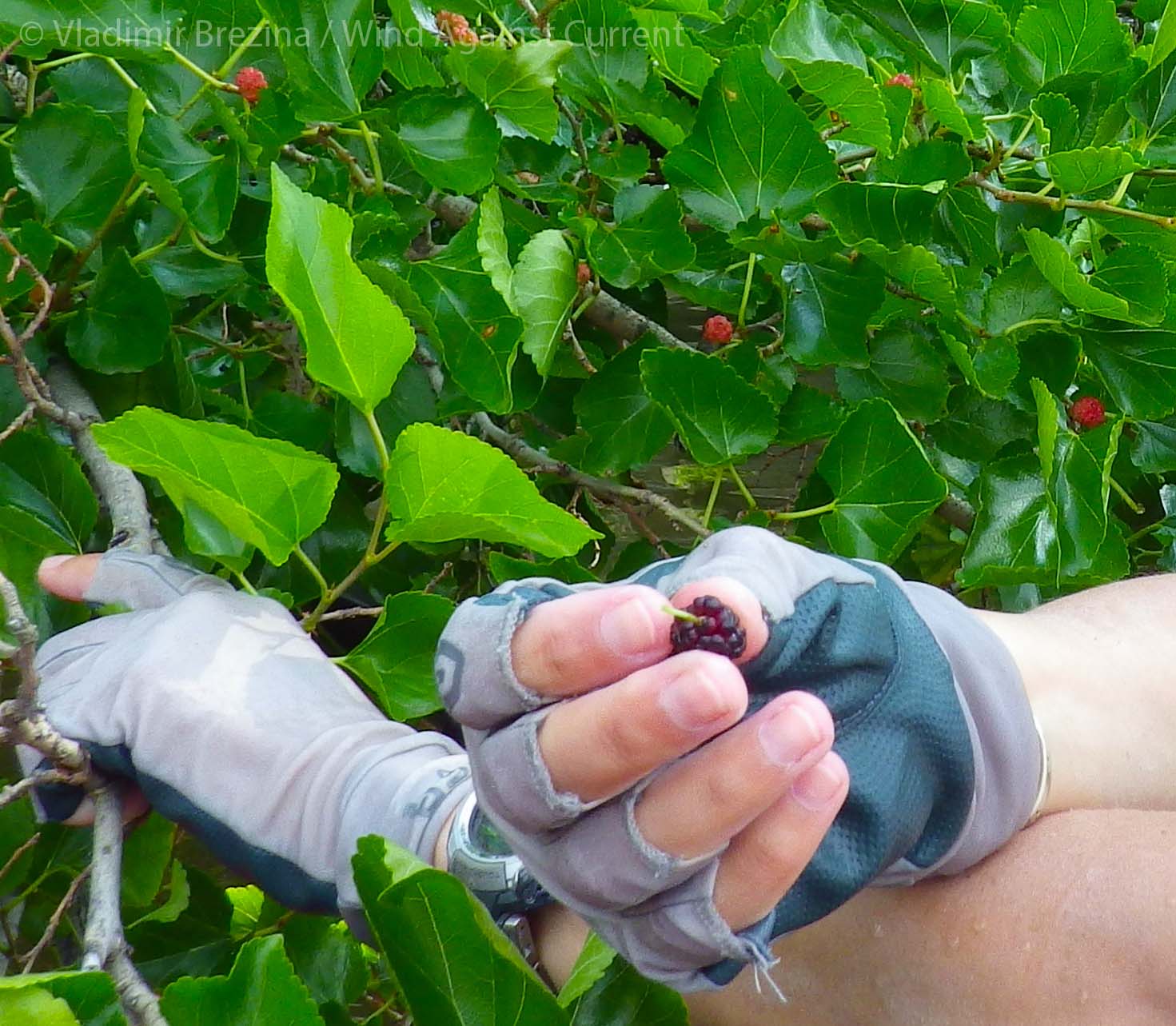
We paddled closer, and sure enough, caught sight of some dark-purple mulberries against the green. (The pink ones were semi-ripe).
IMGP4410 cropped small

More mulberries!

And there are more to come, judging from the quantities of unripe and semi-ripe berries. We hope to be back in the next few weeks to repeat the experience, when the tides are once again right.

Mulberries!

Weekly Photo Challenge: Companionable

By Vladimir Brezina

This week’s Photo Challenge is Companionable.

Rafted up companionably for lunch…

IMGP4486 cropped smallIMGP1105 cropped smallIMGP5105 cropped small

Another interpretation of “Companionable” is here.

Weekly Photo Challenge: The World Through My Eyes

By Vladimir Brezina

This week’s Photo Challenge is The World Through Your Eyes.

Kayaking through New York Harbor, you never know what you’ll see…

IMGP3874 cropped small

Manhattan Island Marathon Swim 2013: Photos

By Vladimir Brezina

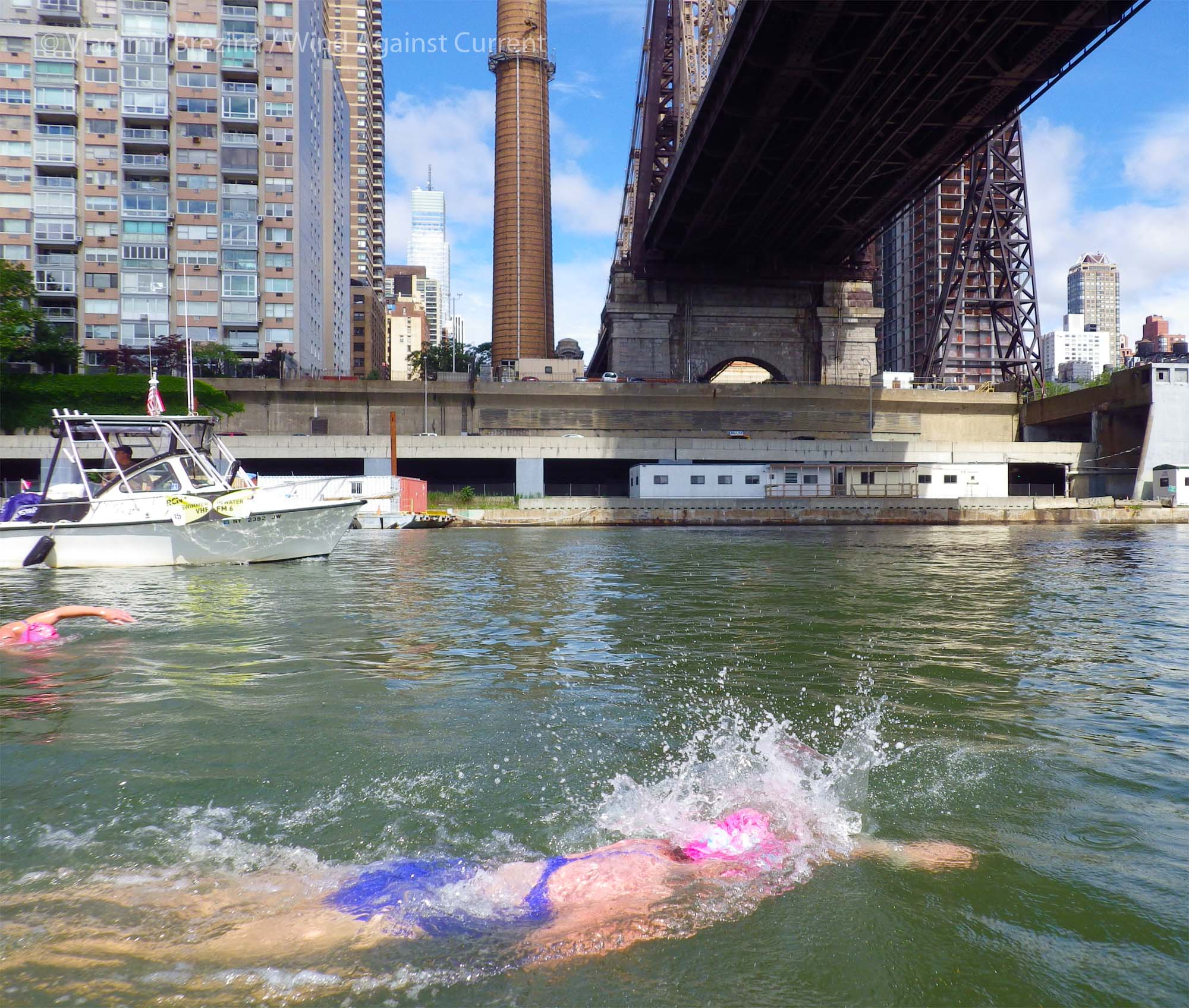
IMGP4221 cropped smallEach summer, NYC Swim organizes a series of shorter and longer swims in New York City’s waterways. The premier event is the Manhattan Island Marathon Swim (MIMS), a 28.5-mile race around Manhattan. Along with the English Channel and Catalina Channel swims, it is one of the three swims in the Triple Crown of Open Water Swimming.

Each swimmer is accompanied by a kayaker (as well as a motor boat). So on Saturday a week ago, I kayaked around Manhattan with swimmer Katy Dooley. Katy already knew all about swimming around Manhattan, having swum in MIMS in 2011 as well as 2012—but in both cases as part of a relay. This was going to be her first solo round-Manhattan swim.

This year’s MIMS turned out to be interesting, to say the least. Due to a cascading series of problems, some traceable all the way back to last year’s Hurricane Sandy, others to the unseasonably cold water, and still others to the heavy rains in the previous couple of days, only 11 of the 39 solo swimmers completed the entire swim unassisted.

But Katy was one of them! She powered through, finishing 5th (and 2nd woman) in 7 hours, 44 minutes. And by completing her swim around Manhattan, she became only the 69th swimmer to join the elite club of Triple Crown open water swimmers. A major accomplishment on a very difficult day—and inspiring to watch from close up!

I’ll write more about the swim in a future post. (My writeups of MIMS 2011 and 2012 are here and here.) But in the meantime, here are some of the photographic highlights of MIMS 2013.

Continue reading

Friendly Creatures: Kayak Camping in Florida, Part 1

By Johna Till Johnson
Photos by Vladimir Brezina

Prelude

IMGP1464 cropped small

All set to launch!

“And I want to see a manatee,” Vlad said.

We were discussing our goals for our upcoming kayak camping trip along the Gulf Coast of Florida.

The primary goal was to familiarize ourselves with the route of the WaterTribe Everglades Challenge, a 300-mile race from Tampa Bay to Key Largo that we hope to paddle next year.

It’s held every March, and is open to all forms of small non-motorized boats, whether human- or wind-powered (the wind-powered boats usually win).  There’s no fixed route—competitors simply need to get themselves from the start to the finish in the space of 8 days, although they must check in at three intermediate checkpoints.

It sounds straightforward enough, but there are plenty of reasons  it’s called a “challenge” (including a few that we learned on this trip).

First is the sheer length, which requires paddlers to clock upwards of 30 nautical miles per day.  Then there’s navigation, particularly if you opt for traversing the mangrove swamps in the Everglades. Your sea kayaking skills need to be up to snuff as well, since at least part of the route will take paddlers out on the open Gulf.  Making and breaking camp quickly and efficiently can be its own challenge (as we were soon to find out).

And finally, there are the dangerous animals: Alligators and snakes, but also raccoons (which reportedly love to steal kayakers’ food) and all manner of smaller biting and stinging critters, from mosquitoes to scorpions.

We’d originally intended to paddle the Everglades Challenge this past February, but Hurricane Sandy knocked those plans for a loop by damaging Pier 40, our customary launch place. Since we couldn’t paddle for much of the winter, we were woefully out of shape.

And to be honest, we weren’t really ready to tackle the Everglades Challenge. We’ve done a lot—but we’d never participated in a  Florida race that required kayak-camping.

That’s why we decided to start with a trial run: this trip. Our goal was to spend a week or so doing a stretch of kayak-camping along the route of the Challenge, to get a feel for the terrain and what we’d be facing.

And, as Vlad noted, to experience some of the wilderness, including those dangerous creatures. On the bright side, we hoped to see a manatee (or two). As it turned out, we met more creatures than we’d bargained for!

Continue reading

Weekly Photo Challenge: The Sign Says, Take Two

By Vladimir Brezina

This week’s Photo Challenge is The Sign Says.

Kayaking out on open water, we meet few signs. But as soon as we come in to land, signs abound. Some of them do their best to be unavoidable. Nevertheless, we sometimes manage to avoid them—

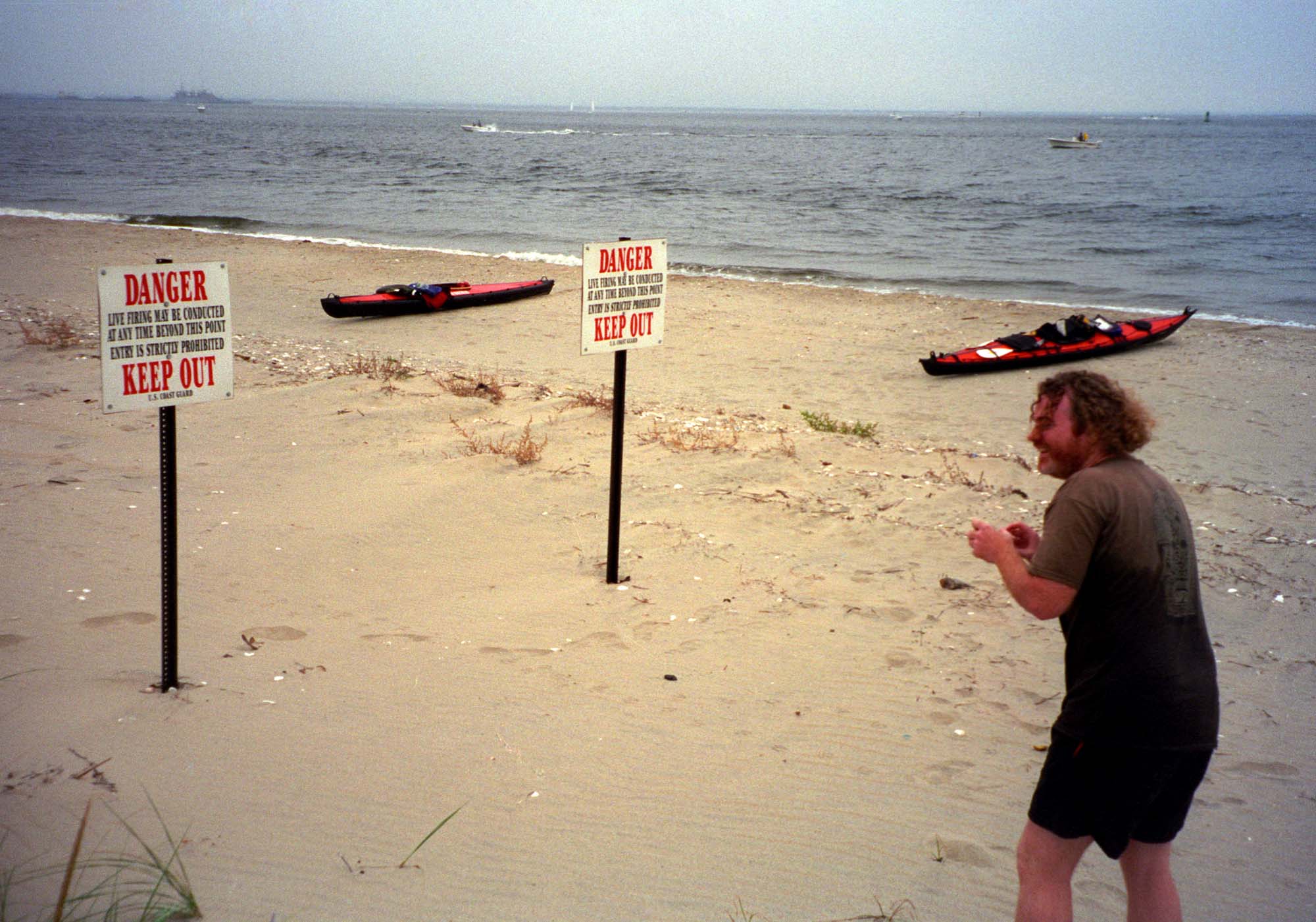
Some years ago, Erik Baard and I paddled down from Manhattan and landed on the beach near the northwestern tip of Sandy Hook. We had a leisurely lunch, took a stroll along the beach, lazed about, and after a couple of hours were ready to paddle back to Manhattan. But just before we launched, we thought that we might, just out of curiosity, find out what those two big signs that stood there, facing away from us, said…

n_r10afatqura0022 cropped smalln_r10afatqura0022 cropped small detail 1

And not far from that spot was another, complementary set of signs that helped complete the image of Sandy Hook, at least in those pre-Hurricane Sandy days…

.

.

.

(Our first interpretation of “The Sign Says” was here.)

Bigger IS Better!

By Vladimir Brezina

As with my kayaks

DSC_0033 cropped small

My Feathercraft folding kayaks. Left to right: K-Light (1990s), K1 (2000s), Heron (2012). Increasing in overall length from 12′ 10″ (K-Light) to 17′ 7″ (Heron).

so with my cameras

DSC_0192 cropped small

My Pentax Optio waterproof cameras. Left to right: W90 (2010), WG-2 (2012), WG-3 (2013). Increasing in weight from  5.7 oz (W90, with battery and memory card) to 7.4 oz (WG-3).

I’ve noticed a progressive hypertrophy ;-)

Weekly Photo Challenge: Escape, Take Two

By Vladimir Brezina

This week’s photo challenge is Escape. We’ve already posted photos of the sort of passive escapees that we see on our kayak travels, but here’s a more active one…

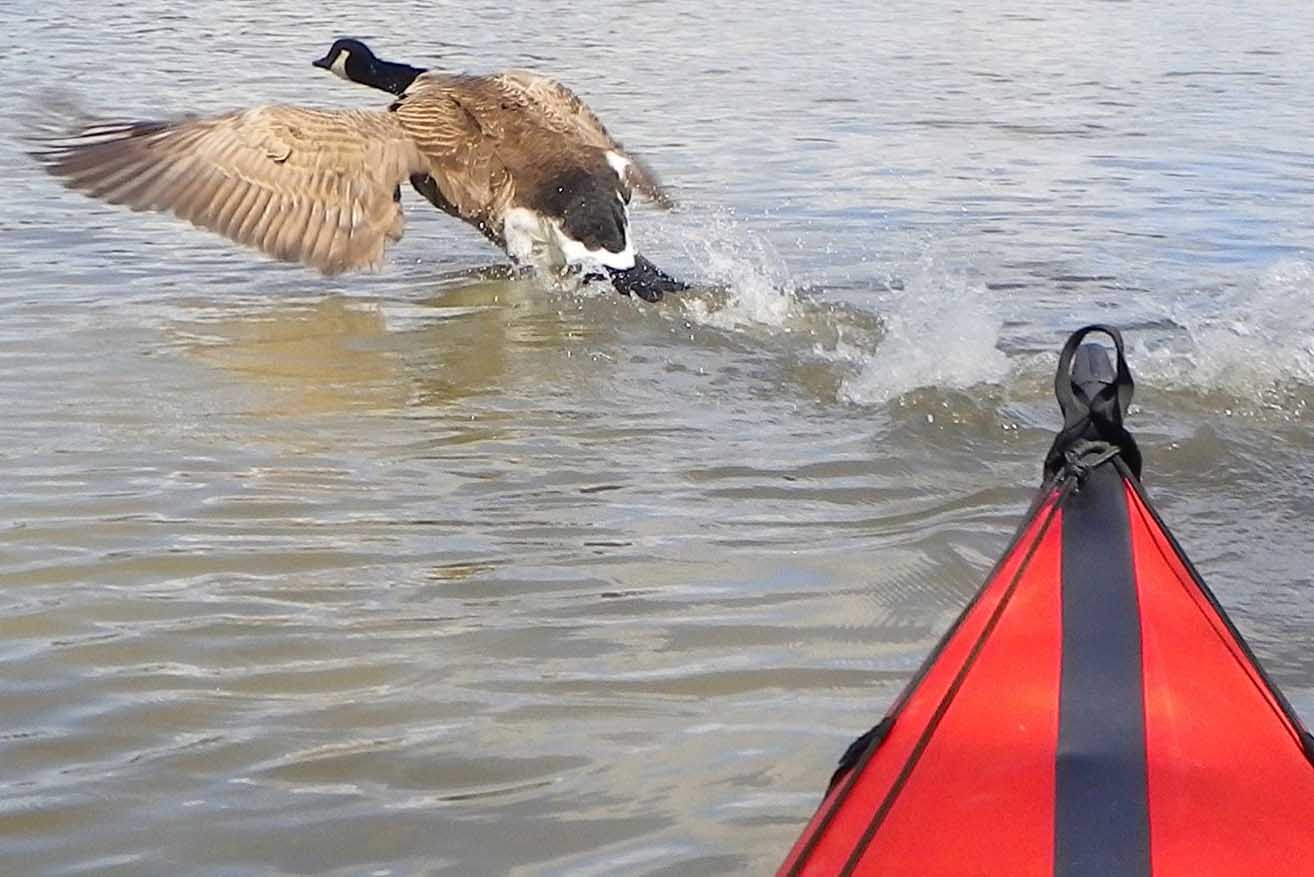
IMGP0093 cropped

This happens often. The bird—around here, it’s usually a Canada goose or a mallard duck—will just sit there until the last possible moment, not quite believing that this is happening…

Then it will take off. But more often than not, especially on a narrow river, it will land just a short distance in front, still in the path of the kayak. And a minute or two later the entire performance will repeat… One time I had a duck repeat its escape, with greater and greater exasperation, seven or eight times in a row until it finally got the message that it should circle round and land behind the kayak.

(We usually try to paddle around the birds if we can, especially in winter when they need all their energy. But when there are birds sitting everywhere on the water, it’s hard to avoid them  all.)

Ducks do seem to be relatively slow learners. Gulls, on the other hand… By now we have a pretty good idea of the distinct ways in which different bird species interact with passing paddlers. But that’s material for another post… ;-)

Weekly Photo Challenge: Escape

By Vladimir Brezina

This week’s Photo Challenge is Escape.

Congrats on a successful escape!

IMGP5537 cropped small

until recaptured, of course—

IMGP5538 cropped small

(From Day 5 of our 2012 Long Island kayak circumnavigation)

And here‘s a more active escapee…

Travel Theme: Beaches

By Vladimir Brezina

Ailsa’s travel-themed photo challenge this week is Beaches.

Walking out onto the beach at dawn

DSC_0025 cropped small

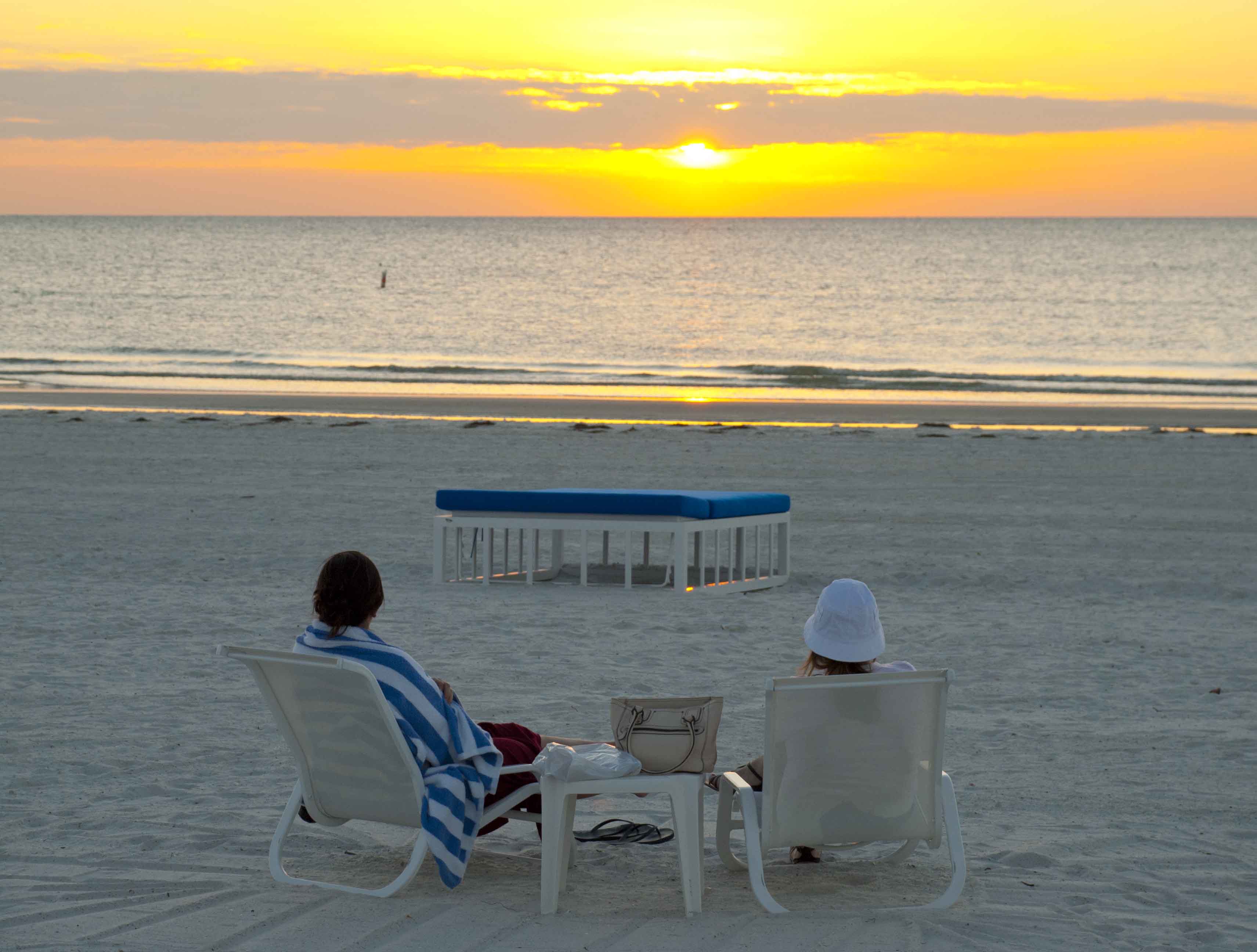
or relaxing on it at sunset

DSC_0286 cropped small

the beach is a magical place…

But as kayakers, we look on beaches with a practical eye. And there’s always something to complain about.

The beach might vanish underwater at high tide—

IMGP0534 cropped small

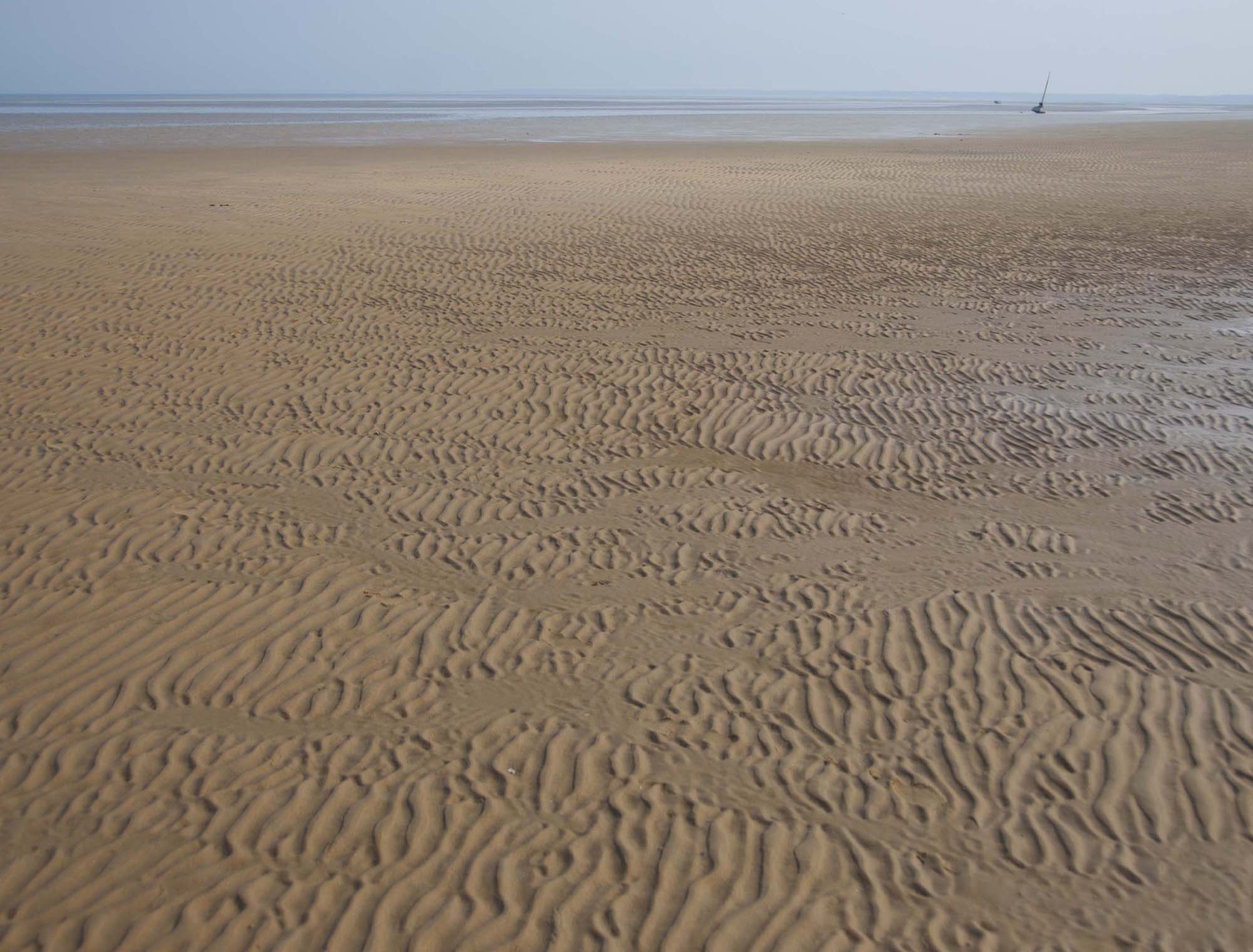
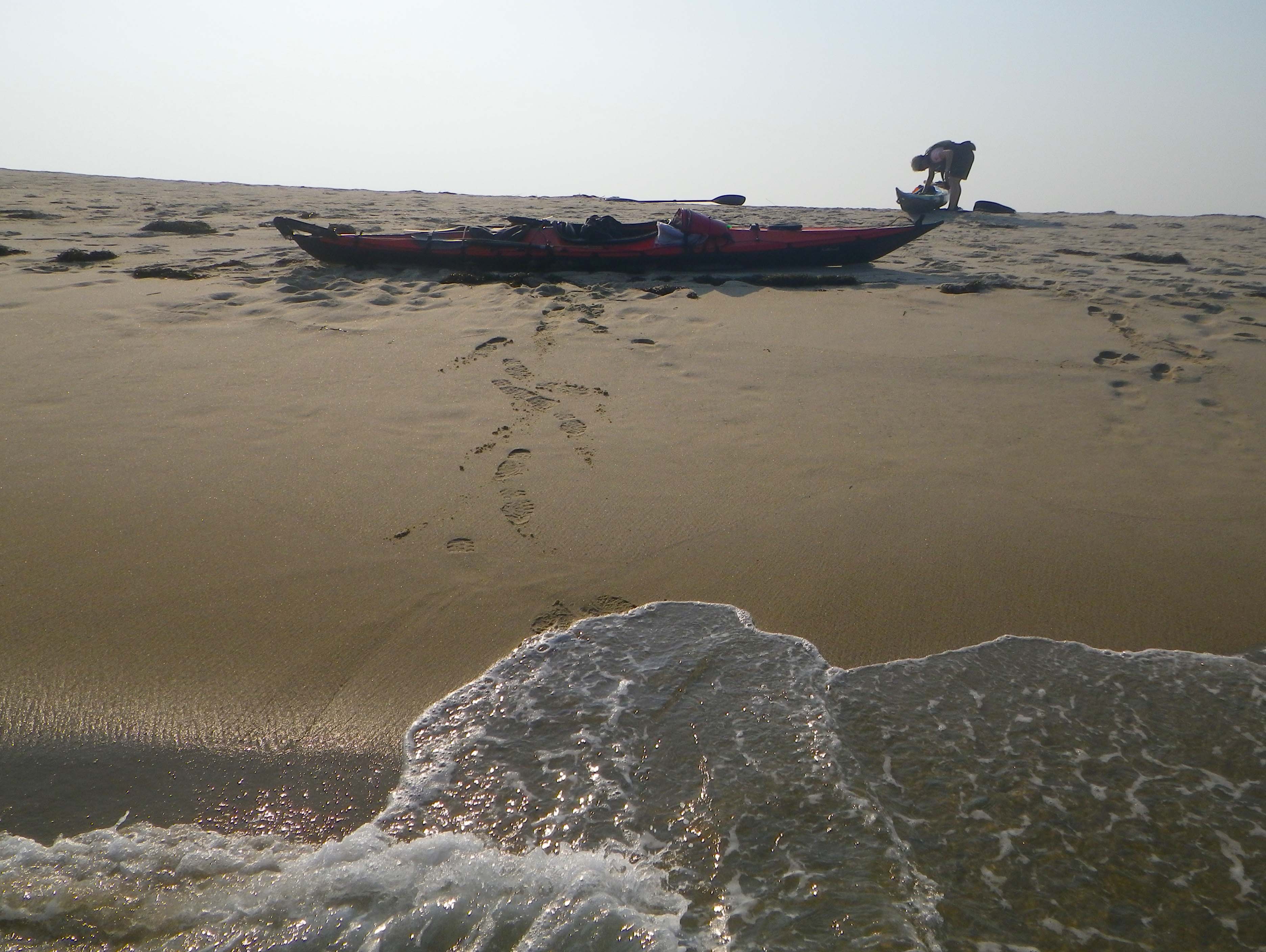
or be painfully broad at low tide—

DSC_0076 cropped smallIMGP1564 cropped small

Too steep—

IMGP3704 cropped small
(full story is here)

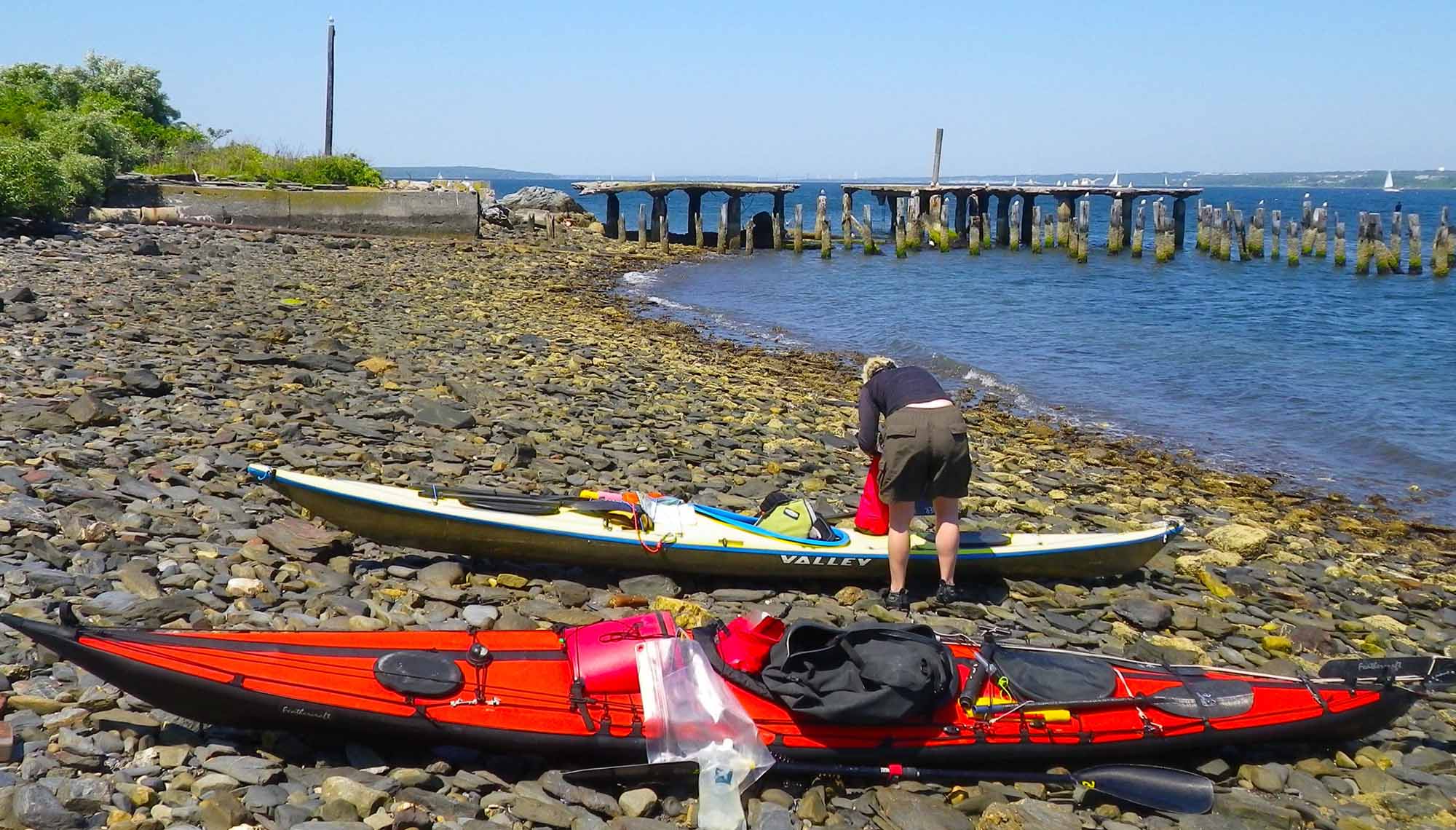
Too rocky—

IMGP1389 cropped small

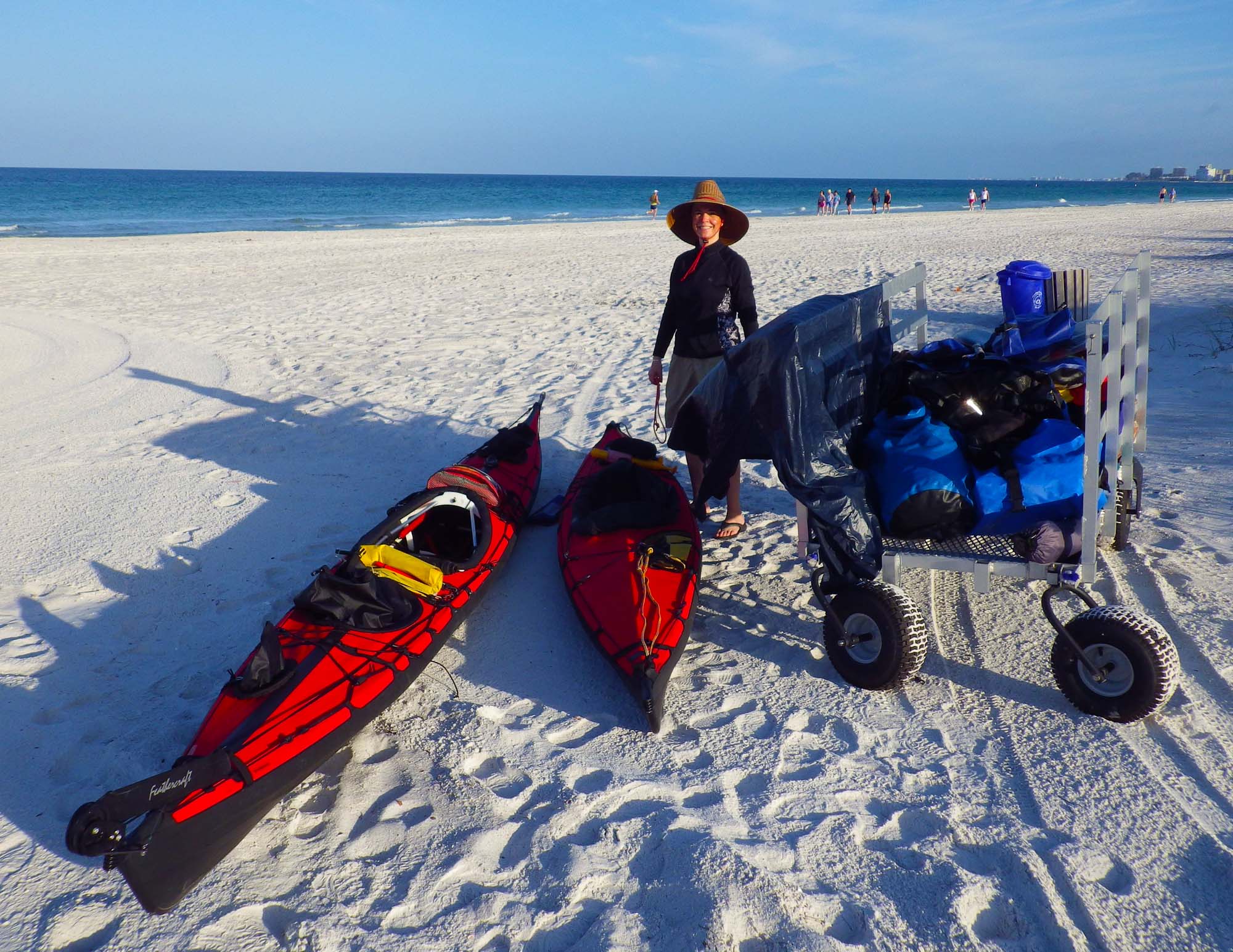
or, on the contrary, too sandy (sugar-fine sand, no matter how magical it might be otherwise, gets in everything)—

IMGP1456 cropped small

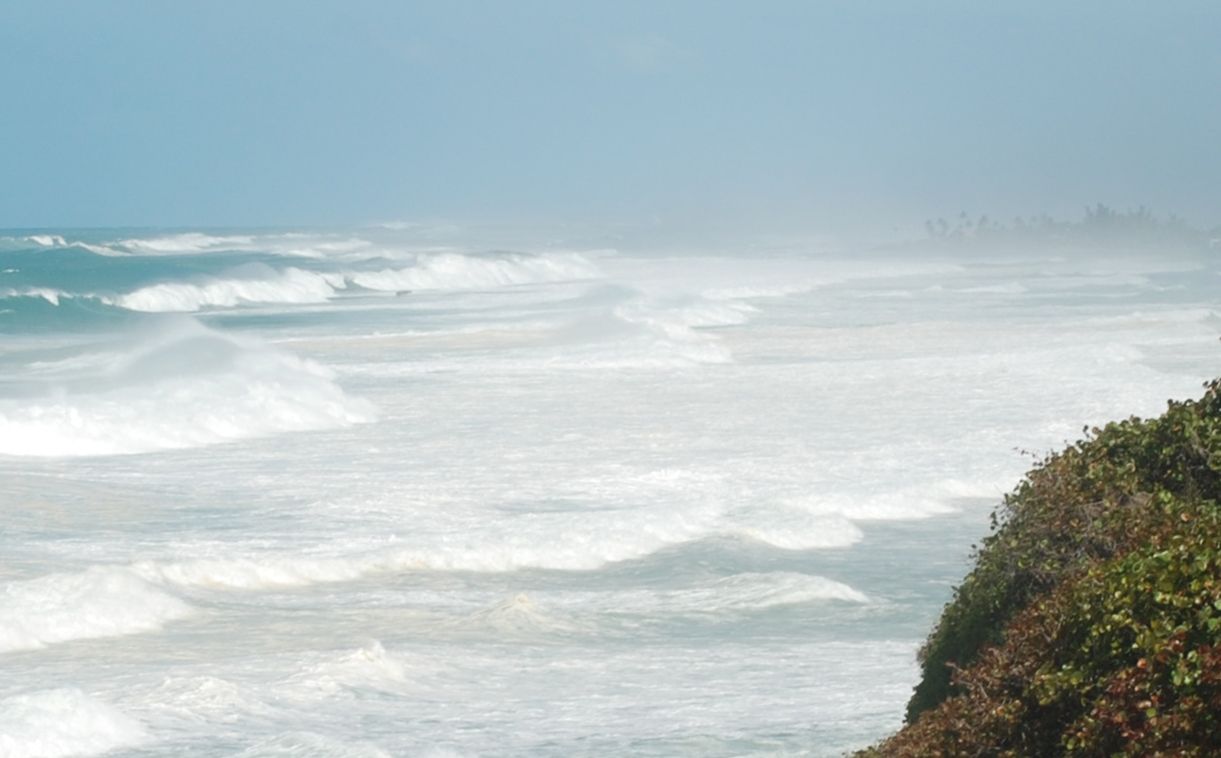
Too much surf—

DSC_0063 cropped 2

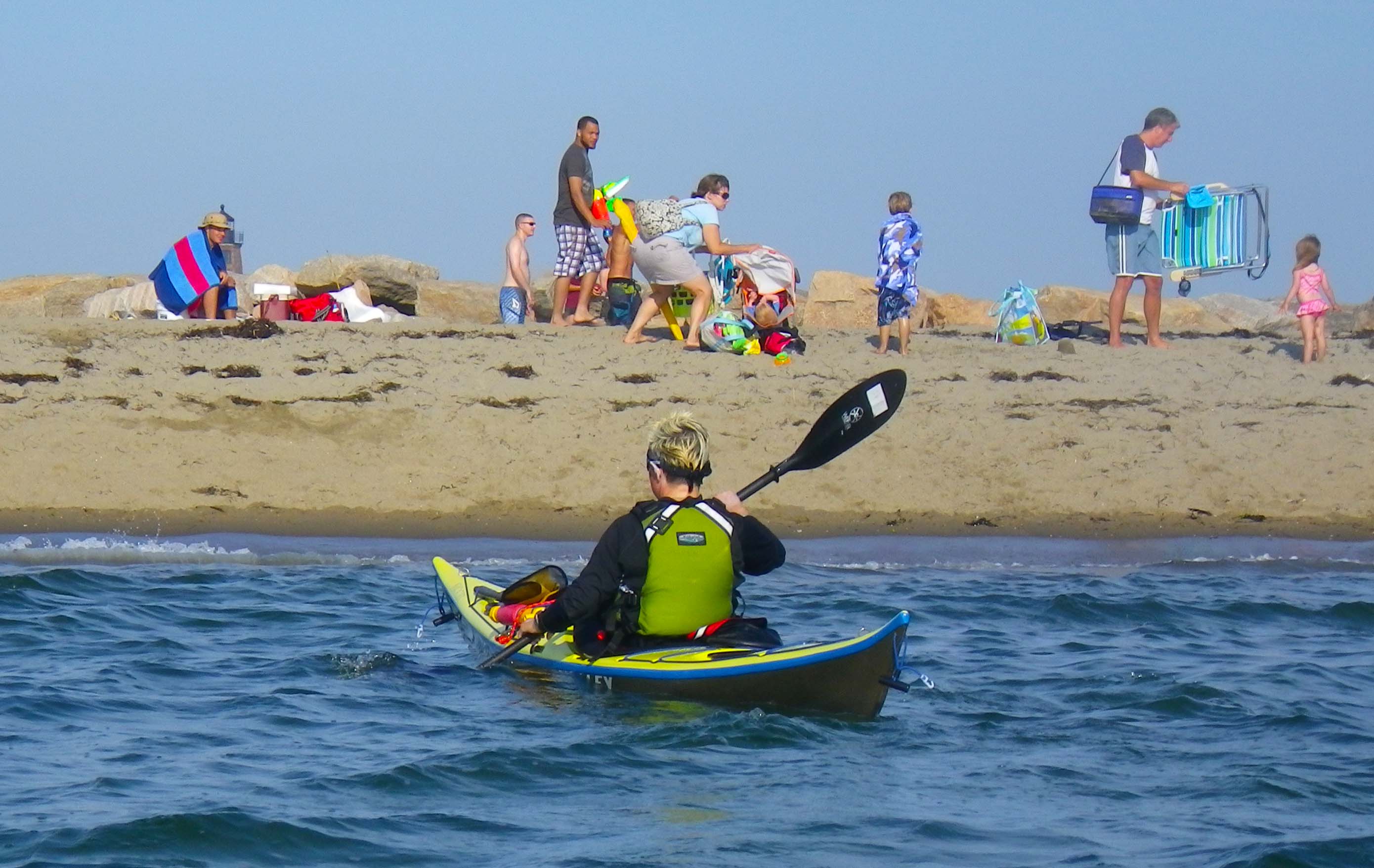
Too many people—

IMGP1290 cropped small 2

But sometimes, just sometimes, we land on that perfect beach, not too narrow, not too broad, not too steep, with waves lapping gently on the soft sand, where we are alone, where the dusk and dawn are truly magical…

IMGP4685 cropped small