Category Archives: Science and Technology

Harbor Water Wheels, Decorative and Practical

By Vladimir Brezina

As we paddle along the Hudson River Long Timepast the piers on Manhattan’s West Side, we pass there, on Pier 66, a large water wheel. Sometimes it is slowly turning as its blades dip into the tidal current that is streaming past. It is a work of art.
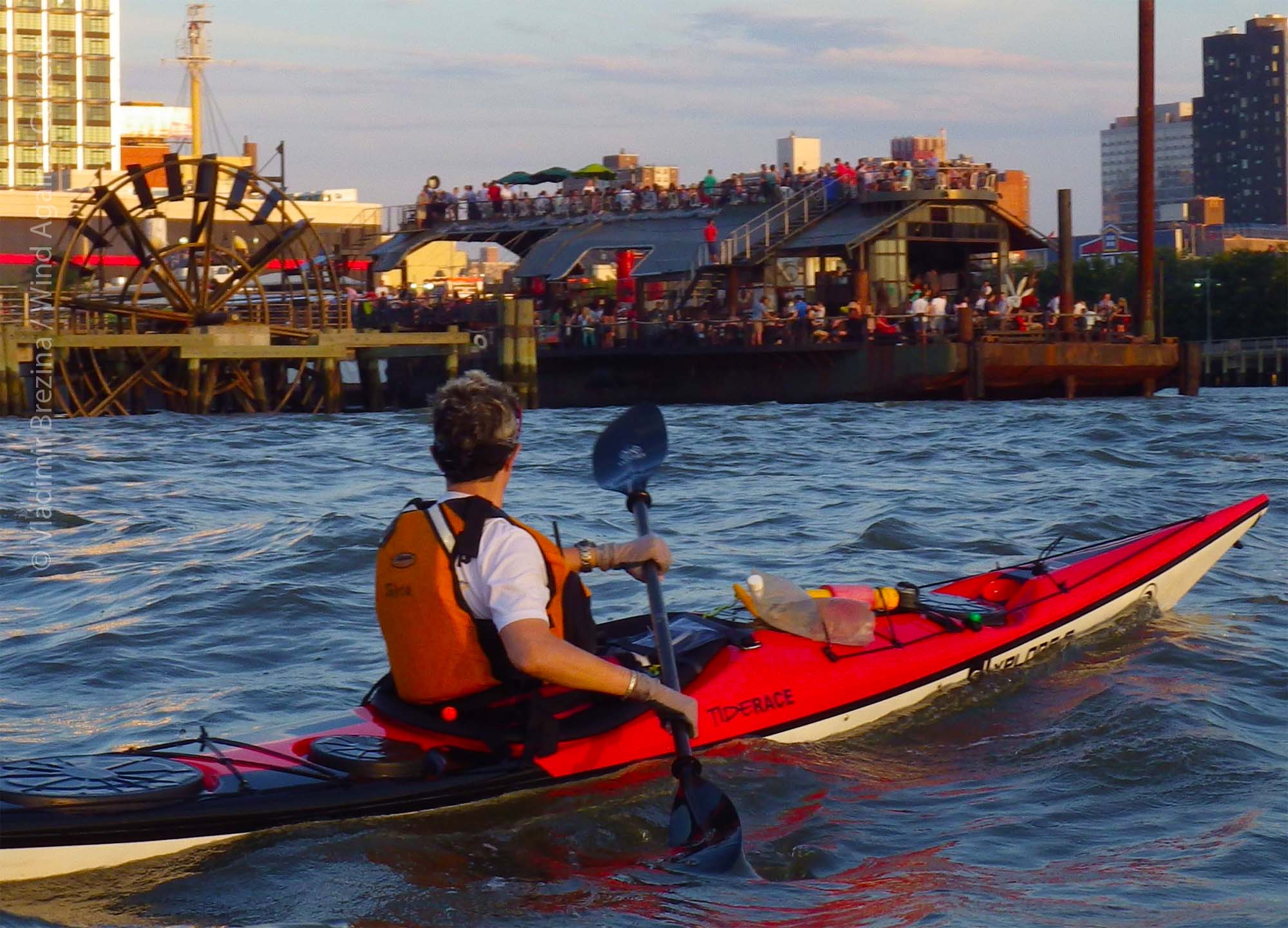
Long Time

It is in fact Long Time, by Paul Ramirez Jonas. The concept is simple: The wheel is connected to an odometer that counts the wheel’s rotations. But the piece has large ambitions. The artist is quoted as saying he wanted to create a piece to represent human existence. “It was created with the improbable goal of marking the duration of our lives, species, civilizations and even the planet… [but] its more immediate intent is to place human existence within a geologic time frame… The wheel will rotate indefinitely until it breaks down, or the river changes course, or the seas rise, or other unpredictable circumstances stop it.”

And those unpredictable circumstances have already occurred. After only 67,293 rotations since the wheel was installed in 2007, in 2011 the floodwaters of Hurricane  Sandy stopped the odometer. Repairs are not high on the priority list.

However, the wheel itself “is pretty darn sturdy. It was actually happy during Sandy, because it likes the deeper water. You should’ve seen it spinning.”

*   *   *   *   *

The Long Time wheel had to be made sturdy enough to resist, among other things, the impact of trash floating in the water. So why not go a step further, and use the rotation of the wheel to pick up the trash?

Last weekend, we visited Baltimore, Maryland. And, walking around the Inner Harbor, we spied from a distance a familiar shape—a water wheel. At first we thought that, like Long Time, it was an artwork of some kind. But when we came closer, we realized that it was something more practical.
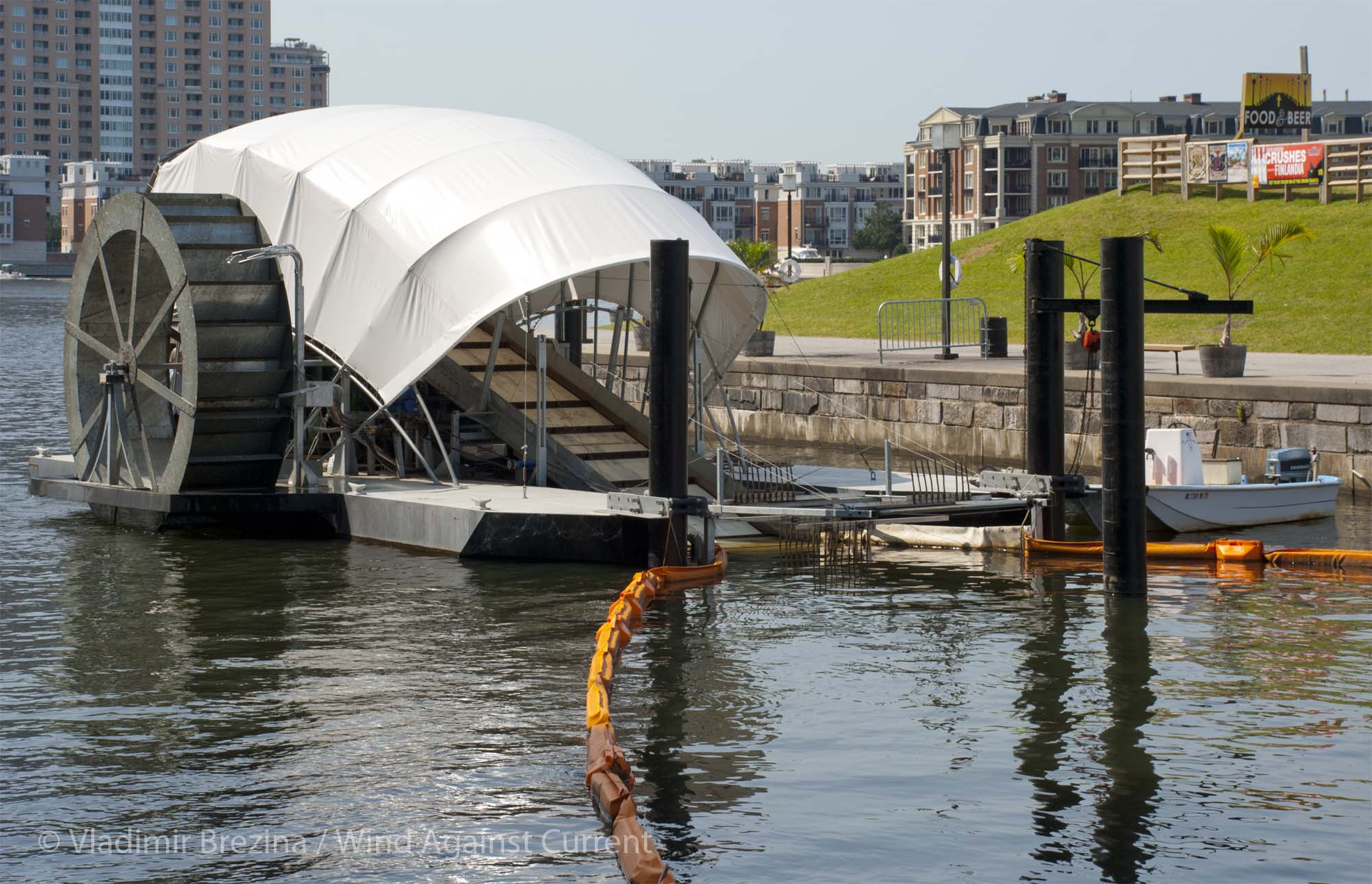
Baltimore water wheel 1
Baltimore water wheel 2

This water wheel is a trash collector.

It’s mounted on a floating platform moored at the point where Jones Falls, a river that drains quite a large watershed to the north of the city—and brings down a corresponding amount of floating trash—empties out into the Inner Harbor. The river current drives the water wheel. (There is also solar power for days when the river current is too weak.) The wheel in turn drives a series of rakes and a conveyor belt. The rakes rake the trash, already concentrated by floating booms, up onto the conveyor belt, which deposits the trash into a floating dumpster. Simple!

And yes, it is also a work of art.

More detailed photos of the trash collector are here, and here is a video of it in operation:

The trash collector can collect up to 50,000 lbs of trash per day. By all accounts, although it hasn’t been operating long yet, it’s already made a very promising contribution toward solving Baltimore Harbor’s trash problem. It’s been much more effective, at any rate, than the old way of picking up the floating trash with nets from small boats. “After a rainstorm, we could get a lot of trash in Baltimore Harbor. Sometimes the trash was so bad it looked like you could walk across the harbor on nothing but trash.” Last weekend, as we walked around it, the harbor looked remarkably clean.

Much cleaner, in fact, that some parts of New York Harbor. And we can think of a number of rivers draining into New York Harbor where such a trash collector could be ideally positioned.
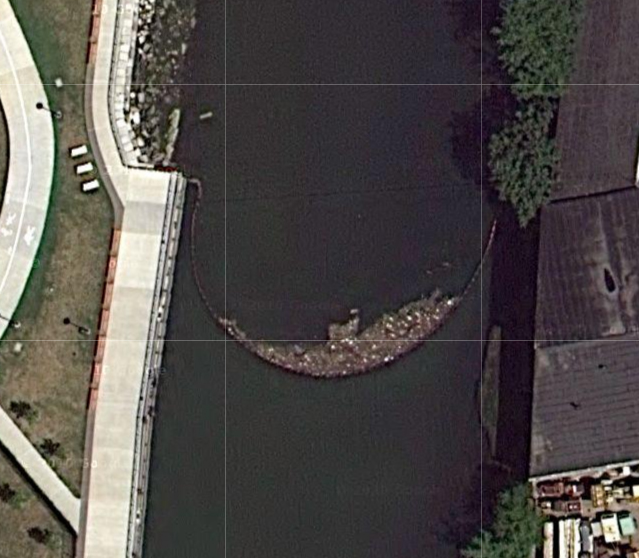
Google Maps: Skim Boom in the Bronx RiverTake the Bronx River, for instance. It already has a floating boom to hold back the huge amount of trash that floats down the river—trash that must be periodically removed. A water wheel would do the job effortlessly.

Skim boom in the Bronx River

So, let’s hope there are more water wheels, not merely decorative but also practical, in New York’s future!

________________________________________________________

More details about Baltimore’s water wheel can be found here:
Cardboard Kayak Race, Redux

By Johna Till Johnson
Photos by Vladimir Brezina

Cardboard-kayak-race-100

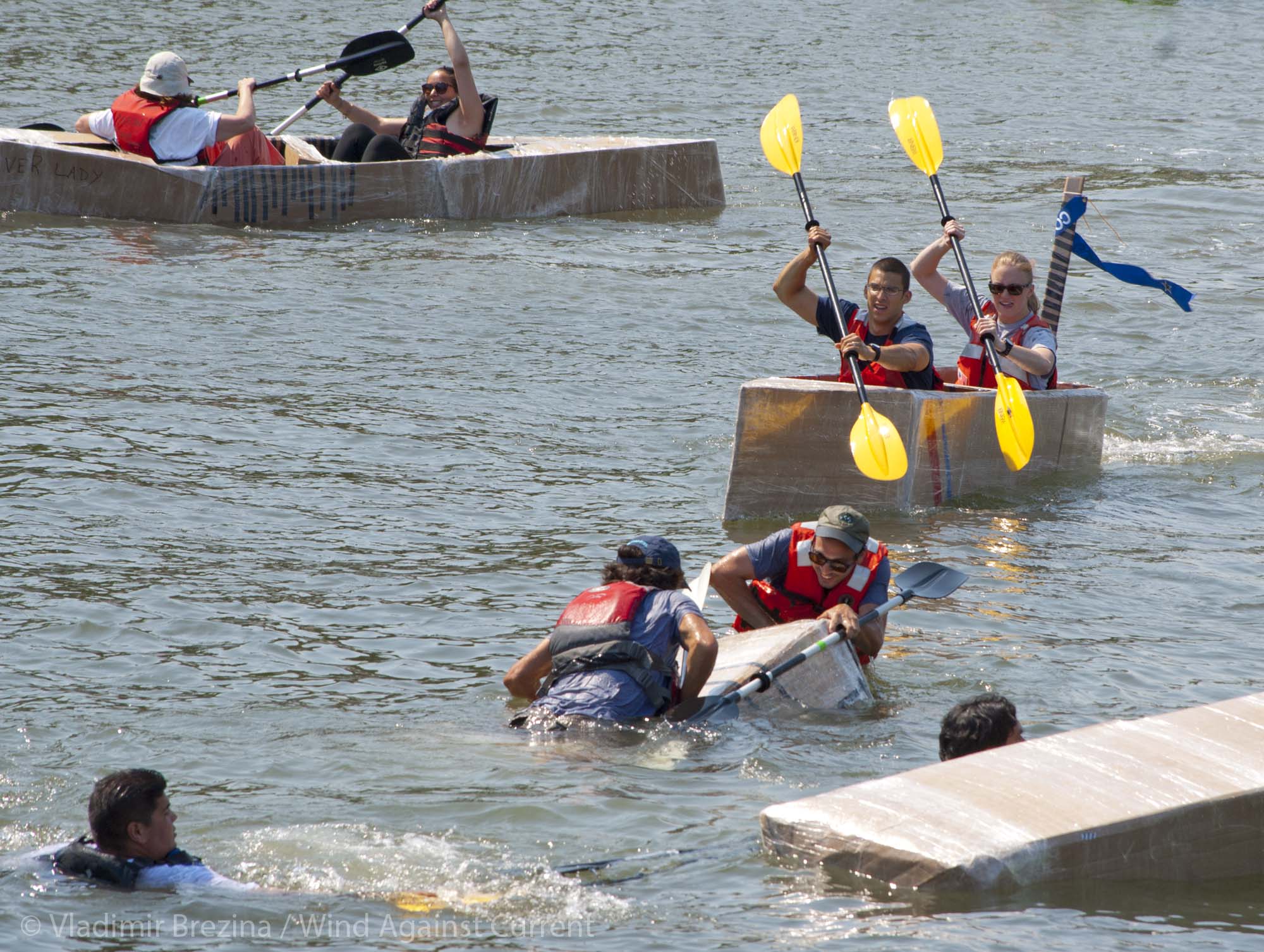
Last year, I wrote about the first annual Cardboard Kayak Race, held on City of Water Day at Governors Island.  This year, I was in it!

No, it’s not what you’re thinking. We didn’t build a boat out of cardboard and then race it. But others did! And I was part of a fleet of “safety kayaks” whose job it was to rescue paddlers whose cardboard boats sank (and fish out the sodden detritus).

Continue reading

Weekly Photo Challenge: Room

By Vladimir Brezina

This week’s Photo Challenge is Room.

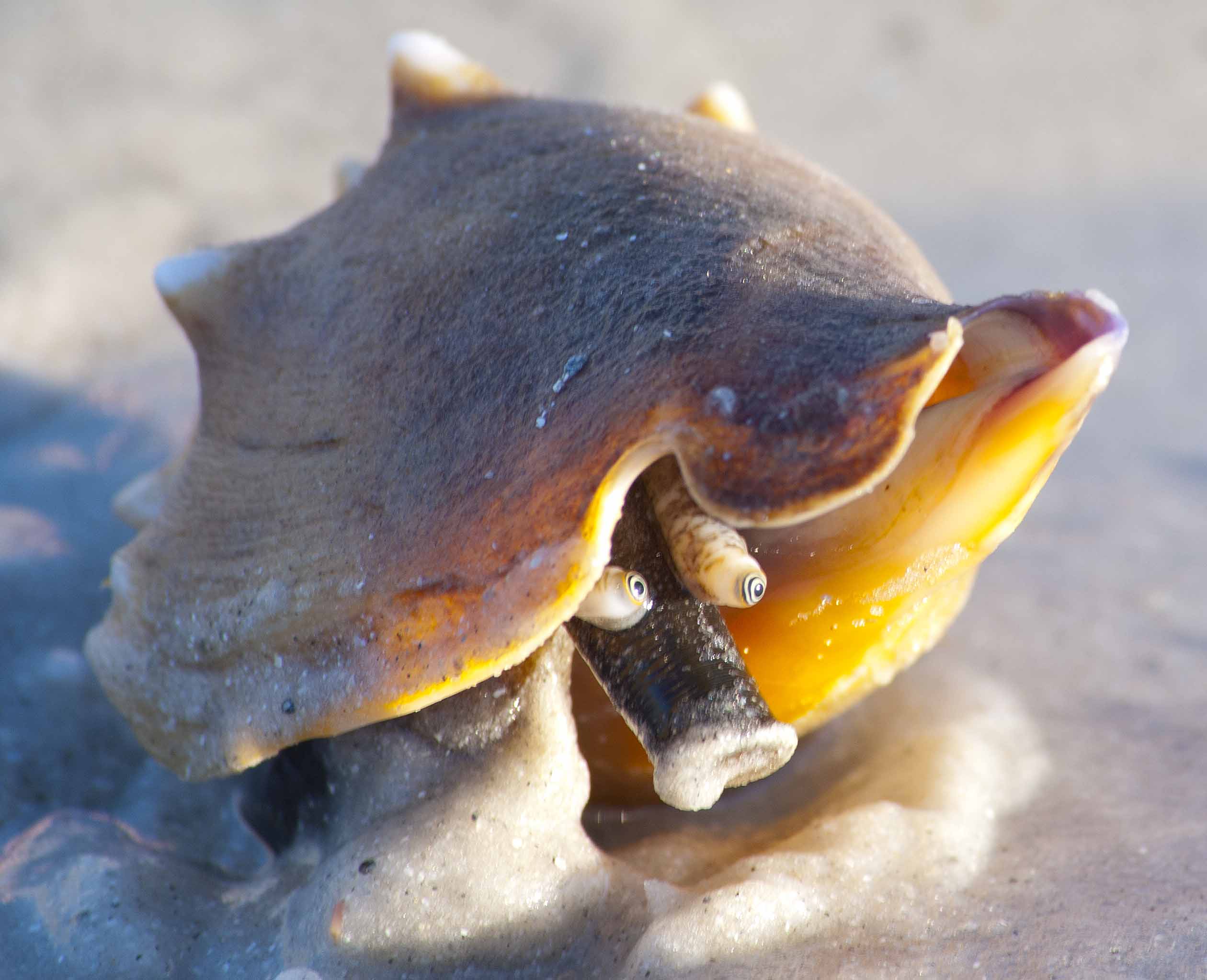
I wonder what it’s like to always be inside your room, to carry it with you everywhere you go—

DSC_0221 cropped small

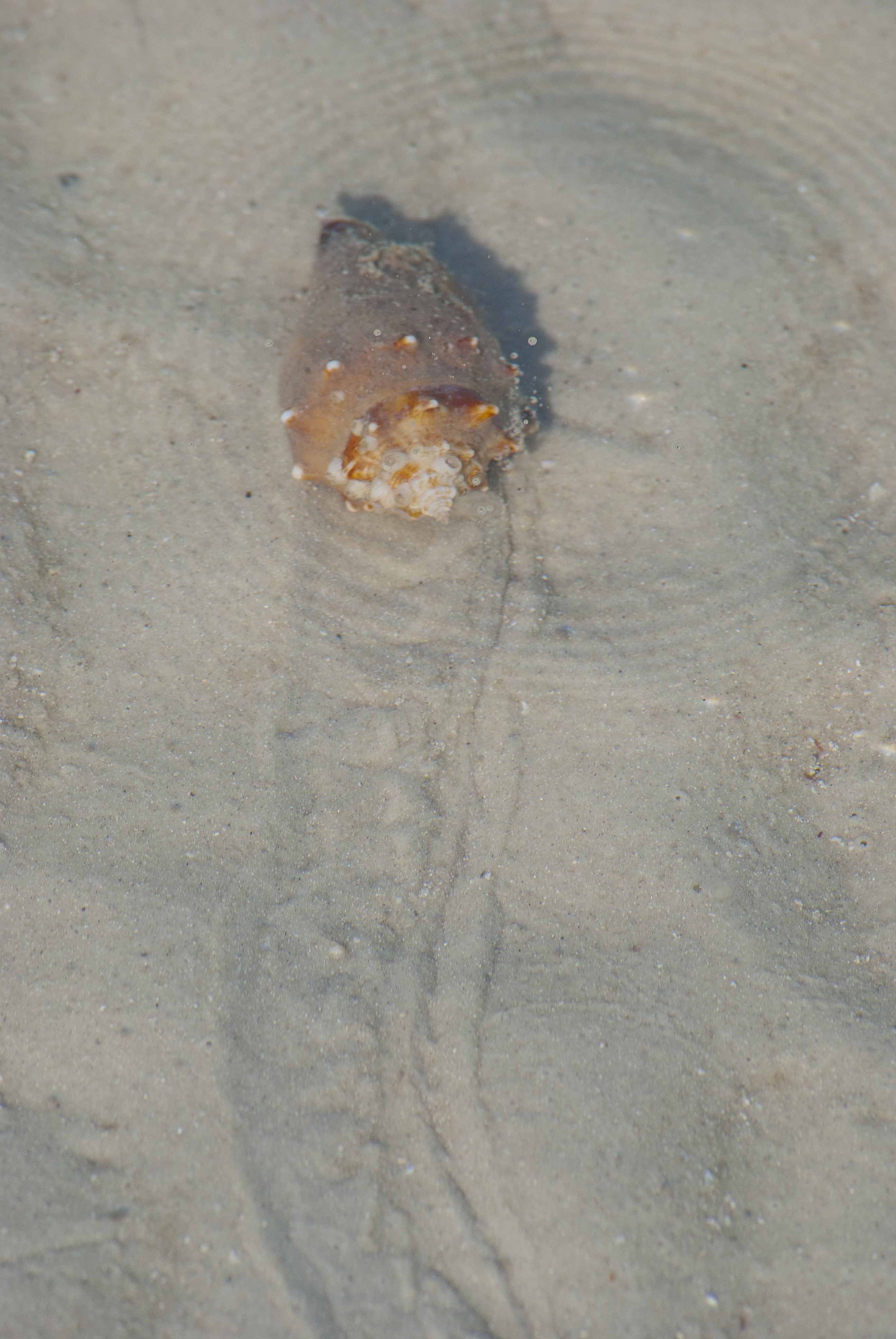
—or does your room become so much a part of you that it no longer stands between you and the world around?

DSC_0069 cropped small
(Florida fighting conch: more photos are here.)

This is in fact a real question in philosophy (Heidegger comes to mind), neuroscience and neuroethology (mind-body relations, motor learning, tool use), artificial intelligence… see for instance here.

Weekly Photo Challenge: On the Move

By Vladimir Brezina

This week’s Photo Challenge is On the Move.

On the move through New York Harbor (click on any photo to start slideshow)—

From last September’s Hidden Harbor Tour.

Another, more ephemeral, take on On the Move is here.

Travel Theme: Work

By Vladimir Brezina

Ailsa’s travel-themed photo challenge this week is Work.

Work is done upon an object when a force displaces it through a distance—

Work

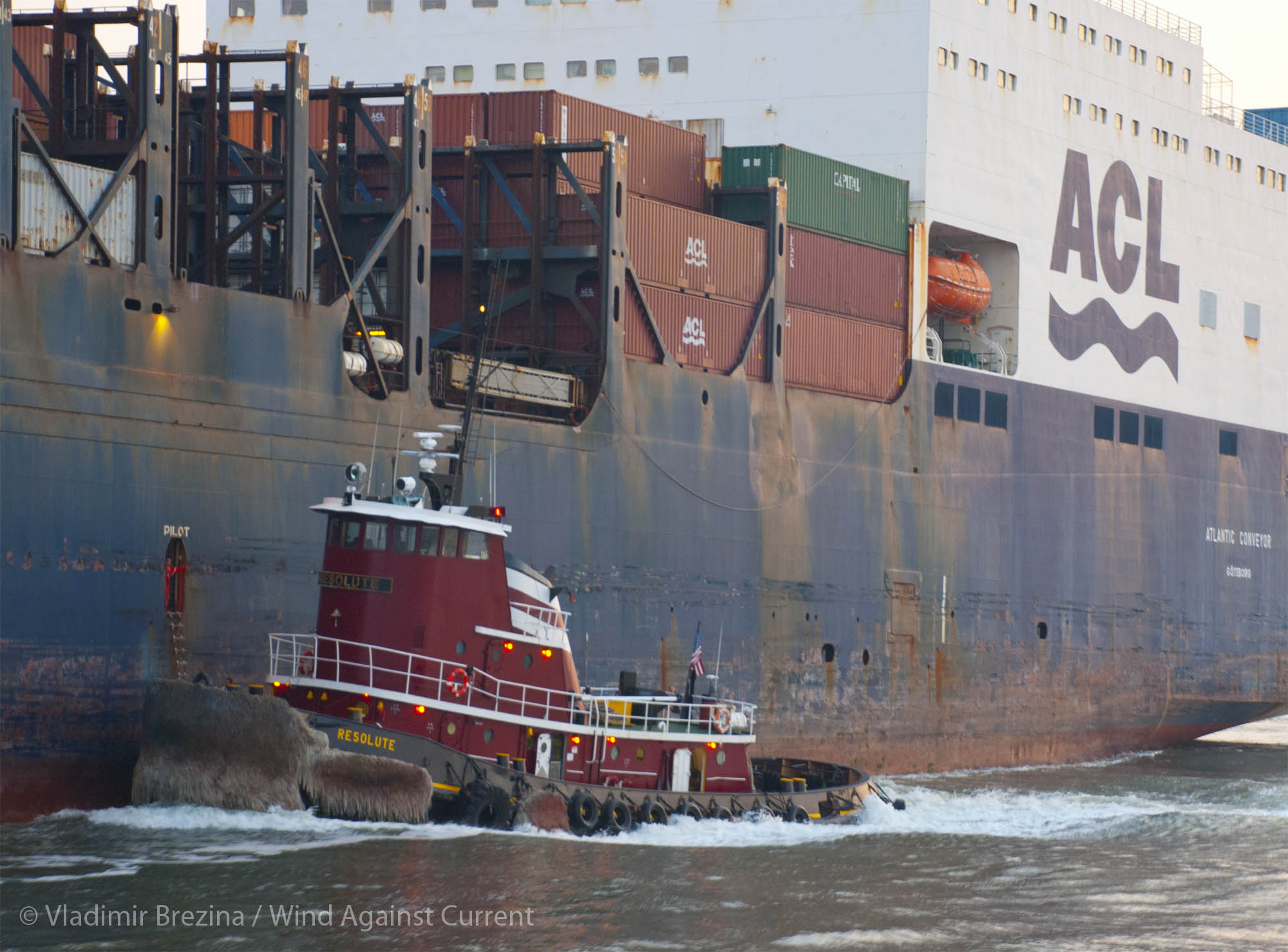
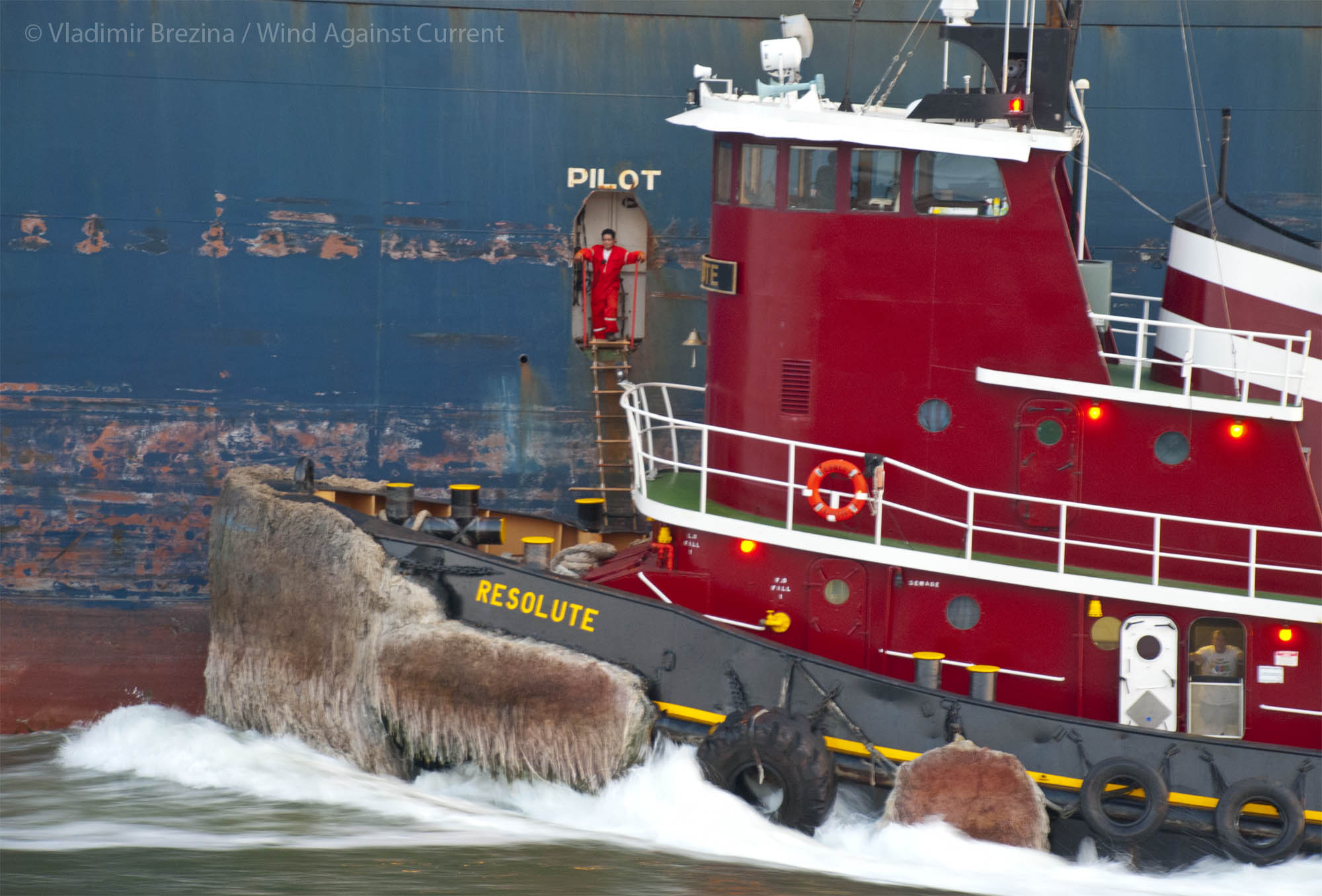
—and nowadays, when everything works as it should, gigantic amounts of work continue to be done even when the workers take, for a few moments at least, a break from work—

Workers

From a Hidden Harbor Tour through New York Harbor in September 2013. Story and more photos are here.

New Bridge Over the Hudson

By Johna Till Johnson

As many of our readers know, I’m a huge fan of bridges. To me, they’re beautiful both physically and metaphorically—lovely structures that bring two sides together. Although my favorite bridge is the Hell Gate Bridge, I’m passionate about all the New York waterway bridges.

So it’s a big deal to me that New York will be replacing the Tappan Zee Bridge—and the new structure will be complete relatively soon (supposedly, by 2018).

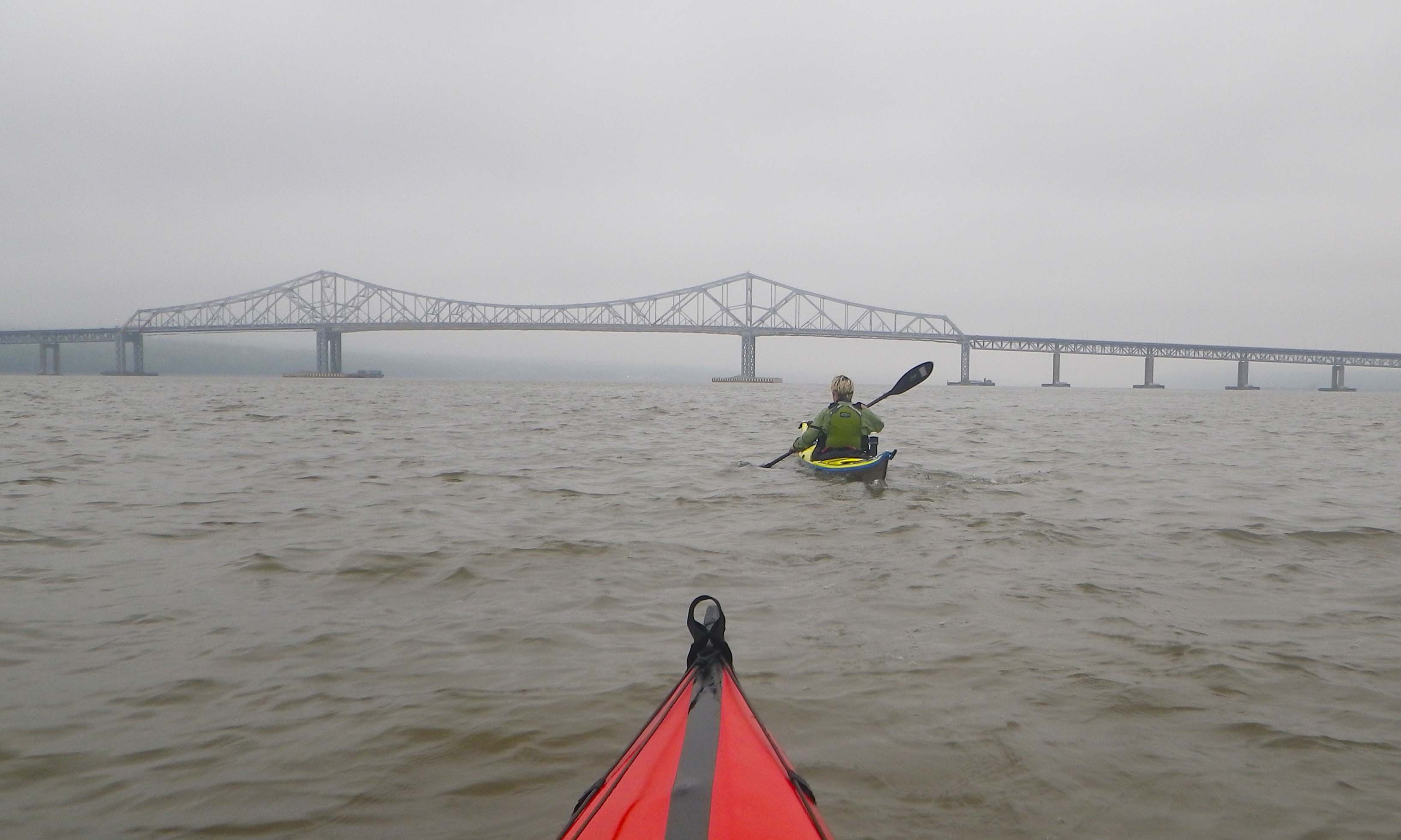
Here’s what the Tappan Zee Bridge looks like today:

IMGP2769 cropped small

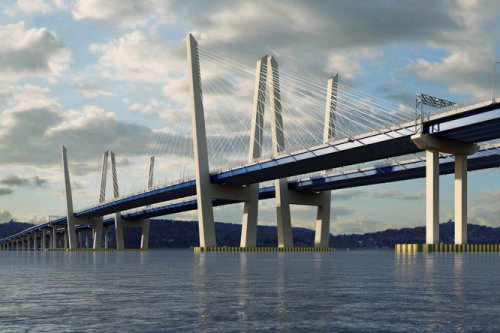
And here’s what it’s supposed to look like in future:

Y-TAPPAN2-sub-superJumbo

I’m not crazy about the outward-reaching “harp” towers… but it is a bridge, and I love bridges… What do you think?

Ceres

By Vladimir Brezina

A week ago, over the Columbus Day weekend, we were kayak-camping at Stockport Middle Ground, one of my favorite places along the Hudson River, to paddle among the Fall colors (story and photos forthcoming!).

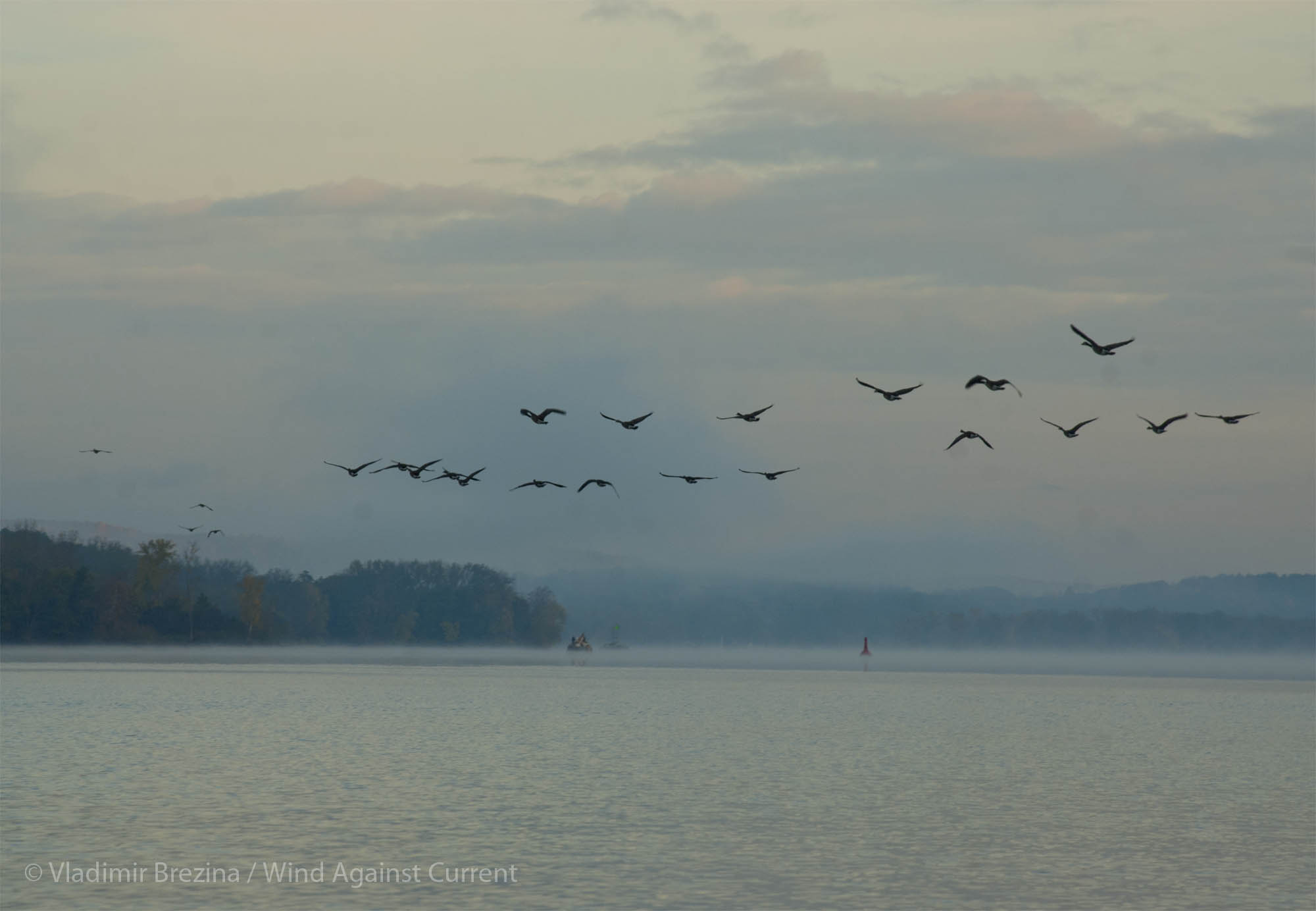
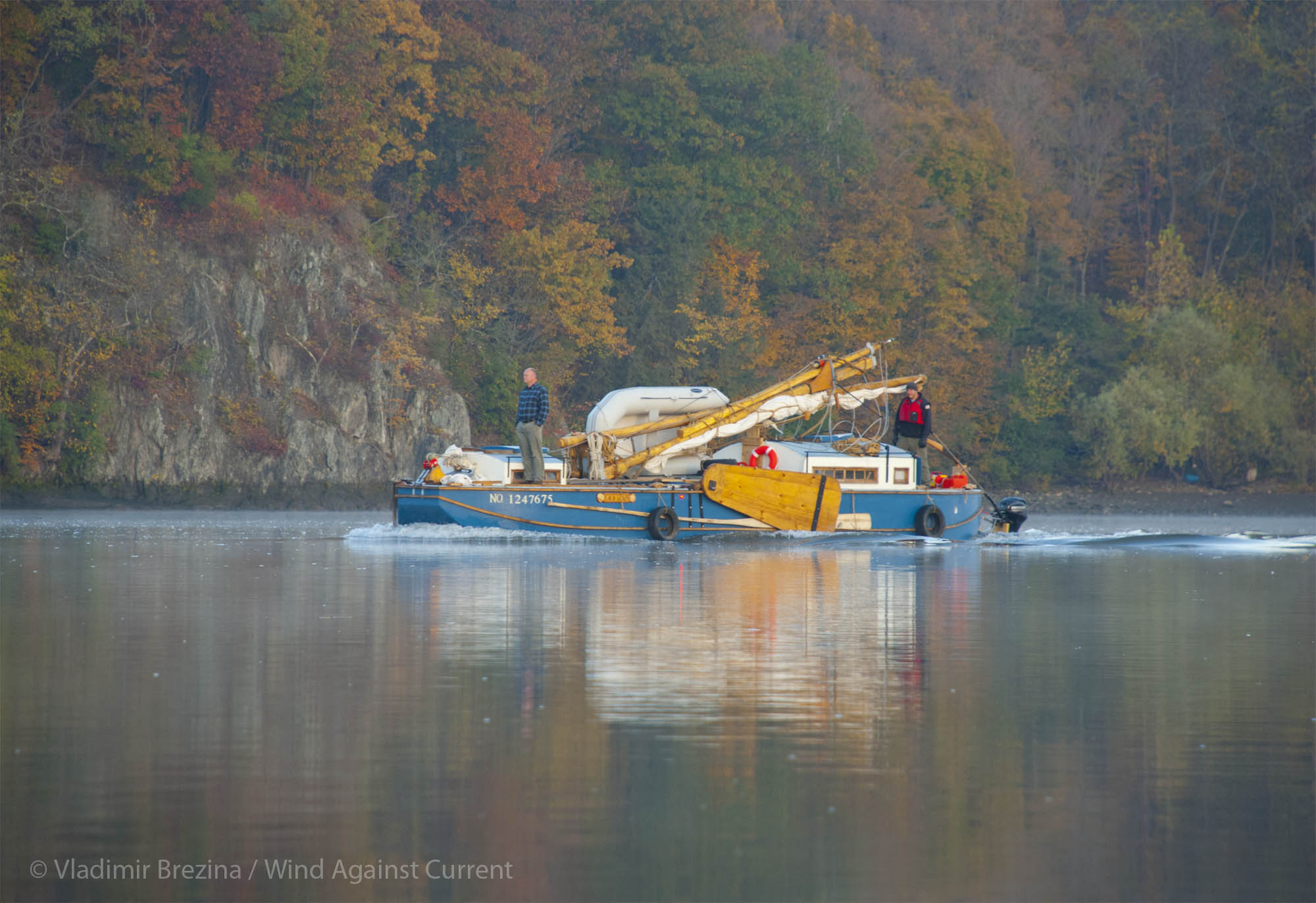
So on Monday a week ago, I paddled out onto the still river, shrouded in fog, as the first colors of dawn softened the sky. Honking geese flew overhead.

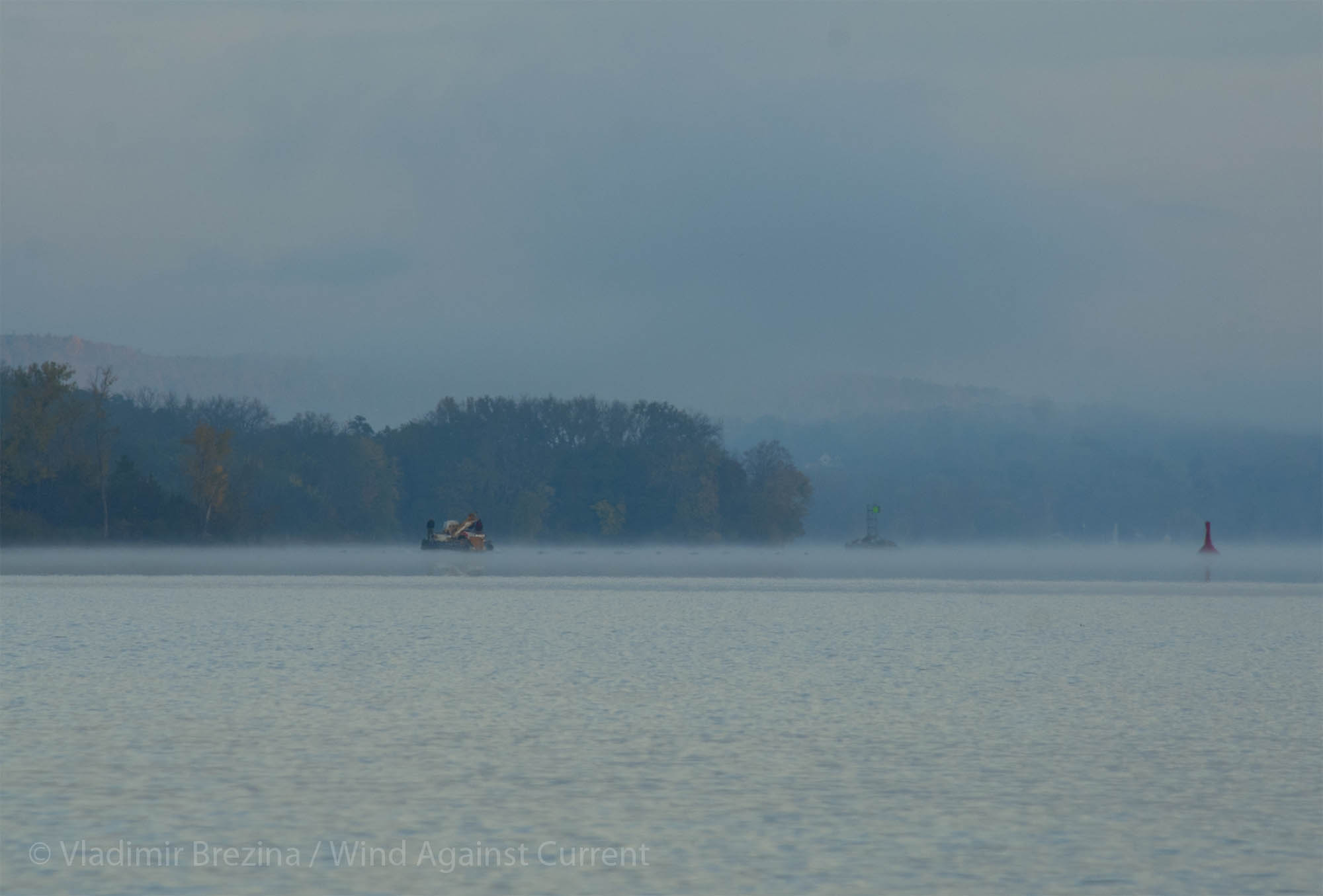
But what was that strange buzzing sound, and that strange object emerging from the fog upriver, gradually growing bigger?

DSC_0511 cropped smallDSC_0517 cropped smallDSC_0524 cropped small

It was Ceres!

Continue reading

Book Review: From Pigeons to Tweets

By Johna Till Johnson

From Pigeons to TweetsFrom Pigeons to Tweets: A General Who Led Dramatic Changes in Military Communications, by Clarence E. McKnight and Hank H. Cox. History Publishing Company, Palisades, New York, 2013.

Okay, I know I have weird tastes in reading material. But when I picked up “From Pigeons to Tweets”, I didn’t expect what I actually got.

The subtitle is “A General Who Led Dramatic Changes in Military Communications”, and the author is Lt. Gen. Clarence E. McKnight Jr. (along with journalist Hank H. Cox).

Given that, plus the relatively staid promotional blurbs from a range of military luminaries, I was expecting a dry treatise on the history of military communications technology.

That would have been interesting enough. I’m fascinated by military technology in general, and military communications technology in particular. (I told you I have weird tastes!)

What I got was (in part) a rollicking and thoroughly absorbing memoir by a man who rose to the highest ranks of the U.S. Army’s Signal Corps (the branch that focuses on communications technology) and who had a reputation for hands-on effectiveness in setting up communications systems. (“McKnight could communicate from Hell,” says one of his colleagues—as a compliment.)

Continue reading

How Many Bridges Circumnavigating Manhattan?

By Vladimir Brezina

Some of the Manhattan bridgesIt’s interesting to look occasionally through the search terms that people have entered to reach your blog. And recently, quite a few people have been arriving at Wind Against Current with the query “how many bridges circumnavigating Manhattan”. They’ll have been disappointed in not finding an answer—until now!

Another popular query is “how many islands in New York City”. Unfortunately, that question does not have a definite answer—it depends on what you consider an island, and on the state of the tide.

But “how many bridges circumnavigating Manhattan” does have a very definite answer. And the answer is…

Continue reading

Hidden Harbor Tour

By Vladimir Brezina

DSC_0729 cropped smallOnce in a while it occurs to us that there might be other ways to see New York Harbor than by kayak.

And so, on Tuesday evening, we traveled down to the South Street Seaport and boarded the yacht Zephyr, for one of the Hidden Harbor Tours organized by the  Working Harbor Committee. Our appetites had been whetted by the recent Tugboat Races, also organized by the Committee. And reading the description of this tour, it promised to be another highlight:

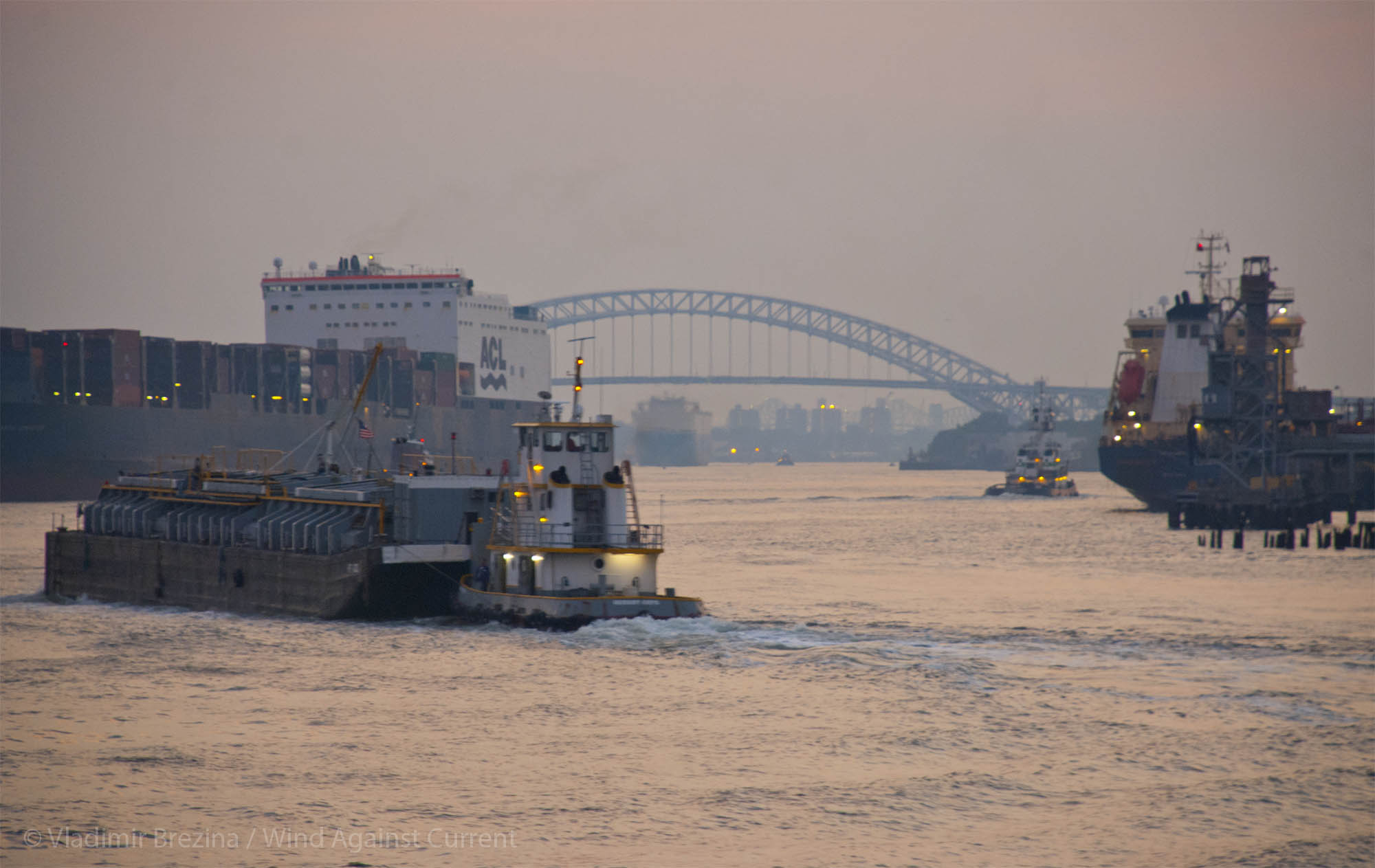
This tour passes by the Red Hook Container Terminal and visits Erie Basin, home of Hughes Brothers Barges and Reinauer Tugs before crossing the harbor toward Staten Island. It then enters Kill Van Kull, the area’s busiest waterway dividing Staten Island and Bayonne, passing tug yards, oil docks and marine repair facilities. It then passes under the Bayonne Bridge and visits the giant container ports of Newark Bay, Port Newark and Port Elizabeth where the world’s largest container ships tie up. On the way back, we pass by Military Ocean Terminal, the 9/11 Teardrop Memorial, the Robbins Reef Lighthouse and another container port, ending up at the Statue of Liberty for a moment before returning to Pier 16.

We got all of that and more.

DSC_0026 cropped small

Continue reading