Boundary Conditions: Exploring the Hudson River in Autumn

By Johna Till Johnson
Photos by Vladimir Brezina

As the season descends into Winter, we figured it would be good to post a long-overdue writeup of a trip that we took during the magical boundary between Summer and Autumn—a trip up the Hudson River in October 2013. 

Fall colors

In mathematics, a boundary condition is a constraint imposed on the solution of an equation. By imposing boundary conditions, you focus on a specific subset of solutions, rather than all solutions.

In ecology, there’s also the concept of a boundary—in this case, the transition from one habitat to another. Boundary conditions are then conditions at the habitat boundary. And as a tidal estuary, the lower Hudson River itself is a permanent habitat boundary, since it’s the interface between salt water and fresh, between the ocean and the rivers and streams that feed it.

The two meanings are different, but what they have in common is the notion of focusing on a particular part of the cosmos, one embodying flux, change, and intermingling of diverse forces.

That’s what we did one day this Fall when we drove north for an extended weekend of kayak-camping on the Hudson River, at our favorite spot, the Hudson River Islands State Park, about 20 miles south of Albany.
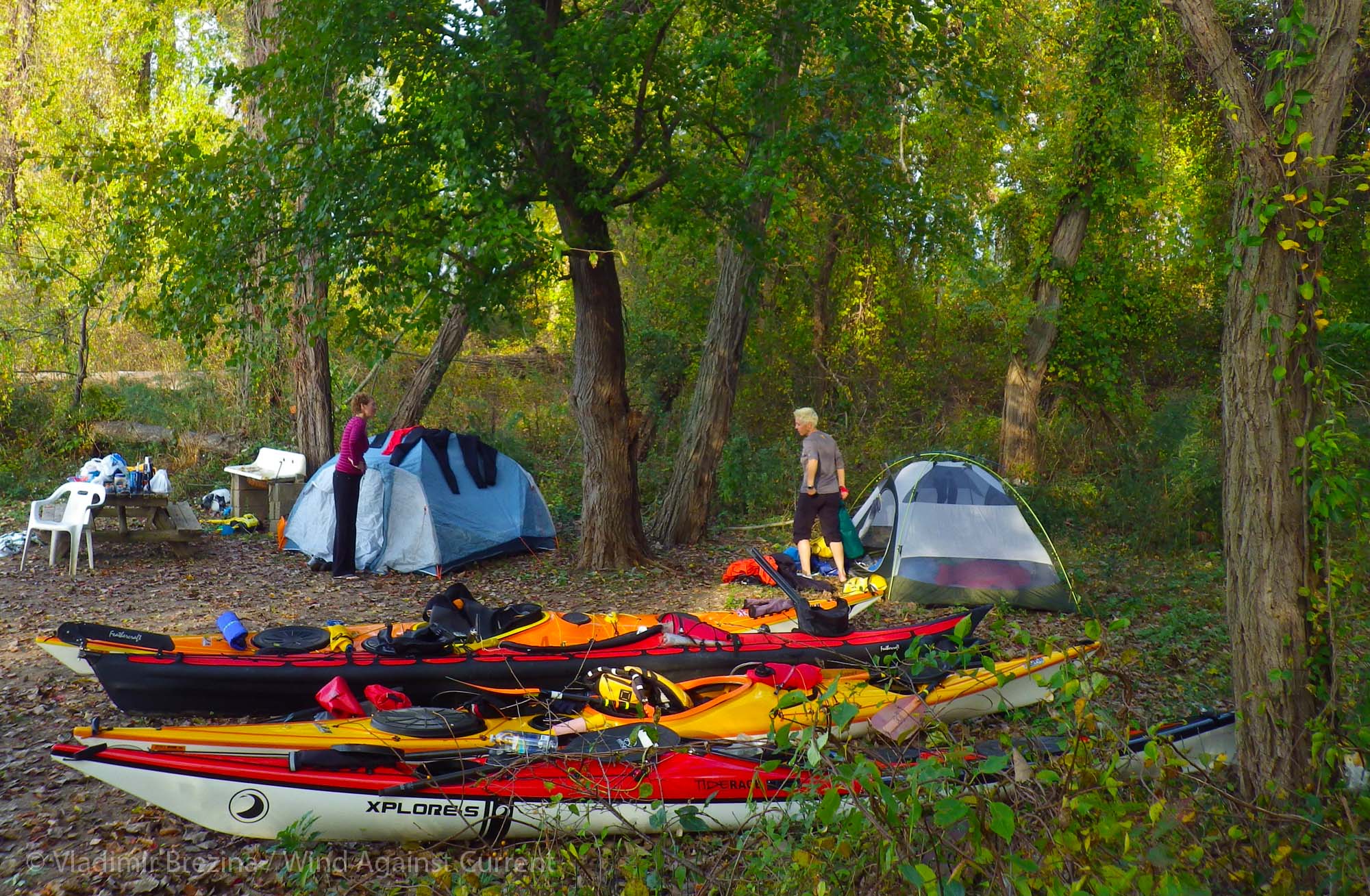
We set up camp
River view

For this excursion, we’d joined forces with Alex and Jean, fellow paddlers and fellow bloggers at 2Geeks@3Knots, who drove up from New Rochelle. And we were hoping to meet up with Mike and Julie, paddlers from Albany with whom we’d shared a lively correspondence over the past year but had never met. And also, with luck, with our friend David, who lives both in NYC and upstate, and was planning to be on the river up there that weekend.

All of us from different habitats, in other words, but with our common boundary—the Hudson River.
Continue reading

Autumn Day

By Johna Till Johnson and Vladimir Brezina

DSC_0049 cropped small 2.

.
.
,
.

Blame it on Rilke… Or his translators, actually.

On a recent late-fall evening, Vlad was chuckling over the varied translations of the poem “Autumn Day” by Rainer Maria Rilke:

Herbsttag

Herr: es ist Zeit. Der Sommer war sehr groß.
Leg deinen Schatten auf die Sonnenuhren,
und auf den Fluren laß die Winde los.

Befiel den letzten Früchten voll zu sein;
gib ihnen noch zwei südlichere Tage,
dränge sie zur Vollendung hin und jage
die letzte Süße in den schweren Wein.

Wer jetzt kein Haus hat, baut sich keines mehr.
Wer jetzt allein ist, wird es lange bleiben,
wird wachen, lesen, lange Briefe schreiben
und wird in den Alleen hin und her
unruhig wandern, wenn die Blätter treiben.

The translations are here.

And even if—like Johna—you don’t read German, it’s rather obvious they’re rather, ahem, divergent when it comes to cadence, connotation, and tone.  Different from each other and from the original meaning.

Johna read them over Vlad’s shoulder and burst out laughing. “‘Summer was awesome?’ We could do better than that!”  Well, maybe not better… but different. If it’s acceptable to say “summer was awesome”—well then, that opens up a whole host of possibilities!

So here you go.  “Autumn Day” loosely translated for the modern era:

Autumn Day

By Rainer Maria Rilke (sort of)

Dude, it’s time! Summer rocked, but
It’s over. Sucks.
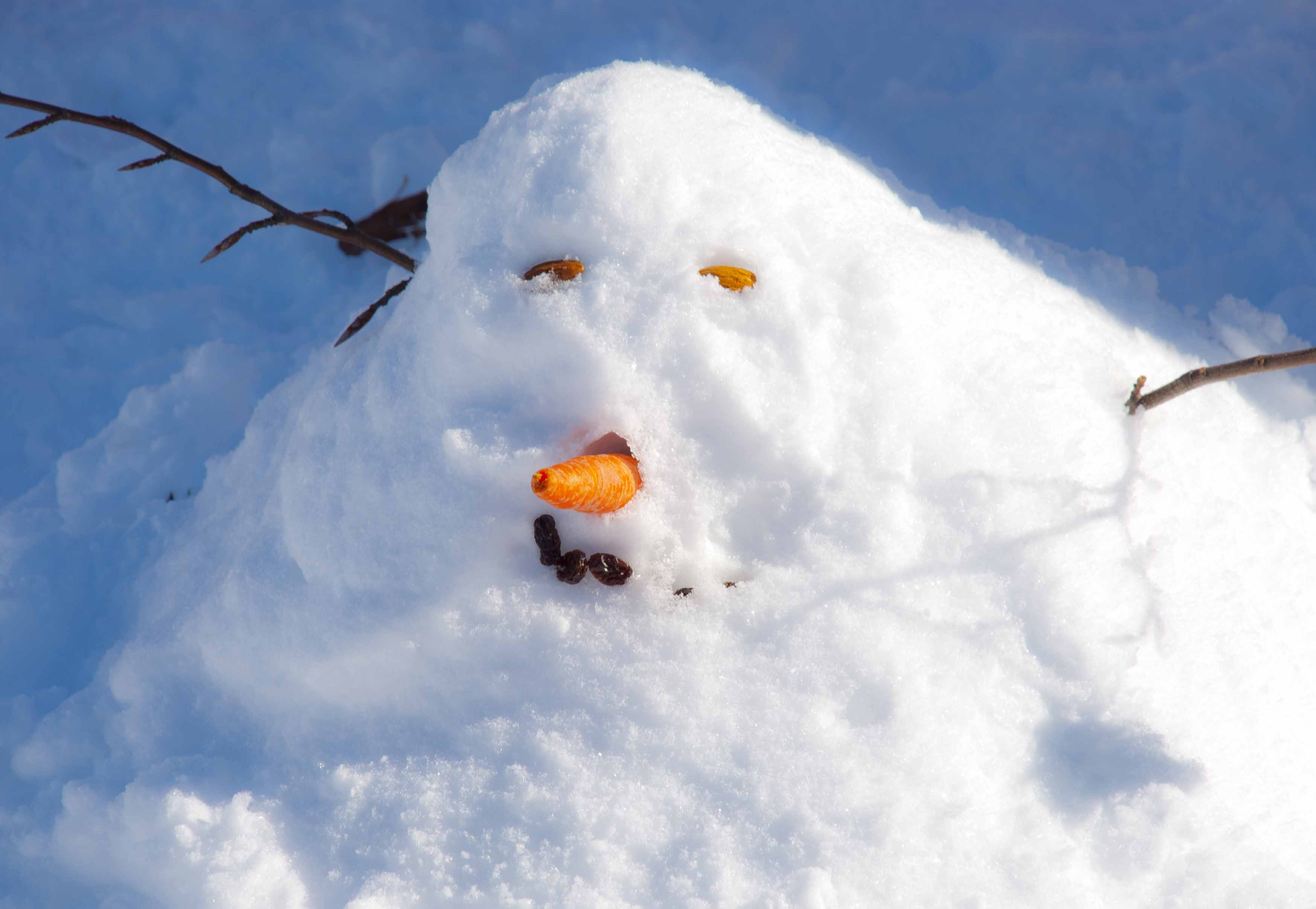
The sun slants low now.
The autumn wind sweeps through abandoned
Bodega stalls. Across the last bruised fruit,
Fermenting fast.
At least you’ll have some awesome vino.

No place to crash? Tough.
Too late. You’re solo now.
Time to stay out long
And ride the board
Up and down darkening alleys
Where the trash swirls.

First Snow

By Vladimir Brezina

DSC_0436 cropped small

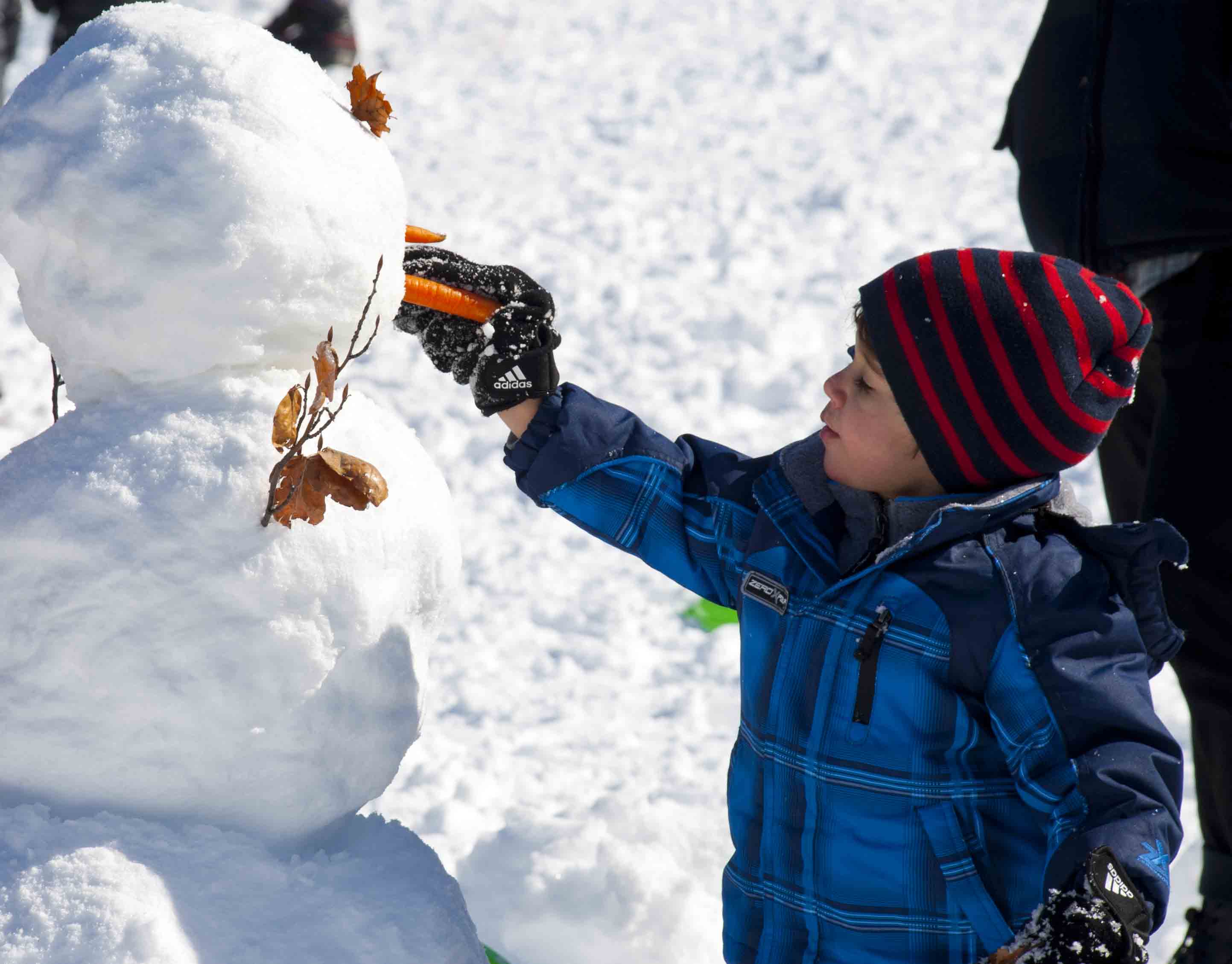
It’s snowing! The first real snow of the winter. Quick, everyone out into the park before it melts!
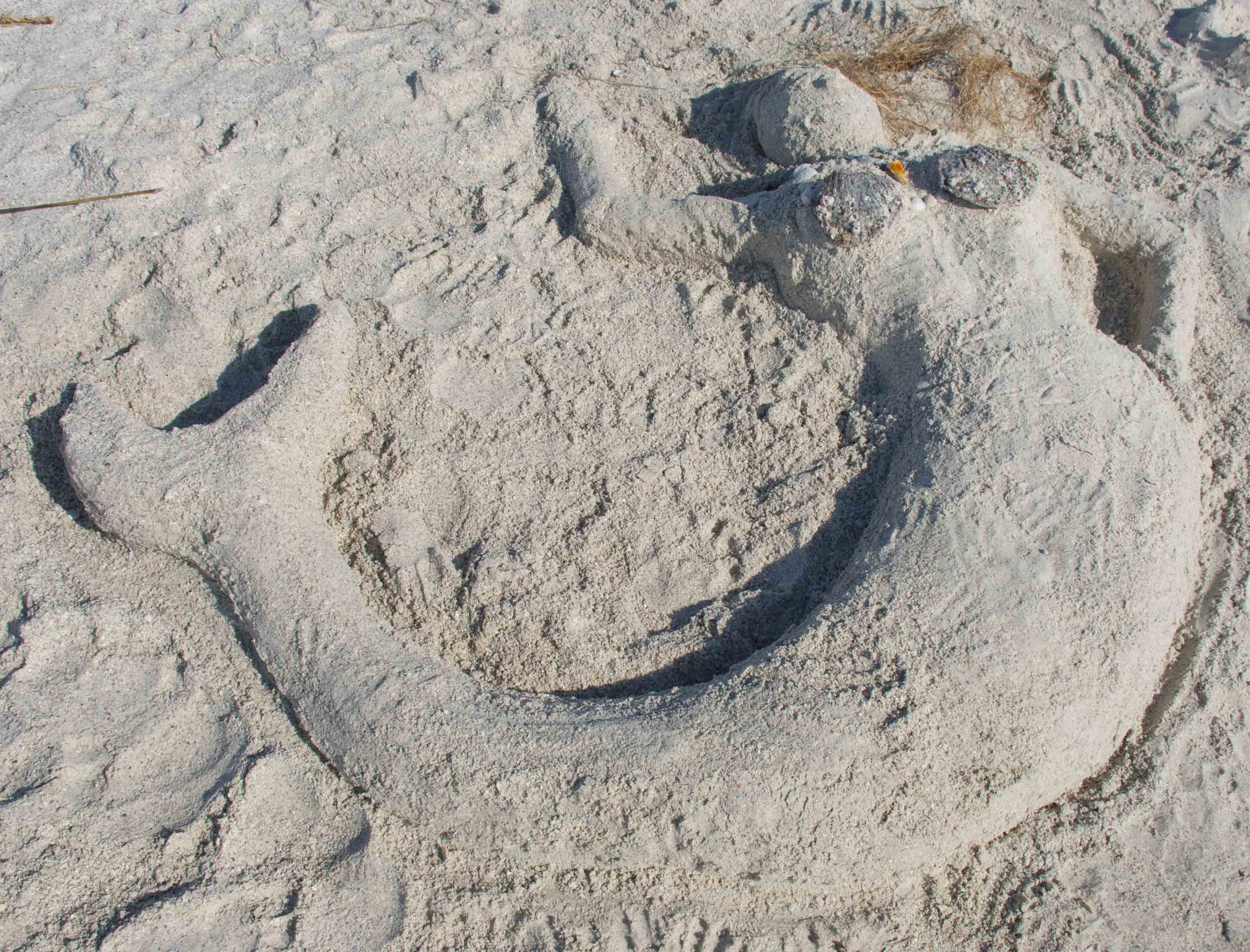
(Click on any photo to start slideshow)

In Central Park, NYC, yesterday.

Travel Theme: Still

By Vladimir Brezina

Ailsa’s travel-themed photo challenge this week is Still.

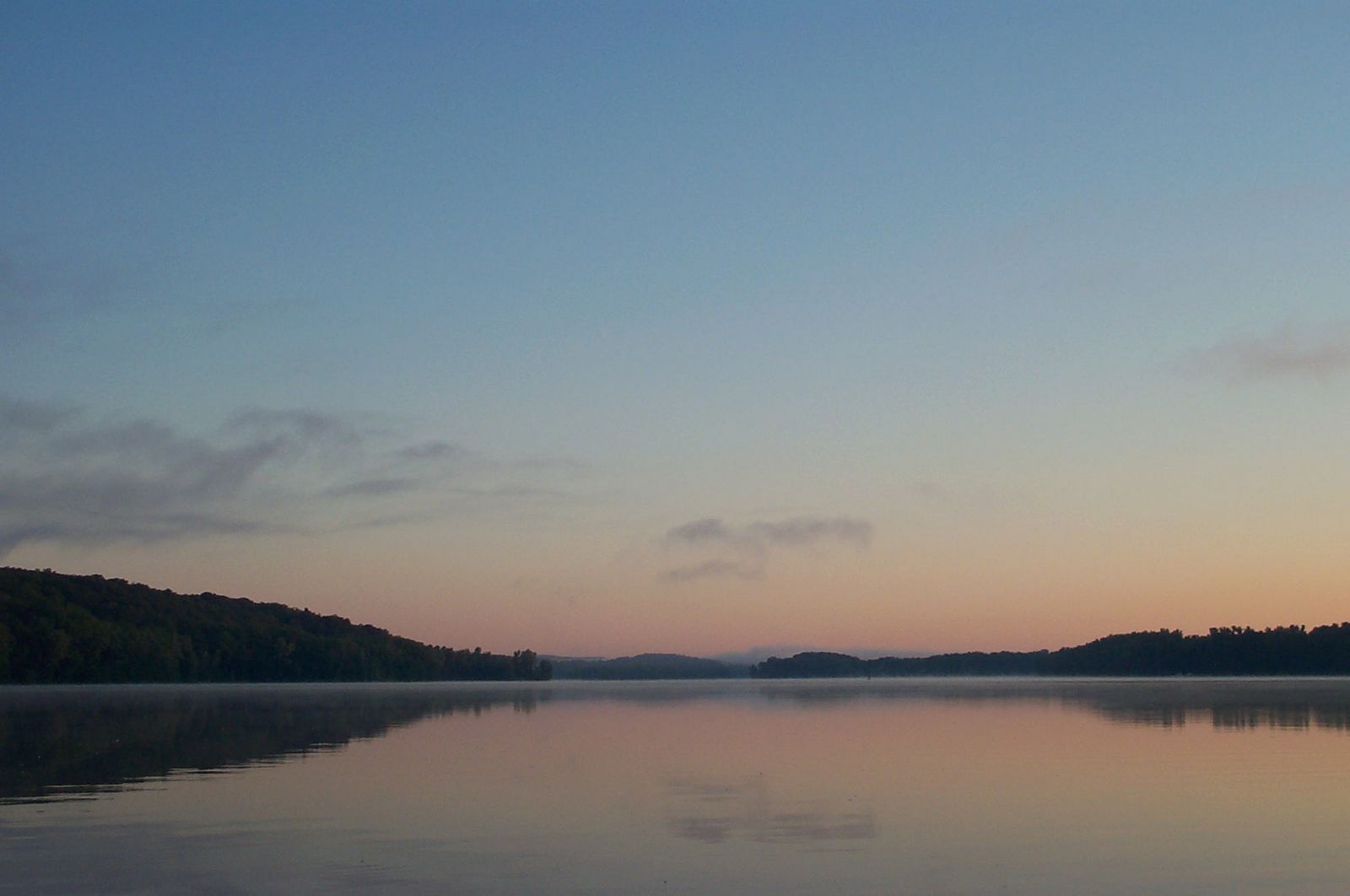
The stillness of dawn over the water…

IMGP3593 cropped smallIMGP2175 cropped smallDCP_0117DCP_0113DCP_0115IMGP3623 cropped small

Weekly Photo Challenge: Community

By Vladimir Brezina

This week’s Photo Challenge is Community.

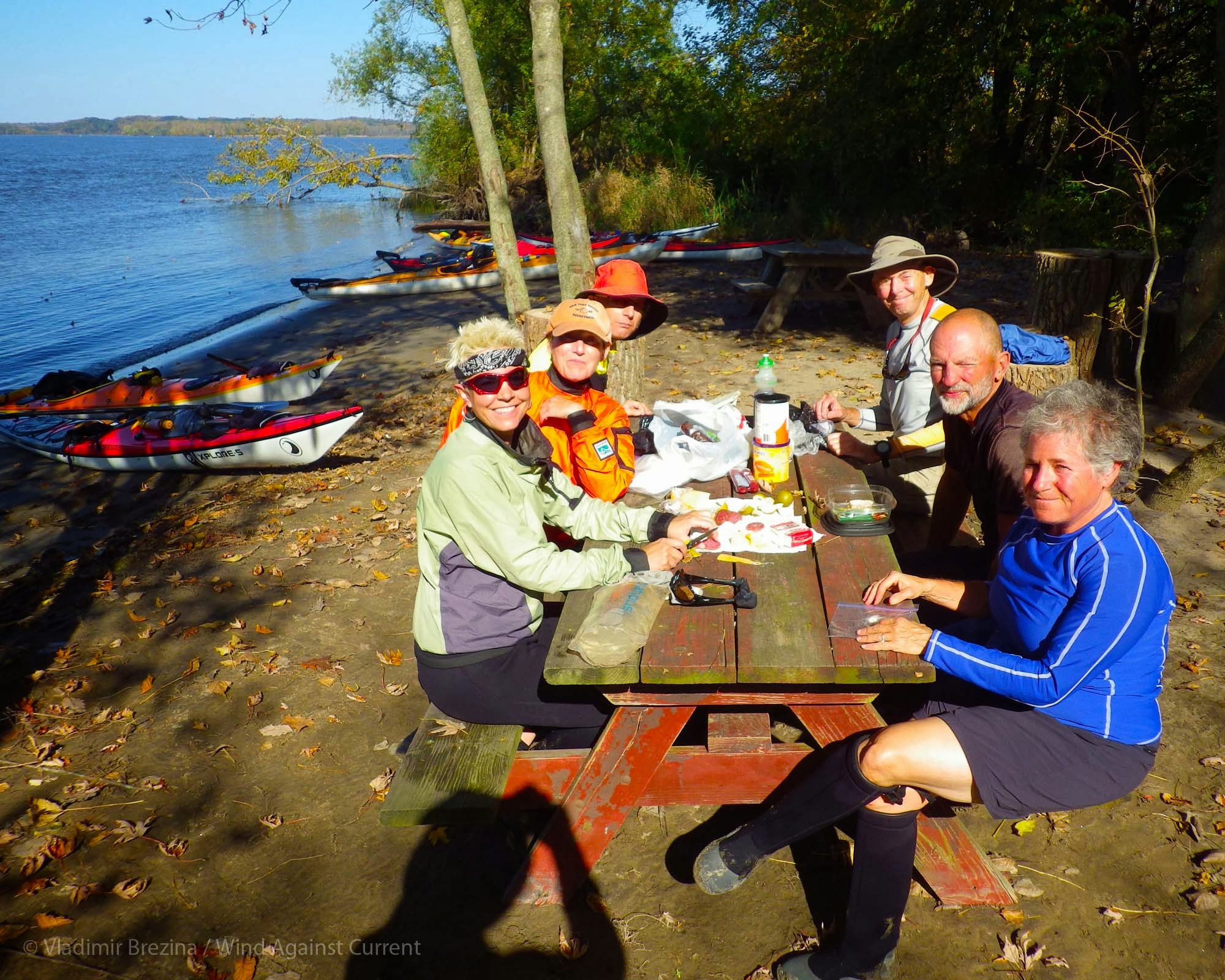
After many hours of lonely paddling, it’s a treat to meet up with paddling friends for an impromptu lunch…

IMGP8650 cropped small

(We’ve almost written up that trip—stay tuned!)

North Versus South

By Vladimir Brezina

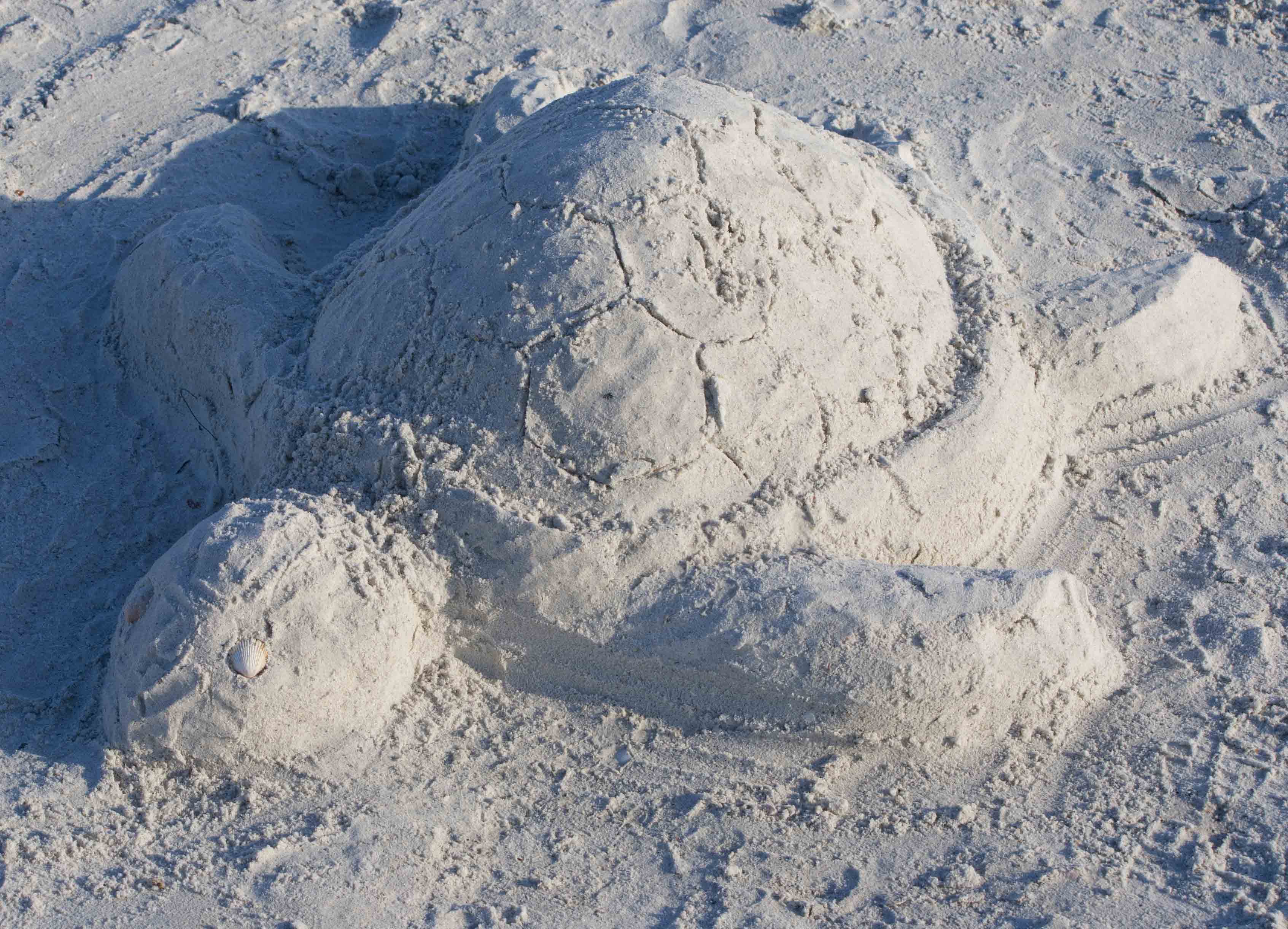
Different materials, but the same impulse. It’s a united country after all…

DSC_0368 cropped smallDSC_0203 cropped smallDSC_0471 cropped smallDSC_0864 cropped smallDSC_0373 cropped smallDSC_0493 cropped small

A Winter Manhattan Circumnavigation

By Vladimir Brezina

IMGP9624 cropped small

The calendar says that winter hasn’t started yet.

But what does the calendar know? Paddling-wise, it’s already deep winter here in the US Northeast. The days are short, and once the sun sets, the temperature plummets dramatically. It’s not the season for loitering on the water after dark, and even more so, for landing after dark, unavoidable as that often is. Putting away the boats in the dark, with wet fingers frozen by the cold wind, can be a distinctly unpleasant experience.

So, it’s the season for shorter trips suited to the shorter days—such as the old standby, the Manhattan circumnavigation.

Here are some photos from Saturday’s circumnavigation (click on any photo to start slideshow).

The individual photos are here.

Weekly Photo Challenge: Grand

By Vladimir Brezina

This week’s Photo Challenge is Grand.

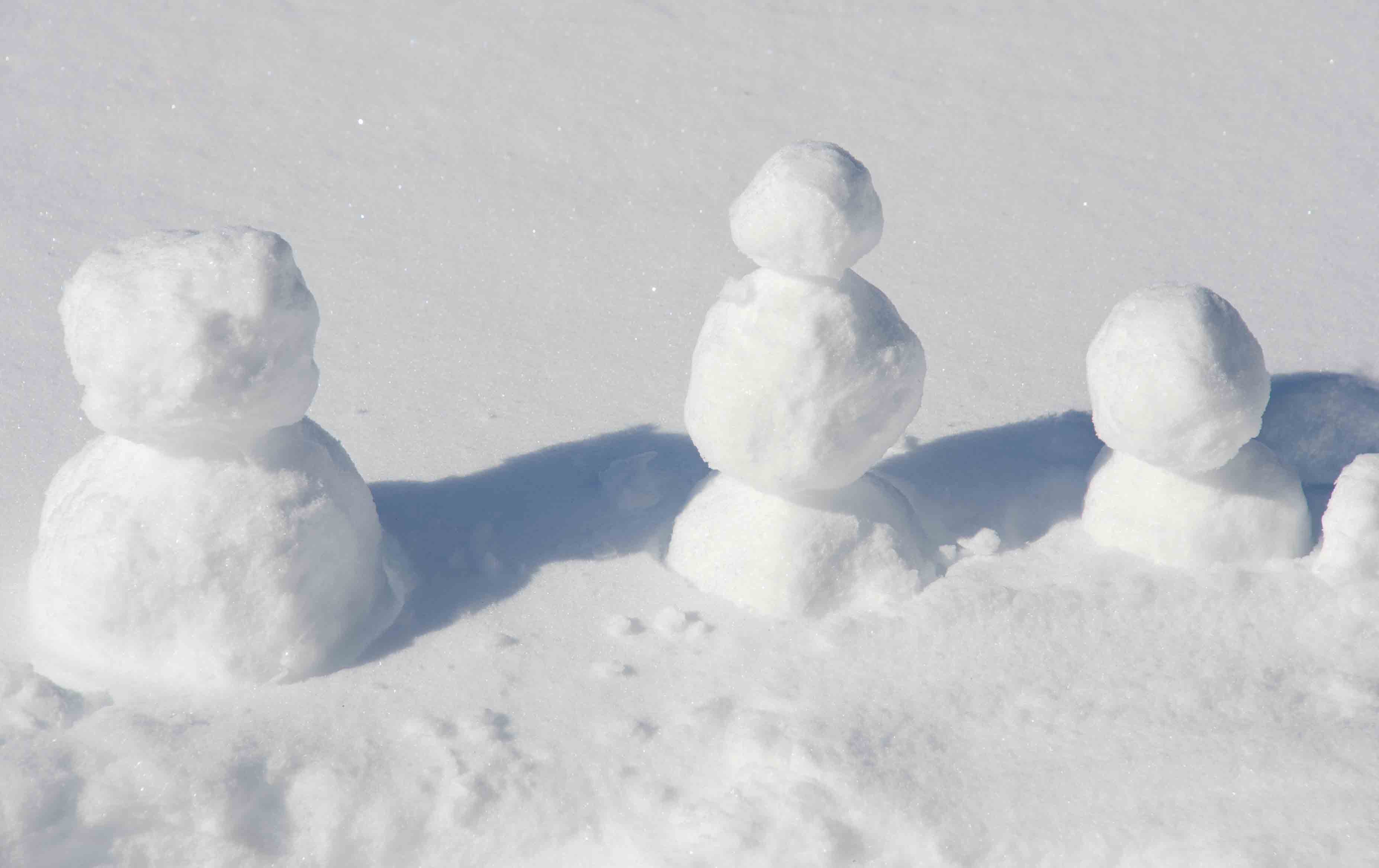
To face the elements is, to be sure, no light matter when the sea is in its grandest mood. You must then know the sea, and know that you know it, and not forget that it was made to be sailed over.
— Joshua Slocum, Sailing Alone Around the World

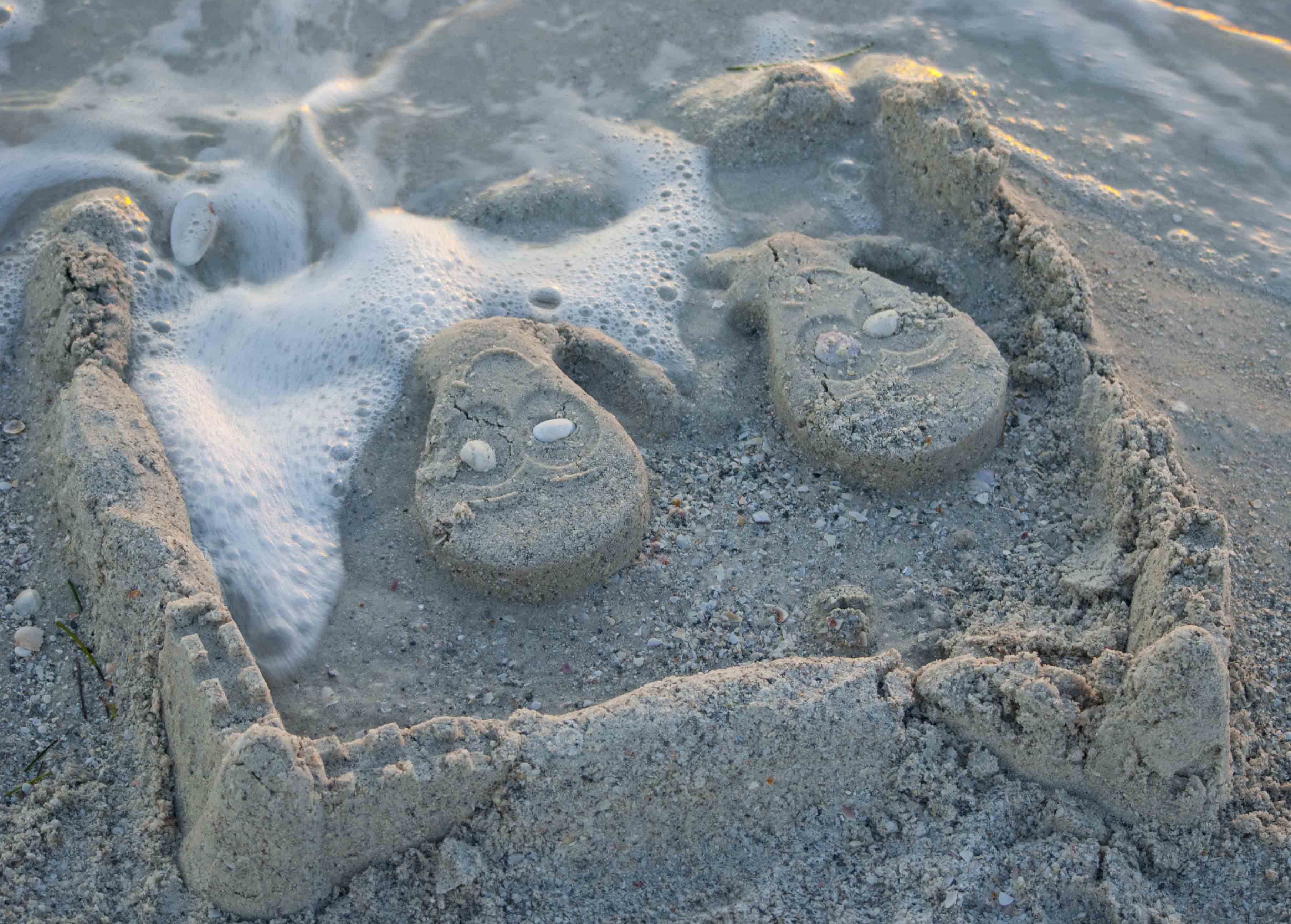
Even in our little kayaks, in a passing little storm, we occasionally glimpse something of what Slocum meant.
IMGP5647 cropped smallIMGP5713 cropped smallIMGP5667 cropped smallIMGP5700 cropped smallIMGP5717 cropped smallIMGP5730 cropped smallIMGP5753 cropped smallIMGP5757 cropped smallIMGP5777 cropped smallIMGP5787 cropped smallIMGP5793 cropped smallIMGP5788 cropped small

From our 2012 kayak circumnavigation of Long Island, NY. The story of that storm is here.

Travel Theme: Symbol

By Vladimir Brezina

Ailsa’s travel-themed photo challenge this week is Symbol.

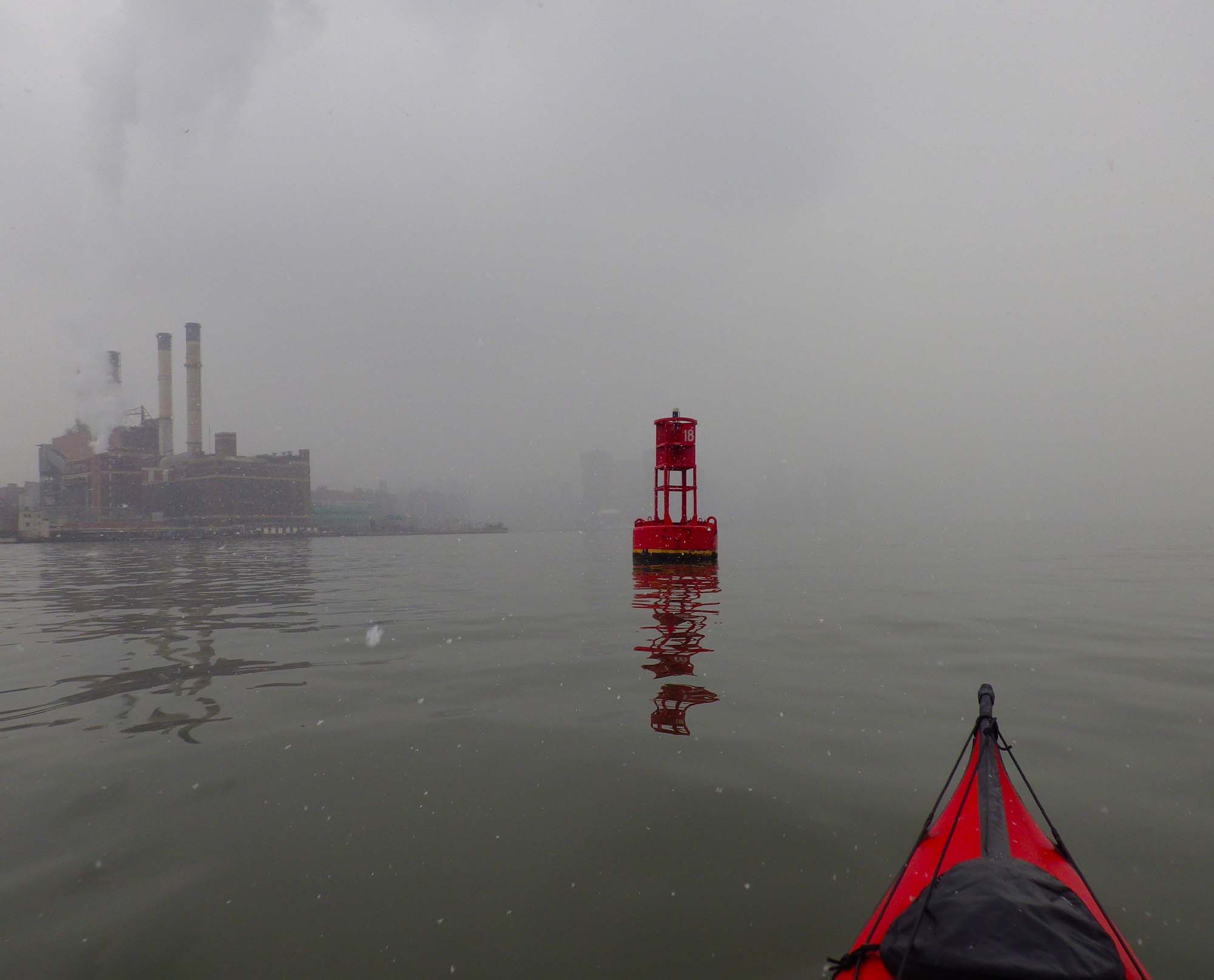
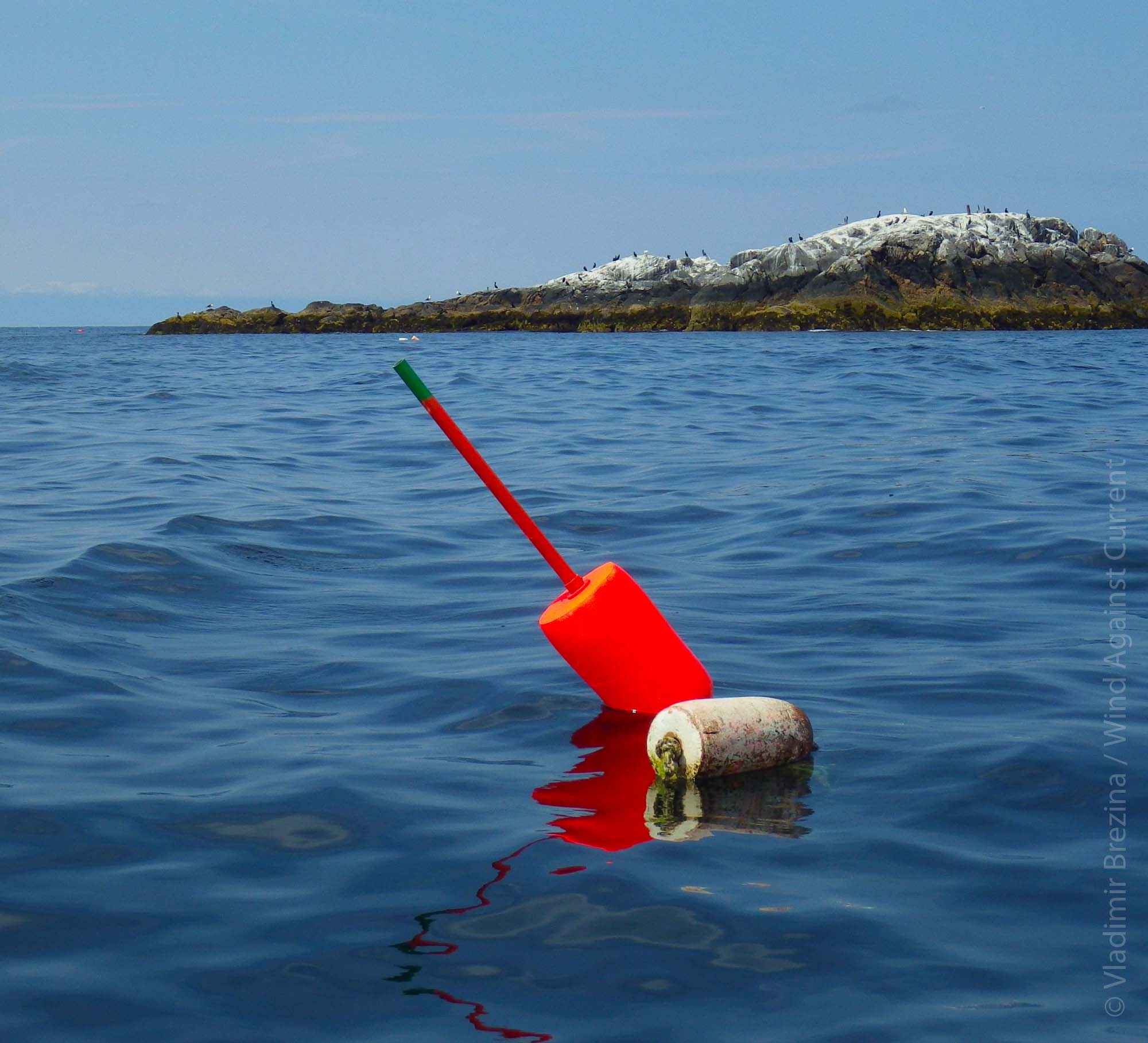
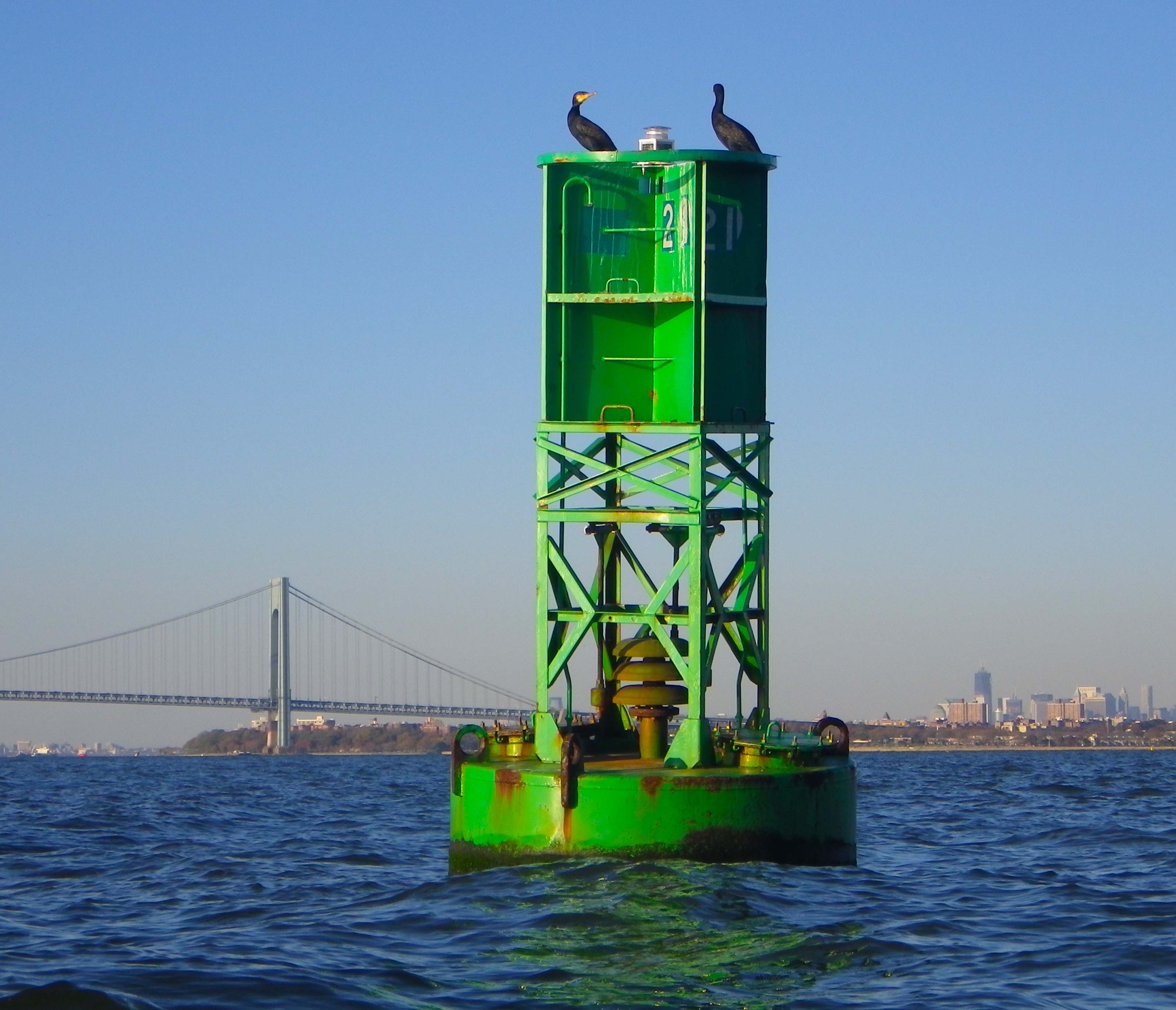
Our travel on the water, no less than on land, is governed by symbols…

DSC_0753 cropped smallIMGP7114 cropped smallIMGP5170 cropped smallIMGP2372 cropped smallIMGP3514 cropped smallIMGP0986 cropped smallIMGP0198 croppedDry Salvages, MA, July 2013IMGP5331 cropped smallIMGP4686 cropped small

Lessons from the Life of Nelson Mandela

By Johna Till Johnson

Nelson Mandela

“We must use time wisely and forever realize that the time is always ripe to do right” — Nelson Mandela

Nelson Mandela is dead.

It’s hard to believe—not that he’s dead, but that it happened today.

His life was so epic, so mythic, that it’s hard to believe he was actually alive in our time. He has always seemed to me to be one of the heroes of yore, the kind that doesn’t live any more in these diminished times.

And although I know shamefully little about South African politics or history, I’ve always been captivated by one part of his story: that he spent 27 years in prison—a significant chunk of his life sentence—before not only being set free, but becoming President of South Africa.

I often try to imagine that: being sentenced to life in prison, and actually spending 27 years, a lifetime by itself, imprisoned under brutal conditions.

How do you keep believing in yourself, your cause, and in the possibility of having some kind of impact on the outside world? What keeps you from just giving up, as year after year goes by, with no hope, or reason to hope?

Only Nelson Mandela knew the true answer, and now he’s gone. But as I try to imagine it, here’s what I imagine:

–That after the first shock of the realization settles in, you recognize that although you can’t control your circumstances, you can control your response to them. (And really, that’s no less true in the outside world—we think we have control over circumstances, but how much of your day do you actually spend reacting to them, rather than creating them?)

–That you never give up hope that the dream itself will exist one day, whether or not you are there to see it. And you take faith and nourishment from that dream, and from your ability to believe in it.

–That you remind yourself constantly that your adversaries are humans, too, and seek a genuine connection with them. (Mandela learned Afrikaans in prison, and ultimately succeeded in making friends with the guards.)

–That you refuse to let your failures define you. By then, Mandela had failed many times in his life—he didn’t pass his law examinations, his first marriage ended because of his unfaithfulness, and the fact of being imprisoned (no matter how unjustly) had to have felt like a failure. But none of those defined him. What defined him was his belief in the dream.

These are all easy to write, and inspirational to think about.

But living them—day by day, hour by hour, moment my moment—must have been difficult.

Each moment he had to have made up his mind to resist hopelessness and embrace the dream, to work passionately towards his goals while detaching himself from the desire to be present when they were achieved.

And do all that not once, or twice, but over and over again—there are a lot of moments in 27 years. That takes not just inspiration, but persistence (stubbornness, if you will) and consistency.

There are many lessons here, but this is the lesson I take away from the life of Nelson Mandela: The way to survive, and triumph, is not just to believe in your dreams, but to work doggedly, persistently, with a strong heart, towards achieving them. Day by day. Moment by moment. And focus not on your failures, but upon your efforts.

RIP Nelson Mandela.

And thank you.