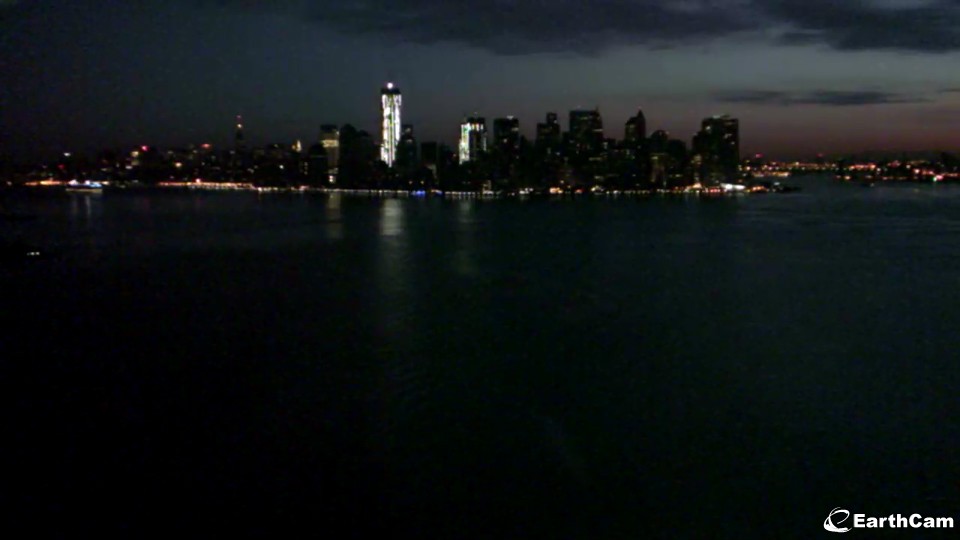
Winter Dawn Over Manhattan From the Statue of Liberty

By Vladimir Brezina

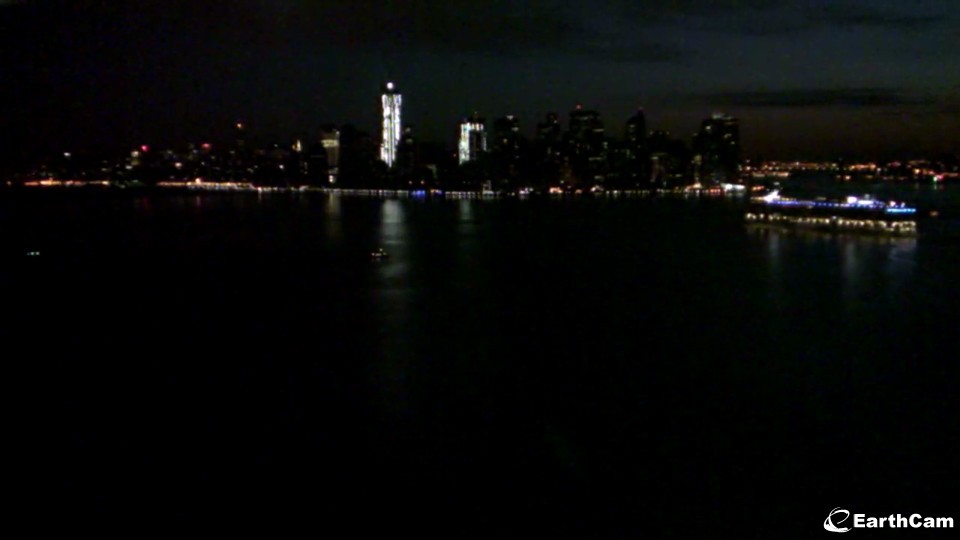
At dawn, around 6:30 a.m. at this time of the year, the Statue of Liberty is, of course, closed to visitors. But it’s possible to see the dawn spread over New York Harbor and over Manhattan from the high-definition streaming webcam mounted high up in the Statue’s torch.

These photos span just 30 minutes as the new day arrives. A brightly-lit cruise ship makes its way up the harbor; early-morning ferries zip back and forth across the stretch of water between the Statue and Manhattan.

These photos were taken on Saturday, February 4, 2012—the day that Johna and I paddled out to Swinburne Island to see the seals. Early that morning, I was checking on the harbor conditions and watched, entranced, as this sequence unfolded…

Seals Revisited

By Vladimir Brezina

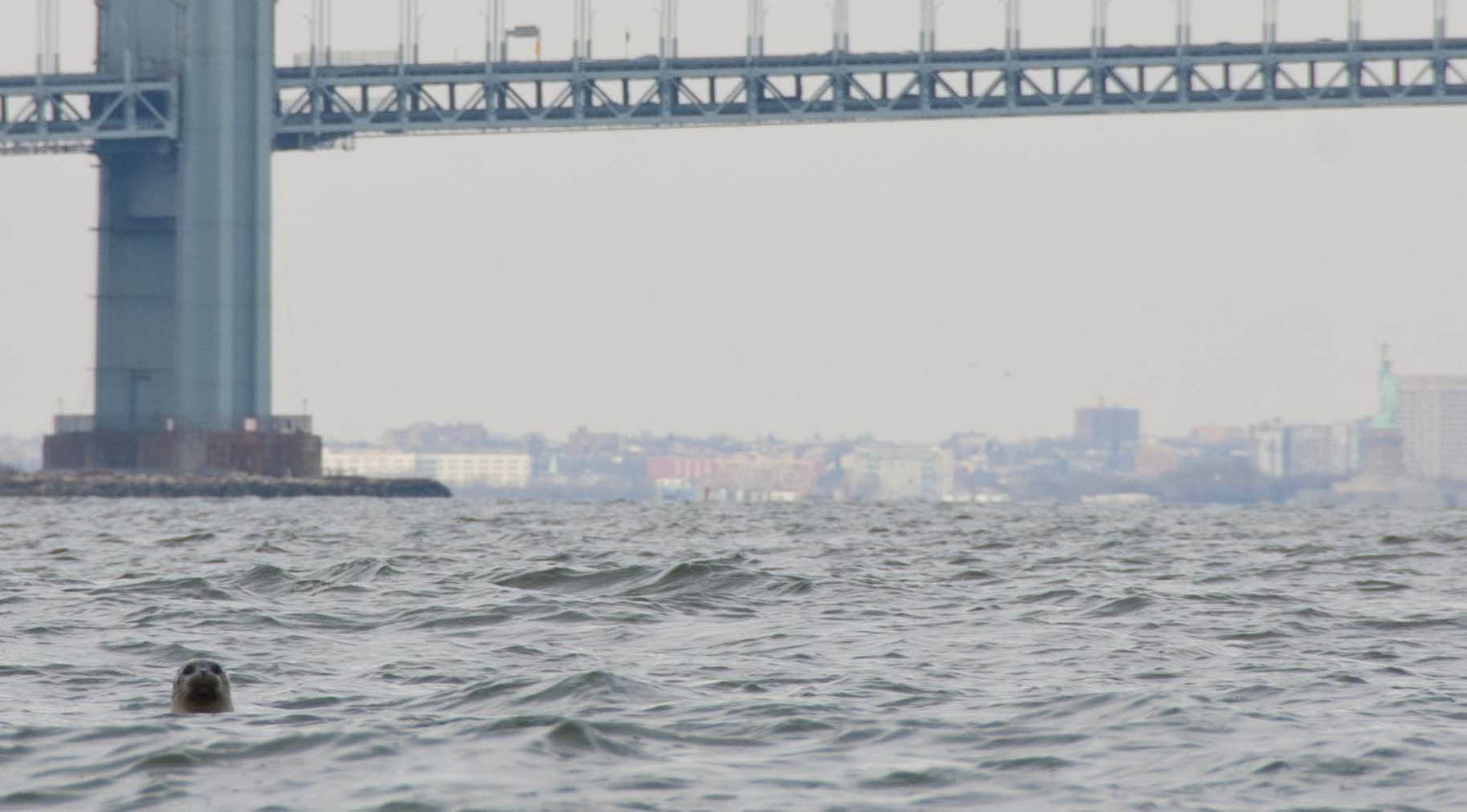
Every winter, Swinburne Island in New York Harbor is home to a healthy population of seals. And every winter, we paddle out to see them.

But so far this year, our seal-watching trips have all gone awry in one way or another. Last time, we ended up having quite a different kind of adventure in Red Hook, Brooklyn

So, on Saturday, Johna and I made a determined effort to paddle out to Swinburne Island. Here are a few photos.

Continue reading

The Blue Marble

By Vladimir Brezina

Manned missions to Mars and colonies on the moon seize the imagination, at least of Presidents and would-be Presidents :-). Everyone else knows that these are dreams, half-baked, arguably pointless, and certainly unrealizable any time soon (unless it be by the Chinese).

But, in the meantime, NASA has been steadily adding to, perfecting, and using for a huge variety of scientific missions its workaday tools, its fleet of unmanned satellites. Some of these look outward into space.  But many orbit and look down on the Earth itself—and generate all kinds of fascinating and beautiful images.

This past week, NASA released two new images of the Earth as the iconic Blue Marble—the blue planet, seen in its entirety, against the vast blackness of space.

These images were each stitched together from a number of partial images taken during multiple orbits of the Suomi National Polar-orbiting Partnership (NPP) satellite. While the satellite was orbiting the Earth at an altitude of only 512 miles, the composite images appear to originate from an altitude of 7,918 miles. At the same time, they have very high resolution—the original images, with 8,000 x 8,000 and 11,500 x 11,500 pixels respectively, can be downloaded here and here.

As of February 2, 2012, the Western Hemisphere image had been viewed on Flickr over 3.1 million times, “making it one of the all time most viewed images on the [NASA Flickr] site after only one week.”

But that is still nowhere compared to the popularity of the original Blue Marble photo, a single image taken on December 7, 1972, from an altitude of about 28,000 miles by the crew of Apollo 17 as that spacecraft was on its way to the moon. By now, this must be one of the most widely seen and reproduced photos of all time:

Images such as these—and even before they came into being, science fiction writers’ imagination of what they would be like—have moved and inspired many:

Suddenly, from behind the rim of the Moon, in long, slow-motion moments of immense majesty, there emerges a sparkling blue and white jewel, a light, delicate sky-blue sphere laced with slowly swirling veils of white, rising gradually like a small pearl in a thick sea of black mystery. It takes more than a moment to fully realize this is Earth . . . home.

……………………………………………………………..Edgar Mitchell

And they may have convinced some hold-outs that the Earth really is round… although, as the secretary of the Flat Earth Society remarked on seeing such photographs, “It’s easy to see how a photograph like that could fool the untrained eye.”

Pelicans

By Vladimir Brezina

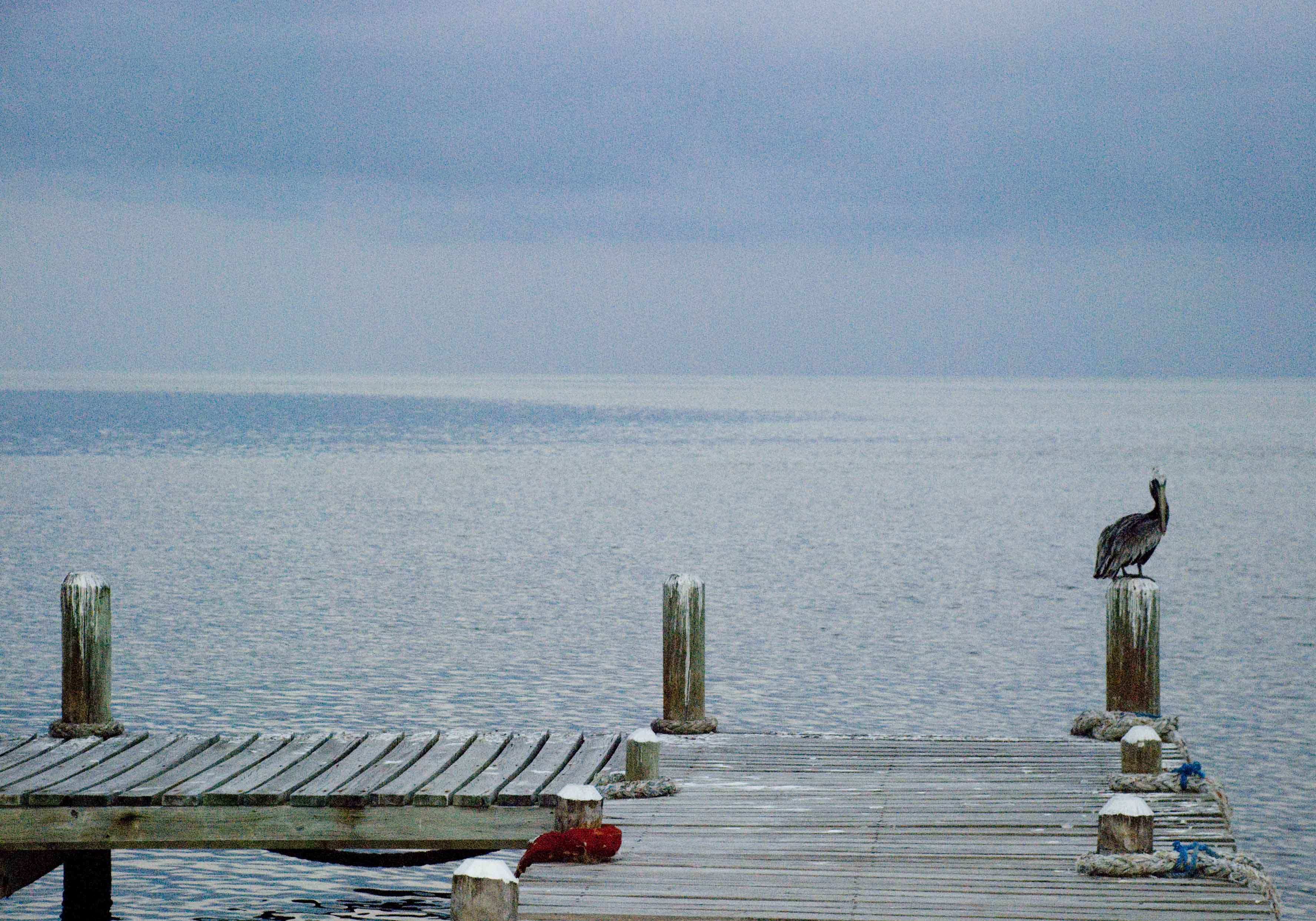
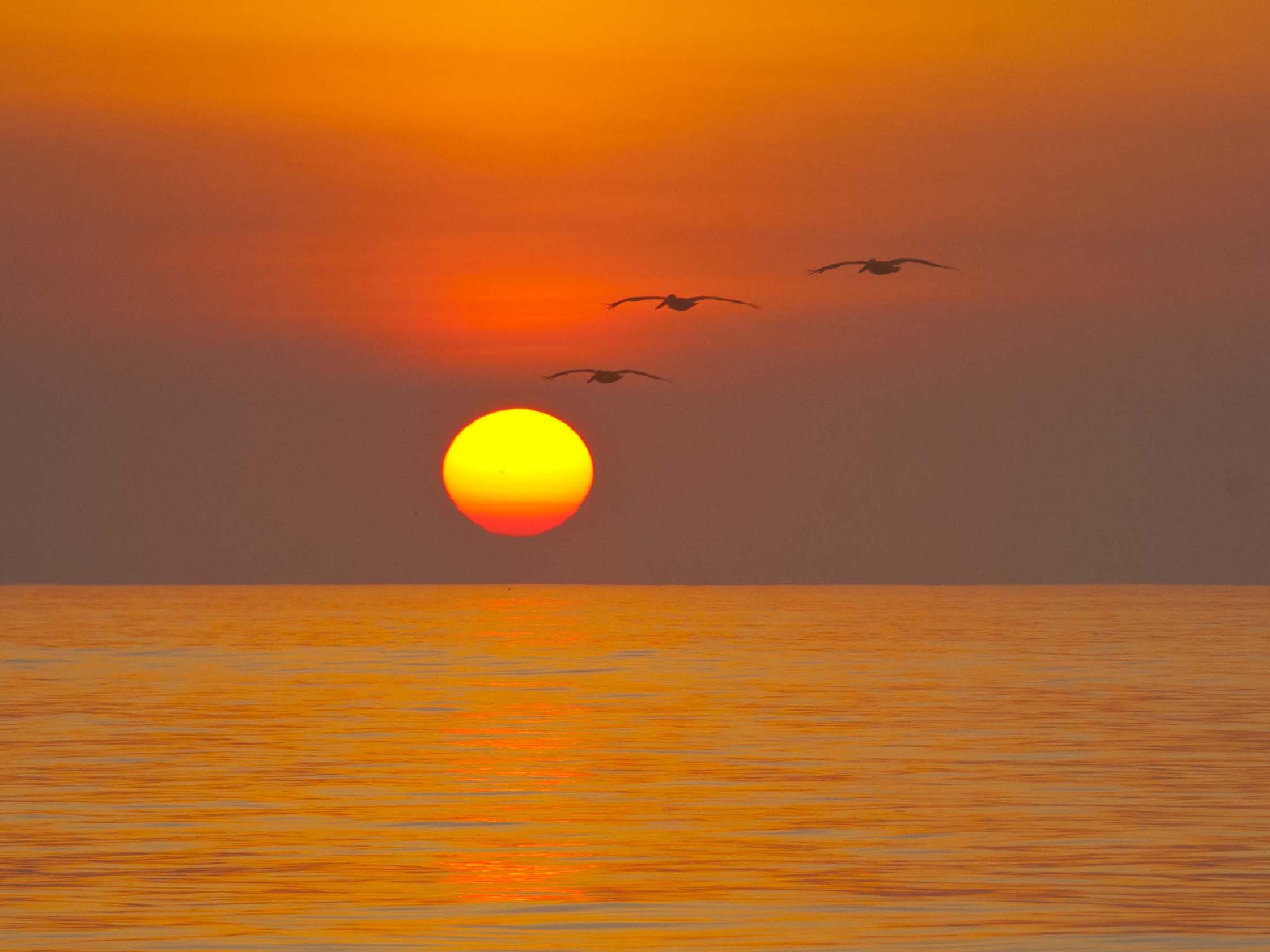
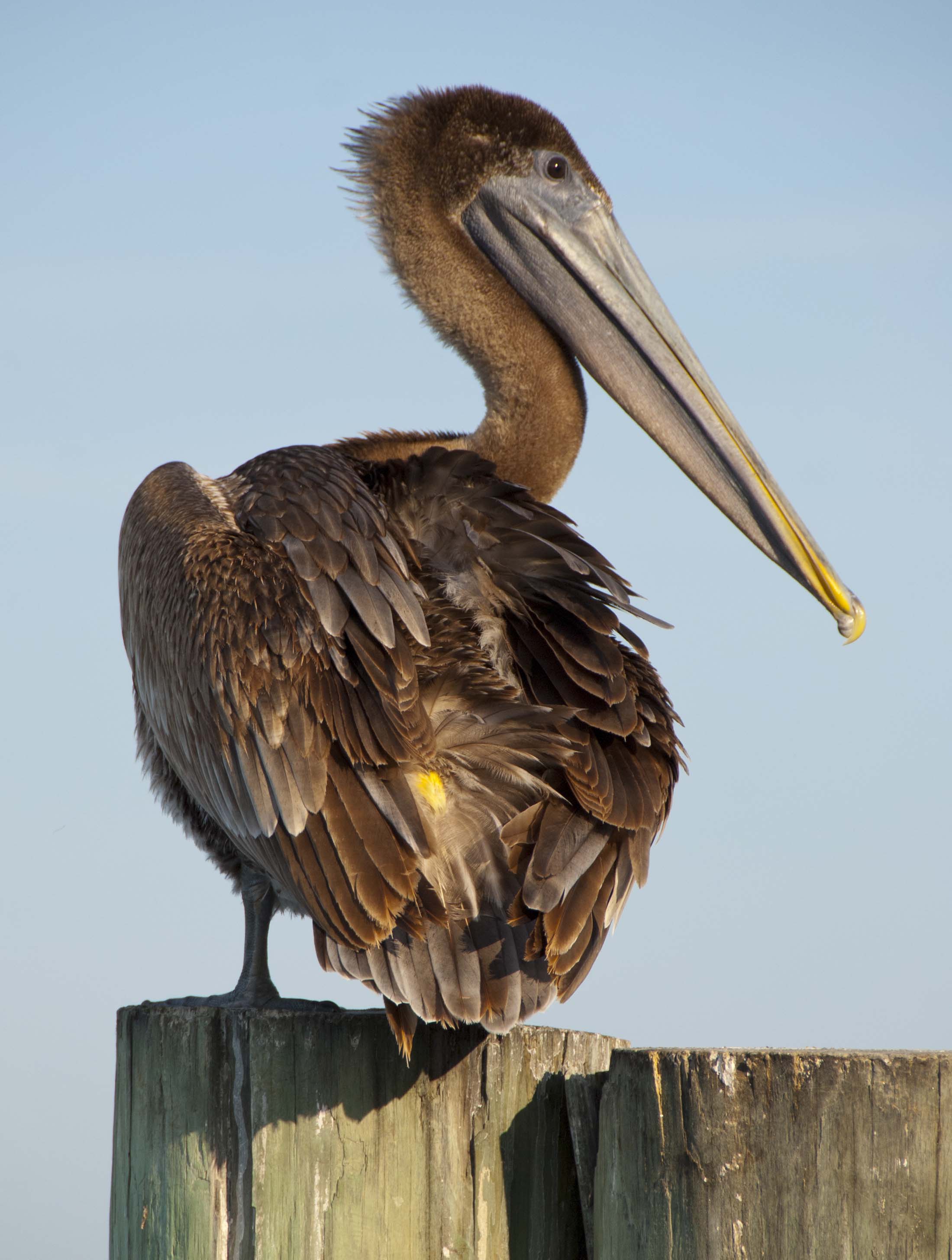
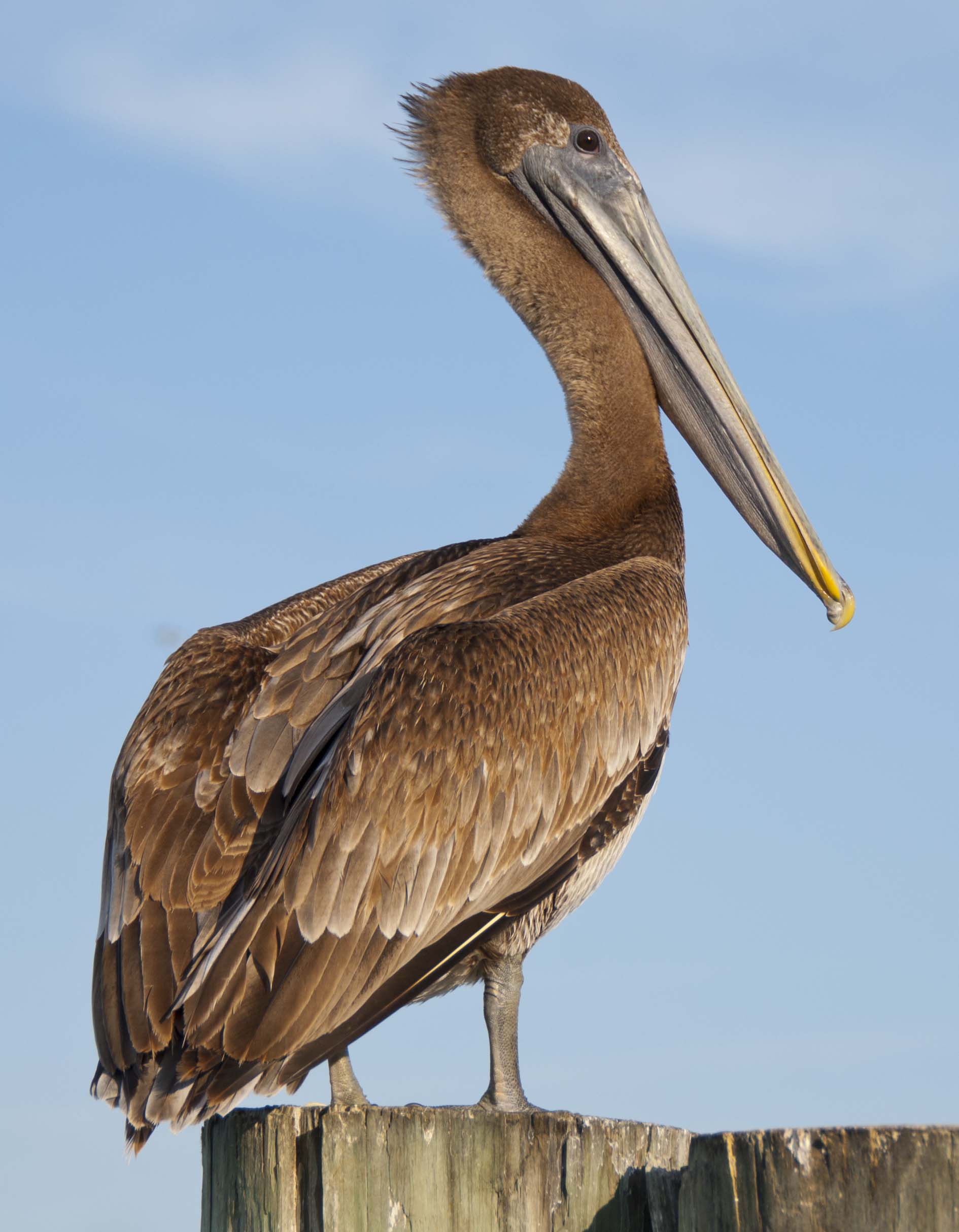
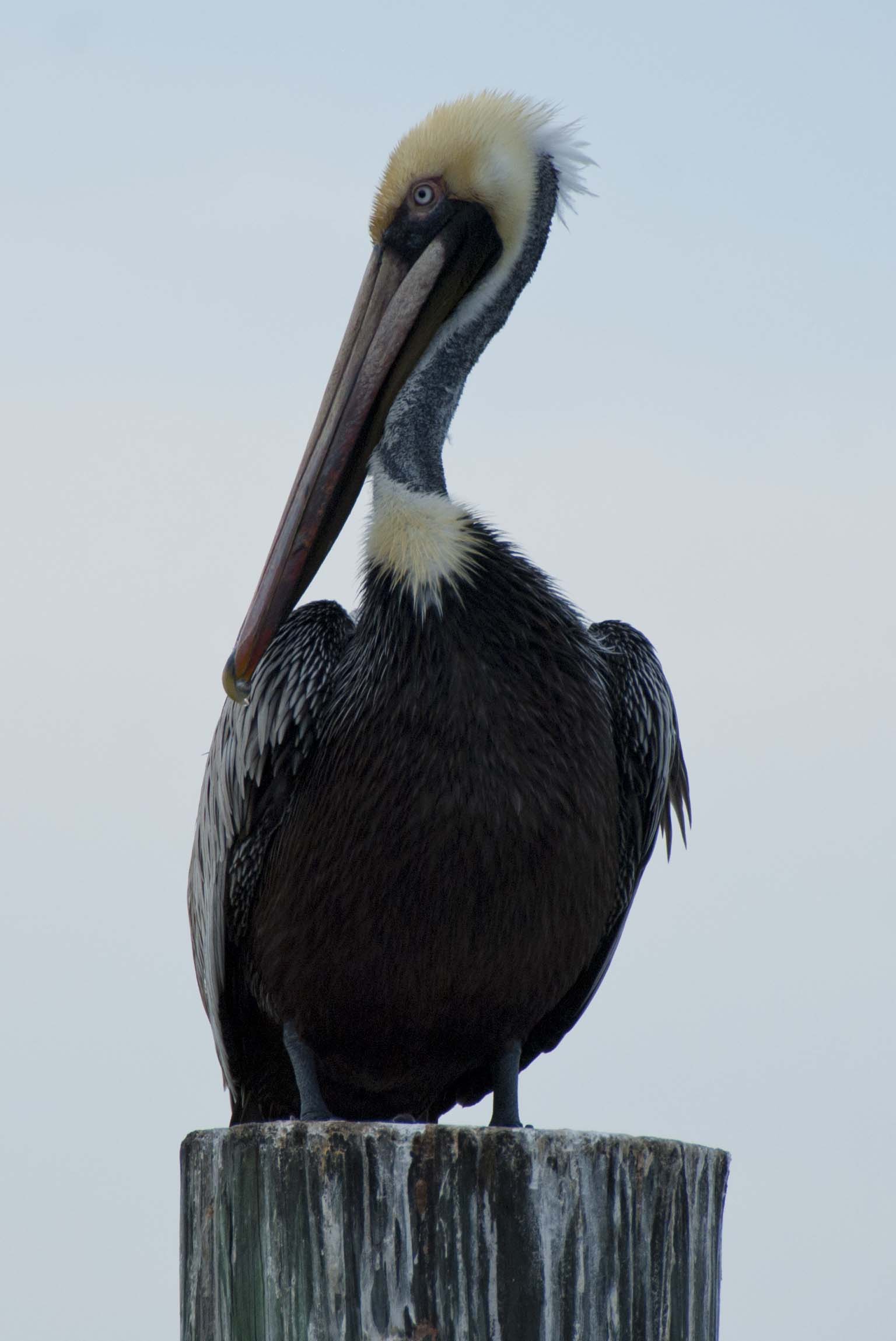
Every time I travel south, I look forward to seeing pelicans once again. Some birds are just irresistibly idiosyncratic, and pelicans are. (Herons and egrets are, too.)  Everything about them is fascinating to watch…

… the way they are revealed by the gray dawn sitting silently on pilings

… the way they fly in formation as the sun rises out of the sea

… the way they skim low over the water

… the way they sit right on the dock, at ease with their human neighbors

(These photos were taken at Glover’s Reef Atoll, Belize; at Amelia Island, Florida; and near Fort Myers, Florida. More photos from those locations are respectively here, here, and here.)

In the Mangrove Swamp

By Vladimir Brezina

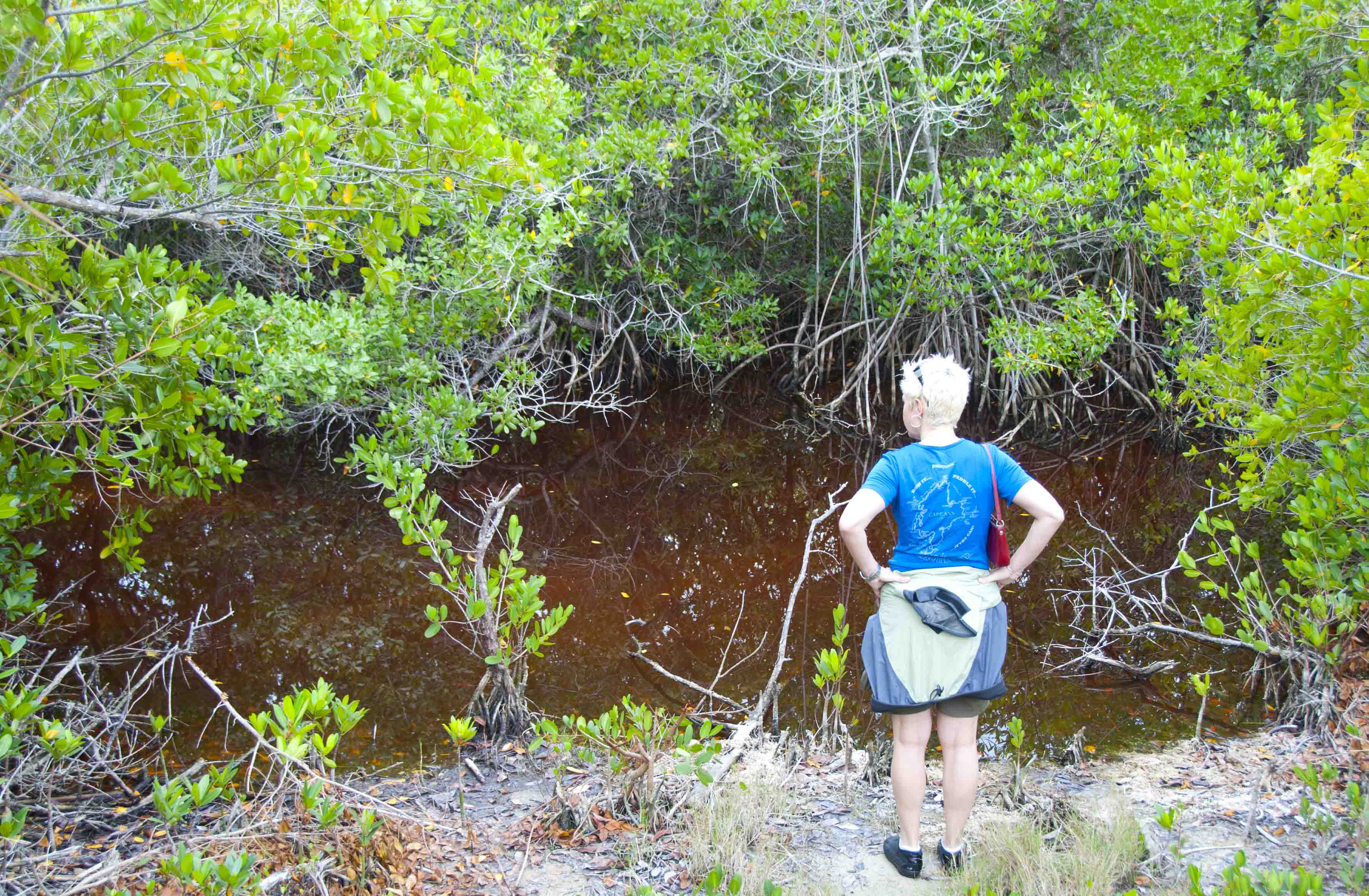
A few days ago, Johna and I spent a couple of hours in the “Ding” Darling National Wildlife Refuge on Sanibel Island on the Gulf coast of Florida.

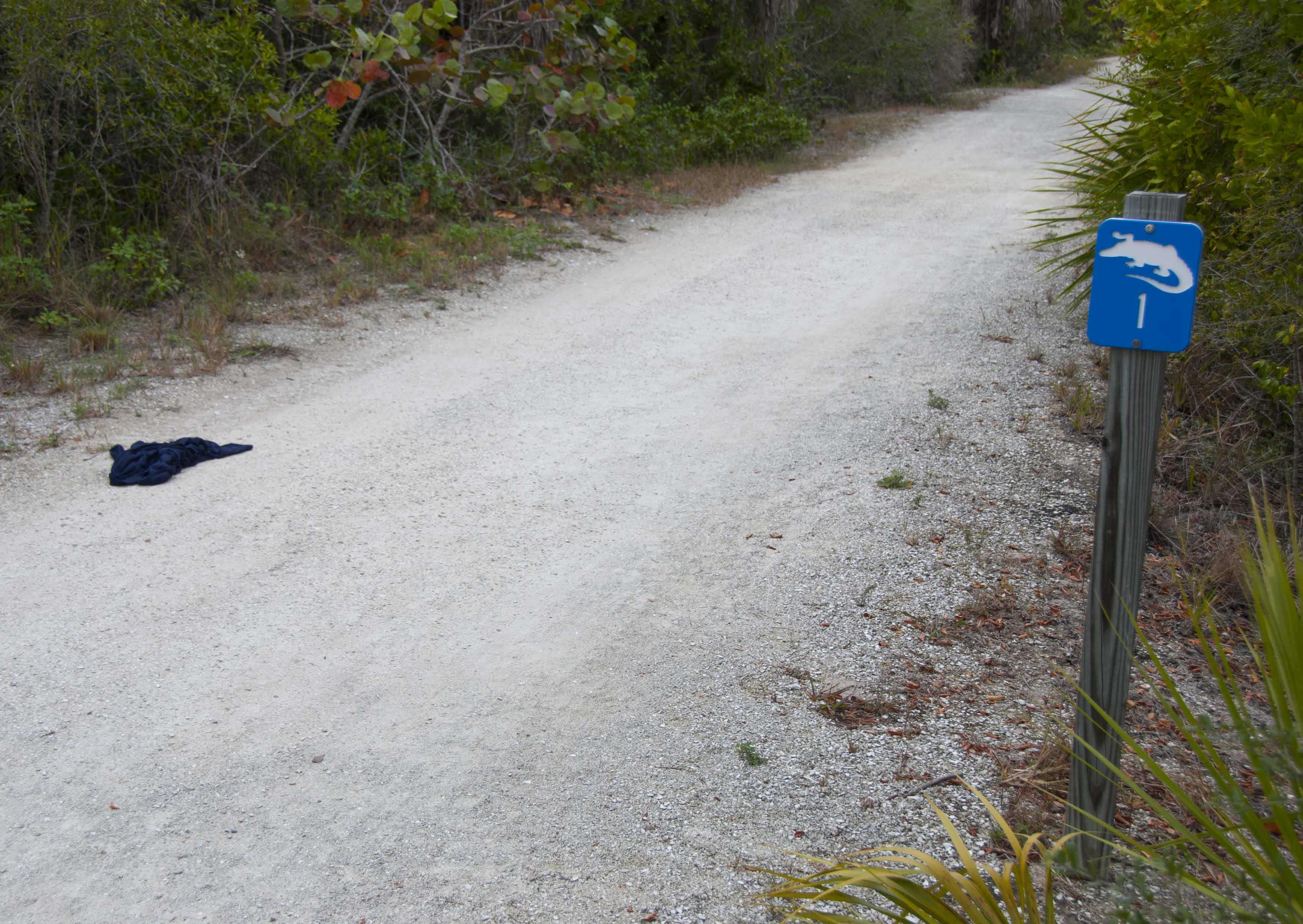
We were hoping to see alligators, but no luck. The closest we came, perhaps, was this tableau that we came across on the trail:

Alligator 1, Human 0 ?

But the mangrove swamps on either side of the trail were teeming with life.

Continue reading

Red Hook: An Unexpected Adventure

By Johna Till Johnson and Vladimir Brezina

Freshly Pressed on the WordPress.com home page!

Experiencing the unexpected is the essence of adventure.

That was amply illustrated by our paddling experience on a recent weekend. In company with Harry and Runar, we set out toward Swinburne Island to see the seals that live there each winter. It was a perfect day for the trip: Sunny, temperature in the high 50s,  just enough wind to make things interesting. We figured it would be a great way to start off the seal-viewing season.

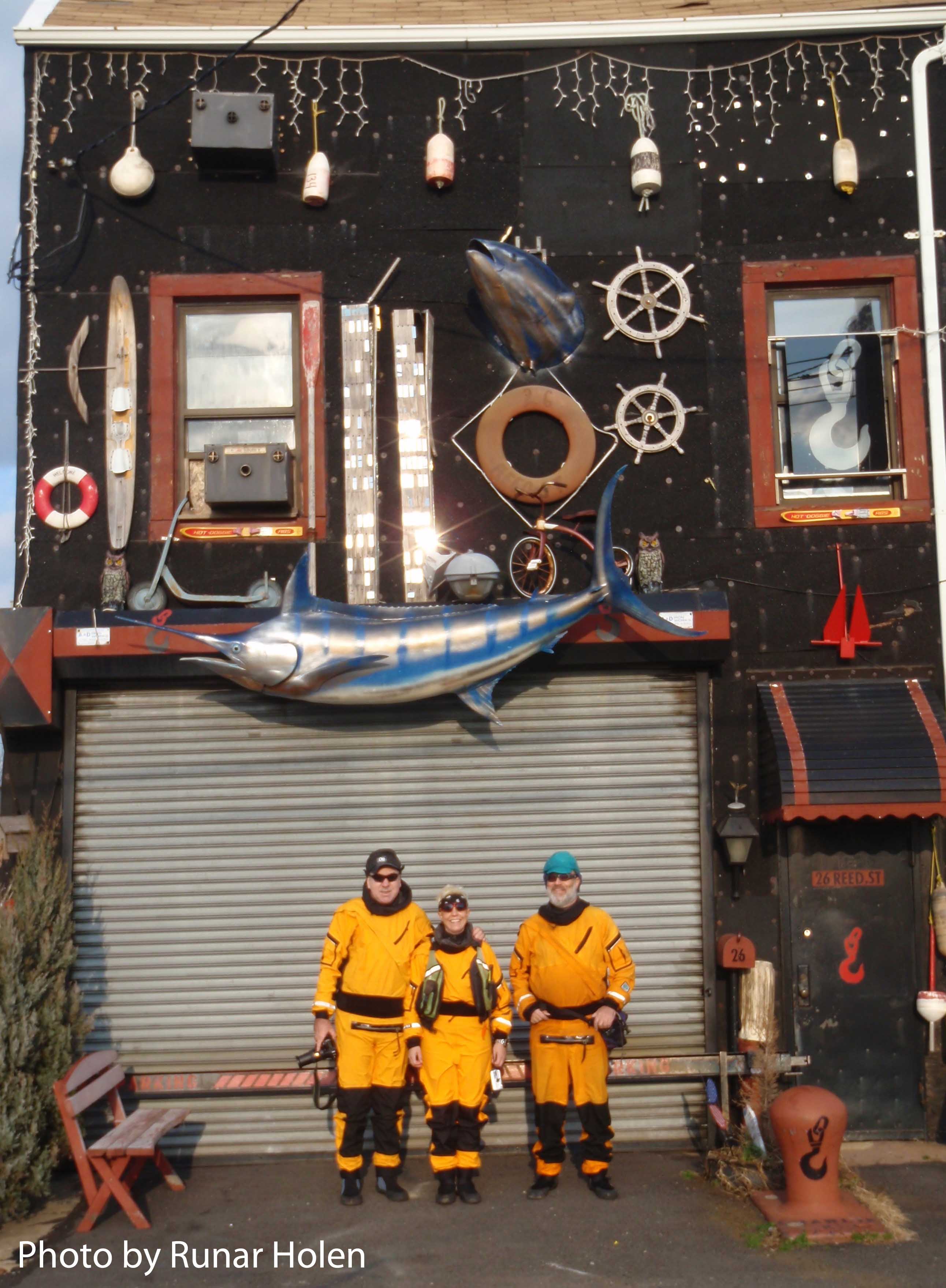
Instead, we ended up spending an afternoon exploring a part of the world we’d never seen before: Red Hook, Brooklyn. What we gave up in paddling and seal-watching we gained back in art, architecture, and entertaining social interactions.

Continue reading

Getting Together in the Park: A Photoessay

By Vladimir Brezina

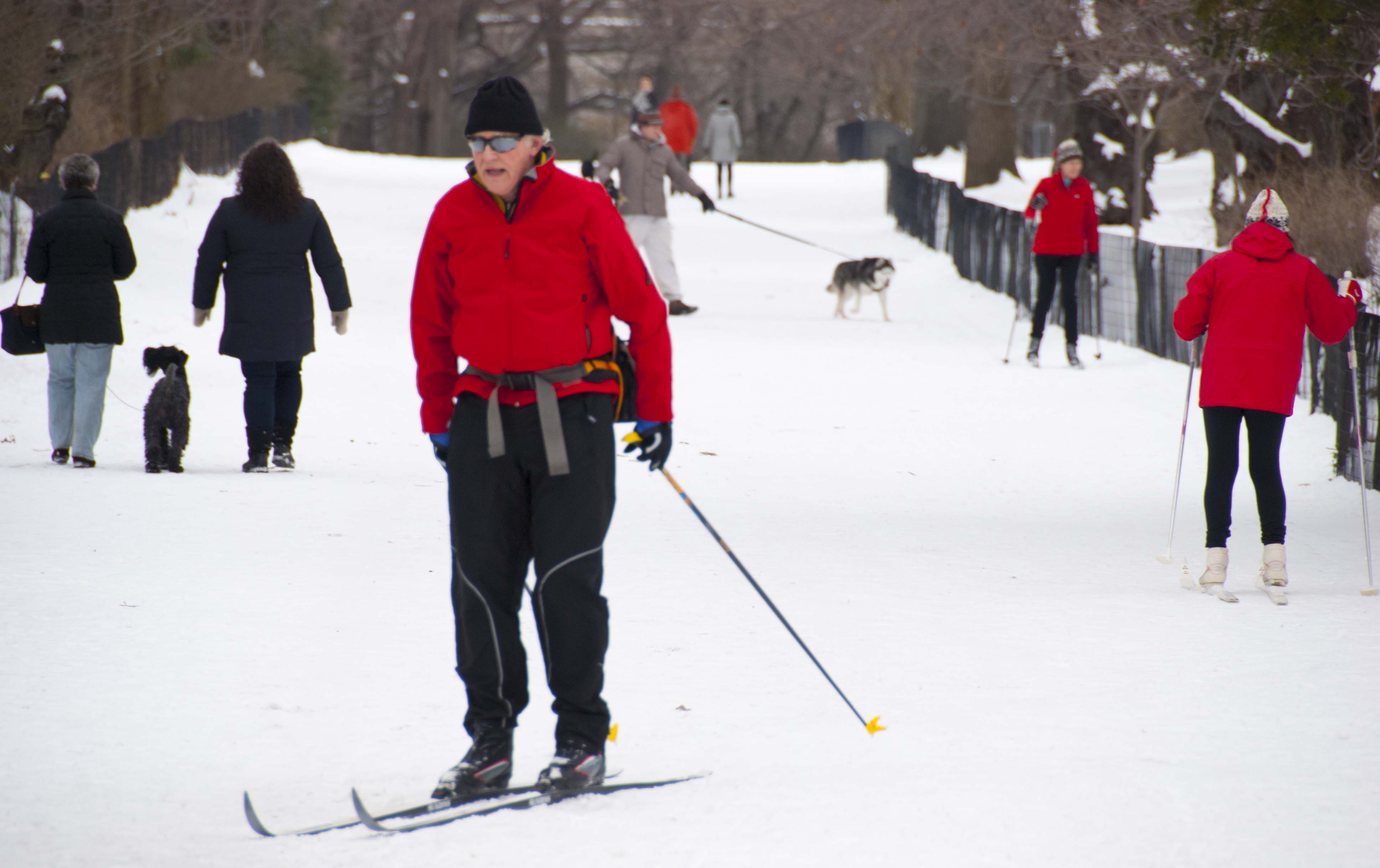
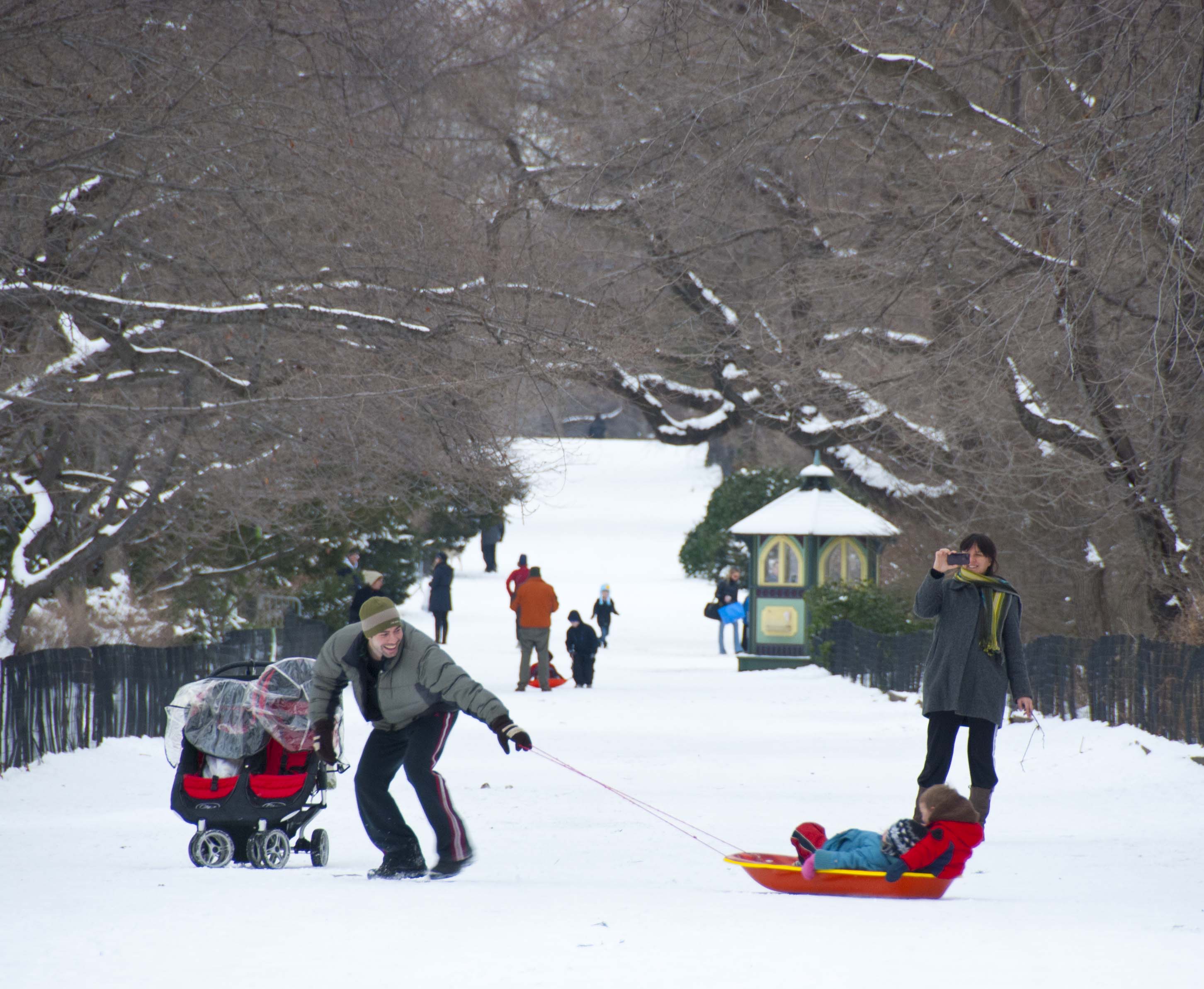
With a white coat of freshly fallen snow hiding for the moment the drabness of winter, it was a bright, festive day in Central Park yesterday.

.

.

Everyone was out having fun!

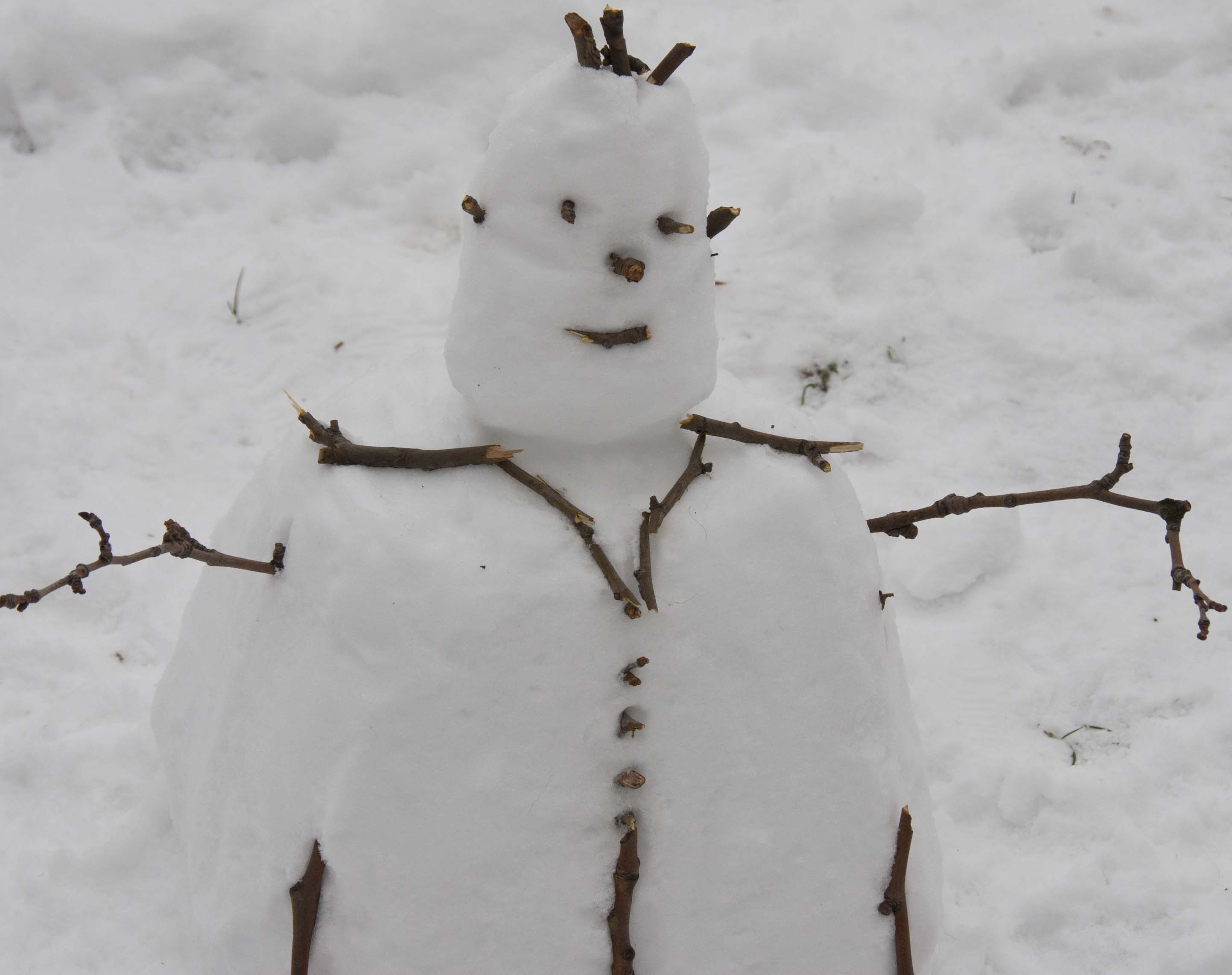
Everyone was in a happy, outgoing mood. And so, more than usual, it was a day for getting together with other members of your species…

Continue reading

How to Paddle Through Hell Gate Against the Current

By Vladimir Brezina

The Manhattan circumnavigation is a classic New York City kayak trip. Hundreds of paddlers do it every year. For a 30-mile trip, it’s surprisingly easy, largely because the strong tidal currents that swirl around Manhattan do much of the work.

To use the currents instead of fighting them, though, it’s important to time the trip right. The key is the correct timing of the passage through Hell Gate. When going around Manhattan counterclockwise (the more usual direction), you want to reach Hell Gate at, or before, the turn of the current from flood to ebb, so as to ride the flood current up the East River, and then the ebb current up the Harlem River.

But what if, for whatever reason, you are late, and find yourself facing a growing ebb current while still  in the East River short of Hell Gate? The contrary current slows you down, building more strongly all the while… And the ebb current in the East River can build up to 5 knots or more—faster than most paddlers can paddle.

It might seem that the whole trip might have to be aborted…

Not quite. It turns out there’s a way to paddle through Hell Gate against the current, and even use the contrary current to advantage.

Here’s how we do it.

Continue reading

Beauty and Censorship

By Johna Till Johnson (with Vladimir Brezina)
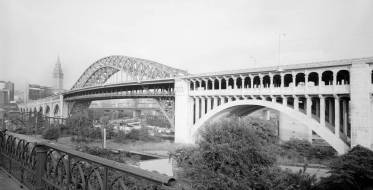
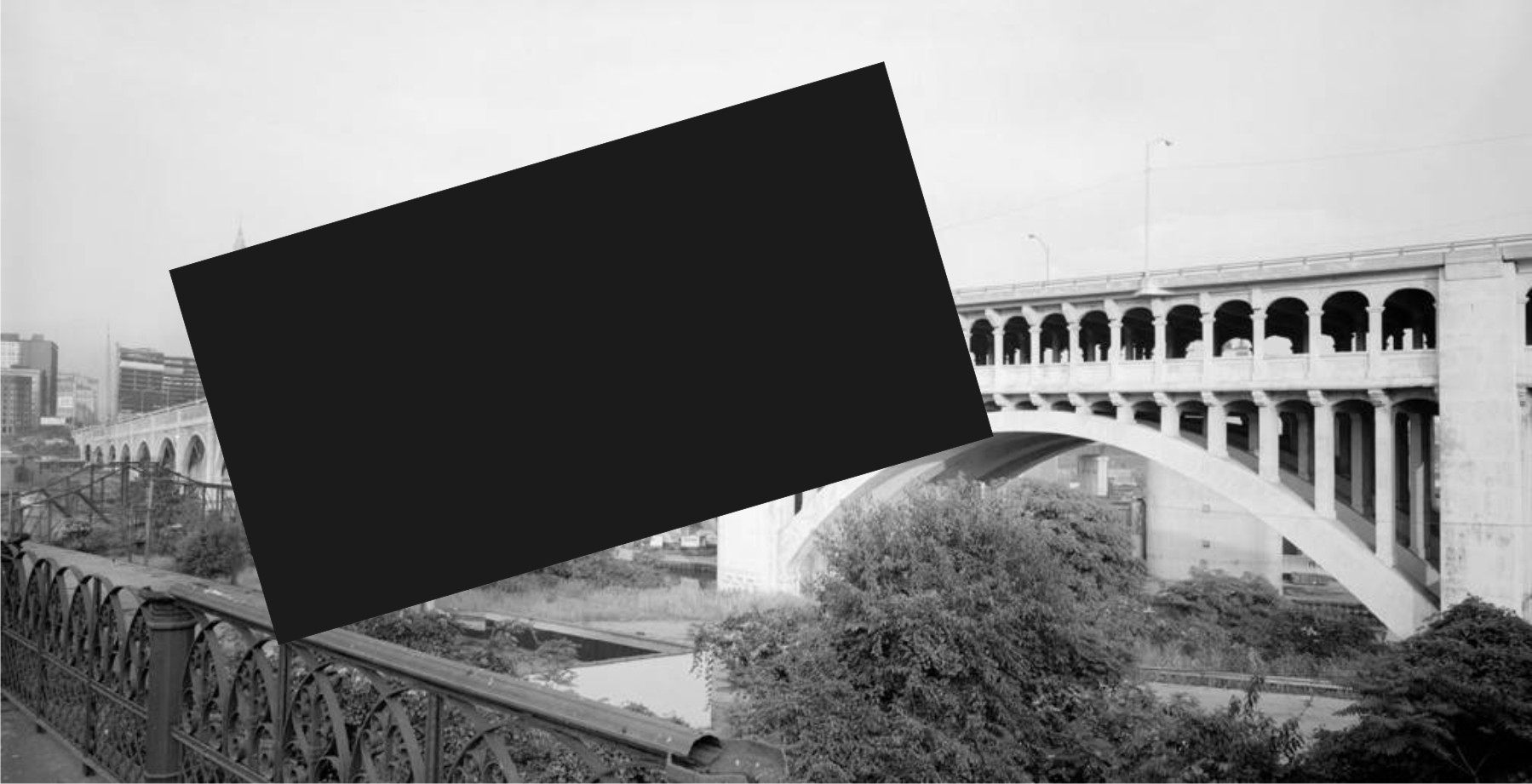
Shortly after I landed in Cleveland this morning, I drove by a sight that made me gasp with excitement: The Detroit Superior Bridge. Despite the name, it’s actually in Cleveland, and was built in 1914-1918.

Why am I so excited? Regular readers of this blog might recall that I love the shape of the Hell Gate Bridge, and its sister the Bayonne Bridge. And the Detroit Superior Bridge has the identical double arches, although it’s more than a decade older than the other two.

It’s like discovering an older half-sibling you never knew existed—and learning she’s not only beautiful, but graceful and accomplished, and living in a city you’d never have expected.

You might also notice that the above link is to About.com, rather than Wikipedia. Why? Today (Wednesday, January 18), Wikipedia has joined other sites around the Web in a blackout protesting the proposed SOPA /PIPA antipiracy bills currently in front of the U.S. Congress.

If you’ve somehow missed the controversy, here it is in a nutshell: SOPA/PIPA (the acronyms stand for Stop Online Piracy Act, the House version, and Protect IP Act, the Senate version) is intended to protect against online piracy by granting broad new powers to the U.S. Government when it comes to blocking access to sites that deliver pirated content.

That all sounds good, and you’d expect that I, as a founder of a business based on intellectual property, not to mention a regular recreational blogger, would be strongly in favor of strengthening protections against  piracy—as, in fact, I am.

But SOPA/PIPA goes too far—way, way too far. There is plenty to hate about these two proposals, but the main issue is that, should they pass, the government could shut down sites that have not been proven to deliver pirated content.
Instead, all that’s required is an allegation.

That’s wrong for all sorts of reasons, starting with the fact that in a free country, I shouldn’t be able to stop you from exercising your rights by alleging that mine have been violated. A court of law has to agree with me that my assessment of the situation is, in fact, accurate.

Moreover, consider the potential for abuse: How long before, say, Americans United for Life and the National Abortion Rights League begin accusing each other of posting pirated content? About a New York nanosecond.

Sure, the bills’ drafters say that the laws aren’t intended to be used that way, that they’re primarily focused on offshore sites, yadda yadda yadda blah blah blah.

The reality is that, regardless of intention, the  proposed legislation can easily be abused. And even if used properly, it’s far too broad and needs to be re-thought from the ground up.

By all means, let’s protect intellectual property. But doing it with vague laws that introduce worrying new powers is the wrong way to go about it.

If you agree with us, please write your Congresscritters and advise them to do the right thing when it comes to SOPA/PIPA: Vote ’em down.

Nature Morte

By Vladimir Brezina

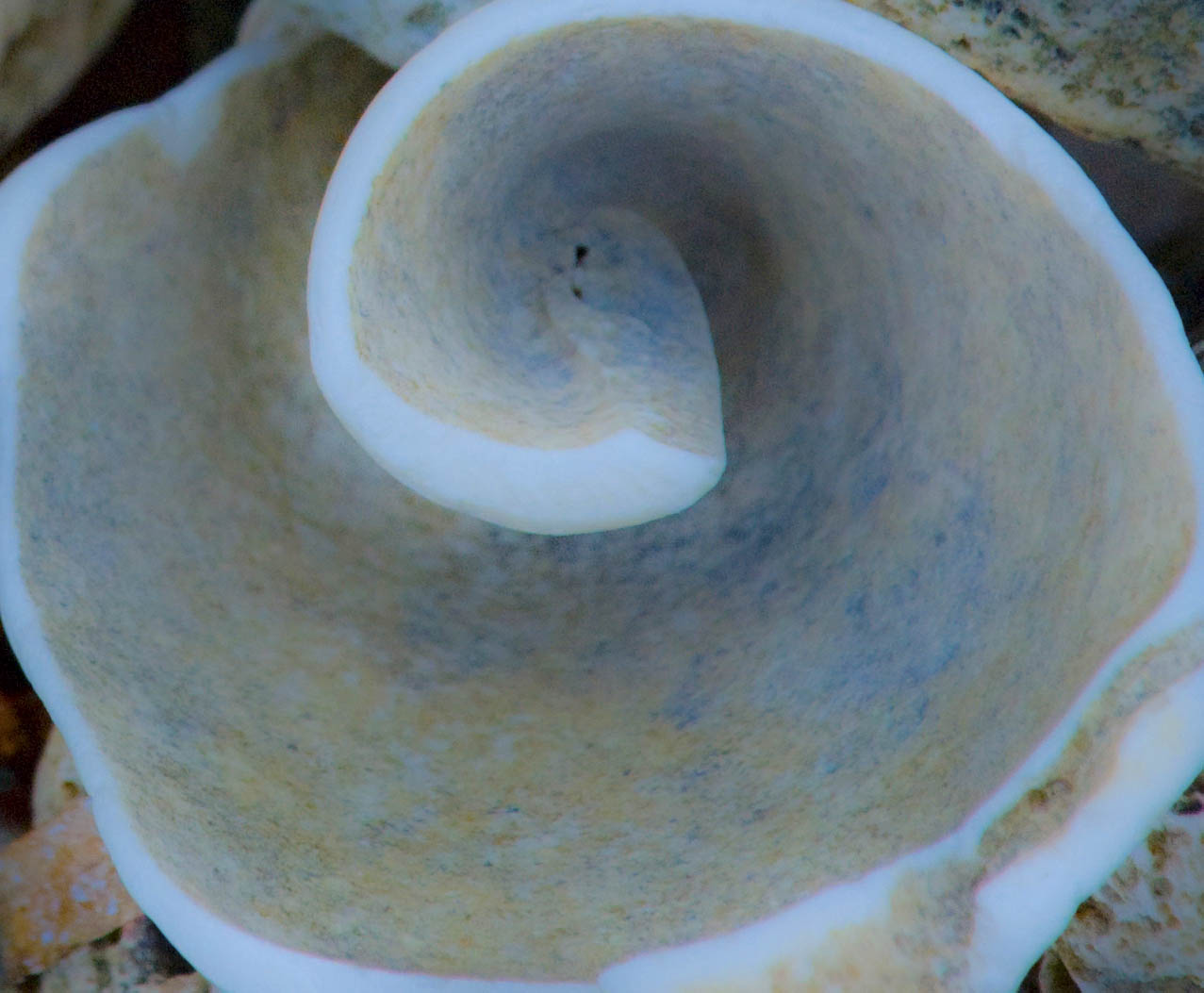
Photos taken in 2010 at Slickrock, Glover’s Reef Atoll, Belize.

Read on full-width photo page —>